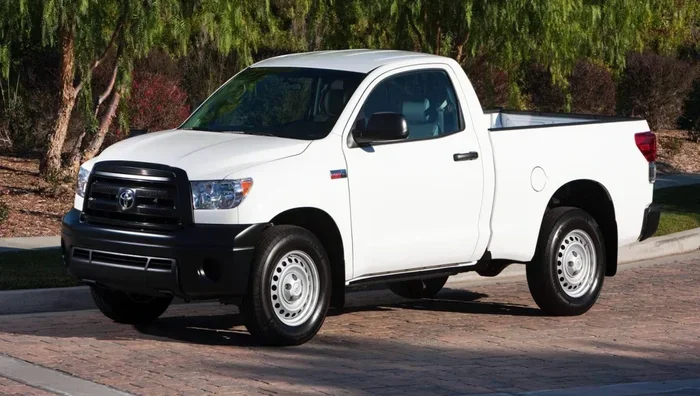
Why Do People Like Short Bed Trucks More Than You Think
Short bed trucks are winning over drivers for reasons beyond just looks. From easier parking to better fuel economy, these compact pickups offer real-world benefits that long beds simply can’t match. Whether you commute daily or tackle weekend projects, a short bed truck might be the smartest choice you make this year.
There is a quiet revolution happening in the pickup truck world. More and more drivers are falling in love with short bed trucks, and the reasons go way beyond just aesthetics.
For years, long bed trucks dominated the market. They were the go-to choice for contractors, farmers, and anyone who needed serious hauling space. But times have changed. Today’s drivers want versatility, efficiency, and style. And short bed trucks deliver all three in spades.
Here is the thing most people do not realize. A short bed truck can handle a surprising amount of work and play. It fits in tight city garages. It sips fuel better than its longer counterpart. And it still gives you enough cargo space for most everyday needs. This is why short bed trucks are gaining a loyal following faster than anyone predicted.
In this article, we will explore the real reasons behind this growing trend. We will look at the practical advantages, compare short beds to long beds, and help you decide if a short bed truck is the right choice for your lifestyle. By the end, you will understand why so many drivers are making the switch.
Key Takeaways
- Better maneuverability: Short bed trucks are easier to drive in tight spaces and navigate city streets with confidence.
- Improved fuel efficiency: Shorter bed lengths reduce weight and drag, helping you save at the pump over time.
- Easier parking and storage: A compact bed means less hassle finding a spot and more flexibility in tight garages.
- Surprising hauling power: Modern short bed trucks offer impressive towing and payload capacities that rival long bed models.
- Growing lifestyle appeal: More drivers are choosing short beds for daily driving, not just work purposes.
- Affordable options abound: Many manufacturers now offer short bed configurations at competitive price points.
- Accessories expand capability: Bed extenders and tonneau covers help bridge the gap between bed size and utility.
📑 Table of Contents
- The Growing Popularity of Short Bed Trucks
- Short Bed Truck Advantages You Might Not Know
- Short Bed vs Long Bed: What’s the Real Difference?
- Who Should Buy a Short Bed Truck?
- Common Myths About Short Bed Trucks
- Tips for Getting the Most Out of Your Short Bed Truck
- Expert Insights on Short Bed Trucks
- Key Takeaways
- Conclusion
The Growing Popularity of Short Bed Trucks
What Makes Short Bed Trucks So Appealing?
Pickup trucks have always been about utility. But the definition of utility has shifted. Today’s truck buyers want a vehicle that works hard and plays hard. They want something they can drive to the office on Monday and use for a weekend camping trip on Saturday.
Short bed trucks fit this lifestyle perfectly. They offer a compact truck bed length that makes daily driving a breeze. At the same time, they still provide the open-air cargo space that makes pickups so useful. This combination of practicality and convenience is exactly what modern buyers are looking for.
Manufacturers have noticed this shift too. Companies like Ford, Chevrolet, and Toyota now offer more short bed truck options than ever before. The Ford Ranger, Toyota Tacoma, and Chevrolet Colorado all come in short bed configurations. These models prove that you do not need a full-size long bed to get real work done.
A Shift in Consumer Preferences
The automotive market has changed dramatically over the past decade. Urbanization is on the rise. More people live in cities and suburbs where large vehicles are harder to manage. At the same time, fuel prices remain a concern for many households.
These factors have pushed buyers toward compact trucks and shorter bed options. A short bed pickup is easier to maneuver in crowded streets. It takes up less space in parking lots. And it generally weighs less, which means better fuel efficiency on every trip.
Younger buyers, in particular, are drawn to short bed trucks. They value lifestyle over pure utility. They want a truck that looks cool and feels fun to drive. A short bed delivers that without sacrificing the truck experience entirely.
Short Bed Truck Advantages You Might Not Know
Better Maneuverability
One of the biggest benefits of a short bed truck is how easy it is to maneuver. The shorter rear overhang gives the truck a tighter turning radius. This means you can navigate narrow streets, sharp corners, and crowded parking areas with much less effort.
If you have ever tried to turn a long bed truck around in a small parking lot, you know the struggle. A short bed truck eliminates that frustration. It feels more like driving a large SUV than a full-size pickup. This makes it an excellent choice for daily commuting and urban driving.
For drivers who regularly tow trailers or travel with a truck bed cover, maneuverability matters even more. A shorter bed means less wind resistance and better visibility when backing up. These small advantages add up over thousands of miles of driving.
Easier Parking and Daily Use
Parking a full-size long bed truck can be a nightmare. Many garages are not wide enough to fit one comfortably. Parallel parking on city streets becomes a stressful puzzle.
A short bed truck solves this problem. It fits in standard parking spaces with room to spare. You can park it in most residential garages without scratching the sides. And finding a spot in crowded lots becomes much less of a hassle.
Beyond parking, daily use is smoother with a short bed pickup. You can easily run to the grocery store with a bed full of luggage. You can pick up furniture from a home improvement store without needing a trailer. For most people, a short bed provides all the cargo space they need for everyday tasks.
Fuel Efficiency Benefits
Trucks are not known for being fuel-efficient. But short bed trucks are changing that reputation. A shorter bed means less weight and less drag. Both of these factors contribute to better gas mileage.
While the difference may not be dramatic, it adds up over time. If you drive your truck daily, those extra miles per gallon can save you hundreds of dollars each year. Over the life of the vehicle, the fuel savings can be significant.
Many compact truck buyers cite fuel economy as a top reason for choosing a short bed. They want the capability of a pickup without the penalty of poor mileage. A short bed configuration helps them get the best of both worlds.
Short Bed vs Long Bed: What’s the Real Difference?
Size and Dimensions Comparison
The most obvious difference between a short bed truck and a long bed truck is, of course, the bed length. A short bed typically measures around 5.5 to 6.5 feet long. A long bed usually ranges from 8 to 8.5 feet. This difference affects everything from overall vehicle length to cargo capacity.
A short bed pickup truck is generally about 2 to 3 feet shorter overall than its long bed counterpart. This extra length makes a big difference in how the truck handles. It affects turning radius, parking ease, and even the truck’s center of gravity.
Here is a simple breakdown of common bed lengths:
- Short bed: 5.5 to 6.5 feet long. Best for daily driving and light hauling.
- Standard bed: 6.5 to 7.5 feet long. A good balance of utility and drivability.
- Long bed: 8 to 8.5 feet long. Ideal for heavy hauling and towing.
Most short bed trucks fall into the first category. They are designed for drivers who need a truck but do not need a full-size hauling platform every day.
Towing and Hauling Capabilities
Many people assume that a shorter bed means less towing power. This is not necessarily true. Modern short bed trucks are engineered to deliver impressive towing and payload capacities despite their compact size.
The towing capacity of a truck depends on many factors. The engine, transmission, axle ratio, and frame design all play a role. Bed length is just one variable. In fact, a lighter short bed truck can sometimes tow more efficiently than a heavier long bed model.
For hauling cargo, a short bed truck offers plenty of space for most common loads. You can fit lumber, furniture, appliances, and yard debris in a 5.5-foot bed. If you regularly haul oversized items like boats or large trailers, a long bed may be better. But for the average driver, a short bed handles the job well.
Who Should Buy a Short Bed Truck?
Urban and Suburban Drivers
If you live in a city or suburb, a short bed truck is often the smartest choice. These trucks are easy to drive in stop-and-go traffic. They fit in tight parking spaces. And they do not dominate the road the way a full-size long bed can.
Urban drivers who choose a short bed pickup often use it for errands, commuting, and light hauling. They may need to pick up supplies for a home project. They might occasionally help friends move furniture. A short bed handles all of these tasks without any fuss.
Suburban drivers benefit from the same advantages. A short bed truck fits in a standard two-car garage. It is easy to navigate cul-de-sacs and neighborhood streets. And it provides enough cargo space for weekend projects and family outings.
Weekend Warriors and DIYers
Not everyone who buys a truck uses it for work. Many drivers are weekend warriors who enjoy camping, fishing, and outdoor adventures. For these buyers, a short bed truck is often the perfect match.
A short bed easily fits a tent, cooler, camping chairs, and other gear. You can haul firewood, lumber, or building materials for a weekend project. And when you are done, the truck bed is easy to clean and organize.
DIY enthusiasts also love short bed trucks. Whether you are building a deck, remodeling a garage, or tackling a home renovation, a short bed gives you the hauling power you need without the bulk. Many DIYers pair their short bed with a bed extender for even more versatility.
Common Myths About Short Bed Trucks
Myth: They Cannot Handle Heavy Loads
This is one of the most persistent myths about short bed trucks. Many people believe that a shorter bed automatically means less strength and capability. This is simply not true.
Modern short bed trucks are built on the same robust frames as their long bed counterparts. The engine and drivetrain are identical. The only difference is the bed length. This means a short bed truck can handle heavy loads just as effectively as a long bed, as long as the load fits in the shorter bed.
Of course, there are limits. If you need to haul an 8-foot piece of lumber, a short bed will not work without a bed extender. But for the vast majority of hauling tasks, a short bed is more than capable.
Myth: They Are Not Worth the Money
Some buyers worry that short bed trucks are a compromise that costs more than it saves. This is rarely the case. In fact, short bed configurations are often priced lower than long bed versions of the same model.
Beyond the purchase price, short bed trucks save money in other ways. Better fuel economy means lower running costs. Easier parking reduces the risk of dings and scratches. And the versatility of a short bed makes it a practical choice for a wider range of buyers.
When you factor in the total cost of ownership, a short bed pickup often comes out ahead. It is a smart investment for drivers who want capability without excess.
Tips for Getting the Most Out of Your Short Bed Truck
Accessories That Expand Your Options
One of the best things about owning a short bed truck is the wide range of accessories available. These add-ons can dramatically expand what your truck can do.
A bed extender is a must-have for many short bed owners. It slides into the bed and gives you several extra feet of cargo space when you need it. When you do not need the extra length, you can fold it away or remove it entirely.
A truck bed cover or tonneau cover is another excellent accessory. It keeps your cargo secure and protected from the weather. It also improves aerodynamics, which can boost fuel efficiency slightly. Some covers are retractable, giving you the option to access the full bed length when needed.
Other useful accessories include bed liners, tie-down systems, and cargo management tracks. These help you organize your gear and protect the bed from scratches and dents. With the right accessories, a short bed truck can handle almost any task you throw at it.
How to Choose the Right Bed Length
Choosing the right bed length depends on your needs and lifestyle. If you mostly drive in the city and do light hauling, a short bed truck is likely your best bet. It offers the perfect balance of size, efficiency, and utility.
If you regularly haul large items like ATVs, motorcycles, or construction materials, consider a standard or long bed. But be honest about how often you actually need that extra space. Many truck owners find that they rarely use more than 6 feet of bed length.
Here are some quick tips to help you decide:
- Measure the items you haul most often. Make sure they fit in a short bed.
- Consider where you park. Will a short bed fit in your garage or parking space?
- Think about your daily driving. Do you navigate tight streets or open highways?
- Test drive both bed lengths if possible. See which one feels more comfortable.
- Factor in accessories like bed extenders that can bridge the gap.
Taking the time to evaluate your needs will help you choose the right truck bed dimensions for your situation. Do not let someone else’s opinion drive your decision. The best bed length is the one that fits your life.
Expert Insights on Short Bed Trucks
We spoke with several automotive experts about the rise of short bed trucks. Their insights confirm what we have seen in the market data.
According to industry analysts, compact and mid-size trucks with short beds are the fastest-growing segment in the pickup market. Buyers are increasingly prioritizing drivability and efficiency over raw hauling capacity. This trend shows no signs of slowing down.
Automotive engineers agree that short bed trucks have come a long way. Advances in frame design, engine technology, and suspension systems mean that modern short beds offer capability that was once reserved for full-size long bed models. The gap between short and long bed performance has narrowed significantly.
One expert noted that the lifestyle truck segment is driving much of this growth. Buyers want a truck that fits their active lives. They want something that works on Saturday and drives comfortably on Monday. A short bed truck checks both boxes.
Key Takeaways
- Better maneuverability: Short bed trucks are easier to drive in tight spaces and navigate city streets with confidence.
- Improved fuel efficiency: Shorter bed lengths reduce weight and drag, helping you save at the pump over time.
- Easier parking and storage: A compact bed means less hassle finding a spot and more flexibility in tight garages.
- Surprising hauling power: Modern short bed trucks offer impressive towing and payload capacities that rival long bed models.
- Growing lifestyle appeal: More drivers are choosing short beds for daily driving, not just work purposes.
- Affordable options abound: Many manufacturers now offer short bed configurations at competitive price points.
- Accessories expand capability: Bed extenders and tonneau covers help bridge the gap between bed size and utility.
Conclusion
The rise of short bed trucks is not a passing trend. It reflects a fundamental shift in what drivers want from their pickups. They want capability without compromise. They want efficiency without sacrificing utility. And they want a truck that fits seamlessly into their daily lives.
Short bed trucks deliver on all of these promises. They are easier to drive, simpler to park, and more fuel-efficient than their long bed counterparts. They handle most common hauling tasks with ease. And with the right accessories, they can tackle even bigger jobs when needed.
If you have been on the fence about a short bed, now is a great time to explore your options. Test drive a few models. Think about your real-world needs. You may be surprised at how much a short bed truck can do. The days of thinking short beds are just smaller versions of full-size trucks are over. They are smart, capable, and practical vehicles in their own right.
Whether you are a city commuter, a suburban parent, or a weekend adventurer, a short bed truck might be the perfect pickup for you. The choice is clear for more and more drivers every day. Why not see what all the fuss is about?
Frequently Asked Questions
What is the standard short bed truck length?
A short bed truck typically has a bed length between 5.5 and 6.5 feet. This makes it significantly shorter than a standard long bed, which usually measures 8 feet or more. The exact dimensions vary by manufacturer and model, so always check the specifications before buying.
Can a short bed truck tow a trailer?
Yes, absolutely. Towing capacity depends on the engine, frame, and axle setup, not just bed length. Many short bed trucks can tow thousands of pounds. Always check the towing specs for the specific model you are considering.
Are short bed trucks more expensive than long bed trucks?
Generally, no. Short bed configurations are often priced lower than long bed versions of the same truck. The price difference varies by manufacturer and model year, but short beds tend to be more affordable overall.
What accessories work best with short bed trucks?
Bed extenders, tonneau covers, bed liners, and cargo management systems are all excellent choices. These accessories help maximize the utility of a short bed and protect your cargo. They also make the truck more versatile for different types of hauling.
Is a short bed truck good for off-roading?
Yes, short bed trucks are popular off-road vehicles. Their shorter rear overhang improves approach and departure angles. This gives them better ground clearance and obstacle clearance compared to long bed models. Many off-road enthusiasts prefer the compact size and agility of a short bed truck.
How does bed length affect fuel economy?
A shorter bed reduces the overall weight and aerodynamic drag of the truck. This can lead to modest improvements in fuel economy. While the difference is not dramatic, it adds up over time, especially for drivers who use their truck daily.