When Daytime Running Lights Are On What You Need To Know
Knowing when daytime running lights are on is essential for every driver. DRL systems boost vehicle visibility and road safety automatically. This guide explains exactly how DRLs work, when they activate, and what drivers need to know about their car’s lighting system.
Have you ever noticed those glowing lights on the front of cars during the day and wondered what they are? Those are daytime running lights, commonly known as DRLs. They are one of the simplest yet most effective safety features in modern vehicles. Understanding when daytime running lights are on can make a huge difference in how safe you are on the road.
Every year, thousands of accidents happen because other drivers simply did not see a vehicle in time. DRLs were invented to fix this problem. They make cars, trucks, and SUVs more visible during daylight hours without blinding other drivers. In this article, we will walk you through everything you need to know about your DRL system, how it works, and why it matters.
Whether you drive a new car with an auto-on feature or an older model with manual controls, this guide has you covered. We will break down the science behind daytime visibility, explain the different types of DRL setups, and answer the most common questions drivers have. By the end, you will feel confident about your vehicle’s car lighting system and how to use it safely every single day.
Key Takeaways
- DRLs activate automatically: They turn on when your engine starts and are designed to improve visibility during the day.
- They are not the same as headlights: DRLs use low beam or dedicated LEDs and do not replace nighttime headlights.
- Weather and light sensors matter: Many modern cars adjust DRL behavior based on ambient light and weather conditions.
- Battery and bulb life are minimal concerns: Modern DRL systems are energy-efficient and designed for long-term use.
- Legal requirements vary by country: Some regions mandate DRLs, while others leave them optional.
- Dashboard indicators help you monitor status: Learn what your DRL warning light means to stay informed.
- Manual override is sometimes possible: Some vehicles let you turn DRLs off or adjust their behavior.
📑 Table of Contents
- What Are Daytime Running Lights and Why Do They Exist?
- When Exactly Do Daytime Running Lights Turn On?
- Types of Daytime Running Light Systems
- Do Daytime Running Lights Drain Your Battery?
- How Weather Conditions Affect DRL Performance
- Common Mistakes Drivers Make With DRLs
- Legal Requirements for Daytime Running Lights
- Expert Tips for Getting the Most From Your DRLs
- Key Takeaways
- Conclusion
What Are Daytime Running Lights and Why Do They Exist?
Daytime running lights are lighting devices mounted on the front of a vehicle. They turn on automatically when the engine starts and stay on while you drive. Their main job is to make your vehicle easier to see during the day. They are not designed to light up the road ahead like regular headlights.
The idea behind DRLs is simple. When other drivers can see you sooner, they have more time to react. This reduces the chance of front-end collisions. Studies have shown that vehicles with DRL systems are involved in fewer daytime accidents. Countries like Canada, Sweden, and Norway were early adopters and saw real safety improvements.
Today, most new cars come with DRLs as standard equipment. They use low beam headlights, dedicated LED strips, or even fog light setups. The goal remains the same: increase visibility and protect everyone on the road. Even if you drive a compact car or a large SUV, DRLs work the same way to keep you noticed.
How DRLs Differ from Regular Headlights
It is easy to confuse DRLs with your normal headlights, but they serve different purposes. Your low beam headlights are meant to illuminate the road when it is dark. DRLs, on the other hand, are meant only to make your car visible to others. They are dimmer than full headlights and are not designed to help you see the road ahead.
Here is a quick way to think about it. DRLs are like a spotlight on yourself so others can see you. Headlights are like a flashlight pointing forward so you can see where you are going. Both are important, but they do different jobs in your overall vehicle safety setup.
A Brief History of Daytime Running Lights
The concept of DRLs dates back to the 1970s. Scandinavian countries pioneered the idea because of their long, dark winters. They found that running lights during the day reduced accidents significantly. By the 1990s, many European countries made DRLs mandatory on new vehicles.
In the United States, the National Highway Traffic Safety Administration studied DRLs for years. The results supported the safety benefits. Today, DRLs are standard on almost all passenger vehicles sold in North America. They have become a core part of the modern automatic lighting ecosystem in cars.
When Exactly Do Daytime Running Lights Turn On?
The most common question drivers ask is, “When do my DRLs actually activate?” The answer depends on your vehicle’s design and settings. In most cases, when daytime running lights are on is whenever your engine is running and the car is in motion.
Let us break this down into the most common scenarios. This will help you understand exactly what to expect from your own car.
Engine Start and Ignition
In the vast majority of modern vehicles, DRLs activate the moment you turn the ignition key or press the start button. You do not need to flip any switch. As soon as the engine fires up, the lights come on. This is part of the auto-on feature built into today’s cars.
Some vehicles keep the DRLs on even when you are parked with the engine running. Others only activate them when you begin to move. Check your owner’s manual to know exactly how your system behaves. The dashboard indicator will usually show a green or white symbol when DRLs are active.
Light Sensor and Automatic Systems
Many newer cars use a light sensor to decide when to activate DRLs. This sensor measures the ambient light around the vehicle. When it detects that it is daytime, it turns on the running lights. When it gets dark enough, it may switch to full headlights instead.
This is where the automatic headlights feature comes into play. Some vehicles tie the DRL system directly to the auto headlight setting. When the light sensor detects low ambient light, the system shifts from DRL mode to headlight mode. This seamless transition helps drivers stay safe without thinking about flipping switches.
Manual Override and Driver Controls
Not all cars leave DRL control entirely to the system. Some vehicles give drivers the option to turn DRLs off manually. This is more common in older models or certain trim levels. If your car has a headlight switch with a DRL setting, you may be able to disable them.
However, we recommend keeping DRLs on whenever possible. The safety benefits far outweigh any minor concerns. Turning them off means other drivers may not see you as easily, especially in overcast or low-light daytime conditions. Road safety should always come first.
Types of Daytime Running Light Systems
Not all DRLs look the same. Different vehicles use different technologies to achieve the same goal of daytime visibility. Here are the most common types you will encounter.
LED DRL Strips
LED-based DRLs are the most popular type in modern cars. They use light-emitting diodes to create a bright, energy-efficient glow. These strips are often placed around the headlight housing or along the grille. They give cars a distinctive look while serving a real safety purpose.
LED DRLs have several advantages. They consume very little power, which means almost no battery drain. They also last much longer than traditional bulbs. Many drivers never need to replace their LED DRLs for the life of the vehicle.
Low Beam Headlight DRLs
Some vehicles use the low beam headlights as the DRL source. In these systems, the low beams stay dimmed during the day. When you turn on the full headlights at night, they brighten to their normal level. This setup is simple and effective but can cause slightly faster bulb wear over time.
If your car uses low beam DRLs, you might notice the headlights seem dimmer during the day compared to nighttime. This is normal. The system is designed to use less power during daylight hours while still keeping you visible.
Dedicated DRL Modules
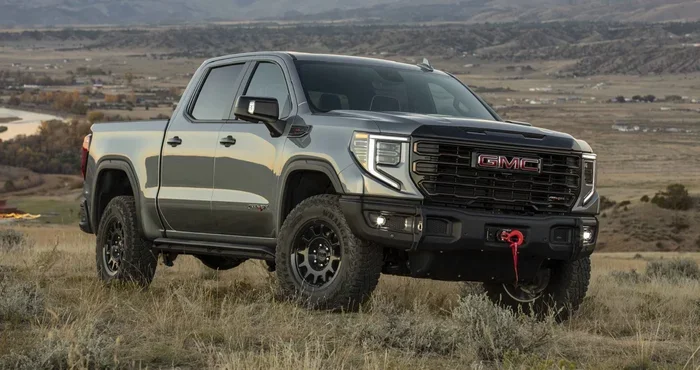
Some vehicles, especially trucks and larger SUVs, use a dedicated DRL module. This is a separate electrical component that controls the running lights independently. It ensures the DRLs work correctly without interfering with the regular headlight circuit.
These systems are more common in commercial and heavy-duty vehicles. They provide consistent performance and are built to handle the electrical demands of larger vehicles. If you drive a truck or van, there is a good chance your DRL system uses a dedicated module.
Do Daytime Running Lights Drain Your Battery?
This is one of the most common concerns among drivers. The short answer is no. Modern DRL systems are designed to use very little energy. The amount of power they draw is tiny compared to what your alternator produces while the engine is running.
LED DRLs, in particular, are extremely efficient. They use a fraction of the wattage that regular headlights consume. Even in vehicles that use low beam DRLs, the power draw is minimal. You can drive for hours with DRLs on without any noticeable impact on your battery or fuel economy.
Older vehicles with halogen DRLs may draw slightly more power. But even then, the impact on your battery drain is negligible during normal driving. If you are worried about battery health, focus on maintaining your battery and charging system rather than worrying about DRLs.
Impact on Bulb Lifespan
Another concern is whether DRLs shorten the life of your headlight bulbs. The answer depends on the type of DRL system your car uses. LED DRLs have an incredibly long lifespan and do not affect your headlight bulbs at all. They operate independently from the main headlight circuit.
For vehicles using low beam headlights as DRLs, there can be a slight increase in bulb usage. However, modern bulbs are designed to handle this. The extra daytime use is unlikely to cause premature failure. If you notice your headlight bulbs burning out frequently, it is worth checking the DRL wiring and voltage rather than blaming the DRL system itself.
How Weather Conditions Affect DRL Performance
Weather plays a big role in how well your daytime visibility works. DRLs are designed to function in all daytime conditions, but their effectiveness can vary depending on the weather. Understanding this helps you stay safer on the road.
Rain, Fog, and Overcast Days
On rainy or foggy days, visibility drops significantly. This is exactly when DRLs are most valuable. Your vehicle stands out more against the gray, washed-out backdrop of a stormy sky. Other drivers can spot you faster, giving them more reaction time.
In heavy fog, DRLs alone may not be enough. Many vehicles have fog lights that work alongside DRLs to improve visibility further. If your car has fog lights, consider using them in dense fog conditions. They cut through the mist better than standard DRLs and help you see the road ahead.
Snow and Winter Driving
Winter driving presents unique challenges. Snow on the ground can create a bright, reflective environment that makes it harder for other drivers to see your vehicle. DRLs help cut through this glare and make your car more noticeable against the white backdrop.
In regions with heavy snowfall, some drivers turn on their low beam headlights even during the day. This is a smart practice. It combines the visibility benefits of DRLs with the extra illumination of full headlights. Just remember to switch back to DRL mode when conditions improve.
Common Mistakes Drivers Make With DRLs
Even though DRLs are simple to use, drivers still make mistakes that reduce their effectiveness. Here are the most common ones to avoid.
Confusing DRLs With Full Headlights
The biggest mistake is assuming DRLs are enough for nighttime driving. They are not. DRLs are designed for daytime use only. When it gets dark, you need to turn on your full headlights to see the road and be seen by others. Relying only on DRLs at night is dangerous and, in many places, illegal.
Ignoring the Dashboard Indicator
Your dashboard has a light that tells you when DRLs are active. Many drivers ignore this symbol and never learn what it means. Taking a moment to understand your dashboard indicator can help you troubleshoot issues and confirm your lighting system is working correctly.
Forgetting to Check Bulbs Regularly
Even though DRLs are low-power, the bulbs or LEDs can still fail. Make it a habit to check your front lights regularly. Ask someone to stand behind your car while you test the lights. This simple check can catch a burned-out DRL before it becomes a safety issue.
Legal Requirements for Daytime Running Lights
The laws around DRLs vary from country to country and even from state to state. In Canada, all new passenger vehicles have been required to have DRLs since 1989. In the European Union, DRLs are mandatory on all new cars sold since 2011.
In the United States, DRLs are not federally mandated for all vehicles. However, most automakers include them as standard equipment anyway. Some states have their own regulations regarding daytime lighting. It is always a good idea to check your local laws to stay compliant and safe.
Even in areas where DRLs are not legally required, using them is a smart choice. They improve road safety for everyone. Think of them as an extra layer of protection that costs you nothing and works automatically.
Expert Tips for Getting the Most From Your DRLs
Want to make sure your daytime running lights are working their best? Here are some practical tips from automotive experts.
- Keep your lights clean: Dirt and grime on the front of your car can dim your DRLs. Wash the headlights and DRL strips regularly for maximum visibility.
- Check for recalls or bulletins: Some vehicle models have known DRL issues. Check with your manufacturer to see if any recalls apply to your car.
- Upgrade to LED if possible: If your older vehicle does not have LED DRLs, consider an aftermarket upgrade. LED DRLs are brighter, more efficient, and last longer.
- Do not tint over DRLs: Aftermarket window tints or covers can block DRL light output. Make sure any modifications do not interfere with your front lighting.
- Pair DRLs with good driving habits: DRLs help, but they do not replace attentive driving. Always use your signals, check mirrors, and stay aware of your surroundings.
Key Takeaways
- DRLs activate automatically: They turn on when your engine starts and are designed to improve visibility during the day.
- They are not the same as headlights: DRLs use low beam or dedicated LEDs and do not replace nighttime headlights.
- Weather and light sensors matter: Many modern cars adjust DRL behavior based on ambient light and weather conditions.
- Battery and bulb life are minimal concerns: Modern DRL systems are energy-efficient and designed for long-term use.
- Legal requirements vary by country: Some regions mandate DRLs, while others leave them optional.
- Dashboard indicators help you monitor status: Learn what your DRL warning light means to stay informed.
- Manual override is sometimes possible: Some vehicles let you turn DRLs off or adjust their behavior.
Conclusion
Understanding when daytime running lights are on is one of the simplest ways to improve your daily driving safety. DRLs work automatically, use very little energy, and make a real difference in helping other drivers see you during the day. Whether you drive through bright sunshine, heavy rain, or overcast winter skies, your DRL system is working hard to keep you visible.
Take a moment to familiarize yourself with your vehicle’s lighting setup. Check your dashboard indicator, review your owner’s manual, and make sure your DRLs are functioning properly. Small actions like these can prevent accidents and save lives. The next time you start your engine and see those lights glow, you will know exactly what they are doing and why they matter.
Stay safe out there, and remember that vehicle safety starts with the little things. Your daytime running lights are always on the job, even when you are not thinking about them. Let them do their work and enjoy the peace of mind that comes with knowing you are doing your part on the road.
Frequently Asked Questions
When do daytime running lights turn on automatically?
In most vehicles, DRLs turn on the moment you start the engine. They activate automatically without any input from the driver. Some cars only turn them on when you begin moving, while others keep them on even when parked.
Can I turn off my daytime running lights?
Some vehicles allow you to turn off DRLs using a switch or setting on the headlight stalk. However, most modern cars do not offer this option. We recommend keeping DRLs on for better daytime visibility and overall road safety.
Do daytime running lights use a lot of electricity?
No, DRLs use very little electricity. LED DRLs are especially efficient and draw minimal power from the electrical system. Even in older vehicles using halogen DRLs, the power consumption is low and will not noticeably affect your battery.
Are daytime running lights the same as low beam headlights?
They are similar but not the same. DRLs are designed to make your vehicle visible to others during the day. Low beam headlights are designed to illuminate the road ahead when it is dark. In some cars, DRLs use the low beam circuit at a reduced brightness.
Do daytime running lights work in fog and rain?
Yes, DRLs remain active in fog, rain, and overcast conditions. They help other drivers see your vehicle more clearly during poor weather. However, in very dense fog, you may also want to turn on your fog lights for added visibility.
Why is my DRL warning light on the dashboard?
A DRL warning light on your dashboard usually means the system is active and working normally. It can also indicate a problem, such as a burned-out bulb or a sensor issue. Check your owner’s manual to identify the specific symbol and take your car to a mechanic if the light stays on unexpectedly.