What to Do If a Keyless Car Wont Start Right Away
A keyless car that won’t start can be caused by a dead key fob battery, a faulty start relay, a locked steering wheel, or a brake sensor problem. Most of these issues have simple fixes you can do at home in under five minutes. This guide walks you through every common reason your keyless car won’t start and gives you step-by-step solutions to get back on the road fast.
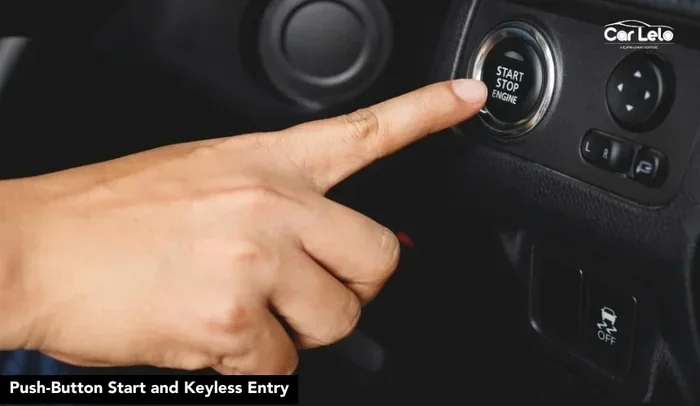
There is nothing more frustrating than standing by your car, pressing the start button, and hearing nothing. You tap the key fob. You check the dashboard. Still, silence. Your keyless car won’t start, and you have somewhere to be. This is a problem more drivers face than you might think.
The good news is that most of the time, the fix is simple and quick. A keyless car won’t start for a handful of common reasons. Dead fob batteries, locked steering wheels, brake sensor issues, and faulty relays top the list. You do not need to be a mechanic to fix most of these problems. You just need to know what to look for.
This guide will walk you through every reason your keyless car won’t start and exactly how to fix it. We will cover quick home fixes, warning signs to watch for, and when to call a professional. By the end, you will have the confidence to handle this problem like a pro. Let us get your car running again.
Key Takeaways
- Dead key fob battery: This is the number one reason a keyless car won’t start. Replacing the battery takes under two minutes.
- Brake pedal must be pressed: Most push button start systems require you to press the brake pedal firmly before the car will turn on.
- Steering wheel lock: A locked steering wheel can prevent the start button from working. Simply wiggle the wheel while pressing the button.
- Faulty start relay: If the relay fails, your car will not crank. This needs a mechanic to replace.
- Emergency mechanical key: Every keyless car has a hidden mechanical key for emergencies. Use it when the fob dies completely.
- Warning signs matter: Dashboard lights and slow cranking are early signals. Catch them early to avoid being stranded.
- Call a pro when needed: Electrical and computer problems need expert diagnosis. Do not guess with complex issues.
📑 Table of Contents
- Common Reasons Your Keyless Car Won’t Start
- Step-by-Step Troubleshooting Guide
- How to Fix a Dead Key Fob Battery
- When the Problem Is the Brake Pedal or Steering Lock
- Warning Signs Your Start System Is Failing
- When to Call a Professional Mechanic
- Comparison: Common Keyless Car Start Problems and Fixes
- Conclusion
Common Reasons Your Keyless Car Won’t Start
A keyless car won’t start for several reasons. Understanding the cause is the first step to fixing it. Here are the most common culprits behind a push button start failure.
Dead Key Fob Battery
This is the top reason a keyless car won’t start. Your key fob uses a small battery to send a signal to the car. When that battery dies, the car cannot detect the fob. The start button will not respond. This happens to almost every keyless car owner at some point. It is annoying but very easy to fix.
Most key fobs use a CR2025 or CR2032 coin battery. These batteries last about two to four years. If your car has a keyless entry system, the fob battery is the first thing to check. You can replace it yourself in under two minutes.
Faulty Start Relay or Ignition Switch
The start relay sends power to the engine when you press the button. If the relay goes bad, your keyless car won’t start even with a working fob. The ignition switch can also wear out over time. This is more common in older vehicles with push button start systems.
A bad relay often causes a clicking sound when you press the start button. If you hear clicking but the engine does not turn over, the relay may be the problem. This is not a DIY fix in most cases. You will need a mechanic to replace it.
Steering Wheel Lock Engagement
Many drivers do not realize this, but the steering wheel lock can block your keyless car from starting. When you turn off the car and turn the wheel slightly, the lock engages. The start button will not work until you release the lock.
This is one of the most common reasons a keyless car won’t start. The fix is simple. Jiggle the steering wheel left and right while pressing the start button. The lock will release, and the car should start normally.
Brake Pedal Sensor Issues
Almost all modern keyless ignition systems require you to press the brake pedal before starting. If the brake pedal sensor is dirty or faulty, the car will not recognize that you are pressing it. Your keyless car won’t start even though everything else is fine.
Try pressing the brake pedal harder than usual. Sometimes a light press is not enough. If that does not work, the sensor itself may need cleaning or replacement. Check your owner’s manual for the exact brake pedal requirement for your car model.
Immobilizer or Anti-Theft System Activation
Your car has an immobilizer system that prevents theft. If the system does not recognize your smart key or transponder key, it will block the engine from starting. This can happen if the fob is near a phone, another key fob, or a metal surface.
Sometimes the immobilizer activates after a battery change or if the fob is damaged. Move the fob closer to the start button or the designated sensor spot in the car. Most vehicles have a specific location for fob placement. Check your manual to find it.
Step-by-Step Troubleshooting Guide
When your keyless car won’t start, follow these steps in order. Each step takes less than two minutes. This will help you narrow down the problem fast.
Step 1: Check the Key Fob Signal
Hold the fob right next to the start button. Some cars have a backup antenna inside the cabin that picks up the fob signal from close range. If the car starts with the fob touching the button, the fob battery is likely dead or weak.
Also check if the fob screen or lights are working. If the fob is completely dead, replace the battery. If the fob looks fine, move to the next step.
Step 2: Try the Emergency Mechanical Key
Every keyless car comes with a hidden mechanical key. This key is stored inside the fob. You can use it to physically unlock the door. Some cars also let you start the engine by inserting the mechanical key into a backup slot.
Look for a small button or latch on the fob. Press it to release the metal key. Try starting the car with the mechanical key if your model supports it. This bypasses the electronic system entirely.
Step 3: Inspect the Battery and Electrical System
Check the dashboard lights when you turn the key to the “On” position. If the lights are dim or do not come on, your car battery may be dead. A dead car battery is different from a dead fob battery, but it causes the same symptom.
Look at the battery terminals for corrosion. White or greenish buildup means the connection is weak. Clean the terminals with a wire brush if you see buildup. If the battery is more than three to five years old, it may need replacement.
Step 4: Reset the Start System
Sometimes the push button start system just needs a reset. Turn the key to the “Off” position. Wait 30 seconds. Turn it to “On” and wait another 10 seconds. Then press the start button while pressing the brake pedal.
This resets the car’s computer and can clear minor glitches. It works like a soft restart for your vehicle’s start system. Many drivers find this simple trick solves their problem every time.
How to Fix a Dead Key Fob Battery
A dead fob battery is the most common reason a keyless car won’t start. The good news is that replacing it is easy and cheap. You can do it yourself without any tools in most cases.
Choosing the Right Replacement Battery
Most key fobs use a CR2025 or CR2032 coin cell battery. Check your owner’s manual or look at the old battery to confirm the size. Buy a quality brand like Energizer or Duracell. Cheap batteries may not last as long and could cause the same problem again soon.
You can find these batteries at any grocery store, gas station, or pharmacy. They cost about three to five dollars. Keep a spare in your home so you are never stuck with a dead fob.
Pairing Your Key Fob After Replacement
In most cars, you do not need to reprogram the fob after a battery change. Simply replace the battery and test the start button. However, some models require a pairing process.
To pair the fob, sit in the car with all doors closed. Press and hold the start button for five seconds. The dashboard should flash, indicating pairing mode. Release the button and press it again within ten seconds. The car should confirm the fob is recognized.
If pairing does not work, consult your owner’s manual. Every car brand has slightly different steps. Some models like Toyota, Honda, and Ford have specific pairing procedures listed in the manual.
When the Problem Is the Brake Pedal or Steering Lock
Two simple mechanical issues cause many keyless car won’t start problems. These are the brake pedal sensor and the steering wheel lock. Both are easy to fix once you know what to look for.
Understanding the Brake Pedal Requirement
Your car’s push button start system has a safety feature. You must press the brake pedal before the engine will start. This prevents the car from rolling forward or backward by accident.
If the brake pedal sensor is dirty or misaligned, the car will not detect that you are pressing it. Try pressing the brake pedal firmly and holding it while pressing the start button. Sometimes a gentle press is not enough. The sensor needs a firm, steady pressure.
If pressing the brake does not work, the sensor itself may need cleaning. Brake dust and dirt can build up around the sensor over time. A quick wipe with a clean cloth can often fix this. If the problem persists, a mechanic can replace the sensor for a relatively low cost.
Releasing a Locked Steering Wheel
The steering wheel lock is a theft deterrent. When you turn off the car and turn the wheel, the lock engages. This is normal and expected. But it can also prevent your keyless car from starting.
To release the lock, gently wiggle the steering wheel left and right with one hand. With your other hand, press the start button. The wheel will unlock with a slight click. Once the lock releases, the car should start normally.
Do not force the steering wheel. You can damage the lock mechanism if you use too much pressure. A gentle wiggle is all it takes. If the wheel feels completely stuck, try turning it slightly in each direction while pressing the button.
Warning Signs Your Start System Is Failing
Your car usually gives you warning signs before the start system completely fails. Catching these signs early can save you from being stranded.
Dashboard Warning Lights to Watch For
Pay attention to any warning lights on your dashboard. A battery light, an engine light, or a key fob icon can signal a problem with your keyless ignition system. These lights are your car’s way of telling you something needs attention.
If you see a key fob icon or a “push button start” warning, the car is telling you the fob signal is weak or not detected. Replace the fob battery immediately. Do not wait until the car refuses to start.
Intermittent Start Problems
If your car starts sometimes but not always, this is a red flag. Intermittent problems often point to a failing relay, a weak fob battery, or a loose electrical connection. These issues get worse over time if you ignore them.
Keep track of when the problem happens. Does it happen more in cold weather? Does it happen after driving for a long time? These details help a mechanic diagnose the issue faster. Write them down if needed.
When to Call a Professional Mechanic
Not every problem with a keyless car won’t start situation can be fixed at home. Knowing when to call for help saves you time and money. Here are the signs that you need professional help.
Signs You Need Expert Help
Call a mechanic if you notice any of these signs:
- The dashboard lights come on but the engine does not crank at all.
- You hear a rapid clicking sound when pressing the start button.
- The car smells like burning plastic or electrical insulation.
- Warning lights stay on even after you turn the car off and on again.
- The start button feels loose or unresponsive every time.
- Your push button start system fails after a recent software update.
These symptoms suggest deeper electrical or computer problems. A mechanic has the tools and training to diagnose these issues safely. Trying to fix them yourself can cause more damage.
Preventive Maintenance Tips
You can prevent many keyless car won’t start problems with simple maintenance. Here are the best tips to keep your keyless ignition system working reliably:
- Replace your key fob battery every two to three years. Do not wait until it dies completely.
- Keep your car battery clean and check it annually. Replace it every four to five years.
- Store your fob away from phones and other electronic devices. This prevents signal interference.
- Do not press the start button repeatedly if the car does not respond. Wait at least 10 seconds between attempts.
- Keep the brake pedal area clean. Wipe it down regularly to prevent dust buildup.
- Read your owner’s manual. It has specific troubleshooting steps for your exact car model.
Regular maintenance keeps your keyless car running smoothly. It also extends the life of your start system components. A little prevention goes a long way toward avoiding being stranded.
Comparison: Common Keyless Car Start Problems and Fixes
| Problem | Symptom | Fix | Difficulty |
|---|---|---|---|
| Dead Key Fob Battery | No response when pressing start button | Replace fob battery with CR2025 or CR2032 | Easy |
| Brake Pedal Not Pressed | Start button does nothing | Press brake pedal firmly and try again | Easy |
| Steering Wheel Lock | Car will not start, wheel is stiff | Wiggle wheel while pressing start button | Easy |
| Faulty Start Relay | Clicking sound, no engine cranking | Mechanic replaces the relay | Medium |
| Immobilizer Activation | Dashboard key light stays on | Move fob closer to start button sensor | Easy |
| Dead Car Battery | Dim dashboard lights, no cranking | Jump start or replace car battery | Medium |
This table shows the most common reasons a keyless car won’t start and how hard each fix is. Most problems are easy to solve at home. The more complex issues like a faulty relay or dead car battery may need a professional.
Conclusion
A keyless car won’t start situation is almost always fixable. The most common causes are a dead fob battery, an unpressed brake pedal, or a locked steering wheel. These are problems you can solve in minutes without any special tools.
More serious issues like a faulty relay or a dead car battery need professional attention. But even those are manageable when you know what to look for. The key is to stay calm and work through the troubleshooting steps in order.
Keep a spare fob battery in your glove box. Know where your emergency mechanical key is stored. And pay attention to the warning signs your car gives you. These simple habits will save you time, money, and a lot of stress. Your keyless car is designed to make your life easier. With the right knowledge, keeping it running is just as easy.
Now you know exactly what to do when your keyless car won’t start right away. The next time it happens, you will not panic. You will follow the steps, fix the problem, and get back on the road with confidence.
Frequently Asked Questions
Why does my keyless car not start even though the fob battery is new?
The problem might be with the brake pedal sensor or the steering wheel lock. Try pressing the brake pedal firmly and wiggling the steering wheel while pressing the start button. If that does not work, the issue could be a faulty start relay or a problem with the car’s computer system. Check the dashboard for any warning lights that might give you a clue.
Can a dead car battery cause a keyless car not to start?
Yes, absolutely. A dead car battery is different from a dead fob battery, but both prevent the car from starting. If your dashboard lights are dim or do not come on at all, the car battery is likely the problem. You can try jump-starting the car or replacing the battery if it is old.
How do I know if my key fob battery is dying?
Signs of a dying key fob battery include a weak signal, the car not detecting the fob from a distance, and the need to hold the fob very close to the start button. Some cars also show a warning light on the dashboard. Replacing the battery as soon as you notice these signs will prevent you from getting stranded.
What should I do if my push button start car clicks but does not crank?
A clicking sound usually means the start relay is engaging but the engine is not turning over. This could be caused by a dead car battery, a faulty starter motor, or a bad connection. Check the car battery first. If the battery is fine, you will likely need a mechanic to inspect the starter motor and relay.
Is it safe to drive with a keyless car that has intermittent start problems?
It is not recommended. Intermittent start problems can worsen over time and leave you stranded unexpectedly. The issue could be a failing relay, a weak fob battery, or an electrical problem. Have the car checked by a mechanic as soon as possible to avoid being stuck in an unsafe location.
How much does it cost to fix a keyless car that won’t start?
The cost depends on the cause. Replacing a fob battery costs about three to five dollars. Fixing a brake pedal sensor or steering lock is usually under a hundred dollars. Replacing a start relay or car battery can cost between one hundred and three hundred dollars. Complex electrical or computer issues may cost more. Getting a proper diagnosis first is always the best approach.