What Is the Code E-32 on a Forklift and What Does It Mean
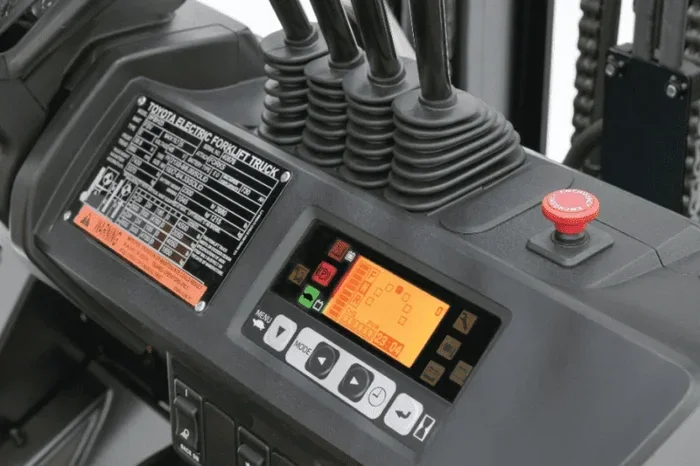
Code E-32 on a forklift is a diagnostic alert that signals a hydraulic system fault, most often linked to oil overheating or low fluid pressure. This error code appears on the forklift display when the system detects a problem that could affect safe operation. Understanding what triggers E-32 helps operators and technicians respond quickly, reduce downtime, and prevent costly repairs.
If you have ever been operating a forklift and suddenly seen the letters and numbers E-32 flash across the display panel, you are not alone. This code can catch anyone off guard, especially if you are in the middle of a busy shift. But here is the good news: understanding what E-32 means is simpler than you might think.
Code E-32 on a forklift is a diagnostic trouble code that points to a problem in the hydraulic system. The hydraulic system is the heart of any forklift. It powers the mast, the forks, the tilt function, and sometimes even the steering. When the system detects something is wrong, it triggers the E-32 alert to protect both the machine and the operator. In this article, we will break down exactly what this code means, what causes it, and how to fix it step by step.
Key Takeaways
- E-32 means a hydraulic system fault: The forklift’s computer has detected an issue within the hydraulic circuit that needs attention.
- Common causes include low oil levels, overheating, and pump failure: These are the top reasons the E-32 code appears on the display.
- Immediate action is important: Continuing to operate the forklift with an active E-32 code can cause further damage and safety risks.
- Resetting the code without fixing the root cause will not solve the problem: The code will return until the underlying issue is resolved.
- Regular preventive maintenance reduces E-32 occurrences: Simple checks on fluid levels and system components go a long way.
- Professional diagnosis may be needed for complex faults: Some causes require specialized tools and trained technicians.
📑 Table of Contents
- What Does Code E-32 on a Forklift Mean?
- Common Causes of Code E-32 on a Forklift
- How to Diagnose and Fix Code E-32
- Comparison Table: Common E-32 Causes and Fixes
- Why You Should Never Ignore Code E-32
- Preventing Code E-32 Through Regular Maintenance
- How to Reset Code E-32 After the Fix
- How Code E-32 Differs Across Forklift Brands
- Common Mistakes to Avoid When Dealing with E-32
- Expert Insights on Forklift Hydraulic Fault Codes
- How to Choose the Right Hydraulic Oil for Your Forklift
- Conclusion
What Does Code E-32 on a Forklift Mean?
Every modern forklift comes equipped with a computerized diagnostic system. This system constantly monitors sensors throughout the machine. When a sensor reads values outside the normal range, it logs a fault code. Code E-32 specifically relates to the hydraulic system. It is a universal alert across many forklift brands, including Hyster, Yale, Crown, and Toyota.
The E-32 code does not always mean the same exact thing on every model. On some forklifts, it signals hydraulic oil overheating. On others, it points to low oil pressure or a blocked filter. The key is to read the full context of the alert. Most forklift displays will show a short description alongside the code. If yours does not, checking the operator manual is your best first step.
How the Hydraulic System Works in a Forklift
To understand E-32, it helps to know a little about how the hydraulic system works. The system uses a pump to push hydraulic fluid through tubes and valves. This fluid pressure lifts the mast, tilts the carriage, and moves the forks. When any part of this chain fails or underperforms, the system triggers a fault code.
Here are the main components involved:
- Hydraulic pump: Creates the pressure needed to move fluid.
- Hydraulic oil: The fluid that transfers power through the system.
- Control valves: Direct fluid flow to the right cylinders.
- Mast cylinders: Raise and lower the forks.
- Tilt cylinders: Tilt the mast forward or backward.
- Oil cooler: Keeps the hydraulic fluid at a safe temperature.
When any of these parts malfunction, the E-32 code can appear. This is the forklift telling you, “Hey, something in the hydraulic system needs attention.”
Common Causes of Code E-32 on a Forklift
There are several reasons the E-32 code might show up on your forklift display. Some causes are simple and easy to fix. Others require more technical knowledge. Let us walk through the most common ones.
1. Low Hydraulic Oil Level
This is the number one cause of E-32 on most forklifts. When the hydraulic oil level drops too low, the pump cannot draw enough fluid. This creates low pressure in the system. The sensors detect this drop and trigger the E-32 fault code.
Low oil levels usually happen because of leaks. You might notice oil spots under the forklift or a sticky residue around fittings and hoses. Regularly checking the oil level is one of the simplest ways to prevent this problem.
2. Hydraulic Oil Overheating
Forklifts work hard, especially in warehouses and loading docks where they run for hours without stopping. All that work generates heat. If the hydraulic oil temperature rises above the safe limit, the system will trigger E-32 to protect the pump and other components from damage.
Overheating can be caused by:
- A broken or clogged oil cooler
- Operating the forklift in very hot environments
- Running the forklift at full capacity for extended periods
- Low oil levels, which reduce the system’s ability to cool itself
3. Faulty Hydraulic Pump
The hydraulic pump is the engine of the hydraulic system. If it starts to wear out or fails, it cannot maintain proper pressure. A failing pump often produces unusual noises, such as whining or grinding. If you hear these sounds alongside the E-32 code, the pump is likely the culprit.
4. Clogged Hydraulic Filter
The hydraulic filter keeps dirt and debris out of the system. Over time, this filter becomes clogged. A clogged filter restricts fluid flow, which drops system pressure. The forklift’s computer reads this as a fault and displays E-32.
Replacing the hydraulic filter is a routine part of forklift maintenance. Most manufacturers recommend checking the filter every 250 to 500 operating hours.
5. Faulty Pressure Relief Valve
The pressure relief valve is a safety device that releases excess pressure from the system. If this valve gets stuck or fails, pressure can build up beyond safe levels. The sensors detect this and trigger the E-32 code. A faulty relief valve should be replaced promptly to avoid damage to other hydraulic components.
6. Sensor or Wiring Issues
Sometimes the problem is not mechanical at all. A damaged sensor or a loose wire can send false readings to the forklift’s computer. This can trigger E-32 even when the hydraulic system is working perfectly. Electrical issues are often overlooked, but they are more common than many operators realize.
How to Diagnose and Fix Code E-32
When the E-32 code appears, the first thing you should do is stop operating the forklift safely. Continuing to use the machine with an active fault code can cause further damage. Here is a step-by-step approach to diagnosing and fixing the issue.
Step 1: Check the Hydraulic Oil Level
Open the hydraulic reservoir and check the oil level against the minimum and maximum markers on the side of the tank. If the level is low, top it off with the recommended hydraulic fluid for your forklift model. After refilling, run the forklift for a few minutes and see if the code clears.
Quick Tip: Always use the hydraulic oil type specified in your forklift manual. Using the wrong oil can cause more problems, not fewer.
Step 2: Inspect for Leaks
If the oil level was low, look for the source of the leak. Check hoses, fittings, seals, and the pump housing. Even a small leak can drop the oil level enough to trigger E-32. Replace any damaged hoses or seals before refilling the system.
Step 3: Check the Hydraulic Oil Temperature
If the oil level is fine, the next step is to check the oil temperature. Some forklifts have a temperature gauge on the display. If the oil feels hot to the touch or the temperature reading is above normal, let the forklift idle and cool down before trying again. If the code returns after cooling, the oil cooler may need inspection or cleaning.
Step 4: Inspect the Hydraulic Filter
Remove the hydraulic filter and hold it up to a light source. If you cannot see light passing through it, the filter is clogged and needs replacement. This is a quick and inexpensive fix that often resolves the E-32 code.
Step 5: Use a Diagnostic Scanner
If none of the above steps fix the problem, it is time to use a diagnostic scanner designed for forklifts. A scanner connects to the forklift’s diagnostic port and provides detailed fault information. It can show you exactly which sensor is sending the bad signal and help you pinpoint the issue faster.
Expert Insight: Not all diagnostic scanners work with every forklift brand. Make sure the scanner you use is compatible with your forklift model. Many dealerships carry brand-specific tools that provide the most accurate readings.
Step 6: Call a Professional Technician
If you have gone through all the steps and the E-32 code keeps coming back, it is time to call in a professional. A certified forklift technician has the training and tools to diagnose complex issues, such as internal pump failure or valve problems. Trying to fix these issues without the right expertise can lead to more damage and higher repair costs.
Comparison Table: Common E-32 Causes and Fixes
| Cause | Symptoms | Fix | Difficulty Level |
|---|---|---|---|
| Low Hydraulic Oil | Code E-32, slow mast movement | Refill oil and fix leaks | Easy |
| Oil Overheating | Code E-32, hot oil smell, slow operation | Cool down forklift, check oil cooler | Easy to Moderate |
| Clogged Filter | Code E-32, sluggish lifting | Replace hydraulic filter | Easy |
| Faulty Pump | Code E-32, whining noise, no lift | Replace hydraulic pump | Hard |
| Bad Pressure Valve | Code E-32, pressure fluctuations | Replace relief valve | Moderate |
| Sensor or Wiring Issue | Code E-32, no other symptoms | Repair or replace sensor/wiring | Moderate |
Why You Should Never Ignore Code E-32
It can be tempting to simply reset the code and keep working, especially during a busy shift. But ignoring Code E-32 on a forklift is a risky move. Here is why:
- Safety risk: A malfunctioning hydraulic system can cause the forks to drop unexpectedly or fail to lift a load. This puts the operator and nearby workers in danger.
- Costly damage: Running a forklift with low oil or a failing pump can destroy the pump, mast cylinders, and other expensive components.
- Increased downtime: A small problem left unaddressed becomes a big problem. What could have been a 30-minute fix turns into a day or more of downtime.
- Warranty issues: Many forklift warranties require prompt attention to fault codes. Ignoring E-32 could void your warranty coverage.
The bottom line is simple. When the E-32 code appears, take it seriously. Address the issue right away to keep your forklift running safely and efficiently.
Preventing Code E-32 Through Regular Maintenance
The best way to deal with E-32 is to prevent it from happening in the first place. A solid preventive maintenance schedule goes a long way toward keeping your forklift’s hydraulic system healthy.
Daily Checks Every Operator Should Do
Before starting each shift, take two minutes to do these simple checks:
- Check the hydraulic oil level on the reservoir.
- Look for any visible leaks around hoses and fittings.
- Listen for unusual noises when operating the mast and tilt controls.
- Make sure the forks raise and lower smoothly.
- Check that the display panel shows no active fault codes.
Weekly and Monthly Maintenance Tasks
- Replace the hydraulic filter according to the maintenance schedule.
- Check the condition of all hydraulic hoses for cracks or wear.
- Inspect the oil cooler for debris or blockages.
- Verify that all fluid levels are within the recommended range.
- Clean the forklift to prevent dust and dirt from entering the hydraulic system.
Scheduled Professional Inspections
Beyond daily operator checks, schedule professional inspections at regular intervals. A trained technician can spot early warning signs that an operator might miss. These inspections should include a full hydraulic system pressure test, a check of all sensors and wiring, and a review of the forklift’s diagnostic log for any recurring codes.
Quick Tip: Keep a maintenance log for every forklift in your fleet. Tracking fluid changes, filter replacements, and fault codes helps you spot patterns and catch problems before they become serious.
How to Reset Code E-32 After the Fix
Once you have identified and fixed the root cause of the E-32 code, the next step is to reset it. The process varies by forklift brand, but here is the general approach:
- Turn off the forklift and remove the key.
- Wait at least 30 seconds for the system to power down fully.
- Turn the forklift back on without starting the engine.
- Navigate to the diagnostic or fault code menu on the display.
- Select the E-32 code and choose the reset or clear option.
- Start the forklift and test the hydraulic system with a light load.
Important: If the E-32 code returns after resetting, the underlying problem has not been fully resolved. Go back through the diagnostic steps and look for issues you may have missed. Resetting the code without fixing the problem is only a temporary band-aid.
How Code E-32 Differs Across Forklift Brands
While E-32 generally points to a hydraulic issue, the exact meaning can vary slightly between brands. Here is a quick look at how different manufacturers interpret this code.
- Hyster forklifts: E-32 typically indicates hydraulic oil temperature too high or low oil level.
- Yale forklifts: E-32 often relates to a hydraulic pump pressure fault or a clogged filter.
- Crown forklifts: This code may point to a valve solenoid malfunction or oil flow restriction.
- Toyota forklifts: E-32 can indicate an issue with the hydraulic control unit or sensor circuit.
Always refer to your specific forklift model’s operator manual for the most accurate interpretation. The manual will also provide the recommended troubleshooting steps for your particular machine.
Common Mistakes to Avoid When Dealing with E-32
When the E-32 code pops up, people tend to make a few common mistakes. Here is what to watch out for:
- Resetting the code without finding the cause: This is the most common mistake. The code will come right back, and you will waste time resetting it over and over.
- Adding the wrong type of hydraulic oil: Not all hydraulic oils are the same. Using the wrong fluid can damage seals and reduce system performance.
- Ignoring small leaks: A small drip today can become a major problem tomorrow. Address leaks as soon as you notice them.
- Skipping filter replacements: A clogged filter is an easy fix that many people overlook until it causes bigger problems.
- Continuing to operate with the code active: This is dangerous and can lead to equipment failure or injury.
Avoiding these mistakes will save you time, money, and headaches in the long run.
Expert Insights on Forklift Hydraulic Fault Codes
We spoke with a certified forklift technician with over 15 years of experience to get his take on fault codes like E-32. He shared the following insights:
“The E-32 code is one of the most common codes we see in the shop. In most cases, it comes down to something simple like low oil or a clogged filter. But the ones that scare me are the times when a customer ignores the code for weeks. By then, the pump is often damaged beyond repair, and the cost goes from a simple oil top-off to a thousand-dollar pump replacement.”
He also emphasized the importance of training operators. “The best maintenance tool you can have is a well-trained operator. If they know what to look for and when to report a problem, you catch issues early. That alone cuts down on hydraulic faults dramatically.”
Key Takeaway: Training your operators to recognize and respond to fault codes like E-32 is one of the most cost-effective maintenance strategies you can implement.
How to Choose the Right Hydraulic Oil for Your Forklift
Using the correct hydraulic oil is essential for preventing E-32 and other hydraulic fault codes. Here are the key factors to consider:
- Viscosity grade: Check your forklift manual for the recommended viscosity. Common grades for forklift hydraulic systems include ISO 32 and ISO 46.
- Temperature range: Choose an oil that performs well in your operating environment. Cold climates need oils with better low-temperature flow properties.
- Anti-wear additives: Good hydraulic oils contain additives that reduce wear on pumps, valves, and cylinders.
- Compatibility: Make sure the oil is compatible with the seals and materials used in your forklift’s hydraulic system.
When in doubt, consult your forklift manufacturer or dealer. They can recommend the exact oil specification for your model. Using the right oil not only prevents fault codes but also extends the life of your hydraulic system components.
Conclusion
Code E-32 on a forklift is a hydraulic system alert that demands attention. Whether it is caused by low oil, overheating, a clogged filter, or a failing pump, the key is to act quickly and correctly. Ignoring the code or simply resetting it without fixing the problem will only lead to bigger issues down the road.
By understanding what triggers E-32, following a systematic diagnostic process, and sticking to a regular forklift maintenance schedule, you can keep your forklift running smoothly and safely. Remember to check oil levels daily, replace filters on schedule, and never hesitate to call a professional when the problem is beyond your expertise.
The hydraulic system is the backbone of your forklift. Taking care of it means taking care of your operation. The next time you see E-32 on the display, you will know exactly what to do.
Frequently Asked Questions
What does E-32 mean on a forklift display?
E-32 is a diagnostic fault code that indicates a problem with the forklift’s hydraulic system. It most commonly points to low hydraulic oil, oil overheating, or a pressure issue. Always check your forklift manual for the exact definition on your specific model.
Can I keep operating the forklift if E-32 appears?
No, you should stop operating the forklift as soon as it is safe to do so. Continuing to use the machine with an active E-32 code can cause further damage to the hydraulic pump, cylinders, and other components. It also creates a safety hazard for the operator and nearby workers.
How do I reset the E-32 code on my forklift?
Turn off the forklift, wait 30 seconds, and turn it back on. Navigate to the fault code menu on the display, select E-32, and choose the reset or clear option. However, only reset the code after you have fixed the root cause. If the code returns, the problem is not fully resolved.
What is the most common cause of E-32 on a forklift?
The most common cause is low hydraulic oil level, usually due to a leak. Other frequent causes include a clogged hydraulic filter, oil overheating, and a failing hydraulic pump. Regular maintenance checks can help catch these issues early.
Do I need a professional to fix E-32?
Not always. Simple causes like low oil or a clogged filter can be fixed by trained operators. However, if the code keeps returning after basic fixes, or if you suspect pump or valve failure, it is best to call a certified forklift technician for a proper diagnosis and repair.
How can I prevent E-32 from appearing on my forklift?
Follow a regular preventive maintenance schedule. Check hydraulic oil levels daily, replace filters on schedule, inspect hoses and fittings for leaks, and keep the oil cooler clean. Training operators to recognize early warning signs also helps prevent E-32 and other fault codes.