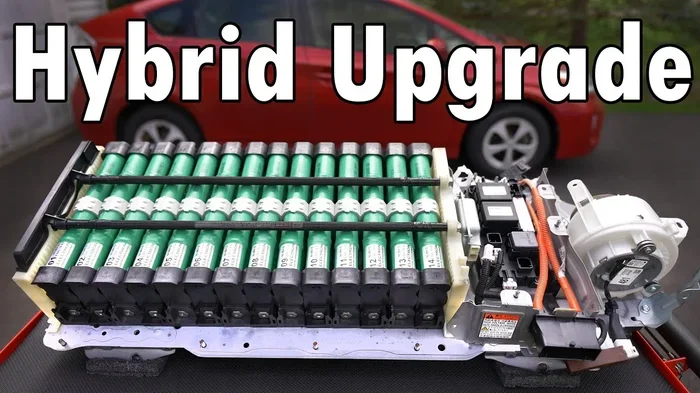
What Causes Hybrid Batteries to Fail and How to Prevent It
What Causes Hybrid Batteries to Fail? is an essential topic that provides valuable insights.
Hybrid batteries are the heart of every hybrid vehicle, and when they fail, it can be a costly and frustrating experience. Understanding what causes hybrid batteries to fail is the first step toward protecting your investment and avoiding unexpected breakdowns. In this guide, we will walk you through the most common reasons hybrid battery packs degrade, the warning signs to watch for, and practical steps you can take to extend your battery life. Whether you drive a Toyota Prius, a Ford Escape Hybrid, or any other hybrid vehicle, this article will give you the knowledge you need to keep your hybrid battery healthy and strong.
Hybrid battery failure does not happen overnight. It is usually the result of gradual wear, poor maintenance habits, or environmental factors that slowly chip away at battery performance over time. By learning what damages your battery and how to prevent it, you can save hundreds or even thousands of dollars in battery replacement cost and keep your car running smoothly for many more miles.
Key Takeaways
- Cell imbalance is the leading hidden cause: When individual modules weaken, the entire battery pack suffers, reducing performance and fuel economy.
- Extreme temperatures are battery killers: Both excessive heat and freezing cold accelerate battery degradation and shorten battery life expectancy.
- Driving habits matter enormously: Aggressive driving, short trips, and ignoring regenerative braking all put unnecessary stress on your hybrid battery.
- Prevention is far cheaper than replacement: Regular maintenance, monitoring battery health, and keeping the cooling system working can save thousands of dollars.
- Know the warning signs early: Drop in fuel economy, dashboard lights, and loss of electric-only mode are clear signals that your battery needs attention.
- Warranty coverage can help: Many hybrid battery warranty plans cover replacement for 8 years or 100,000 miles, so check your policy before paying out of pocket.
- Quality parts make a difference: Always choose OEM or high-quality replacement battery modules to avoid introducing new problems into your battery pack.
📑 Table of Contents
Understanding Hybrid Battery Basics
Before we dive into the causes of failure, it helps to understand how a hybrid battery works. Unlike a regular car battery that simply starts your engine, a hybrid battery pack powers the electric motor, stores energy from regenerative braking, and works alongside the gasoline engine to maximize fuel efficiency.
Most hybrid vehicles use either nickel-metal hydride (NiMH) or lithium-ion battery technology. Both types consist of many small battery modules connected together inside a single battery pack. When even one module starts to weaken, it can affect the performance of the entire pack. This is why battery degradation is such a serious concern for hybrid owners.
The battery management system (BMS) plays a critical role in monitoring each cell’s voltage, temperature, and charge level. When the BMS detects a problem, it often triggers warning lights on your dashboard. Understanding this basic setup will help you see why certain factors cause so much damage over time.
Top Causes of Hybrid Battery Failure
Several factors contribute to hybrid battery failure. Some are within your control, while others are simply part of the aging process. Let us look at the most common culprits.
Cell Imbalance and Module Degradation
Over time, individual battery modules inside the pack begin to lose their ability to hold a full charge. This creates what experts call cell imbalance. When one or more modules fall behind, the battery management system forces the weaker cells to work harder, which speeds up wear across the entire pack.
Cell imbalance often develops slowly. You may not notice any change in performance for months or even years. But once it accelerates, you will start seeing a drop in fuel economy and electric-only driving range.
Deep Discharge and Overcharging
Letting your hybrid battery drain completely is one of the fastest ways to cause permanent damage. Deep discharge stresses the internal chemistry of the cells and can lead to irreversible capacity loss. Similarly, overcharging forces excess current through the cells, which generates heat and accelerates battery degradation.
Most modern hybrids have built-in protections against these issues. However, if your battery management system malfunctions or if you frequently run your car on very low charge, the risk increases significantly.
Age and Mileage Wear
Like all batteries, hybrid batteries have a finite lifespan. Most hybrid car battery packs are designed to last between 100,000 and 150,000 miles under normal conditions. As the miles add up, the internal plates corrode, the electrolyte breaks down, and overall capacity drops. This is a natural process, but poor maintenance can make it happen much faster.
Manufacturing Defects
In some cases, hybrid battery failure is not your fault at all. Manufacturing defects, such as faulty welds between cells or inconsistent electrode coating, can cause premature failure. Automakers have issued recalls and extended battery warranty coverage in certain cases when defects were identified across large production batches.
How Driving Habits Affect Battery Life
The way you drive your hybrid has a direct impact on how long your battery pack lasts. Good driving habits can add years of life, while bad habits can shorten it dramatically.
Aggressive Driving and Hard Acceleration
Flooring the accelerator constantly puts a heavy load on the electric motor and the hybrid battery. This generates excess heat and forces the cells to discharge rapidly. Over time, this kind of stress wears out the internal components much faster than gentle, steady driving would.
Try to accelerate smoothly and maintain a consistent speed on the highway. Your battery health will thank you for it.
Ignoring Regenerative Braking
Regenerative braking is one of the greatest advantages of a hybrid vehicle. It captures energy during deceleration and sends it back to the battery pack for later use. When you brake too aggressively or too frequently, the system does not have enough time to properly recharge the cells, which leads to incomplete charge cycles and gradual capacity loss.
Short Trips and Frequent Start-Stop Cycles
Taking very short trips repeatedly can prevent your hybrid battery from reaching its optimal charge level. The battery never fully charges or discharges, which creates a partial state of charge that is actually harmful over long periods. This is especially true for older vehicles with nickel-metal hydride packs.
Quick Tips for Better Driving Habits
- Accelerate gently and avoid jackrabbit starts.
- Use cruise control on highways to maintain steady speeds.
- Coast to decelerate when possible to maximize regenerative braking efficiency.
- Take longer drives periodically to allow the battery to reach full charge.
- Avoid leaving your car idle for long periods with the electrical systems running.
Environmental Factors That Damage Hybrid Batteries
Where and how you park your hybrid matters more than most people realize. Environmental conditions can silently destroy your battery pack over time.
Extreme Heat
Heat is the number one enemy of any battery. High temperatures speed up chemical reactions inside the cells, which leads to faster battery degradation. In hot climates, the battery cooling system works overtime, and if that system fails, the results can be devastating. Studies show that repeated exposure to temperatures above 104°F (40°C) can reduce battery life expectancy by up to 30%.
Always try to park in the shade or a garage during hot weather. If your battery cooling system is not working properly, get it checked immediately.
Extreme Cold
Cold weather does not damage batteries the same way heat does, but it still causes problems. Low temperatures reduce the chemical activity inside the cells, which means the battery delivers less power and takes longer to charge. In freezing conditions, you may notice your hybrid vehicle struggling to start or losing electric-only mode.
In extremely cold climates, using a battery blanket or parking in a heated garage can help maintain optimal battery health during winter months.
Humidity and Moisture Exposure
Excessive moisture can seep into the battery pack housing and cause corrosion on the terminals and internal connections. This is especially common in coastal areas or regions with heavy rainfall. Corroded connections increase resistance and reduce the efficiency of energy flow between the modules.
How to Prevent Hybrid Battery Failure
The good news is that you can take real steps to protect your hybrid battery and significantly extend its lifespan. Prevention is always cheaper than replacement.
Follow the Manufacturer Maintenance Schedule
Your hybrid vehicle comes with a recommended maintenance schedule. Sticking to it ensures that your battery management system is regularly checked and calibrated. Most manufacturers include a battery health check as part of routine service visits.
Monitor Your Battery Health Regularly
Use an OBD-II scanner or your vehicle’s built-in diagnostics to monitor battery health indicators. Watch for warning signs like reduced electric-only range, decreased fuel economy, or dashboard warning lights. Catching problems early gives you time to address them before they become expensive repairs.
Keep the Cooling System in Good Shape
The battery cooling system is specifically designed to maintain the right temperature for your hybrid battery pack. Check the coolant levels regularly and have the system inspected at every service interval. A failing cooling fan or clogged radiator can cause the battery to overheat, leading to permanent damage.
Avoid Fully Depleting the Battery
Try to keep your hybrid battery charge level between 20% and 80% whenever possible. This range puts the least stress on the cells and helps maintain long-term capacity. Avoid leaving your car sitting for weeks with a very low charge, as this can lead to deep discharge damage.
Choose Quality Replacement Parts
If you do need a repair or module replacement, always choose quality parts that match or exceed OEM specifications. Cheap aftermarket battery modules may save money upfront but can introduce new problems and further cell imbalance into the pack.
Expert Insights on Battery Longevity
According to hybrid vehicle specialists, the average hybrid car battery lasts well beyond the warranty period when properly maintained. Many owners report battery life expectancy of 150,000 to 200,000 miles or more. The key is consistent care, smart driving habits, and paying attention to early warning signs before they turn into major problems.
Industry experts also recommend keeping a log of your fuel economy over time. A sudden drop in miles per gallon is often one of the earliest indicators that your hybrid battery is starting to degrade and may need attention.
Common Mistakes That Shorten Battery Life
Even well-meaning hybrid owners can make mistakes that quietly damage their battery pack. Here are the most common ones to avoid.
- Ignoring warning lights on the dashboard. If the check engine light or hybrid system warning appears, get it diagnosed immediately.
- Skipping routine maintenance checks. Regular service catches small problems before they become big expenses.
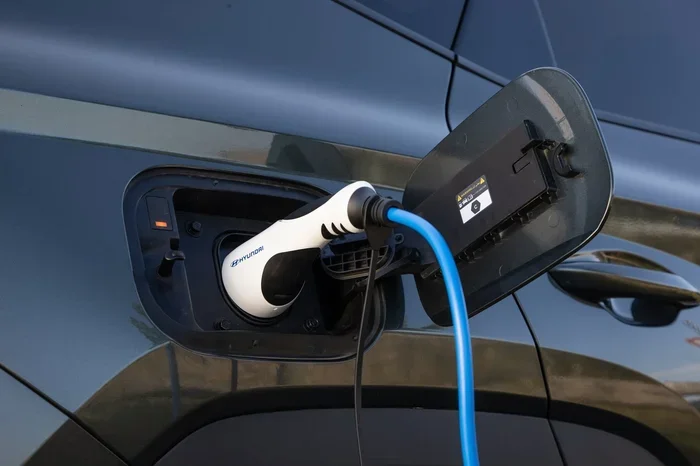
- Using the wrong type of charger for plug-in hybrid models. Always use the charger recommended by the manufacturer.
- Driving only on short trips without ever allowing the battery to fully cycle. This creates a condition called “battery fatigue.”
- Neglecting the cooling system. Overheating is the silent killer of hybrid batteries.
- Waiting too long to address issues. The longer you ignore a problem, the more damage it causes to surrounding modules.
When to Replace Your Hybrid Battery
Even with the best care, every hybrid battery will eventually need replacement. Knowing when that time comes can save you from being stranded and from spending money on unnecessary repairs.
Signs that your hybrid battery may need replacement include a significant drop in fuel economy, frequent use of the gasoline engine even at low speeds, the vehicle going into “limp mode,” or visible swelling or leaking of the battery housing. If you notice any of these symptoms, have a qualified technician perform a full battery health assessment as soon as possible.
The average battery replacement cost ranges from $2,000 to $8,000 depending on the vehicle make and model. However, many hybrid battery warranty plans cover replacement for up to 8 years or 100,000 miles, so check your warranty before assuming the full cost is yours to bear.
Conclusion
Hybrid batteries are durable, reliable power sources that can last well over a decade with proper care. The main causes of hybrid battery failure include cell imbalance, deep discharge, extreme temperatures, aggressive driving, and neglected maintenance. By understanding these risks and taking proactive steps, you can protect your investment and enjoy a smooth, efficient driving experience for many years to come.
Remember, prevention is always easier and cheaper than repair. Monitor your battery health, follow your maintenance schedule, drive with care, and keep your cooling system in top shape. Your hybrid battery will reward you with better fuel economy, lower emissions, and fewer unexpected trips to the repair shop.
Take charge of your hybrid battery health today. The small efforts you put in now will pay off with a longer-lasting, more reliable vehicle tomorrow.
Frequently Asked Questions
How long do hybrid batteries typically last?
Most hybrid batteries are designed to last between 100,000 and 150,000 miles, though many last well beyond that with proper maintenance. Driving habits, climate, and regular care all play a role in determining your specific battery life expectancy. Keeping up with scheduled maintenance is the best way to maximize your battery’s lifespan.
What are the first signs of hybrid battery failure?
Early warning signs include a noticeable drop in fuel economy, reduced electric-only driving range, dashboard warning lights, and the vehicle switching to gasoline mode more frequently. If you observe any of these symptoms, have your hybrid battery checked by a qualified technician right away. Catching the problem early can prevent more expensive damage to the battery pack.
Can extreme weather really damage a hybrid battery?
Yes, both extreme heat and extreme cold can negatively affect your hybrid battery. High temperatures accelerate internal chemical reactions and speed up battery degradation, while cold temperatures reduce power output and charging efficiency. Parking in a temperature-controlled garage and using a battery blanket in winter can help protect your pack.
Is it worth replacing a failed hybrid battery?
In most cases, yes. A new battery pack can restore your vehicle’s fuel efficiency and performance to near-new levels. Many hybrid battery warranty plans cover replacement costs, and refurbished battery options are also available at a lower price point. Weigh the cost of replacement against the value and reliability it brings back to your vehicle.
Does regenerative braking really help extend battery life?
Absolutely. Regenerative braking captures energy during deceleration and feeds it back to the battery pack. This reduces the strain on the battery during normal driving and helps maintain a healthy charge cycle. Smooth, gradual braking is especially effective at maximizing the benefits of regenerative charging.
How can I prevent my hybrid battery from degrading too quickly?
Follow the manufacturer’s maintenance schedule, avoid fully draining the battery, keep the cooling system functioning properly, and drive with smooth acceleration and braking habits. Regularly monitoring your battery health through diagnostics and addressing issues early are also key strategies. These simple habits can add many years of reliable service from your hybrid battery.
=== KEY TAKEAWAYS ===
Key Takeaways
- Cell imbalance is the leading hidden cause: When individual modules weaken, the entire battery pack suffers, reducing performance and fuel economy.
- Extreme temperatures are battery killers: Both excessive heat and freezing cold accelerate battery degradation and shorten battery life expectancy.
- Driving habits matter enormously: Aggressive driving, short trips, and ignoring regenerative braking all put unnecessary stress on your hybrid battery.
- Prevention is far cheaper than replacement: Regular maintenance, monitoring battery health, and keeping the cooling system working can save thousands of dollars.
- Know the warning signs early: Drop in fuel economy, dashboard lights, and loss of electric-only mode are clear signals that your battery needs attention.
- Warranty coverage can help: Many hybrid battery warranty plans cover replacement for 8 years or 100,000 miles, so check your policy before paying out of pocket.
- Quality parts make a difference: Always choose OEM or high-quality replacement battery modules to avoid introducing new problems into your battery pack.