What Car Holds Value the Longest and Why You Should Care
So, what car holds value the longest? Trucks, SUVs, and certain sedans from brands like Toyota, Honda, and Jeep top the charts. These vehicles resist depreciation thanks to strong demand, proven reliability, and low ownership costs. Understanding why some cars retain value helps you make smarter buying decisions and save thousands of dollars over time.
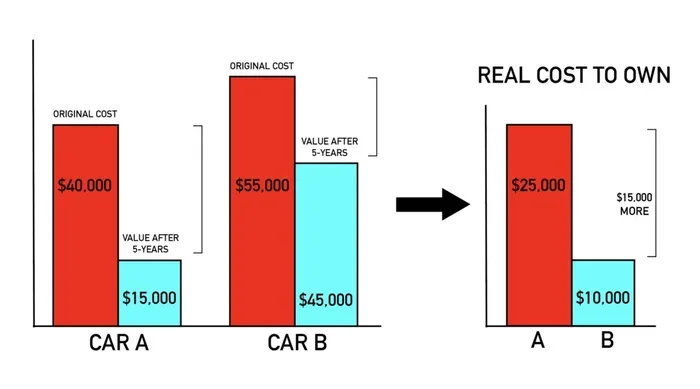
You just bought a shiny new car. It smells amazing. The dealer made you feel like a king. Fast forward three years. You want to sell it. And then the numbers hit you. Your car lost thousands of dollars in value. Ouch.
This is the ugly truth about car ownership. Most vehicles lose value fast. But some cars? They fight the trend. They hold their worth year after year. So what car holds value the longest? That is exactly what we are going to explore today.
Understanding car depreciation can save you serious money. Whether you are buying new or used, knowing which vehicles resist value loss helps you make smarter choices. Let us break it all down in a way that actually makes sense.
Key Takeaways
- Trucks and SUVs dominate value retention: Models like the Toyota Tacoma and Jeep Wrangler lose value the slowest.
- Brand reputation matters enormously: Toyota and Honda consistently rank as the most reliable brands with the best resale value.
- Depreciation is the hidden cost of car ownership: The average new car loses about 20-30% of its value in the first year alone.
- Buying used saves serious money: A three-year-old vehicle with strong resale history can save you thousands.
- Maintenance and condition affect value: Keeping up with service records and avoiding damage preserves resale worth.
- Demand drives depreciation rates: Popular models with limited supply hold value better than oversaturated segments.
- Fuel efficiency and reliability boost long-term value: Cars that cost less to run and break down less retain more value over time.
📑 Table of Contents
- Why Do Some Cars Hold Their Value Better Than Others?
- Top Cars That Hold Value the Longest
- The Role of Brand Reputation in Resale Value
- How to Spot a Car That Will Retain Value
- Common Mistakes That Kill Your Car’s Value
- Expert Tips to Maximize Your Vehicle’s Resale Value
- How Depreciation Rates Compare Across Vehicle Types
- The Future of Car Value Retention
- Final Thoughts on What Car Holds Value the Longest
Why Do Some Cars Hold Their Value Better Than Others?
Not all cars are created equal when it comes to resale value. Some vehicles drop like a rock. Others stay strong for years. So what makes the difference? Several key factors play a role.
Supply and Demand
Simple economics drives this. When a car is popular but hard to find, it holds value. Think about the Toyota Tacoma. It has been on many “best of” lists for over a decade. Dealers sell them quickly. Buyers compete for them. This demand keeps prices high, even for used models.
On the other hand, cars that flood the market lose value fast. Too many options mean too little scarcity. Scarcity creates value. This is why limited production vehicles and cult favorites often retain value better than mass-market sedans.
Reliability and Reputation
Buyers trust certain brands. When a car brand has a reputation for lasting 200,000 miles, people pay more for it used. Toyota reliability and Honda resale power are well-documented. These brands spend years building trust with consumers.
When you buy a used car from a trusted brand, buyers feel confident. They know the car will not fall apart. That confidence translates directly into higher resale prices. Vehicle longevity is a huge factor in value retention.
Fuel Efficiency and Running Costs
Cars that cost less to own tend to hold value better. Fuel efficient cars save owners money every month. Low maintenance costs add up to big savings over time. When total cost of ownership stays low, more buyers want the vehicle secondhand.
Hybrid and electric vehicles are starting to show strong value retention too. As fuel prices rise, efficient cars become more attractive. This trend is only expected to grow.
Top Cars That Hold Value the Longest
Now let us get to the good stuff. Which specific models top the best cars for resale lists? Here are some standout performers across different categories.
Trucks That Refuse to Depreciate
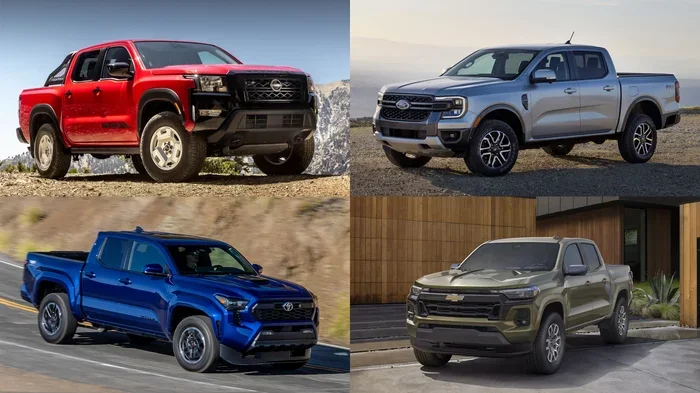
Trucks are kings of value retention. The Toyota Tacoma regularly loses less than 30% of its value over five years. Compare that to many other trucks that lose 40% or more.
The Ford F-Series also performs well. The Ford Ranger holds value nicely too. These trucks are built for work. They are built tough. And buyers know it. Truck resale value remains strong because businesses and individuals depend on them daily.
SUVs That Keep Their Worth
SUVs have become the most popular vehicle type in America. And some SUVs hold value incredibly well. The Jeep Wrangler is a legend here. It has one of the lowest depreciation rates in the entire market.
The Toyota 4Runner is another strong performer. It barely loses value in the first three years. The Subaru Outback and Honda CR-V also rank high among SUV value retention leaders. These vehicles appeal to families, adventurers, and daily commuters alike.
Sedans with Staying Power
Sedans generally depreciate faster than trucks and SUVs. But some models buck the trend. The Toyota Camry holds value better than most sedans. The Honda Accord does the same. These cars offer a perfect blend of reliability, comfort, and efficiency.
Even the Mazda MX-5 Miata surprises people with strong value retention. It is a fun, affordable sports car that does not tank in resale. Small wonders do exist in the used car market.
The Role of Brand Reputation in Resale Value
Brand reputation is not just marketing fluff. It directly impacts how much your car is worth later. Some brands consistently produce vehicles that buyers trust. Others struggle to convince used car shoppers.
Toyota and Honda lead the pack in car buying tips for value-conscious shoppers. Their vehicles consistently rank high in reliability studies. Consumer Reports and J.D. Power give them top marks year after year.
Jeep has carved out a loyal following. The Wrangler and Grand Cherokee hold value remarkably well. Ford trucks also benefit from a strong brand image. Buyers associate these names with durability and capability.
On the flip side, some luxury brands suffer from steep depreciation. European sports cars often lose 50% or more of their value within five years. This is something to consider if luxury car depreciation concerns you.
What Makes a Brand “Value-Friendly”?
- Proven track record: Brands with decades of reliability data win trust.
- Wide dealer network: Easy service and parts access boost resale confidence.
- Strong used car demand: Popular brands create competition among buyers.
- Low cost of repairs: Affordable maintenance keeps total ownership costs down.
- Consistent quality: Brands that rarely have major issues retain value better.
How to Spot a Car That Will Retain Value
Buying a car that holds value is not just luck. You can research and make informed decisions. Here are practical ways to identify strong retain value candidates before you buy.
Check Depreciation Reports
Websites like Kelley Blue Book and Edmunds publish annual vehicle depreciation rate data. These reports show exactly how much different models lose value each year. Use this information before you sign any paperwork.
Look for cars that lose less than 15% in the first year. That is a strong sign of good value retention. Cars losing more than 25% in year one should raise a red flag.
Research Real-World Pricing
Check used listings for the model you are considering. Compare prices across different years. If older models hold their price well, that is a great indicator. Wide price gaps between years suggest fast depreciation.
Also look at how quickly used listings sell. If cars linger on dealer lots for months, demand is weak. Weak demand means faster value loss for you.
Consider Certified Pre-Owned Options
Certified pre-owned vehicles offer extra peace of mind. These cars undergo rigorous inspections. They often come with extended warranties. This certification adds value for future buyers too.
A CPO vehicle typically holds more value than a regular used car. The warranty and inspection history give buyers confidence. It is a smart middle ground between new and used.
Look for Popular Colors and Trim Levels
Details matter more than you think. Neutral colors like white, black, and silver sell faster. Popular trim levels attract more buyers. Avoid overly niche options that limit your future buyer pool.
These small choices can make a meaningful difference when it is time to sell. Car ownership cost savings start before you even drive off the lot.
Common Mistakes That Kill Your Car’s Value
Even the best vehicles lose value faster when owners make avoidable mistakes. Here are the most common pitfalls to steer clear of.
Skipping Regular Maintenance
Ignoring oil changes and scheduled service is a costly mistake. Future buyers will check service records. Gaps in maintenance history lower perceived value. Keep every receipt and log every service.
A well-documented maintenance history can add hundreds or even thousands to your resale price. It shows you cared for the vehicle properly.
Ignoring Small Damage
That small dent on the door? That crack in the windshield? They matter more than you think. Body damage signals neglect to potential buyers. Fix small issues before selling to maximize your return.
Interior wear is another value killer. Torn seats, stained carpets, and broken electronics reduce appeal. Keep the interior clean and in good condition at all times.
Modifying Too Much
Aftermarket modifications are fun but risky. Custom wheels, loud exhausts, and lowered suspensions narrow your buyer pool. Most resale buyers want stock or near-stock vehicles.
If you do modify, keep original parts. You can reinstall them before selling. This simple step preserves value significantly.
Putting Too Many Miles on the Clock
High mileage cars depreciate faster. Try to keep annual mileage under 10,000 to 12,000 miles. The less wear and tear, the more value you retain.
Cars with clean, low-mileage histories command premium prices. If you must drive a lot, choose a vehicle known for durability.
Expert Tips to Maximize Your Vehicle’s Resale Value
Want to get the most money back when you sell? Follow these proven strategies from automotive experts and seasoned car owners.
Buy Vehicles with Strong Depreciation Curves
Not all depreciation is linear. Some cars drop fast in year one and then flatten out. Others decline slowly and steadily. Research the depreciation curve for your target model before buying.
The sweet spot for value-conscious buyers is often a two-to-three-year-old vehicle. You avoid the steepest depreciation hit while still getting modern features and warranty coverage.
Keep the Car Clean Inside and Out
First impressions matter enormously when selling. A freshly detailed car photographs better. It feels more appealing to buyers. A professional detail can cost $100 to $200 but return hundreds in added value.
Wash and wax regularly. Vacuum the interior weekly. Address spills immediately. These small habits compound into big value preservation over time.
Time Your Sale Strategically
Seasonality affects car prices. Convertibles sell best in spring and summer. Trucks and SUVs sell well year-round but peak in fall. Sell when demand is highest for your specific vehicle type.
Avoid selling in January or February. Inventory floods the market after the holidays. Prices drop. Patience can earn you hundreds of extra dollars.
Gather Every Document
Organize your ownership documents before selling. Include the title, service records, maintenance receipts, and any warranty information. Buyers feel more confident with a complete paper trail.
This is especially important for strong resale cars. Documentation proves the vehicle was cared for properly. It removes buyer hesitation and supports your asking price.
How Depreciation Rates Compare Across Vehicle Types
Different vehicle types depreciate at very different rates. Understanding these patterns helps you choose wisely. Here is a general comparison of how various categories lose value over five years.
| Vehicle Type | Avg. 5-Year Depreciation | Best Value Retention |
|---|---|---|
| Full-Size Truck | 35-45% | Toyota Tacoma, Ford F-150 |
| Compact SUV | 40-50% | Honda CR-V, Toyota RAV4 |
| Midsize Sedan | 45-55% | Toyota Camry, Honda Accord |
| Sports Car | 50-65% | Mazda MX-5 Miata |
| Luxury Sedan | 55-70% | Lexus ES, Genesis G80 |
| Compact Car | 50-60% | Honda Civic, Toyota Corolla |
As you can see, trucks and SUVs generally lose value slower than sedans and sports cars. This is why many savvy buyers now prefer trucks and SUVs for long-term ownership. The low depreciation cars category favors utility and practicality over style and speed.
Keep in mind that these are averages. Individual models can vary significantly. Always research the specific vehicle you are considering. A well-chosen model can outperform the average by a wide margin.
The Future of Car Value Retention
The automotive landscape is changing fast. Electric vehicles are gaining market share. New technologies are reshaping what buyers value. What does this mean for car depreciation in the coming years?
Electric vehicles currently face some of the steepest depreciation. Battery replacement concerns and rapid technology changes create uncertainty. However, as charging infrastructure improves and batteries last longer, EV value retention should improve.
Hybrid vehicles are currently showing strong value retention. They offer the best of both worlds. You get fuel savings without the range anxiety of full EVs. The Toyota Prius and Honda Accord Hybrid are examples of hybrids holding value well.
One thing is certain. Cars that offer proven reliability, low ownership costs, and strong demand will always retain value better. The fundamentals of value retention do not change with technology shifts.
Focus on the basics. Buy reliable brands. Choose popular models. Maintain the vehicle properly. These timeless principles will serve you well no matter what type of car you drive.
Final Thoughts on What Car Holds Value the Longest
The answer to what car holds value the longest is not a single model. It is a combination of factors. Brand reputation, vehicle type, reliability, and market demand all play a role.
Trucks like the Toyota Tacoma and Ford F-Series lead the pack. SUVs like the Jeep Wrangler and Toyota 4Runner follow closely. Even some sedans like the Honda Accord and Toyota Camry surprise with strong value retention.
The key takeaway is simple. Do your research before you buy. Choose vehicles known for low depreciation. Maintain them properly. And when selling time comes, you will be rewarded with a better price.
Smart car buying is about more than the sticker price. It is about understanding total cost of ownership and future resale potential. A slightly more expensive car that holds value better can actually save you money in the long run.
So the next time you are shopping for a vehicle, think beyond the initial price tag. Think about what your car will be worth in five years. That mindset shift could save you thousands of dollars over your driving lifetime.
Choose wisely. Buy smart. And let your car work for you, even after you are done driving it.
Frequently Asked Questions
Which car brand holds its value the longest?
Toyota consistently ranks as the brand with the best overall value retention. Honda and Jeep also perform exceptionally well. These brands build vehicles that buyers trust for long-term ownership, which keeps resale prices high.
What type of vehicle retains value the best?
Trucks and SUVs generally retain value better than sedans and coupes. The Toyota Tacoma, Jeep Wrangler, and Ford F-Series are standout examples. Utility and demand drive their strong resale performance.
How much does a car depreciate in the first year?
Most new cars lose between 20% and 30% of their value in the first year. However, vehicles with strong value retention may lose as little as 10% to 15%. Choosing a model with a slow depreciation curve makes a big difference.
Is it better to buy new or used to avoid depreciation?
Buying used is the smartest way to avoid the steepest depreciation. A three-year-old vehicle has already lost its fastest-depreciating years. You get a nearly new car at a significantly lower price.
Do electric vehicles hold their value well?
Currently, most electric vehicles depreciate faster than gas-powered cars. Battery concerns and evolving technology create uncertainty. However, some models like the Tesla Model 3 are showing improving value retention as the market matures.
How can I increase my car’s resale value?
Keep up with regular maintenance and save all records. Fix small damages promptly. Keep the interior and exterior clean. Avoid excessive modifications. These simple steps preserve and even boost your vehicle’s resale worth over time.