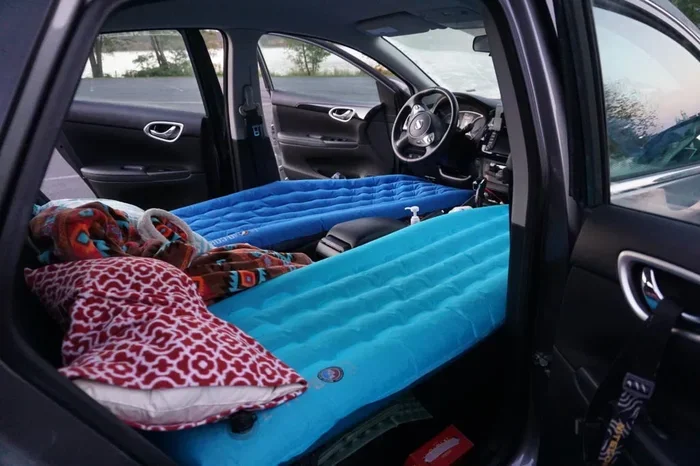
Can I Sleep in My Car at a Campsite Is This Allowed
Can I sleep in my car at a campsite? Yes, in most cases it is allowed, but the answer depends on the specific campground, local laws, and campsite policies. Car camping overnight is a popular choice for budget travelers, road trippers, and outdoor enthusiasts who want a flexible and affordable way to enjoy nature. This guide covers the rules, safety tips, legal considerations, and practical advice you need to know before you park and sleep.
Can I sleep in my car at a campsite? This is one of the most common questions among outdoor enthusiasts, budget travelers, and road trippers alike. The short answer is yes, but the full answer requires a closer look at the specific campground, local laws, and campsite policies that apply. Sleeping in your car at a campsite can be a safe, legal, and comfortable option when you know the guidelines and plan ahead. Different campgrounds have different rules, and what works at one location may not be allowed at another.
Whether you are a seasoned car camper or someone exploring the idea for the first time, understanding the basics of overnight camping in your vehicle is essential. You will learn about camping regulations, how to stay safe, which types of campgrounds work best, and the common mistakes that can ruin a good night rest. Let us dive into the details so you can hit the road with confidence.
Key Takeaways
- Car camping at campsites is generally allowed: Most campgrounds permit vehicle sleeping, but always check the specific rules first.
- Rules vary by location: National parks, state parks, and private campgrounds all have different policies for sleeping in vehicles.
- Safety comes first: Proper ventilation, secure parking, and weather awareness are essential for a safe overnight stay.
- Know your local laws: Some areas have restrictions on overnight parking and sleeping in vehicles, even at designated campsites.
- The right gear makes a big difference: A good sleeping setup, blackout curtains, and cooling or heating options can transform your car into a comfortable sleeper.
- Respect campsite etiquette: Follow quiet hours, keep your site clean, and be considerate of other campers.
📑 Table of Contents
- Is It Legal to Sleep in Your Car at a Campsite?
- Understanding Campsite Rules and Regulations
- Safety Tips for Sleeping in Your Car at a Campsite
- Best Campsite Types for Car Sleeping
- Common Mistakes to Avoid When Sleeping in Your Car
- Expert Tips for a Comfortable Car Sleep Experience
- Quick Tips for Car Campers
- Conclusion
Is It Legal to Sleep in Your Car at a Campsite?
The camping legality of sleeping in your car at a campsite depends on several factors. These include the type of campground, the state or country you are in, and the specific rules set by the land management agency. In general, many campgrounds do allow vehicle sleeping as long as you follow their guidelines. However, the rules are not always the same from one place to the next.
Before you decide to sleep in vehicle at any campsite, it is important to research the local laws and the campground’s specific policies. Some areas have clear rules posted at the entrance, while others may require you to ask the ranger or camp host directly. Ignorance of the rules is not an excuse, and getting caught in violation can lead to fines or being asked to leave.
Federal and State Camping Laws
At the federal level, there is no single law that governs whether you can sleep in vehicle at a campsite. Instead, each federal agency sets its own rules. For example, the National Park Service, the Forest Service, and the Bureau of Land Management all have their own camping regulations that address overnight parking and vehicle sleeping.
State laws also play a role. Some states have specific statutes about sleeping in vehicles in public areas. Other states leave it up to local jurisdictions. This means that the answer to “can I sleep in my car at a campsite” can vary not just from state to state but from county to county. Always check the rules for the specific area you plan to visit before you arrive.
Private vs Public Campgrounds
Private campgrounds and public campgrounds often have very different rules when it comes to vehicle sleeping. Public campgrounds run by federal or state agencies typically have posted rules about overnight parking and sleep in vehicle policies. These rules are usually listed in the campground’s brochure or on their website.
Private campgrounds, on the other hand, set their own campground policies. Some welcome car camping and even cater to RV camping enthusiasts. Others may restrict or prohibit sleeping in vehicles altogether. When booking a site at a private campground, always read the terms and conditions or call ahead to confirm their overnight parking rules.
Understanding Campsite Rules and Regulations
Understanding campsite rules is one of the most important steps in planning a successful overnight camping trip. The rules can seem overwhelming at first, but they are usually designed to keep campers safe and protect the natural environment. Taking the time to learn these rules before you arrive can save you from headaches later.
Most campgrounds have a set of camping regulations that cover everything from quiet hours to fire rules. When it comes to vehicle sleeping, the key rules typically address where you can park, how long you can stay, and whether overnight parking is permitted. Some campgrounds also have specific rules about RV camping and car camping that differ from tent-only sites.
National Park Campsite Policies
National park camping is incredibly popular, and many visitors wonder if they can sleep in their car at a national park campsite. The answer is usually yes, but with conditions. Most national parks have designated campsite rules that address vehicle sleeping. These rules are posted at the entrance station and are also available on the park’s website.
For example, some national parks allow car camping only in designated campsites and not in parking lots or pull-off areas. Others may restrict the size of vehicles that can park in certain campsites. If you are planning a trip to a national park, always review the park’s camping regulations before you go. This is especially true for national park camping during peak season when sites fill up quickly and competition for spots is fierce.
State Park and Forest Rules
State parks and national forests often have their own set of camping regulations that differ from federal lands. State parks may allow vehicle sleeping in designated campsites but prohibit it in day-use areas or parking lots. Some state parks also have specific rules about overnight parking and the number of nights you can stay in one spot.
National forests often permit dispersed camping, which means you can camp outside of designated campsites. In these areas, sleep in vehicle is generally allowed as long as you follow the forest service rules. However, some national forests have restrictions on how long you can stay in one spot, typically limiting it to 14 days within a 30-day period. Always check with the local ranger station for the most up-to-date information.
Private Campground Guidelines
When it comes to private campground guidelines, the rules are set by the campground owner or management company. Some private campgrounds are very welcoming to car camping and RV camping and offer full hookups, shower facilities, and other amenities. Others may have restrictions on vehicle sleeping or require you to book a specific type of site.
Before you book, it is a good idea to read reviews from other car campers who have stayed at the campground. This can give you real-world insight into how strictly the campground policies are enforced. You can also call the campground directly to ask about their rules for overnight parking and sleep in vehicle options. Being upfront saves everyone time and frustration.
Safety Tips for Sleeping in Your Car at a Campsite
Camping safety should always be your top priority, especially when you are sleeping in a vehicle. While car camping can be a great experience, it comes with unique risks that you need to manage. Taking the right precautions can help you sleep soundly and wake up safely every morning.
Whether you are a first-time car camper or a seasoned road tripper, these safety tips will help you avoid common problems and stay comfortable throughout the night. Let us look at the three most important areas of camping safety for vehicle sleeping.
Ventilation and Air Quality
One of the most important aspects of camping safety is ventilation. When you sleep in vehicle with the windows closed, the air inside can become stale quickly. This is especially true if there are multiple people in the car or if you are running the heater or air conditioner. Stale air can lead to drowsiness, headaches, and in worst-case scenarios, dangerous fume buildup.
Always crack a window slightly on each side of the car to allow for airflow. This helps prevent condensation buildup and reduces the risk of condensation on the windows. If you are using a heater or generator, make sure the exhaust is directed away from the vehicle and that fumes cannot enter the cabin. Carbon monoxide poisoning is a real risk when sleeping in a car, so never run an engine or fuel-burning device in an enclosed space without proper ventilation.
Security Precautions
Camping security is another key concern when you are sleeping in your car at a campsite. While most campgrounds are safe and friendly, it is still smart to take precautions. Park in well-lit areas if possible, and lock all doors and windows before you go to sleep.
Keep valuables out of sight or store them in a locked trunk. If you are camping in an unfamiliar area, it is a good idea to let someone know where you are staying and what time you plan to arrive. Some car campers also invest in a small security camera or motion-sensor light to add an extra layer of camping safety. These small steps can give you peace of mind and help you rest easy through the night.
Weather Considerations
Weather can change quickly, especially when you are camping outdoors. Before you plan to sleep in vehicle at a campsite, check the weather forecast for the area. Extreme heat or cold can make vehicle sleeping uncomfortable or even dangerous if you are not prepared.
In hot weather, park in the shade if possible and crack windows for airflow. In cold weather, use warm sleeping bags and consider insulating the windows with blankets or car camping curtains. Always have a plan for severe weather, such as a thunderstorm or sudden temperature drop, and know the nearest shelter options at the campsite. Being prepared for weather changes is one of the best car camping tips you can follow.
Best Campsite Types for Car Sleeping
Not all campgrounds are created equal when it comes to vehicle sleeping. Some campgrounds are specifically designed for car camping and RV camping, while others are better suited for tents only. Choosing the right type of campsite can make a huge difference in your comfort and overall experience.
Here are the three main types of campgrounds where sleep in vehicle is most common and generally allowed. Each has its own advantages and considerations, so pick the one that best fits your needs and travel style.
| Campsite Type | Vehicle Sleeping Allowed? | Best For | Key Consideration |
|---|---|---|---|
| Developed Campgrounds | Yes, in designated sites | Families and beginners | Check posted rules for each site |
| Dispersed Camping Areas | Usually yes | Experienced boondocking fans | No amenities; be self-sufficient |
| Truck Stops and Rest Areas | Varies by location | Road trippers and short stays | Time limits and local ordinances apply |
Developed Campgrounds
Developed campgrounds are the most common type of campsite and are found in national parks, state parks, and private campgrounds. These campgrounds typically have designated parking spots for each campsite, restrooms, picnic tables, and fire rings. Vehicle sleeping is usually allowed in these areas as long as you are staying in a designated campsite.
Developed campgrounds offer a good balance of convenience and camping comfort. You usually have access to water, restrooms, and sometimes even showers. The campsite rules are clearly posted, making it easy to know what is and is not allowed. For first-time car campers, developed campgrounds are often the best choice because they provide a structured and well-maintained environment that makes the transition from home to outdoors much easier.
Dispersed Camping Areas
Dispersed camping allows you to camp outside of designated campgrounds, often on public lands managed by the Bureau of Land Management or national forests. This type of overnight camping is popular among boondocking enthusiasts and those who want a more rustic and private experience away from crowded campgrounds.
In dispersed camping areas, sleep in vehicle is generally allowed as long as you follow the land management agency rules. There are usually no amenities like water or restrooms, so you need to be self-sufficient. Dry camping and boondocking go hand in hand with dispersed camping, and both require you to bring your own water, waste disposal solutions, and power source if needed. This type of roadside camping appeals to those who value solitude and independence.
Truck Stops and Rest Areas
Truck stops and highway rest areas are another option for overnight parking and vehicle sleeping. Many truck stops welcome overnight guests and offer amenities like restrooms, vending machines, and sometimes even showers. Some rest areas allow overnight parking, while others have time limits or prohibit overnight stays entirely.
Before you park at a truck stop or rest area, always check the posted signs for rules and regulations. Some states have specific laws about how long you can park at rest areas, and others may require you to move your vehicle after a certain number of hours. This is a good option for roadside camping during a long road trip, but it is not a substitute for a proper campsite experience with nature and community.
Common Mistakes to Avoid When Sleeping in Your Car
Even experienced car campers can make mistakes that turn a great trip into a stressful experience. Knowing what to avoid can help you have a smoother and more enjoyable overnight camping trip. Here are the most common mistakes people make when they sleep in vehicle at a campsite, and how to avoid them.
Leaving the Engine Running
One of the biggest mistakes is leaving the engine running overnight to power the heater or air conditioner. This is dangerous for several reasons. First, it wastes fuel and can drain your car battery. Second, it creates exhaust fumes that can leak into the cabin, putting you at risk of carbon monoxide poisoning. Third, many campgrounds prohibit running engines overnight as part of their camping regulations.
Instead, invest in a portable heater or cooler that does not require the engine to run. Battery-powered or propane options are popular among car campers who want to stay warm or cool without the risks associated with a running engine. A good car sleeper setup will keep you comfortable without these dangers. Always prioritize camping safety over convenience when it comes to your vehicle’s engine.
Ignoring Local Ordinances
Another common mistake is assuming that what is allowed at one campsite is allowed everywhere. Local ordinances can vary widely, and some towns or counties have specific rules about sleeping in vehicles in public areas. Even if a campsite allows vehicle sleeping, the surrounding area may have restrictions that apply to your overnight parking.
Always do your research before you arrive. Check the campground website, read the posted rules, and if you are unsure, ask a ranger or camp host. Ignorance of local camping regulations can lead to fines, being asked to leave, or worse, a dangerous situation if you are parked in an area that is not meant for overnight stays. A quick phone call or online search can save you a lot of trouble.
Poor Ventilation Choices
Many people make the mistake of sealing up their car completely to stay warm or keep bugs out. While this may seem like a good idea, it can lead to poor air quality and condensation buildup inside the vehicle. Stale air and excess moisture can make for an uncomfortable and unhealthy sleeping environment that ruins your rest.
Always ensure you have adequate airflow when you sleep in vehicle at a campsite. Crack windows on opposite sides of the car to create cross-ventilation. Use a small fan if needed to keep air moving. This simple step can make a huge difference in your camping comfort and overall experience. It is one of the easiest car camping tips to follow and one of the most impactful.
Expert Tips for a Comfortable Car Sleep Experience
Car camping does not have to be uncomfortable. With the right gear and a bit of planning, you can turn your vehicle into a cozy car sleeper that rivals a tent or even a hotel room. These expert tips will help you get the most out of your overnight camping experience and ensure you wake up feeling rested and ready for the day ahead.
Essential Gear for Car Camping
The right gear can transform your car camping experience from miserable to memorable. Here are the essential items every car camper should have:
- A quality sleeping pad or air mattress: This provides insulation from the cold ground and adds cushioning for a comfortable night rest.
- A warm sleeping bag rated for the expected temperatures: Choose a bag that matches the climate you will be camping in.
- Blackout curtains or window covers: These block out morning light and add privacy, making your car sleeper feel more like a real bedroom.
- A portable fan or heater: Depending on the season, these can help regulate the temperature inside your vehicle.
- A portable power bank or solar panel: This keeps your phone and other devices charged without draining your car battery.
- A small LED lantern or headlamp: This helps you move around the campsite safely at night without disturbing other campers.
Investing in a few key pieces of gear goes a long way toward camping comfort and makes car camping tips like these much more effective. You do not need to spend a fortune, but a few well-chosen items can make all the difference between a restless night and a deep, restorative sleep.
Making the Most of Limited Space
Space is always limited when you sleep in vehicle at a campsite, but with a bit of creativity, you can maximize every inch. Recline the front seats as far as they go to create a flat sleeping surface. Use storage organizers to keep your gear tidy and out of the way. Roll up blankets and use them as pillows or extra insulation.
Consider the layout of your vehicle before you go. SUVs and vans with fold-flat seats are ideal for car camping because they offer the most flat sleeping space. Sedans and compact cars can work too, but you may need to get creative with your sleeping arrangement. RV camping veterans often recommend practicing your setup at home before your trip so you know exactly what works and what does not.
Another great car camping tip is to bring a small folding table or tray that can serve as a nightstand or dining surface. This adds a touch of camping comfort that makes the experience feel more like home. Small touches like these can turn a simple overnight camping trip into something you will look forward to again and again. The goal is to create a space that feels inviting and restful, even inside a vehicle.
Quick Tips for Car Campers
- Always check campsite rules before you arrive. Policies can change seasonally and vary between sites.
- Practice your setup at home before your trip to identify any issues with space or comfort.
- Keep a trash bag in your car to leave no trace and respect camping etiquette.
- Pack earplugs and an eye mask for better sleep in shared or noisy campgrounds.
- Bring a backup power source like a portable battery or solar panel for your devices.
- Respect quiet hours at the campground, usually between 10 PM and 6 AM.
- Store food properly to avoid attracting wildlife to your vehicle sleeping area.
Conclusion
Can I sleep in my car at a campsite? Yes, in most cases you can, and it can be a wonderful way to experience the outdoors. Whether you are car camping at a national park, boondocking in a national forest, or parking at a truck stop on a long road trip, the key is to know the rules and plan ahead.
Always check the campsite rules and camping regulations before you arrive. Prioritize camping safety by ensuring proper ventilation, secure parking, and weather-appropriate gear. Choose the right type of campsite for your needs, and invest in a few essential pieces of gear to boost your camping comfort. By following these car camping tips and respecting camping etiquette, you can enjoy a safe, legal, and comfortable overnight camping experience in your vehicle.
The world of car camping is wide open, and sleeping in your car at a campsite is a skill that gets easier and more enjoyable with practice. So go ahead, plan your next trip, and make the most of every mile on the road. Your next great adventure might just start from the driver’s seat.
Frequently Asked Questions
Is it illegal to sleep in my car at a campsite?
In most cases, it is not illegal to sleep in your car at a campsite as long as the campground allows it. However, local laws and campground policies vary, so always check the specific rules before you arrive. Some areas may have restrictions on overnight parking or vehicle sleeping in certain zones.
Can you sleep in your car at a national park campsite?
Yes, most national parks allow car camping and vehicle sleeping in designated campsites. However, each park has its own campsite rules and camping regulations that you must follow. Always review the park’s policies on their website or at the entrance station before you set up your car sleeper for the night.
What are the best cars for sleeping at campsites?
SUVs, vans, and trucks with fold-flat seating are the best options for car camping because they offer the most flat sleeping space. Compact cars can work too, but space is more limited. The key is to find a vehicle where you can comfortably lie down and store your gear easily for a good night of overnight camping.
Do you need a permit to sleep in your car at a campsite?
Most developed campgrounds do not require a separate permit for vehicle sleeping as long as you have a valid campsite reservation or fee. However, some areas, especially those offering dispersed camping or boondocking, may require a permit or have stay limits. Always check with the local land management agency before you go.
Is it safe to sleep in your car at night?
Yes, it is generally safe to sleep in vehicle at a campsite when you take proper precautions. Ensure good ventilation, lock all doors and windows, park in well-lit areas, and keep valuables out of sight. Being aware of your surroundings and following camping safety guidelines will help you have a secure and restful night.
Can you sleep in your car at a campsite in cold weather?
Yes, but cold weather requires extra preparation for camping comfort and safety. Use a warm sleeping bag rated for low temperatures, insulate your windows with blankets or curtains, and crack windows slightly for ventilation. Never run the engine for heat due to the risk of carbon monoxide. A good car camping setup can keep you warm and safe even in freezing conditions.