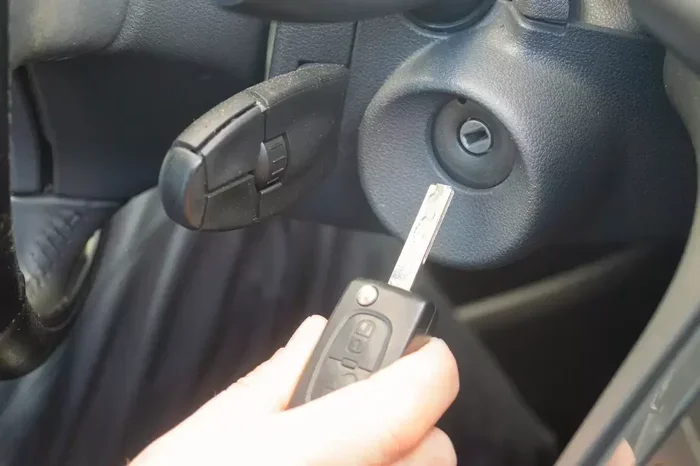
Key Wont Turn in Car: What to Do and How to Fix It
A key that won’t turn in your car is a frustrating but common problem. Whether it’s a steering wheel lock, a worn key, or a stuck ignition switch, there are several simple fixes you can try at home. This guide walks you through every possible cause and solution so you can get back on the road quickly and safely.
You turn the key in the ignition, and nothing happens. The key won’t turn in car, and suddenly your morning commute turns into a stressful event. You’re standing in the driveway or the parking lot, running late, and your car just won’t cooperate.
This happens to millions of drivers every year. The good news is that most causes are simple and fixable. Whether it’s a steering wheel lock, a worn key, or a gear shift issue, you can often solve the problem in minutes. Let’s walk through everything you need to know about a key that won’t turn in your car, from quick DIY fixes to when you need a professional.
Understanding why your ignition is stuck helps you choose the right fix. We’ll cover every common cause, give you step-by-step solutions, and share tips to prevent this headache in the future. By the end, you’ll know exactly what to do when your key won’t turn in car again.
Key Takeaways
- Steering wheel lock is the #1 cause: A jammed steering column often prevents the key from turning.
- Worn or damaged keys are common: Over time, keys wear down and fail to engage the ignition tumblers.
- Gear shift position matters: Your car won’t let you turn the key if it’s not in Park or Neutral.
- Dead key fob battery can mimic ignition problems: A weak battery in your fob may stop the car from recognizing the key.
- Home fixes work in most cases: Simple tricks like wiggling the steering wheel or jiggling the key solve the issue 80% of the time.
- Call a locksmith for serious issues: Broken keys, damaged ignition cylinders, and electrical faults need professional attention.
- Prevention is easy: Regular key care and maintenance can prevent most ignition problems before they start.
📑 Table of Contents
Why Your Key Won’t Turn in the Ignition
The ignition system in your car is a simple but precise mechanism. When you insert the key and turn it, the key pushes pins inside the ignition cylinder. These pins align, allowing the key to rotate and send an electrical signal to start the engine. When something interrupts this process, the key gets stuck.
The most common reason a key won’t turn in car is the steering wheel lock. When you remove the key, the steering column locks up as an anti-theft feature. Sometimes this lock jams, putting pressure on the ignition cylinder and preventing the key from turning. It’s a safety feature that works too well sometimes.
Other causes include a worn key, a faulty ignition switch, a stuck gear shift, or even a dead key fob battery in modern push-button start vehicles. Each of these problems has a clear solution, and we’ll break them all down below.
The Steering Wheel Lock Mechanism
Your car’s steering lock is one of the most basic anti-theft features. When you turn off the engine and remove the key, a pin drops into the steering column, locking it in place. This prevents thieves from turning your steering wheel and driving away.
But here’s the catch: if the steering wheel is turned even slightly when you shut off the engine, the lock can engage tightly. The next time you try to turn the key, the pressure from the locked steering column pushes against the ignition cylinder. The key can’t move because the lock is fighting you.
This is the number one reason people search for “key won’t turn in car” on Google. And the fix is usually free and takes just seconds.
A Stuck Ignition Switch
The ignition switch is the electrical component behind the key cylinder. Over time, this switch can wear out or fail. When it does, the key may turn partway but get stuck, or it might not turn at all. A bad ignition switch often comes with other symptoms, like flickering dashboard lights or a car that won’t start even when the key turns.
Ignition switches are more common in older vehicles with high mileage. If your car has over 100,000 miles, a worn ignition switch could be the culprit. Replacing an ignition switch usually costs between $100 and $300, depending on your car model and labor rates.
Common Reasons Your Key Gets Stuck
Not every stuck key is caused by the same thing. Let’s look at the most common reasons your key won’t turn in car, so you can quickly identify what’s happening in your situation.
Worn or Damaged Keys
Your car key takes a beating. Every time you insert it into the ignition, it slides against metal pins inside the cylinder. Over years of use, the ridges on your key wear down. A worn key doesn’t push the pins to the correct height, so the cylinder can’t rotate.
Keys also get bent, scratched, or damaged from being kept in crowded pockets or bags. If you’ve had the same key for many years, it might simply be time for a replacement. A new key cut to your vehicle’s specifications solves this problem immediately.
A Dead Key Fob Battery
Modern cars with push-button start or smart key systems rely on a signal from your key fob. If the battery in your fob dies, the car might not recognize the key is present. In some vehicles, this means the ignition won’t respond at all, even though the key is right there.
Replacing the fob battery is cheap and easy. Most key fobs use a CR2032 coin battery, which costs about $3 at any grocery store. If your push-button start car won’t turn on, try swapping the battery first before assuming something serious is wrong.
Gear Shift Position Issues
Your car’s transmission has a safety feature that prevents the key from turning unless the gear shift is in Park or Neutral. If the shifter is slightly out of position, the ignition lock stays engaged, and the key won’t turn.
This often happens when you park on a slight incline. The car settles slightly, and the shifter doesn’t fully click into Park. Push the shifter firmly into Park, try the key again, and it should turn freely. This is one of the easiest fixes and something many drivers overlook.
Debris or Dirt Inside the Ignition Cylinder
Dust, lint, and small debris can accumulate inside the ignition cylinder over time. This buildup creates resistance and prevents the key from moving smoothly. Cars that are driven in dusty or dirty conditions are more prone to this issue.
A can of compressed air can help clear out debris. Simply spray a short burst into the keyhole while gently wiggling the key. This simple step often restores smooth operation without any cost.
A Broken Key in the Ignition
In more serious cases, a key can break inside the ignition cylinder. This usually happens with old, brittle keys or when too much force is applied. A broken key leaves part of the metal stuck inside the cylinder, blocking the rest of the key from turning.
Never try to pull a broken key out with tweezers or other tools unless you’re careful. You could push the broken piece deeper. A locksmith or mechanic has specialized tools to extract broken keys safely and without damaging the ignition.
Misaligned or Damaged Ignition Cylinder
The ignition cylinder itself can become misaligned or damaged. This happens from normal wear and tear or from using the wrong key. When the cylinder is damaged, the internal tumblers can’t align properly, and the key gets stuck.
An ignition cylinder replacement is a more involved repair, but it’s a routine job for most mechanics. The cost typically ranges from $150 to $400, including parts and labor.
Step-by-Step Fixes You Can Try at Home
Before you call for help, try these simple fixes. Most of them take less than two minutes and require no special tools. You might be surprised how often the problem is something you can handle yourself.
Wiggle the Steering Wheel
This is the first thing you should try when your key won’t turn in car. While holding the key in the ignition, gently wiggle the steering wheel left and right. At the same time, try turning the key.
The steering wheel lock is likely the cause, and wiggling releases the pressure on the ignition cylinder. You should feel the wheel “break free” after a few seconds. Once it moves, the key should turn normally.
Pro tip: Don’t use excessive force. Gentle, steady pressure works better than yanking or forcing the key. If the key feels like it’s going to snap, stop and try a different approach.
Jiggle the Key Gently
While turning the key, gently jiggle it up and down and side to side. This movement helps the worn ridges on the key catch the pins inside the cylinder. Sometimes a key that’s slightly worn just needs a little wiggle to find the right position.
This trick works especially well for older keys that have lost some of their original shape. The slight movement compensates for the wear and allows the key to engage the tumblers.
Check and Adjust the Gear Shift
Make sure your gear shift is fully in Park. Push the shifter firmly and try the key again. If Park doesn’t work, shift to Neutral and try turning the key from there.
Some vehicles allow you to start the car in Neutral with the key turned. This is a useful workaround if the Park position isn’t registering correctly. Just remember to shift back to Park before driving.
Spray WD-40 into the Ignition
A quick spray of WD-40 into the keyhole can loosen a stiff ignition cylinder. The lubricant reduces friction and helps the key slide in and turn more smoothly.
Use just a small amount. Spray once, insert the key, and turn it gently a few times to spread the lubricant. Wipe away any excess with a cloth. WD-40 is a great temporary fix, but don’t rely on it as a permanent solution for serious ignition problems.
Try a Spare Key
If you have a spare key, try it now. A spare key can tell you a lot about the problem. If the spare works fine, your original key is worn or damaged. If neither key works, the issue is likely with the ignition cylinder itself, not the key.
Keep a spare key in a safe place at home. It’s a simple habit that can save you from a lot of stress when your primary key fails.
When to Call a Professional Locksmith
Most key and ignition problems have simple fixes. But some situations require professional help. Knowing when to call a locksmith can save you time, money, and a lot of frustration.
Signs You Need Expert Help
You should call a locksmith if you experience any of the following:
- The key is completely stuck and won’t budge: Forcing it could break the key inside the cylinder.
- A piece of the key broke off inside the ignition: This requires specialized extraction tools.
- The ignition switch is electrically failing: Symptoms include flickering dashboard lights or a car that cranks but won’t start.
- The key turns but the engine doesn’t start: This could indicate a deeper electrical or ignition system problem.
- You’ve tried all the home fixes and nothing works: Sometimes the problem is hidden and needs professional diagnosis.
What to Expect from an Ignition Repair
A locksmith or mechanic will start by diagnosing the exact cause of the problem. They’ll inspect the key, the ignition cylinder, and the steering lock mechanism. Most ignition repairs take between 30 minutes and two hours, depending on the complexity.
If the ignition cylinder needs replacement, the mechanic will remove the old cylinder, install a new one, and cut a new key to match. The cost varies by vehicle, but most ignition repairs fall between $100 and $400. Emergency locksmith calls outside of regular hours may cost more, so plan accordingly when possible.
Preventing Key and Ignition Problems
The best way to deal with a key that won’t turn is to prevent the problem from happening in the first place. A few simple habits can keep your ignition system working smoothly for years.
Regular Maintenance Tips
- Clean your ignition cylinder periodically: Use compressed air to blow out dust and debris every few months.
- Don’t hang heavy keys on a single keyring: The extra weight puts stress on the ignition cylinder and wears it out faster.
- Replace your key fob battery every two years: This prevents the frustration of a dead battery at the worst possible moment.
- Use the correct key: Always use the key that came with your vehicle or one cut to the correct specifications.
Key Care Habits That Make a Difference
Treat your car key with care. Don’t throw it into a pile of loose change or stuff it into a crowded pocket with sharp objects. Store your key in a dedicated spot at home, and consider having a spare key made and kept in a safe place.
If you notice your key feeling stiff or rough when turning, don’t ignore it. A key that’s starting to wear down will only get worse over time. Getting a replacement key early can prevent a stuck key situation later.
Also, avoid using excessive force when turning the key. If the key doesn’t turn easily, stop and investigate. Forcing a stuck key is the fastest way to break it, and a broken key in the ignition is a much bigger problem than a stiff one.
What It Costs to Fix a Stuck Ignition
The cost of fixing a key that won’t turn in car depends entirely on the cause. Here’s a quick breakdown of common repairs and their typical costs:
- Steering wheel lock release: Free — just wiggle the wheel.
- Gear shift adjustment: Free — just reposition the shifter.
- Key fob battery replacement: $3 to $10 for the battery.
- New key cutting: $10 to $50 at a hardware store or locksmith.
- Ignition switch replacement: $100 to $300.
- Ignition cylinder replacement: $150 to $400.
- Broken key extraction: $50 to $150 depending on difficulty.
These costs vary by location, vehicle model, and the severity of the problem. Always get a quote before authorizing any repair work. A trusted locksmith or mechanic will be happy to explain the issue and the cost upfront.
Key Takeaways
- Steering wheel lock is the #1 cause: A jammed steering column often prevents the key from turning.
- Worn or damaged keys are common: Over time, keys wear down and fail to engage the ignition tumblers.
- Gear shift position matters: Your car won’t let you turn the key if it’s not in Park or Neutral.
- Dead key fob battery can mimic ignition problems: A weak battery in your fob may stop the car from recognizing the key.
- Home fixes work in most cases: Simple tricks like wiggling the steering wheel or jiggling the key solve the issue 80% of the time.
- Call a locksmith for serious issues: Broken keys, damaged ignition cylinders, and electrical faults need professional attention.
- Prevention is easy: Regular key care and maintenance can prevent most ignition problems before they start.
Conclusion
A key that won’t turn in car is never fun, but it’s almost always fixable. The steering wheel lock, worn keys, gear shift issues, and dead fob batteries are the most common culprits, and most of them have simple, free solutions you can try right now.
Start with the basics: wiggle the steering wheel, jiggle the key, and make sure your gear shift is in Park. These three steps solve the majority of stuck key problems. If those don’t work, move on to lubrication, spare keys, and checking the fob battery.
For more serious issues like broken keys, damaged ignition cylinders, or electrical faults, don’t hesitate to call a professional locksmith. Trying to force a fix can make things worse and cost you more in the long run. A qualified locksmith can diagnose the problem quickly and get you back on the road safely.
The best approach is prevention. Take care of your keys, clean your ignition regularly, and replace worn keys before they cause a problem. A little attention today saves you from a major headache tomorrow.
Now you know exactly what to do when your key won’t turn in car. Keep this guide handy, share it with a friend who might need it, and remember — most ignition problems have a simple solution. Stay calm, try the fixes in order, and you’ll be driving again before you know it.
Frequently Asked Questions
Why won’t my key turn in the ignition when the steering wheel is locked?
The steering wheel lock puts pressure on the ignition cylinder, which prevents the key from turning. While holding the key in the ignition, gently wiggle the steering wheel left and right. The wheel will “break free” after a few seconds, and the key should turn normally. This is the most common and easiest fix for a stuck key.
Can a dead battery cause a key not to turn in the ignition?
In most traditional key ignition cars, a dead battery won’t prevent the key from turning. However, in vehicles with push-button start or smart key systems, a dead key fob battery can stop the car from recognizing the key. This makes it seem like the key won’t turn in car. Replacing the fob battery usually solves this problem immediately.
How much does it cost to fix a key that won’t turn in the ignition?
The cost depends on the cause. Simple fixes like releasing a steering wheel lock or adjusting the gear shift are free. Replacing a key fob battery costs $3 to $10. More involved repairs like ignition switch or cylinder replacement typically range from $100 to $400. Broken key extraction costs between $50 and $150.
What should I do if my key breaks off inside the ignition cylinder?
Do not try to pull the broken piece out with tweezers or other tools. You risk pushing it deeper into the cylinder. Instead, call a locksmith or mechanic who has specialized extraction tools. They can safely remove the broken key and replace the ignition cylinder if needed. This is a routine repair for most automotive professionals.
How can I prevent my key from getting stuck in the ignition?
Regular maintenance is the best prevention. Clean your ignition cylinder with compressed air every few months, don’t hang heavy keys on a single keyring, and replace your key fob battery every two years. Also, avoid using excessive force when turning the key, and replace worn keys before they cause problems. These simple habits keep your ignition system working smoothly for years.
Is it safe to use WD-40 in my car’s ignition keyhole?
Yes, a small amount of WD-40 is safe for temporary relief of a stiff ignition cylinder. Spray once into the keyhole, insert the key, and turn it gently a few times to spread the lubricant. Wipe away any excess. However, WD-40 is not a long-term solution. If your key keeps getting stuck, the underlying issue needs proper diagnosis and repair by a professional.