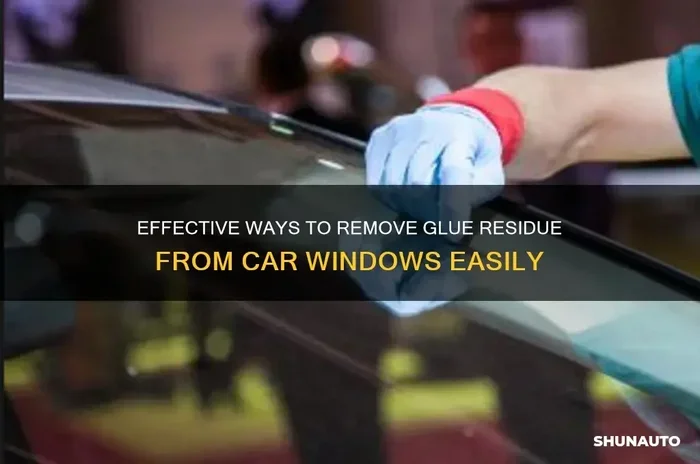
How to Remove Glue From Car Glass Quickly and Easily
Removing glue from car glass doesn’t have to be a nightmare. Whether it’s leftover adhesive from a sticker, bug splatter, or window tint residue, the right method makes all the difference. This guide walks you through safe, effective techniques using everyday household items and professional-grade products. You’ll learn how to protect your car glass while getting it spotless again.
There’s nothing more frustrating than seeing a blob of dried glue stuck to your car glass. Maybe you just peeled off a bumper sticker and left behind a sticky mess. Or perhaps a rogue piece of construction debris landed on your windshield and baked on in the sun. Whatever the cause, glue on car glass is ugly, annoying, and seemingly impossible to get rid of.
The good news? You don’t need to be a professional mechanic or spend a fortune on specialty products. With the right approach, you can remove glue from car glass safely and effectively using things you probably already have at home. This guide covers every method you need, from simple household solutions to stronger commercial products. By the end, you’ll know exactly how to tackle any glue situation on your vehicle.
Let’s be real for a second. We’ve all tried scraping at dried glue with our fingernails or a random card and ended up with nothing to show for it. That’s because hardened adhesive bonds strongly to glass surfaces. The key is softening it first and then lifting it away without scratching. This article gives you the exact steps to do that right. Whether you’re dealing with fresh glue or something that’s been sitting on your window for months, you’ll find a solution here.
Key Takeaways
- Heat and scraping work best: Using a hairdryer or heat gun softens hardened glue, making it easy to lift off car glass.
- Household items get the job done: Rubbing alcohol, white vinegar, and cooking oil are affordable and effective glue dissolvers.
- Commercial products add power: Goo Gone, WD-40, and dedicated adhesive removers handle tough residue with minimal effort.
- Avoid razor blades on tinted windows: They can scratch or damage window tint adhesive layers.
- Protect your car first: Always wash and dry the area before starting, and wax afterward to restore shine.
- Patience beats force: Letting the solvent sit for a few minutes prevents scratching and streaking.
- Prevention saves time: Applying a protective coating or ceramic coat makes future glue removal much easier.
📑 Table of Contents
Why Glue Ends Up on Car Glass
Understanding what you’re dealing with makes the removal process much easier. Different types of glue behave differently on glass, and knowing the source helps you choose the right method.
Common Sources of Glue on Car Glass
Glue finds its way onto car glass in more ways than you might think. Here are the most common culprits:
- Bumper stickers and decals: These leave behind a thick layer of adhesive when removed improperly.
- Window tint residue: Old or peeling window tint leaves a stubborn film that’s notoriously hard to clean.
- Bug splatter and road tar: Insects and tar contain sticky compounds that bond to glass at high speeds.
- Construction debris: Cement specks and adhesive from renovation projects can land on your car and harden fast.
- Racing stripes or pinstripes: Removing these decorative elements often leaves behind a noticeable adhesive line.
- Weather stripping adhesive: Over time, the glue from door seals can migrate onto side windows.
How Glue Bonds to Glass
Glass is a smooth, non-porous surface, which makes it tricky for glue to stick initially but actually helps it hold on once cured. When glue dries on car glass, it forms a tight bond at the molecular level. Heat accelerates this bonding process, which is why glue left in the sun becomes nearly impossible to peel off by hand. Understanding this is crucial because effective glue removal always starts with softening that bond before any scraping happens.
Essential Tools and Supplies You’ll Need
Before you start, gather everything you need. Having the right tools on hand saves time and prevents damage to your car glass. You don’t need anything fancy, but a few specific items make the process much smoother.
Household Items That Work Wonders
- White vinegar: A natural acid that breaks down adhesive bonds gently.
- Rubbing alcohol (isopropyl alcohol): One of the most effective solvents for dissolving glue on glass.
- Cooking oil or coconut oil: Penetrates and softens dried adhesive without harming glass.
- Baking soda: Creates a gentle abrasive paste for scrubbing away residue.
- Dish soap and warm water: The basics for pre-cleaning and final washing.
- Nail polish remover (acetone-free): A stronger solvent option for tough glue spots.
Professional-Grade Products
For stubborn glue that won’t budge with household items, these products deliver serious cleaning power:
- Goo Gone: A popular adhesive remover that works on most types of glue without damaging glass.
- WD-40: Originally a rust preventer, WD-40 is surprisingly effective at dissolving adhesive on car surfaces.
- Commercial adhesive remover sprays: Specifically designed for automotive use and safe on glass.
- Plastic razor blade scrapers: Safer than metal blades for scraping glue off car windows without scratching.
- Heat gun or hairdryer: Essential for softening hardened glue before removal.
Safety Gear You Shouldn’t Skip
Safety matters, especially when working with solvents and sharp tools. Here’s what you need:
- Rubber gloves: Protects your hands from chemicals and hot surfaces.
- Safety glasses: Keeps debris and solvent splashes out of your eyes.
- Clean microfiber cloths: For wiping and buffing without leaving scratches or lint behind.
- Work in a shaded area: Prevents solvents from evaporating too quickly and ensures better adhesion of the cleaning solution.
Step-by-Step Methods to Remove Glue From Car Glass
Now for the part you’ve been waiting for. Here are the most effective methods for removing glue from car glass, ranked from easiest to most powerful. Each method includes clear steps you can follow right away.
Method 1: Heat and Scrape
This is the go-to method for large glue spots or stickers that have been on your glass for a while. Heat softens the adhesive and makes it pliable.
- Plug in a hairdryer or heat gun and set it to medium heat.
- Hold the heat source about six inches from the glue spot.
- Move it back and forth constantly for two to three minutes.
- Test the glue with a plastic scraper. It should feel soft and pliable.
- Gently scrape the glue away at a low angle.
- Wipe the area with a microfiber cloth to remove any remaining residue.
Pro tip: Never use a metal razor blade on car glass unless you’re experienced. Even then, always hold the blade at a very low angle to avoid scratching. A plastic scraper is a safer choice for most people.
Method 2: Rubbing Alcohol Solution
Rubbing alcohol is one of the best solvents for dissolving adhesive on glass. It evaporates cleanly and won’t leave streaks.
- Pour a small amount of rubbing alcohol onto a clean microfiber cloth.
- Place the cloth directly over the glue spot and let it sit for three to five minutes.
- Gently rub the area in circular motions.
- The glue should start to dissolve and lift off the glass.
- Wipe clean with a fresh cloth dampened with warm water.
- Dry the area thoroughly with a separate dry microfiber cloth.
This method works especially well on fresh glue spots and light adhesive residue. For older, hardened glue, combine this with the heat method first.
Method 3: White Vinegar Soak
Vinegar is a natural, non-toxic option that handles moderate glue removal with ease. It’s perfect for those who prefer chemical-free cleaning solutions.
- Mix equal parts white vinegar and warm water in a bowl.
- Soak a clean cloth in the solution and place it over the glue.
- Let it sit for ten to fifteen minutes.
- Remove the cloth and gently scrub the area with a soft-bristle brush.
- The glue should soften and start coming off in pieces.
- Rinse with clean water and dry with a microfiber towel.
Vinegar works best on sticky residue from bumper stickers and decals. For thicker glue buildup, you may need to repeat the process once or twice.
Method 4: Cooking Oil or Coconut Oil
Oil is a surprisingly effective glue dissolver. It works by penetrating the adhesive and breaking down its bond with the glass surface.
- Put a few drops of cooking oil or coconut oil directly on the glue spot.
- Let it sit for five to ten minutes.
- Use a soft cloth to rub the oil into the glue in gentle circular motions.
- The glue will start to soften and ball up.
- Pick away the softened glue with your fingers or a plastic scraper.
- Wash the area with dish soap and warm water to remove the oil film.
- Dry completely with a clean microfiber cloth.
This method is gentle enough for tinted car windows and won’t damage the tint layer. It’s also great for removing adhesive from the edges of rear windows where defroster lines are present.
Method 5: Commercial Adhesive Removers
When household methods aren’t enough, commercial products step up the cleaning power. Products like Goo Gone and WD-40 are formulated to dissolve tough adhesives safely.
- Read the product label and confirm it’s safe for glass surfaces.
- Apply a small amount of the remover directly to the glue spot.
- Let it sit for the recommended time, usually three to five minutes.
- Gently rub the area with a microfiber cloth.
- The glue should dissolve and wipe away easily.
- Clean the area with warm soapy water to remove any product residue.
- Dry with a clean cloth and inspect for any remaining stickiness.
Expert insight: Always test commercial products on a small, hidden area of your car glass first. While most are safe, some formulations can leave a slight film on certain types of glass coatings.
Tips for Stubborn or Hardened Glue
Sometimes glue just won’t budge with a single pass. Old, cured adhesive or thick layers need extra attention. Here’s how to handle the toughest situations.
Combine Methods for Better Results
The most effective approach is often a combination of methods. Start with heat to soften the glue, then apply a solvent like rubbing alcohol or Goo Gone. This two-step process breaks down the adhesive from both sides and makes removal much faster.
Use a Plastic Scraper for Thick Buildup
For glue that has built up into a thick layer, a plastic scraper is your best friend. Hold it at a fifteen-degree angle and work slowly across the surface. Never press too hard, and always keep the scraper flat to avoid creating scratches.
Repeat Applications When Necessary
Don’t expect every glue spot to come off in one try. Thick or old adhesive often requires two or three applications of your chosen solvent. Patience is your greatest tool in automotive glass cleaning. Let each application sit long enough to fully penetrate the glue before you start scraping or rubbing.
Quick Tips for Difficult Situations
- For glue on curved glass: Wrap a cloth around a credit card to conform to the curve and reach tight spots.
- For glue near the windshield edge: Be extra gentle around the rubber seal to avoid damaging the weather stripping.
- For glue on the inside of the window: Use a flashlight to illuminate the residue and work from the inside out.
- For glue mixed with bug splatter: Pre-treat with a dedicated bug and tar remover before tackling the glue separately.
Common Mistakes to Avoid
Even with the best intentions, people make mistakes that can damage their car glass or make the glue worse. Here are the errors to watch out for.
Using Metal Scrapers or Sharp Objects
This is the number one mistake people make. A metal blade or sharp tool can easily scratch car glass, especially tempered windshield glass. Scratches may not be visible at first, but they collect dirt and become more noticeable over time. Always reach for a plastic scraper or a dedicated automotive glass cleaning tool instead.
Using Too Much Force
Scrubbing aggressively doesn’t remove glue faster. It just risks scratching the glass and spreading the adhesive around. Gentle, consistent pressure with the right solvent works far better than brute force.
Skipping the Pre-Cleaning Step
Some people jump straight to applying solvents without washing the area first. Dirt and debris on the glass can act like sandpaper during the cleaning process. Always wash and dry the area before you start any glue removal method.
Using Acetone on Tinted Windows
Acetone-based nail polish removers can damage window tint adhesive and the tint layer itself. If you have tinted windows, stick to acetone-free removers, rubbing alcohol, or household solutions like vinegar and oil.
Not Testing Products First
Every car glass surface is slightly different. Some have special coatings, some have UV protection, and some have been treated with rain-repellent products. Always test any cleaning solution on a small, inconspicuous area before applying it to the glue spot.
How to Protect Your Car Glass After Cleaning
Once you’ve successfully removed the glue, your car glass deserves some extra care. Cleaning can leave behind faint marks or strip away any protective coating that was on the glass.
Wash and Dry Thoroughly
After removing the glue, wash the entire window with a quality car wash soap and clean water. This removes any lingering solvent residue and prepares the surface for the next step. Dry the glass completely with a fresh microfiber towel.
Apply a Glass Cleaner and Polish
Use a dedicated automotive glass cleaner to restore clarity. Spray it on and wipe with a clean microfiber cloth in an S-pattern for streak-free results. For extra shine, follow up with a glass polishing compound.
Consider a Protective Coating
Applying a ceramic glass coating or a rain-repellent treatment makes future cleaning much easier. These products create a hydrophobic barrier that prevents glue, bugs, and other debris from bonding strongly to the glass. It’s one of the best investments you can make for long-term car detailing and maintenance.
Key Takeaways
- Heat first, solvent second: Always soften glue with heat before applying any cleaning solution for the easiest removal.
- Plastic scrapers are safer: They protect your car glass from scratches that metal tools can cause.
- Household items work surprisingly well: Vinegar, rubbing alcohol, and cooking oil handle most glue jobs effectively.
- Be patient with old glue: Multiple applications of solvent and gentle scraping beat aggressive force every time.
- Protect after cleaning: A glass coating or wax layer prevents future glue and debris buildup.
- Avoid acetone on tinted windows: Use safer alternatives to protect your window tint adhesive and the tint itself.
- Prevention is the best strategy: Regular washing and protective coatings make glue removal a breeze in the future.
Removing glue from car glass is a task anyone can handle with the right approach. You don’t need expensive equipment or professional skills. Whether you choose heat and scrape, a simple vinegar soak, or a commercial adhesive remover, the key is to be gentle and patient. Start with the mildest method and work your way up to stronger solutions only if needed.
Remember that every car is different, and what works on one vehicle might need adjustment on another. Always test your chosen method on a small area first, and never rush the process. Taking your time ensures a clean finish without any damage to your automotive glass.
Now that you know these proven techniques, you’re fully equipped to handle any glue situation that comes your way. Keep your cleaning supplies stocked, protect your glass with a quality coating, and enjoy a spotless, clear view every time you hit the road. Your car glass will look as good as new, and you’ll have the confidence to tackle any sticky situation with ease.
Frequently Asked Questions
Can I use WD-40 to remove glue from car glass?
Yes, WD-40 is an effective adhesive remover for car glass. Spray it directly on the glue, let it sit for three to five minutes, then wipe away with a microfiber cloth. Always wash the area with soap and water afterward to remove any oily residue.
Will rubbing alcohol damage my car’s window tint?
Rubbing alcohol is generally safe on most window tints when used in moderation. However, prolonged or frequent exposure can degrade the tint adhesive over time. For tinted windows, it’s best to use a gentler alternative like vinegar or coconut oil first.
How do I remove old window tint adhesive from car glass?
The best approach is to heat the adhesive with a hairdryer or heat gun until it becomes soft and pliable. Then use a plastic scraper to gently lift the residue. Follow up with a commercial adhesive remover or rubbing alcohol for any remaining sticky spots.
What is the safest way to scrape glue off car glass without scratching?
Always use a plastic scraper instead of a metal blade. Hold the scraper at a low angle against the glass and apply gentle, even pressure. Pre-softening the glue with heat or a solvent makes scraping much safer and more effective.
Can vinegar remove hardened glue from car windows?
Yes, white vinegar is effective on hardened glue when given enough time to soak. Apply a vinegar-soaked cloth to the glue spot for fifteen to twenty minutes, then gently scrub with a soft brush. Repeat if necessary for thick or old glue deposits.
How can I prevent glue from sticking to my car glass in the future?
Applying a ceramic glass coating or a rain-repellent treatment creates a protective barrier that makes it harder for glue and debris to bond to the glass. Regular washing and waxing also help maintain a smooth surface that resists adhesive buildup.