How Much Is a Brand New Car Heres the Real Answer
How much is a brand new car? The answer depends on the type of vehicle, trim level, and where you buy it. On average, a new car costs between $30,000 and $60,000, but luxury models can exceed $100,000. This guide breaks down every cost factor so you know exactly what to expect before signing any paperwork.
Key Takeaways
- Average new car price: Most new cars range from $30,000 to $60,000 depending on the type and trim level.
- Hidden costs matter: Dealer fees, taxes, and registration can add $2,000 to $5,000 to the final price.
- Best time to buy: End of the month, quarter, or year often brings the best car incentives and deals.
- Financing vs. cash: Paying cash avoids interest, but low car financing rates can make monthly payments manageable.
- Know the sticker price: Understanding MSRP, invoice price, and destination charges gives you a strong negotiating position.
- Use online tools: Pricing tools and car buying guides help you find the fair market value before visiting a dealer.
- Total drive-off price: Always ask for the total drive-off price to avoid surprises at the dealership.
📑 Table of Contents
- What Makes Up the Price of a Brand New Car
- Average New Car Prices by Vehicle Type
- Hidden Costs That Add to the Final Price
- How to Find the Best Price on a New Car
- Financing vs. Paying Cash for a New Car
- The Best Time to Buy a New Car
- How New Car Depreciation Affects Your Investment
- Common Mistakes Buyers Make When Purchasing a New Car
- Conclusion
What Makes Up the Price of a Brand New Car
If you have ever wondered how much is a brand new car, the answer starts with understanding what goes into the price tag. The sticker price you see on a vehicle is not the only number that matters. Several components build up the final cost, and knowing each one puts you in a much stronger position as a buyer.
The new car cost breakdown includes the base price, options, fees, taxes, and dealer markup. Let us walk through each piece so nothing catches you off guard.
Understanding MSRP and Invoice Price
The MSRP, or Manufacturer’s Suggested Retail Price, is the price the automaker recommends dealers charge. This is the number you see on the vehicle sticker price. However, the dealer paid less for the car. That lower amount is called the car invoice price.
Knowing the difference between MSRP and invoice price is one of the most important car negotiation tips you can learn. Dealers have room to negotiate below MSRP, especially when factory incentives are active. Always research the invoice price before stepping onto a lot.
The Role of Destination Charges
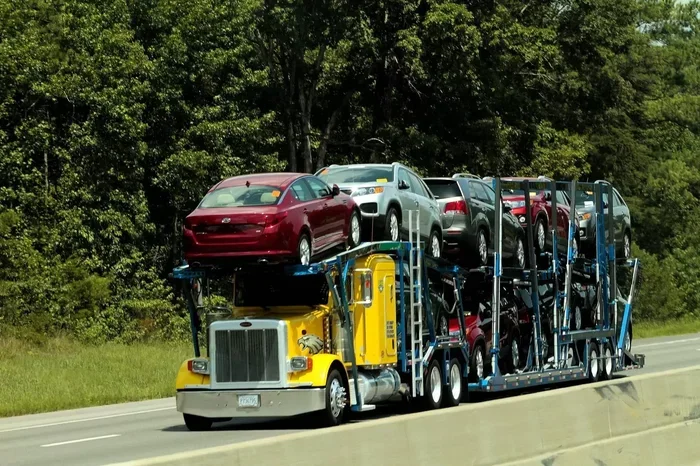
Every new car comes with a destination charge. This fee covers the cost of transporting the vehicle from the factory to the dealership. It is a non-negotiable fee in most cases. Destination charges typically range from $800 to $1,500 depending on the vehicle.
While this fee is fixed, it is still part of the new car price breakdown you should understand. Some buyers mistakenly think they can negotiate this charge away. They cannot. But knowing it is there helps you focus your negotiation efforts on the areas that actually have wiggle room.
Average New Car Prices by Vehicle Type
The new car price varies a lot depending on what kind of vehicle you are looking at. A compact sedan costs far less than a full-size truck. Let us look at the average prices across different vehicle categories.
| Vehicle Type | Average Starting Price | Average Top Trim Price |
|---|---|---|
| Compact Sedan | $25,000 | $35,000 |
| Midsize SUV | $35,000 | $55,000 |
| Full-Size Truck | $35,000 | $75,000 |
| Luxury Sedan | $55,000 | $90,000 |
| Electric Vehicle | $40,000 | $80,000 |
These numbers reflect the car buying guide reality for 2025. Prices have risen over the past few years due to supply chain issues and increased demand for certain features. Keep in mind that these are starting prices. Adding options like leather seats, advanced safety features, or a larger engine will push the price higher.
Sedans and Compact Cars
Sedans and compact cars remain the most affordable new car options on the market. Models like the Honda Civic, Toyota Corolla, and Mazda3 offer great value. These vehicles appeal to first-time buyers and daily commuters. You can often find solid sedans starting around $25,000.
The car insurance cost for sedans is also generally lower than for larger vehicles. This is another factor that affects the total cost of ownership. A cheaper monthly insurance premium adds up to real savings over the life of the vehicle.
SUVs and Trucks
SUVs and trucks dominate the American market, and their prices reflect that popularity. A midsize SUV like the Toyota RAV4 or Honda CR-V starts around $35,000. Full-size trucks like the Ford F-150 and Chevrolet Silverado start in a similar range but climb quickly with higher trims and options.
These vehicles come with higher new car depreciation rates too. Trucks and SUVs lose value faster than sedans in the first few years. If resale value matters to you, keep this in mind when choosing your vehicle type.
Luxury Vehicles
Luxury brands like BMW, Mercedes-Benz, and Audi command premium prices. A brand new luxury sedan can easily start at $55,000 and climb past $100,000 with options. Luxury vehicles also come with higher maintenance costs and more expensive car insurance cost premiums.
However, luxury brands often offer their own car incentives at the end of the model year. These can include low car financing rates or cash-back offers that make the price more accessible.
Hidden Costs That Add to the Final Price
One of the biggest surprises for first-time buyers is the number of hidden costs that appear at the dealership. The new car cost breakdown is not just about the vehicle price. Several additional charges can significantly increase what you actually pay.
Dealer Fees and Markups
Dealers often add their own fees on top of the vehicle price. These can include dealer markup, documentation fees, and dealer preparation charges. Some of these fees are reasonable. Others are pure profit for the dealer and can be negotiated.
Common dealer fees include:
- Documentation fee: $200 to $500 for processing paperwork
- Dealer markup: Added when demand is high for a popular model
- Advertising fee: $300 to $800, sometimes rolled into the price
- Dealer preparation fee: $200 to $400 for pre-delivery inspections
Always ask for an itemized breakdown of every fee. A good car buying guide will tell you which fees are legitimate and which ones you can push back on.
Taxes and Registration
Sales tax on a new car varies by state. Some states charge as little as 2%, while others charge 7% or more. You must also pay for vehicle registration, which varies by location and vehicle type.
Here is a quick look at what to expect:
- Sales tax: Typically 2% to 8% of the purchase price
- Vehicle registration: $50 to $300 depending on your state
- Title transfer fee: $15 to $100 in most states
These costs are unavoidable, but budgeting for them ahead of time prevents last-minute stress. Always ask the dealer for an estimate of the total taxes and fees before you commit to a purchase.
How to Find the Best Price on a New Car
Finding the best new car price takes a little homework, but the savings are well worth the effort. You do not have to accept the first price a dealer offers. There are proven strategies that help you pay closer to the invoice price rather than the sticker price.
Online Pricing Tools
Several websites offer real-time pricing data for new vehicles. These tools show you what other buyers in your area are paying. They also display current factory incentives and car incentives available from manufacturers.
Some of the best tools include:
- Edmunds – Offers fair purchase price estimates
- Kelley Blue Book – Provides pricing guides and market analysis
- TrueCar – Shows guaranteed prices from certified dealers
- Cars.com – Lists local inventory with price comparisons
Using these tools gives you leverage during negotiations. When you walk into a dealership knowing the fair market value, you are no longer guessing. You are making an informed decision backed by data.
Car Negotiation Tips
Negotiating a new car price does not have to be intimidating. A few simple car negotiation tips can save you hundreds or even thousands of dollars.
First, always negotiate the total vehicle price, not the monthly payment. Dealers sometimes focus on monthly payments to make a car seem affordable, but this can hide a higher overall cost. Second, be willing to walk away. The dealer who really wants your business will come back with a better offer. Third, shop at multiple dealers in your area. Competition between dealers works in your favor.
Expert Insight: “The best buyers come prepared. They know the invoice price, they know the current incentives, and they are ready to compare offers from multiple dealers. That preparation is what saves the most money,” says a senior automotive analyst at a leading consumer publication.
Financing vs. Paying Cash for a New Car
How you pay for your new car affects the total cost significantly. Both financing and paying cash have advantages. The right choice depends on your financial situation and goals.
Understanding Car Financing Rates
Car financing rates vary based on your credit score, the loan term, and the lender. As of 2025, average rates range from 5% to 10% for borrowers with good credit. Buyers with excellent credit can sometimes secure rates below 4%.
Financing allows you to spread the cost over several years. A 60-month loan is the most common term. However, longer loans like 72 or 84 months lower your monthly payment but increase the total interest you pay over the life of the loan.
The Total Drive-Off Price
The total drive-off price is the final amount you pay when you drive the car off the lot. This includes the vehicle price, taxes, fees, and any down payment. Always ask the dealer for this number before signing anything.
Paying cash avoids interest charges entirely. It also gives you more negotiating power because the dealer knows the deal is straightforward. However, paying cash means depleting your savings, which may not be the best move for everyone.
If you choose to finance, make sure the car financing rates you receive are competitive. Check rates from your bank or credit union before visiting the dealership. Having an outside offer gives you a benchmark to compare against the dealer’s financing options.
The Best Time to Buy a New Car
Timing your purchase can have a big impact on the final price. The best time to buy a car aligns with periods when dealers are eager to move inventory and manufacturers are offering strong incentives.
Seasonal Deals and Year-End Sales
Dealers often run aggressive promotions at specific times of the year. The end of the model year, typically September and October, is a popular time for deals. Dealers want to clear out outgoing models to make room for new ones.
Other strategic times include:
- End of the month: Dealers push to hit monthly sales targets
- End of the quarter: Similar pressure to close out quarterly goals
- Year-end sales events: December often brings holiday-themed promotions
- New model releases: When a new version launches, the old model gets discounted
Patience pays off when buying a new car. If you are not in a rush, waiting for the right deal can save you thousands. Use the time to research, compare prices, and build your negotiating strategy.
How New Car Depreciation Affects Your Investment
Every new car loses value the moment you drive it off the lot. This is called new car depreciation. Understanding how depreciation works helps you make smarter buying decisions.
Most new cars lose about 20% of their value in the first year. Over five years, a typical vehicle loses 50% to 60% of its original value. This is why some financial experts recommend buying used cars that have already absorbed the steepest depreciation.
However, if you plan to keep your car for many years, depreciation matters less. A vehicle that retains its value well can also serve as a reliable daily driver for a decade or more. Some brands are known for holding their value better than others, so research the new car depreciation rate for any model you are considering.
Common Mistakes Buyers Make When Purchasing a New Car
Even experienced buyers sometimes make costly mistakes. Avoiding these common errors can save you money and frustration.
First, skipping the research phase. Walking into a dealership without knowing the fair market price is like walking into a negotiation blindfolded. Second, focusing only on the monthly payment. A low monthly payment can hide a longer loan term and more total interest paid. Third, ignoring the total cost of ownership. Insurance, fuel, maintenance, and depreciation all factor into what a car really costs over time.
Fourth, falling for add-ons at the dealership. Extended warranties, paint protection, and fabric treatments often come with high markups. Fifth, not reading the contract carefully before signing. Every number on the paperwork should match what you discussed.
Quick Tip: Bring a trusted friend or family member who has bought a car before. A second set of eyes can catch details you might miss and give you confidence during the negotiation process.
Conclusion
So, how much is a brand new car? The honest answer is that it depends. The average new car price falls between $30,000 and $60,000, but the total cost can climb much higher once you factor in taxes, fees, and optional features. Understanding the new car cost breakdown empowers you to make a confident, informed purchase.
Use online pricing tools, know the invoice price, negotiate smartly, and time your purchase to take advantage of the best car incentives. Whether you pay cash or finance, always focus on the total drive-off price rather than just the monthly payment.
The car buying guide tips in this article give you a clear roadmap. Apply them, and you will be well-equipped to find the best new car price for your budget. Happy car shopping!
Frequently Asked Questions
What is the average cost of a brand new car?
The average cost of a brand new car ranges from $30,000 to $60,000. Compact sedans start around $25,000, while luxury vehicles and trucks can exceed $75,000. The final price depends on the vehicle type, trim level, and added options.
What is the difference between MSRP and the invoice price?
The MSRP is the manufacturer’s suggested retail price, which is the sticker price on the vehicle. The invoice price is what the dealer actually paid for the car. The gap between these two numbers is where negotiation happens, and knowing the invoice price gives you a real advantage during the buying process.
Are dealer fees negotiable?
Some dealer fees are negotiable, while others are not. Documentation fees and dealer preparation charges can sometimes be reduced or waived. Destination charges are typically non-negotiable. Always ask for an itemized fee breakdown and question any fee that seems unreasonable.
What is the best time of year to buy a new car?
The best time to buy a new car is at the end of the model year, during month-end or quarter-end sales periods, and around holiday promotions. Dealers are under pressure to clear inventory during these times, which often results in better deals and stronger incentives for buyers.
Should I finance or pay cash for a new car?
Paying cash avoids interest charges and gives you more negotiating power. However, financing preserves your savings and can be beneficial if you secure low car financing rates. The best choice depends on your financial situation, interest rates, and whether you can earn more by investing your cash elsewhere.
How much does new car depreciation affect the resale value?
Most new cars lose about 20% of their value in the first year and 50% to 60% over five years. Vehicles that hold their value well can save you significant money if you plan to sell or trade in later. Researching the depreciation rate for any model before buying helps you make a smarter long-term investment.