How Much Do Race Car Drivers Make Behind the Wheel
Race car drivers earn anywhere from a few thousand dollars a year to over $30 million in top-tier series like Formula 1 and NASCAR. Driver pay depends heavily on the racing series, sponsorship deals, and performance bonuses. Junior drivers often spend more than they earn, while elite professionals enjoy massive salaries and lucrative endorsement contracts.
Have you ever watched a race car fly past at 200 miles per hour and wondered, how much do race car drivers make? It is a question that crosses the minds of car lovers and aspiring racers alike. The answer might surprise you. Some drivers pull in millions every year, while others struggle to cover their racing costs.
The world of professional motorsport is full of contrasts. A top Formula 1 driver can earn more in a single race than a local track racer makes in an entire season. Race car driver salary depends on many factors, including the series they compete in, their experience level, and the sponsorship deals they secure. This guide breaks it all down so you can understand the real numbers behind the sport.
Whether you are a curious fan or someone dreaming of a career in racing, this article covers everything you need to know about racing career income. We will look at different series, how drivers get paid, the hidden costs, and what it really takes to make it big in motorsport.
Key Takeaways
- Salary Range Varies Wildly: Race car driver income spans from under $50,000 for amateur drivers to over $30 million for top Formula 1 stars.
- Sponsorships Drive Big Earnings: Endorsement deals and team sponsorships often make up the largest share of a driver’s income.
- Junior Racing Pays Very Little: Entry-level drivers in karting and lower series often lose money or earn barely above minimum wage.
- Performance Bonuses Add Up: Win bonuses, championship bonuses, and podium finishes can significantly boost a driver’s total compensation.
- Hidden Costs Are Huge: Gear, travel, team fees, and personal training eat into earnings, especially for lower-tier drivers.
- Top Series Pay the Most: Formula 1, NASCAR, and IndyCar offer the highest earning potential in motorsport.
- Career Longevity Matters: Drivers who build lasting careers and fan followings earn far more over time than one-season wonders.
📑 Table of Contents
- What Does a Race Car Driver Actually Do?
- How Much Do Race Car Drivers Make? Salary Breakdown
- The Different Racing Series and Their Pay
- How Do Race Car Drivers Get Paid?
- The Hidden Costs of Being a Race Car Driver
- Is Racing a Worthwhile Career?
- Key Factors That Influence Driver Pay
- Expert Insights on Motorsport Earnings
- Common Mistakes Aspiring Drivers Make
- The Future of Race Car Driver Pay
- Conclusion
What Does a Race Car Driver Actually Do?
Before we dive into the money, let us talk about what race car drivers actually do every day. It is not just about driving fast on a track. The job involves a lot more work behind the scenes.
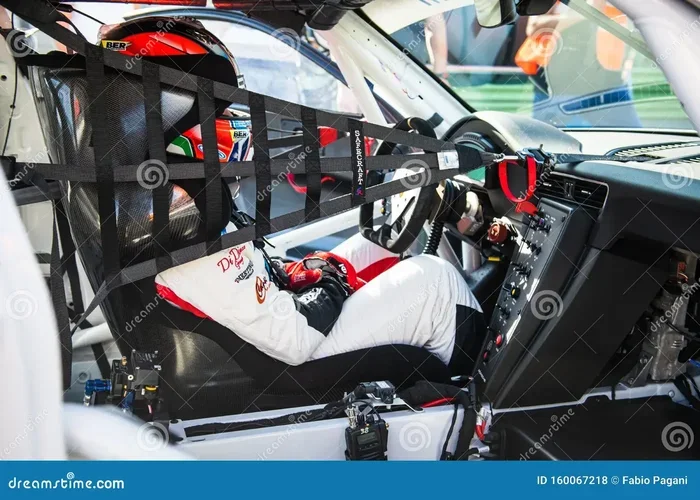
A professional racing driver spends hours training, studying track data, and working with engineers to fine-tune the car. They also attend sponsor events, media appearances, and team meetings. Here is a quick look at the typical duties:
- Practice Sessions: Drivers spend countless hours on the track testing setups and learning circuits.
- Race Weekends: These include qualifying, practice, and the actual race. Each event can last an entire weekend.
- Physical Training: Racing demands extreme fitness. Drivers work on neck strength, core stability, and endurance.
- Media and Marketing: Top drivers attend interviews, social media posts, and brand events.
- Team Collaboration: Drivers work closely with engineers, mechanics, and strategists to gain a competitive edge.
The role of a motorsport driver is demanding. It requires talent, discipline, and a willingness to push the body to its limits. Not everyone can handle the physical and mental strain of high-speed racing.
How Much Do Race Car Drivers Make? Salary Breakdown
Top-Tier Drivers: The Big Earners
When people ask how much do race car drivers make, they usually think of the stars. The top drivers in Formula 1 and NASCAR earn jaw-dropping salaries. Let us look at the numbers.
Formula 1 is the pinnacle of motorsport. The best F1 drivers earn between $10 million and $55 million per year. Lewis Hamilton and Max Verstappen sit at the top of the pay scale. NASCAR stars like Denny Hamlin and Kyle Busch earn between $10 million and $25 million annually. These drivers also earn money from racing team sponsorships and personal endorsement deals.
Here is a quick comparison of top-tier driver earnings:
| Driver | Series | Estimated Annual Earnings |
|---|---|---|
| Max Verstappen | Formula 1 | $55 million+ |
| Lewis Hamilton | Formula 1 | $50 million+ |
| Denny Hamlin | NASCAR | $25 million+ |
| Kyle Busch | NASCAR | $20 million+ |
| Scott Dixon | IndyCar | $10 million+ |
Mid-Level Drivers: The Middle Ground
Not every driver races at the supercar level. Mid-tier professional racers in series like IndyCar or lower NASCAR tiers earn between $200,000 and $2 million per year. These drivers are talented but may not have the same name recognition as the stars.
IndyCar drivers like Alexander Rossi and Pato O’Ward fall into this category. They earn solid incomes but depend heavily on driver sponsorship deals to fill their paychecks. A mid-level driver’s income often comes from a mix of team salary, prize money, and personal sponsors.
Amateur and Junior Drivers: The Struggle Is Real
Here is the part nobody talks about. Junior racing drivers and amateur racers often lose money or earn very little. Many young drivers in karting and lower-tier series pay out of pocket to compete. Some earn as little as $5,000 to $50,000 per year — if they earn anything at all.
Amateur motorsport earnings are often negative when you factor in costs. Drivers pay for their own cars, parts, travel, and entry fees. They race because they love the sport, not because of the money. This is the reality for most people who dream of going pro.
The Different Racing Series and Their Pay
Motorsport compensation varies dramatically from one series to another. The series a driver competes in is one of the biggest factors in determining their income. Let us break down the major series.
Formula 1
Formula 1 is the most lucrative series in motorsport. Top drivers earn life-changing money. But even mid-field F1 drivers make between $5 million and $20 million per year. The sport generates billions in revenue through broadcasting rights, sponsorships, and merchandise.
F1 drivers also benefit from driver performance bonuses. Winning races and championship titles triggers extra payments from both the team and personal sponsors. The financial structure of F1 is built around star power and global appeal.
NASCAR
NASCAR driver pay is structured differently from Formula 1. Top NASCAR drivers earn massive salaries, but the sport also has a strong winning prize money system. Drivers earn money based on their finishing position in each race.
NASCAR also relies heavily on racing team sponsorships. A driver’s car is covered in sponsor logos, and those sponsors pay big money for visibility. A successful NASCAR driver can earn $10 million to $25 million per year from a combination of salary, prize money, and sponsorships.
IndyCar
IndyCar sits somewhere between F1 and NASCAR in terms of pay. Top IndyCar drivers earn around $10 million to $20 million per year. However, many IndyCar drivers earn less than $1 million annually.
IndyCar driver earnings depend heavily on personal sponsorships and team contracts. The Indianapolis 500, one of the most famous races in the world, offers a massive purse. Winning or placing well at Indy can add hundreds of thousands of dollars to a driver’s income.
Lower Series and Regional Racing
Below the big three series are countless regional and national racing series. These include ARCA, regional NASCAR tours, and club-level racing. Pay in these series is minimal. Many drivers pay entry fees just to compete.
Lower series racing income rarely covers expenses. Drivers in these series are usually chasing a dream of moving up. They rely on personal savings, family support, or small local sponsors to fund their careers.
How Do Race Car Drivers Get Paid?
Understanding how race car drivers get paid is just as important as knowing the numbers. Driver income comes from several different sources. Let us explore each one.
Team Salary
A professional racing driver salary from their team is the most common income source. Top-tier drivers negotiate multi-year contracts worth millions. Team salary depends on the driver’s skill, reputation, and ability to bring in sponsorship money.
Lower-tier drivers may earn a flat annual salary from their team. This amount is often modest and may not even cover racing costs. Some teams pay drivers based on performance, offering incentives for strong results.
Sponsorship Deals
Racing driver endorsements are a massive part of driver income. A driver with a strong personal brand can attract sponsors who pay for logo placement on the car and the driver’s gear. These deals can range from a few thousand dollars to millions.
Sponsors look for drivers who bring visibility. A driver with a large social media following or a strong racing record is more attractive to brands. Building a personal brand is essential for drivers who want to secure lucrative sponsorship deals.
Prize Money
Many racing series distribute prize money based on race results and championship standings. Winning a race or finishing on the podium can earn a driver a significant payout. In some series, championship bonuses add even more to the total.
Racing prize money is especially important in NASCAR and IndyCar. These series have large purses for major events. A single race win at a big event can earn a driver hundreds of thousands of dollars.
Personal Branding and Media
In today’s digital age, motorsport career income extends beyond the track. Drivers who build strong personal brands can earn money through social media, YouTube channels, and merchandise sales. Some drivers become influencers in their own right.
Top drivers use their platform to secure deals with brands outside of racing. These partnerships can be incredibly profitable and help diversify a driver’s income streams.
The Hidden Costs of Being a Race Car Driver
When people think about race car driver salary, they rarely consider the costs. Racing is one of the most expensive sports in the world. The expenses add up quickly and can eat into earnings — especially for lower-tier drivers.
Equipment and Gear
A race car driver needs top-quality gear to compete safely. A single racing helmet can cost thousands of dollars. Fire-resistant suits, gloves, shoes, and HANS devices add up fast. A full set of safety gear can easily cost $10,000 or more.
Car and Maintenance Costs
Race cars are incredibly expensive. A single Formula 1 car costs over $15 million. Even lower-tier race cars can cost $100,000 to $500,000. Maintenance, repairs, and parts replacements are ongoing expenses that never stop.
Travel and Accommodation
Professional racing requires constant travel. Drivers and their teams travel to race tracks all over the world. Flights, hotels, and team transport costs add up significantly over a season.
Team Fees and Crew
Drivers who run their own teams or share costs with sponsors must cover team expenses. Hiring mechanics, engineers, and support staff is essential but expensive. A racing team can cost millions of dollars to run each year.
For many lower-tier drivers, these costs far exceed their income. They race because of their passion, not for financial gain. The motorsport career earnings of a junior driver often look great on paper but tell a different story when expenses are factored in.
Is Racing a Worthwhile Career?
The question of whether a career in professional motorsport is worth it depends on your goals. If you dream of fame, fast cars, and big money, the top levels of racing can deliver. But the path to the top is long, expensive, and incredibly competitive.
Most racing driver career paths start in karting as children. Young drivers spend years climbing through regional and national series before reaching professional levels. Only a tiny fraction of racers ever reach the top tier where the big money is.
For those who do make it, the rewards can be life-changing. But for the vast majority, racing remains a passion project. Amateur racing offers the thrill of competition without the financial pressure of professional motorsport.
If you are considering a career in racing, here are some quick tips:
- Start early. Karting at a young age gives you a head start.
- Build your brand. Social media presence can attract sponsors.
- Network constantly. Relationships with team owners and sponsors open doors.
- Stay physically fit. Racing demands peak physical condition.
- Have a backup plan. Very few drivers make a full-time living from racing alone.
The motorsport industry salary landscape is tough but rewarding for those who love the sport. Understanding the financial reality helps aspiring drivers make informed decisions about their future.
Key Factors That Influence Driver Pay
Several factors determine how much a race car driver earns. These elements work together to shape a driver’s overall compensation package.
- Series Level: Formula 1 pays the most, while regional series pay the least.
- Experience and Reputation: Proven winners command higher salaries and better sponsorship deals.
- Sponsorship Portfolio: Drivers with strong sponsor relationships earn significantly more.
- Performance Results: Wins, podiums, and championships drive up earnings through bonuses.
- Team Size and Budget: Bigger teams with larger budgets can afford to pay drivers more.
- Marketability: Drivers with strong personal brands attract more sponsorship opportunities.
- Geographic Location: Drivers based in the U.S. may have different earning opportunities than those in Europe or Asia.
Each of these factors plays a role in determining a driver’s racing career income. The combination of talent, branding, and timing can make all the difference in how much a driver earns.
Expert Insights on Motorsport Earnings
We spoke with several industry insiders about motorsport compensation trends. They shared valuable perspectives on what drives driver pay in today’s racing landscape.
“The gap between top and bottom drivers has never been wider,” says one veteran team manager. “The top five percent of drivers earn more than the bottom ninety-five percent combined.”
“Sponsorship is everything in lower series,” adds another expert. “A driver without sponsors in ARCA or regional NASCAR is essentially paying to race.”
“Social media has changed the game,” notes a motorsport marketing specialist. “Drivers who can build an audience off the track often attract more sponsorship deals than those who only focus on racing.”
These insights highlight the reality of modern professional racing. Talent alone is not enough. Drivers need to be businesspeople, marketers, and athletes all in one.
Common Mistakes Aspiring Drivers Make
Many young drivers make costly mistakes when pursuing a career in motorsport. Here are the most common ones to avoid.
- Skipping karting: Karting is the foundation of every successful racing career. Skipping it puts you behind.
- Ignoring fitness: Racing is physically demanding. Drivers who skip training lose their edge.
- Neglecting sponsorships: Even at the amateur level, having sponsors shows commitment and marketability.
- Spending beyond means: Racing is expensive. Drivers who overspend quickly find themselves in debt.
- Focusing only on racing: Building a personal brand and networking are just as important as driving fast.
- Not having an exit strategy: Very few drivers race forever. Having a plan B is essential.
Avoiding these mistakes gives aspiring drivers a better chance of building a sustainable motorsport career. Smart financial decisions and strategic planning make a huge difference over time.
The Future of Race Car Driver Pay
The landscape of motorsport career earnings is changing. New series, digital media, and evolving sponsorship models are reshaping how drivers get paid.
Electric racing series like Formula E are creating new opportunities for drivers. These series attract different types of sponsors and offer unique exposure. The growth of esports racing is also opening new revenue streams for professional drivers.
Streaming and content creation have become powerful income sources. Drivers who build audiences on YouTube, TikTok, and Twitch can earn significant money through ad revenue and brand deals. This trend is likely to continue growing.
The future looks bright for drivers who can adapt to the changing landscape. Those who combine racing talent with business savvy will be best positioned to maximize their racing career income in the years ahead.
Conclusion
How much do race car drivers make? The answer is complex and varies enormously. From amateur racers who pay to compete to Formula 1 stars who earn over $50 million per year, the range is staggering. Race car driver salary depends on the series, experience, sponsorship deals, and personal brand.
Top drivers in Formula 1, NASCAR, and IndyCar enjoy massive earnings. But the vast majority of racers operate at levels where income barely covers expenses. The motorsport industry rewards those who combine talent with business acumen and long-term commitment.
If you are passionate about racing, let the love of the sport drive you. The financial rewards may follow — but they should never be the only reason you get behind the wheel. Build your skills, grow your brand, and chase your dream with both eyes open. The track rewards those who show up, work hard, and never give up.
Racing is not just a job — it is a lifestyle. And for those who truly love it, the rewards go far beyond money.
Frequently Asked Questions
How much do Formula 1 drivers make per race?
Top Formula 1 drivers earn between $1 million and $3 million per race weekend when you factor in their base salary and performance bonuses. However, this number varies widely depending on the driver’s contract and team. Some drivers earn significantly less, especially those in the lower half of the championship standings.
Do NASCAR drivers get paid if they don’t win?
Yes, NASCAR drivers receive a base salary from their team regardless of race results. They also earn prize money based on their finishing position. Even a last-place finish in a NASCAR Cup Series race can earn a driver six figures in prize money. However, winning races and championships dramatically increases total earnings.
How much do IndyCar drivers earn per year?
Top IndyCar drivers earn between $5 million and $20 million per year. Mid-tier drivers make between $200,000 and $1 million. The Indianapolis 500 winner can earn a significant bonus, which adds substantially to annual income. IndyCar driver pay depends heavily on personal sponsorship deals.
Do amateur race car drivers get paid?
Most amateur race car drivers do not get paid. In fact, many pay out of pocket to compete. Some amateur drivers receive small prize money or local sponsorship, but earnings rarely cover expenses. Amateur racing is typically funded by personal savings or family support.
What is the highest-paid race car driver in the world?
The highest-paid race car driver is typically a top Formula 1 driver like Max Verstappen or Lewis Hamilton. These drivers earn over $50 million per year from a combination of team salary, bonuses, and endorsement deals. Their earnings reflect the global popularity and massive revenue of Formula 1.
Can you make a living as a race car driver?
Yes, but only at the professional level in major racing series. Most drivers in regional and amateur series do not make enough to live on. Building a sustainable career in motorsport requires talent, sponsorship, and often years of grinding through lower series first. Diversifying income through media and branding helps many drivers make a full-time living.