Can I Get My Car Tags Online Instead Of Going There
Yes, you can get your car tags online in many states. Getting car tags online saves time, avoids long lines, and lets you handle everything from your couch. Whether you need a renewal, a replacement, or a new registration, digital services make it simple. Keep reading to find out if your state offers this option and how to get started.
Have you ever sat in a long line at the DMV just to renew your car tags? It is frustrating. You waste hours, burn gas, and still end up waiting. The good news is that things are changing fast. Many states now let you handle your vehicle registration from home.
The question on everyone’s mind is simple: can I get my car tags online? The short answer is yes. But the full answer depends on your state, your situation, and what kind of tag service you need. This guide breaks it all down for you. You will learn how online tag services work, what you need to get started, and what to watch out for.
We will cover everything from basic renewals to title transfers and replacement tags. By the end, you will know exactly whether going digital is right for you. Let us dive in.
Key Takeaways
- Online tag renewal is available in most states: You can renew your car tags without ever leaving home.
- You need specific documents ready: Proof of insurance, registration, and payment method are essential.
- Fees vary by state: Online tag services may charge the same or slightly different fees than in-person visits.
- Not everyone qualifies: Some situations still require an in-person visit to the DMV.
- Processing times differ: Digital tags and mail delivery options offer different timelines.
- Safety matters: Only use official state websites to avoid scams.
📑 Table of Contents
- What Are Car Tags and Why Do They Matter?
- Can I Get My Car Tags Online? The Short Answer
- Steps to Get Your Car Tags Online
- Benefits of Getting Car Tags Online
- When You Still Need to Visit the DMV in Person
- How Much Does It Cost to Get Tags Online?
- Common Mistakes to Avoid When Renewing Tags Online
- Quick Tips for a Smooth Online Tag Renewal
- What Happens After You Renew Online?
- Is It Safe to Get Car Tags Online?
- How Online Tag Services Compare to In-Person Visits
- The Future of Car Tag Services
- Final Thoughts on Getting Car Tags Online
What Are Car Tags and Why Do They Matter?
Car tags are the official registration stickers or plates that prove your vehicle is legally registered. Without valid tags, you cannot drive your car on public roads. Most states require you to renew these tags every one to two years.
Your vehicle registration links your car to your identity and your insurance. It also shows that you have paid the required fees. Driving without current tags can lead to fines, points on your license, or even your car getting towed.
Tags usually come in two forms. The first is a sticker you place on your windshield. The second is a metal license plate that stays on your car. Both serve the same purpose: proving your car is registered and road-legal.
Why Do People Put Off Renewing Tags?
There are many reasons people delay car registration renewal. The most common one is the hassle. Nobody wants to spend a Saturday afternoon sitting in a crowded DMV office. Long wait times, confusing forms, and outdated systems make the process miserable.
Some people simply forget. Tags expire on different dates, and keeping track of them all can be tricky. Others may not realize they can complete the process online at all. This is exactly why we created this guide.
Can I Get My Car Tags Online? The Short Answer
The direct answer to can I get my car tags online is yes for most drivers. The majority of U.S. states now offer some form of online vehicle registration services. You can renew expired tags, replace lost tags, and even transfer ownership in certain cases.
However, not every state offers the same level of online service. Some states let you do everything digitally. Others only allow partial online transactions. And a few still require you to visit a physical office for any tag-related task.
Your eligibility also depends on your specific situation. A simple tag renewal is almost always eligible for online processing. But a title transfer after a sale might need extra steps. We will look at these differences in detail below.
How Online Tag Services Work
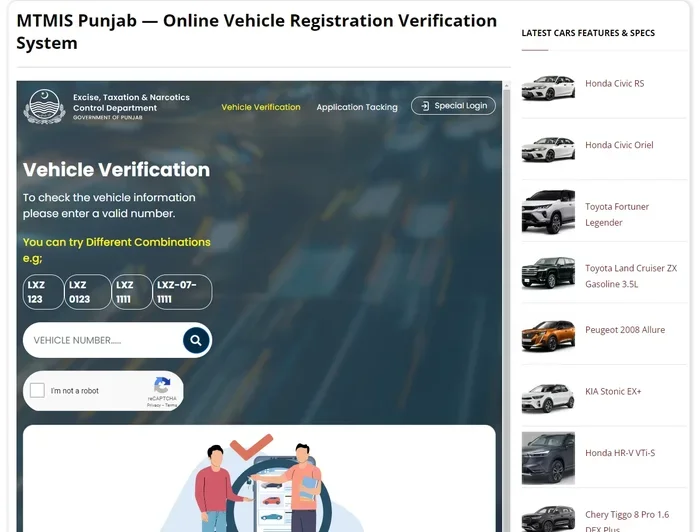
Most states use a secure online portal for vehicle services. You log in with your driver’s license number or state ID. Then you enter your vehicle information and registration number. The system pulls up your current records and shows what services are available.
You confirm the details, pay the required fees, and receive your new tags. Some states mail physical plates to your address. Others let you print a temporary registration right away. The process is designed to be fast and straightforward.
Steps to Get Your Car Tags Online
Getting your car tags online is easier than you might think. Follow these steps to complete the process smoothly.
Step 1: Check Your State’s Eligibility
Not everyone can renew tags online. Most states require that your current registration is still valid or recently expired. If your tags expired more than six months ago, you might need to visit a DMV office in person. Some states also restrict online services to certain vehicle types.
Go to your state’s official DMV or Department of Motor Vehicles website. Look for the vehicle registration section. This will tell you exactly what is available online and what is not.
Step 2: Gather Your Documents
Before you start, make sure you have everything ready. You will typically need the following items:
- Your driver’s license or state ID number
- Your vehicle registration number or plate number
- Proof of current auto insurance
- A valid payment method such as a credit or debit card
- Your vehicle identification number (VIN)
Having these documents handy saves time and prevents errors. Double-check that your insurance is active before you start. Many states verify insurance electronically, but you should still confirm your policy is current.
Step 3: Visit the Official Online Portal
Always use your state’s official government website. Avoid third-party sites that promise fast service for extra fees. These sites may charge unnecessary markups or compromise your personal data.
Navigate to the vehicle registration or renew registration section. Enter your information exactly as it appears on your current registration. The system will verify your records and show available services.
Step 4: Review and Confirm Your Details
Carefully check all the information on the confirmation page. Make sure your name, address, and vehicle details are correct. Errors can cause delays or require you to start over.
If everything looks right, proceed to payment. Most portals accept major credit cards and debit cards. Save your confirmation number and receipt after payment goes through.
Step 5: Receive Your New Tags
After payment, you will receive a confirmation. Some states send a temporary registration by email or allow you to print one immediately. This proves your tags are current while you wait for the physical plates.
Physical tags usually arrive by mail within two to four weeks. If you do not receive them within that window, contact your state’s DMV office. Keep your confirmation safe until your new tags arrive.
Benefits of Getting Car Tags Online
Switching to online auto registration offers many real advantages. Here is why so many drivers are making the switch.
Save Time
This is the biggest benefit. You skip the line, skip the drive, and skip the wait. What used to take an entire Saturday morning now takes about fifteen minutes from your living room.
Avoid Long Lines
DMV offices are notorious for crowds. During peak hours, you might wait an hour or more just to reach the counter. Online services remove this stress entirely.
Convenience
You can renew your tags at any time of day. Late at night, early morning, or during your lunch break. The online portal never closes, unlike most DMV offices.
Fewer Errors
Online forms guide you step by step. They check for missing information before you submit. This reduces the chance of rejected applications or processing delays.
Digital Record Keeping
Your confirmation and receipt are stored digitally. You can access them anytime if you need proof of registration. No more digging through your glove box for a paper receipt.
When You Still Need to Visit the DMV in Person
While online services cover many situations, some cases still require a physical visit. Understanding these exceptions helps you plan accordingly.
New Vehicle Registration
If you just bought a brand-new car, you may need to register it in person the first time. This is because your vehicle needs to be inspected and documented in the system. Some states do allow first-time registration online, but it varies widely.
Title Transfers
Transferring a vehicle title after a sale or purchase often requires in-person verification. Both the buyer and seller may need to appear. This ensures the transaction is legitimate and properly recorded.
Expired Tags Beyond the Grace Period
Most states allow online renewal for tags that expired within the last few months. If your tags expired over six months or a year ago, you likely need to visit a DMV office. Late renewals may also require additional fees or an inspection.
Out-of-State Vehicles
If you recently moved to a new state, you may need to update your registration in person. Each state has its own requirements for out-of-state vehicles. Your old registration from another state may not be fully compatible with online systems.
Vehicles Requiring Inspection
Some states require a vehicle safety or emissions inspection before tag renewal. These inspections must be done at authorized locations. You cannot complete them online.
How Much Does It Cost to Get Tags Online?
The cost of car tags online is generally the same as getting them in person. States set their own fee structures, and online portals do not usually add extra charges. However, it is always good to know what to expect.
Typical fees include a base registration fee, a plate fee, and sometimes a county or local surcharge. The total can range from twenty dollars to over two hundred dollars depending on your state and vehicle type.
Some states offer discounts or reduced fees for online transactions. Check your state’s website for current pricing. Always pay through the official portal to ensure your money goes to the right place.
Common Mistakes to Avoid When Renewing Tags Online
Even though the process is simple, mistakes can still happen. Here are the most common ones and how to avoid them.
Using a Third-Party Website
This is the number one mistake. Scam websites mimic official DMV portals. They charge high fees and may steal your personal information. Always go directly to your state’s official government website.
Entering Wrong Information
Typos happen, but they can delay your renewal. Double-check your plate number, VIN, and personal details before submitting. Even a small error can send your application to the wrong queue.
Forgetting to Update Your Address
If you moved recently, make sure your address is current in the DMV system. Tags and registration documents are mailed to the address on file. An outdated address means you might never receive your new plates.
Waiting Until the Last Minute
Online renewal is fast, but processing still takes time. Do not wait until your tags expire to start. Aim to renew at least two weeks before the expiration date. This gives you a buffer in case anything goes wrong.
Not Saving Your Confirmation
After you complete the transaction, save your confirmation number and receipt. Take a screenshot or email it to yourself. You may need this proof if there is any issue with your registration.
Quick Tips for a Smooth Online Tag Renewal
Follow these quick tips to make your experience as easy as possible.
- Renew early: Start the process at least two weeks before expiration.
- Check your insurance: Confirm your policy is active before you begin.
- Use a secure connection: Avoid public Wi-Fi when entering personal data.
- Keep records: Save all confirmations and receipts digitally.
- Update your info: Make sure your address and contact details are current.
- Set a reminder: Mark your calendar for your next renewal date.
What Happens After You Renew Online?
Once your payment goes through, the process is not quite over yet. Here is what happens next in most states.
Your new registration status updates in the system immediately. You can usually verify this by logging back into the portal. Your temporary registration, if provided, serves as proof of valid tags until the physical ones arrive.
Physical plates and registration stickers are mailed to your address. This typically takes two to four weeks. If you do not receive them within that timeframe, contact your state DMV to check on the status.
Some states offer the option to pick up plates in person after completing the online transaction. This can be a good middle ground if you need your tags quickly.
Is It Safe to Get Car Tags Online?
Safety is a top concern for many drivers. The short answer is yes, as long as you use the official state portal. Government websites use secure encryption to protect your personal and payment information.
Look for the padlock icon in your browser’s address bar. This indicates a secure HTTPS connection. Also, make sure the website URL starts with your state’s official domain. Avoid any site that asks for unnecessary personal details or seems unprofessional.
Never share your login credentials with anyone. Official portals will never call you asking for your password or full credit card number. When in doubt, contact your state DMV directly using the phone number on their official website.
How Online Tag Services Compare to In-Person Visits
Here is a quick comparison of getting your tags online versus visiting a DMV office.
- Time spent: Online takes about fifteen minutes. In-person can take two to four hours including wait time.
- Convenience: Online is available 24/7 from any device. In-person requires travel and fitting the visit into your schedule.
- Cost: Fees are typically the same for both methods.
- Availability: Online services are not available for all situations. In-person handles all cases.
- Wait time: Online has no wait. In-person wait times vary by location and time of day.
- Document errors: Online forms guide you and reduce mistakes. Paper forms at the DMV are more error-prone.
For most routine tag renewals, the online option wins in almost every category. It is faster, easier, and just as secure.
The Future of Car Tag Services
Online vehicle services are only going to grow. More states are investing in digital infrastructure every year. The goal is to make government services as easy to access as online shopping.
Some states now offer digital tags stored on your phone. You no longer need a physical sticker on your windshield. Others are experimenting with automatic renewal systems that charge your card and send tags without any action from you.
These innovations make vehicle ownership simpler and less stressful. The days of dreading a DMV visit are slowly fading away.
Final Thoughts on Getting Car Tags Online
So, can I get my car tags online? Yes, you absolutely can in most cases. Online car tag renewal and vehicle registration services have made life much easier for drivers across the country.
You save time, skip the lines, and handle everything from home. Just make sure you use the official state portal, have your documents ready, and renew before your tags expire.
If your situation is more complex, like a title transfer or first-time registration, you may still need to visit a DMV office. But for the majority of drivers, going digital is the smartest choice. Try it once, and you will wonder why you ever waited in line.
Take a few minutes today to check your state’s online services. You might be surprised at how simple and fast it is. Your future self will thank you the next time tag renewal season rolls around.
Frequently Asked Questions
Can I renew my car tags online if they already expired?
It depends on your state. Most states allow online renewal for tags expired within the last three to six months. If your tags have been expired for longer, you may need to visit a DMV office in person and pay additional late fees.
Do I need a credit card to get my car tags online?
Most online portals accept credit cards and debit cards. Some states also accept electronic checks or ACH payments. Check your state’s DMV website for a full list of accepted payment methods.
How long does it take to receive my new tags after renewing online?
Physical tags usually arrive by mail within two to four weeks. Some states offer instant digital registration or temporary tags that you can print right away. You can also choose to pick up plates at a DMV office after completing the online transaction.
Is it safe to enter my personal information on a state DMV website?
Yes, official state DMV websites use secure encryption to protect your data. Always verify you are on the official government website by checking the URL and looking for the padlock icon in your browser. Never enter personal details on third-party or unofficial sites.
Can I change my address while renewing my car tags online?
Many states allow you to update your address during the online renewal process. If your state does not support this, you may need to update your address separately through the DMV portal or visit an office in person.
What if my online tag renewal is rejected?
Common reasons for rejection include incorrect information, expired insurance, or outstanding fees. Check the error message on the portal, correct the issue, and try again. If you cannot resolve it, contact your state DMV for assistance.
=== CONCLUSION ===
Getting your car tags online is a simple, fast, and convenient option that most drivers can take advantage of today. Whether you need a basic renewal, a replacement, or just want to avoid the DMV lines, online services make it possible. The key is to know your state’s rules, prepare your documents ahead of time, and always use the official government website.
Do not let another renewal season slip by with stress and wasted hours. Take action today, explore your state’s online portal, and experience how easy vehicle registration can be. Once you try it, going digital will be your new normal.