Can You Jump-Start a Toyota Hybrid Car – Step by Step
Yes, you can jump-start a Toyota hybrid car, but the process differs from a regular gasoline vehicle. The Toyota hybrid battery system includes a 12-volt battery that needs the jump, not the high-voltage hybrid pack. This guide walks you through jump-starting your hybrid vehicle safely, step by step, so you can get back on the road with confidence.
There is nothing more frustrating than walking out to your car on a cold morning and finding it will not start. You turn the key or press the button, and all you hear is silence. For owners of a Toyota hybrid car, this situation can feel especially confusing. You might wonder whether the rules are different for a hybrid vehicle. Can you jump-start a Toyota hybrid car the same way you would a regular car? The short answer is yes. But the process has some important differences that every hybrid owner should know about.
Jump-starting a Toyota hybrid vehicle is not only possible but also relatively straightforward once you understand how the system works. The key is knowing which battery to jump and which steps to follow to keep yourself and your car safe. In this guide, we walk you through the entire process from start to finish. We also cover common mistakes, hybrid battery maintenance tips, and when it is best to call for help. Whether you drive a Toyota Prius, a Camry Hybrid, or a RAV4 Hybrid, this article has you covered.
Before we dive into the step-by-step instructions, let us talk about why hybrid cars are different. A Toyota hybrid uses two distinct power sources. There is a gasoline engine and an electric motor powered by a high-voltage hybrid battery. This high-voltage battery pack is what makes hybrids so fuel-efficient. But it is not what you jump-start. The battery you need to worry about is the standard 12-volt battery that powers the car’s electronics, lights, and starter system. Understanding this difference is the most important part of jump-starting a hybrid car.
Key Takeaways
- Jump-starting a Toyota hybrid is possible and safe when you follow the correct steps.
- The 12-volt battery is what you jump-start, not the high-voltage hybrid battery pack.
- Toyota hybrid models like the Prius, Camry Hybrid, and RAV4 Hybrid all share similar jump-start procedures.
- Never attempt to jump the hybrid powertrain directly — it operates at a very different voltage level.
- Common mistakes include connecting cables to the wrong terminals and not putting the car in the correct mode.
- Regular hybrid battery maintenance helps prevent situations where you need a jump-start in the first place.
- When in doubt, call roadside assistance — hybrid systems require specialized handling.
📑 Table of Contents
Can You Jump-Start a Toyota Hybrid Car?
The answer is a clear yes. You can jump-start a Toyota hybrid car using another vehicle and a set of jumper cables. The process is very similar to jump-starting a regular gasoline car. However, there are a few hybrid-specific steps you must follow to do it safely. The Toyota hybrid battery system is designed with multiple safety features, but you still need to be careful.
When the 12-volt battery in your hybrid dies, the car will not start. You may notice warning lights on the dashboard or hear no sound at all when you turn the key. This is a clear sign that your hybrid needs a jump. The good news is that the hybrid powertrain itself is not at risk during a proper jump-start. You are only dealing with the low-voltage electrical system.
Some people worry that jump-starting a hybrid could damage the electric motor or the high-voltage battery pack. This is a myth. The high-voltage system is completely isolated from the 12-volt jump-start process. As long as you follow the correct steps, your hybrid will be just fine. Always make sure you read your owner’s manual for model-specific details. Toyota designs each hybrid with a 12-volt auxiliary battery that is accessible for standard jump-starting.
Which Toyota Hybrid Models Can Be Jump-Started?
Most Toyota hybrid models follow the same jump-start procedure. This includes popular models like the Toyota Prius, Camry Hybrid, RAV4 Hybrid, Highlander Hybrid, and Corolla Hybrid. Each of these vehicles has a 12-volt battery located in the engine bay or under the rear seat, depending on the model.
No matter which Toyota hybrid you drive, the basic process remains the same. You will use jumper cables to connect your car’s 12-volt battery to a working battery in another vehicle. The hybrid system will then allow the car to start normally. If you are unsure where your hybrid battery terminals are located, check your owner’s manual or look for a labeled battery box in the engine compartment.
How the Toyota Hybrid Battery System Works
To understand how to jump-start your Toyota hybrid, it helps to know a little bit about how the system works. A Toyota hybrid car has two main power sources. The first is the gasoline engine. The second is an electric motor that runs on a high-voltage hybrid battery pack. This pack typically operates at 200 to 300 volts or more. It is a completely separate system from the car’s standard electrical needs.
The 12-volt battery in your hybrid handles all the same jobs as a regular car battery. It powers the starter motor, the lights, the radio, the dashboard computers, and the hybrid control system. When you turn the ignition, the 12-volt battery sends power to the hybrid control unit. This unit then tells the hybrid powertrain to start. If the 12-volt battery is dead, none of this can happen — and the car will not start.
This is exactly why jump-starting a Toyota hybrid focuses on the 12-volt battery. You are not touching the high-voltage hybrid battery pack. The high-voltage system is sealed and insulated for safety. It has orange cables and connectors throughout the car to warn you to stay away. The 12-volt battery has regular black and red cables, just like a standard car battery. That is what you connect the jumper cables to.
Understanding the 12-Volt Battery in Your Hybrid
The 12-volt auxiliary battery in a Toyota hybrid is smaller than the one in a regular car in some models. It also has a specific location that varies by model. In some Toyota hybrids, you will find the 12-volt battery in the engine bay. In others, such as certain Prius models, it is located under the rear seat or in the trunk.
Knowing where your 12-volt battery is located before you need it is a smart move. Take a few minutes to pop the hood or check the trunk area. Look for a rectangular battery box with positive and negative terminals. If you are not sure, consult your owner’s manual. Being prepared makes the whole jump-start process much faster and less stressful when it actually happens.
Step-by-Step Guide to Jump-Starting Your Toyota Hybrid
Now that you understand the basics, let us walk through the actual process. Following these steps carefully will ensure a safe and successful hybrid jump start every time.
Step 1: Gather Your Tools
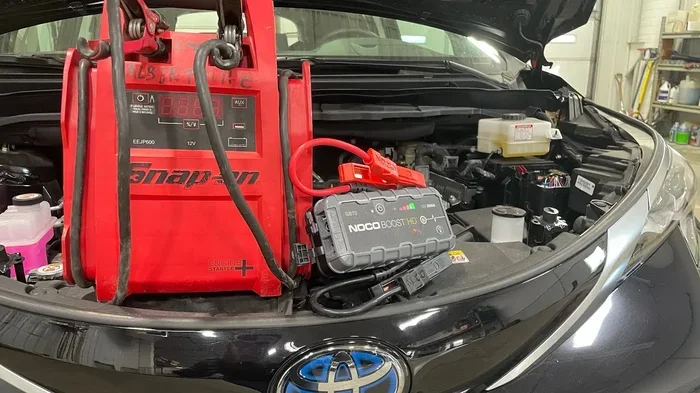
Before you do anything, make sure you have everything you need. You will require the following items:
- A set of jumper cables in good condition
- A second vehicle with a working battery
- Your Toyota hybrid owner’s manual (optional but helpful)
- Safety gloves and eyewear
Inspect your jumper cables before starting. Look for frayed wires or corroded clamps. Damaged cables can cause sparking or fail to transfer power properly. If your cables are in bad shape, do not use them. It is worth keeping a quality set of jumper cables in your trunk at all times. This is especially true for hybrid owners who may need a jump-start emergency kit at some point.
Step 2: Position Both Vehicles
Park the working vehicle close to your Toyota hybrid. The front bumpers should be facing each other but not touching. Make sure both cars are in park and the engines are off. Put the hybrid vehicle in the “Ready Off” mode or simply turn the ignition to the off position. This prevents any accidental power surges during the connection process.
For Toyota Prius owners, there is an extra step. Make sure the hybrid system is fully off. Press and hold the power button for at least three seconds until all the dashboard lights go off. This puts the car in a safe state for jump-starting.
Step 3: Connect the Jumper Cables
This is the most important step. Follow the order carefully to avoid damage:
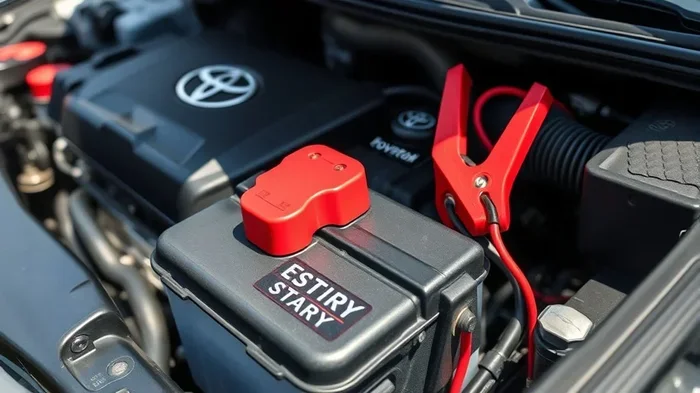
- Connect the red clamp to the positive terminal of the dead 12-volt battery in your hybrid.
- Connect the other red clamp to the positive terminal of the working battery in the other vehicle.
- Connect the black clamp to the negative terminal of the working battery in the other vehicle.
- Connect the remaining black clamp to an unpainted metal surface on your Toyota hybrid’s engine block. This is called grounding, and it is a critical safety step.
Never connect the last black clamp directly to the negative terminal of your hybrid’s dead 12-volt battery. This can cause sparks near the battery, which could ignite hydrogen gas. Grounding on the engine block is the safer approach for hybrid jump-starting.
Step 4: Start the Working Vehicle
Start the engine of the working vehicle and let it idle for a few minutes. This allows the 12-volt battery in the working car to send a charge to your hybrid’s dead battery. You should see the dashboard lights on your Toyota hybrid start to come alive. This is a good sign that power is flowing.
Wait about two to three minutes before attempting to start your hybrid. This gives the dead battery a chance to receive some charge. In cold weather, you may need to wait a little longer. The hybrid battery warning light on the dashboard may also illuminate during this process — this is normal and should not cause alarm.
Step 5: Start Your Toyota Hybrid
Now try starting your Toyota hybrid. Press the power button or turn the ignition. The car should start up normally. You may hear the hybrid system humming as it powers on. This is the electric motor preparing to assist the gasoline engine. Once the car is running, do not turn it off.
If the car does not start on the first try, wait another minute and try again. Sometimes the dead 12-volt battery needs more time to accept a charge. If it still does not start after a few attempts, the battery may be too far gone and need replacement. At that point, it is time to call for professional help.
Step 6: Disconnect the Jumper Cables
Once your Toyota hybrid is running, carefully disconnect the jumper cables in the reverse order you connected them:
- Remove the black clamp from the engine block of your hybrid.
- Remove the black clamp from the working vehicle’s battery.
- Remove the red clamp from the working vehicle’s battery.
- Remove the red clamp from your hybrid’s battery.
Let your hybrid run for at least 15 to 20 minutes after disconnecting the cables. This allows the 12-volt battery to recharge. The hybrid regenerative braking system also helps charge the battery while you drive. Keep the car running and avoid turning it off until the battery has had time to recover.
Quick Tips for a Successful Hybrid Jump-Start
Here are some practical tips that make the process smoother:
- Always read your Toyota owner’s manual before attempting a jump-start. Some models have specific instructions.
- Never let the jumper cable clamps touch each other once they are connected to a battery.
- Wear safety gloves to protect your hands from sparks or acid.
- Check the voltage of both batteries if possible. They should match — both 12 volts.
- Do not attempt to jump-start a hybrid with a damaged high-voltage battery. The process only addresses the 12-volt system.
Common Mistakes to Avoid When Jump-Starting a Hybrid
Even though jump-starting a Toyota hybrid is straightforward, mistakes can happen. Here are the most common errors people make and how to avoid them.
Connecting Cables to the Wrong Terminals
The most frequent mistake is connecting the red and black cables to the wrong terminals. Always double-check that the red clamp goes to positive and the black clamp goes to negative or ground. Reversing the connections can fry the car’s electronics or damage the hybrid battery system. Take a moment to read the cable labels and battery markings before making any connections.
Forgetting to Put the Hybrid in the Correct Mode
Toyota hybrids have a unique power mode system. If you try to jump-start the car while it is in “Ready” mode, you may not get the results you expect. Always make sure the hybrid is fully powered off before connecting the cables. For the Prius, this means holding the power button until the screen goes completely dark. This step is easy to forget but very important for a safe hybrid jump start.
Grounding the Black Clamp on the Wrong Surface
Some people connect the last black clamp directly to the negative terminal of the dead battery. This creates a spark risk, especially near the hybrid battery pack. Always ground the black clamp on a clean, unpainted metal surface away from the battery. The engine block is the best location for this. This simple step prevents accidents and keeps your jump-starting hybrid car experience safe.
Not Letting the Car Run Long Enough
After a successful jump-start, some owners turn the car off immediately. This is a big mistake. The 12-volt battery needs time to recharge after being drained. Turn off all unnecessary electrical loads — the radio, the air conditioning, the lights — and let the car run for at least 15 to 20 minutes. This gives the battery enough charge to restart the car later.
Ignoring a Repeatedly Dead Battery
If your 12-volt battery dies again shortly after a jump-start, there may be a deeper problem. The battery could be old and need replacement. There could also be a parasitic drain in the hybrid system. In this case, it is best to visit a Toyota dealer or a qualified mechanic. They can test the battery and diagnose any underlying hybrid battery issues.
When to Seek Professional Help
Most of the time, jump-starting a Toyota hybrid is a simple fix you can handle on your own. But there are situations where professional help is the right call. If you have tried jumping the car two or three times and it still will not start, the problem may be more than a dead 12-volt battery.
You should also call for help if you notice any of the following warning signs:
- The hybrid battery warning light stays on after a successful jump-start.
- You smell sulfur or rotten eggs near the battery area.
- The battery case appears swollen or cracked.
- The car starts but immediately dies again.
- You are unsure about any step in the process.
In these situations, do not keep trying to jump-start the hybrid. Calling roadside assistance or a Toyota-certified technician is the safest choice. They have the tools and training to handle hybrid vehicle electrical systems properly. Trying to force a start could cause more damage and lead to expensive repairs.
Hybrid Battery Maintenance Tips
The best way to avoid needing a jump-start is to keep your Toyota hybrid battery in good condition. Here are some simple maintenance tips that every hybrid owner should follow:
- Drive your hybrid regularly. The regenerative braking system needs regular use to keep the hybrid battery healthy.
- Keep the battery terminals clean. Corrosion on the 12-volt battery terminals can cause starting problems.
- Check the battery age. Most 12-volt batteries last three to five years. Replace yours before it fails.
- Avoid leaving electronics on when the car is off. This drains the 12-volt battery faster than normal.
- Get regular hybrid system checkups. A Toyota dealer can test both the high-voltage and low-voltage battery systems during routine service.
Following these simple steps will reduce the chances of a dead battery and keep your Toyota hybrid running smoothly for years to come. Prevention is always better than cure, especially when it comes to hybrid battery maintenance.
Final Thoughts
Jump-starting a Toyota hybrid car is something every hybrid owner should know how to do. It is a simple process once you understand the difference between the 12-volt battery and the high-voltage hybrid battery pack. By following the steps in this guide, you can safely and confidently jump-start your Toyota hybrid whenever you need to. Remember to connect the cables in the right order, ground the black clamp properly, and let the car run long enough to recharge. Avoid common mistakes, and do not hesitate to call for professional help if something does not feel right. With a little knowledge and preparation, you will never be stranded with a dead hybrid battery again.
Frequently Asked Questions
Can you jump-start a Toyota Prius hybrid the same way as a regular car?
Yes, the basic process is the same, but you must make sure the Prius is fully powered off before connecting the cables. The 12-volt battery in a Prius is what you jump, not the high-voltage hybrid battery pack. Always follow the correct cable connection order for a safe hybrid jump start.
How long should I let my Toyota hybrid run after a jump-start?
Let your Toyota hybrid run for at least 15 to 20 minutes after a jump-start. This gives the 12-volt battery time to recharge. The hybrid regenerative braking system also helps restore charge while you drive. Avoid turning the car off during this period.
Is it safe to jump-start a Toyota hybrid in the rain?
It is generally safe as long as you take proper precautions. Keep the jumper cables away from puddles and make sure your hands and the cables are dry. The hybrid battery system is well-insulated, but water and electricity do not mix well. If conditions are very wet, it is best to wait for better weather or call for roadside assistance.
What happens if you accidentally connect jumper cables the wrong way on a hybrid?
Reversing the jumper cable connections can damage the car’s electronics and the 12-volt battery. In some cases, it may also affect the hybrid control system. If this happens, disconnect the cables immediately and do not attempt to start the car. Have a professional inspect the vehicle before trying again.
Can a Toyota hybrid jump-start another car?
Yes, a Toyota hybrid can be used to jump-start another vehicle. The 12-volt battery in your hybrid can provide enough power to help start a regular gasoline car. Just make sure you follow the standard jump-start procedures and connect the cables in the correct order.
How do I know if my Toyota hybrid 12-volt battery needs replacement?
Signs of a failing 12-volt battery include slow cranking, dim dashboard lights, and frequent need for jump-starts. If your battery is more than three to five years old, it is a good idea to have it tested at a Toyota dealer. Regular hybrid battery maintenance can help you catch problems early.