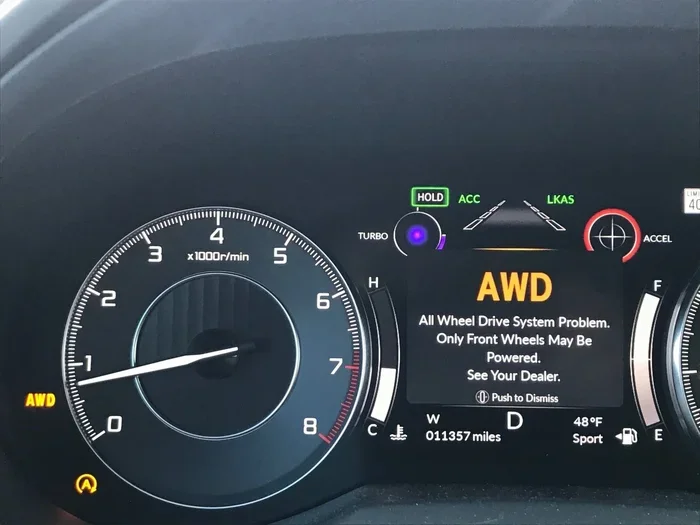
Can I Drive If My AWD Light Is On Here Is the Answer
So can I drive if my AWD light is on? The short answer is maybe, but it depends on what triggered the light. A glowing AWD warning light does not always mean you need to stop driving immediately. However, ignoring it can lead to serious drivetrain damage and unsafe driving conditions. This guide breaks down every possible cause, what it means for your safety, and exactly when you should pull over and call for help.
Key Takeaways
- You can often drive short distances if the AWD light comes on, but you should get it checked as soon as possible.
- Common causes include faulty wheel speed sensors, low fluid levels, and transfer case issues that affect your AWD system.
- Driving with a malfunctioning AWD system reduces traction especially on wet, icy, or gravel roads.
- Ignoring the AWD warning light can lead to expensive repairs that could have been prevented with early attention.
- The light behavior matters whether it stays solid, flashes, or comes and goes changes what you should do.
- Regular maintenance like checking fluid levels and inspecting sensors can prevent AWD problems before they start.
- When in doubt, consult a certified mechanic to diagnose the exact issue and recommend the right fix.
📑 Table of Contents
- Can I Drive If My AWD Light Is On? Here Is the Answer
- What Does the AWD Warning Light Mean?
- Common Reasons the AWD Light Comes On
- Is It Safe to Keep Driving?
- What Happens If You Ignore the AWD Light?
- How Mechanics Diagnose AWD Light Issues
- How to Prevent AWD System Problems
- AWD Light Comes On After an Oil Change? Here Is Why
- AWD Light and Check Engine Light Together
- Final Thoughts on Driving with the AWD Light On
Can I Drive If My AWD Light Is On? Here Is the Answer
You are driving down the road. Everything feels normal. Then you glance at the dashboard and see it. A bright little icon that you have never paid attention to before. The AWD light is on. Your heart skips a beat. You start wondering, can I drive if my AWD light is on? It is a scary moment for any driver. But here is the good news. In most cases, you do not need to panic.
The AWD warning light is your vehicle talking to you. It is trying to tell you something about your all-wheel drive system. Sometimes the issue is minor. Other times it signals something more serious. Either way, understanding what that light means can save you time, money, and stress. This article will walk you through everything you need to know. We will cover the common causes, whether it is safe to keep driving, and what steps to take next.
Let us be clear about one thing upfront. The AWD light coming on is not something you should ignore. Even if your car seems to drive fine, that glowing symbol on your dash is a signal worth investigating. Think of it like a check engine light. It does not always mean disaster. But it does mean you need to pay attention.
What Does the AWD Warning Light Mean?
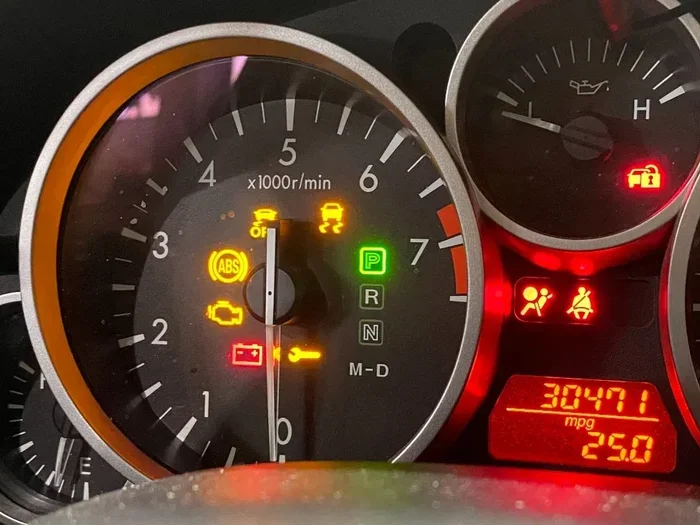
Before we answer whether you can keep driving, let us talk about what that light actually represents. The AWD warning indicator looks different depending on your vehicle. Some cars show a car icon with all four wheels highlighted. Others display text that says AWD or ALL WHEEL DRIVE. No matter the design, the meaning is the same. Something in your all-wheel drive system needs attention.
Your AWD system sends power to all four wheels instead of just two. This gives you better traction and stability. It is especially helpful in rain, snow, and off-road conditions. The system relies on sensors, fluid, and electronic controls to work properly. When one of those components fails, the warning light turns on.
Solid Light vs. Flashing Light
The behavior of the light matters a lot. A solid AWD warning light usually means a steady problem. It is not an emergency, but it is not something to brush off either. A flashing AWD light, on the other hand, often signals a more urgent issue. If the light is flashing rapidly, you should pull over safely and turn off the engine. Then check your owner manual or call for roadside assistance.
Some vehicles also show a message on the information screen along with the light. Messages like AWD OFF or CHECK AWD SYSTEM give you more clues about what is happening. Always read the full message if your car displays one.
Common Reasons the AWD Light Comes On
Now that you know what the light means, let us look at why it turns on in the first place. There are several common culprits. Each one affects your drivetrain differently. Understanding these causes helps you figure out how serious the problem really is.
Faulty Wheel Speed Sensors
This is the number one cause of AWD light activation. Wheel speed sensors monitor how fast each wheel is spinning. The AWD system uses this data to distribute power between the front and rear axles. When a sensor gets dirty, damaged, or fails, it sends incorrect information. The system cannot work properly, and the warning light comes on.
Wheel speed sensors are exposed to road conditions. Mud, ice, and debris can cover them up. Sometimes a simple cleaning fixes the problem. Other times the sensor needs to be replaced entirely. Either way, this is a relatively affordable repair compared to other AWD issues.
Low AWD Fluid or Transfer Case Problems
Your AWD system uses special fluid to lubricate the gears and transfer case. Over time, this fluid can leak or break down. Low fluid levels cause increased friction and overheating inside the drivetrain. When the system detects a problem, it triggers the warning light.
The transfer case is the component that splits engine power between the front and rear wheels. If the transfer case fails, your AWD system cannot function. You may notice grinding noises or difficulty shifting. These are clear signs that something is wrong under your vehicle.
Wiring and Electrical Issues
Modern AWD systems are controlled by computers and wiring harnesses. A corroded connector, frayed wire, or blown fuse can disrupt the entire system. Electrical problems are tricky because they can come and go. You might notice the AWD light flickering on and off randomly. This inconsistency does not mean the problem is gone. It means the electrical issue is intermittent and needs professional diagnosis.
ABS or Traction Control Problems
Your AWD system works closely with the ABS and traction control systems. They share sensors and modules. So when the ABS light is on, the AWD light might come on too. This happens because the electronic stability control module detects a fault in the shared network. In these cases, the problem may not be with the AWD components themselves but with the related systems.
Overheating of the AWD System
Heavy towing, off-roading, or driving in extreme conditions can cause the AWD system to overheat. When internal temperatures get too high, the system goes into protective mode. The warning light turns on to tell you to stop and let things cool down. If you have been pushing your vehicle hard, this is likely the cause. Pull over, rest the drivetrain, and the light should turn off after a while.
Computer Module or ECU Failure
In rare cases, the issue lies with the AWD control module or the engine control unit. These electronic brains manage your drivetrain operations. A software glitch or a hardware failure in the module can trigger the light even when everything else looks fine. This type of problem requires diagnostic scanning tools to identify properly.
Is It Safe to Keep Driving?
This is the question everyone wants answered. Can I drive if my AWD light is on and keep going? The answer depends on several factors. Let us break it down so you can make a smart decision in the moment.
When It Is Okay to Drive a Short Distance
If the AWD light comes on suddenly while you are driving and the car still feels normal, you can usually drive to a safe location or nearby mechanic. The vehicle will still operate in two-wheel drive mode. You will have power to the rear wheels (or front wheels, depending on your vehicle). This is enough to get you off the road or to the nearest service center.
However, keep your driving minimal and avoid highways if possible. You want to reduce stress on the drivetrain while the problem is unresolved. Think of it as a temporary workaround, not a long-term solution.
When You Should Stop Driving Immediately
There are situations where you should not keep driving at all. If you notice any of the following symptoms along with the AWD light, pull over and call for help:
- Strange noises like grinding, clicking, or whining coming from underneath the vehicle.
- Vibration or shaking in the steering wheel or the entire chassis while driving.
- Loss of power or the engine feels like it is struggling to accelerate.
- Fluid leaks underneath the car, especially near the transfer case or differential.
- Multiple warning lights on the dashboard at the same time, including the check engine light.
- The vehicle feels unstable or you notice a significant loss of traction on normal roads.
These symptoms suggest a serious drivetrain problem. Continuing to drive in this condition can cause catastrophic damage. You could end up stranded on the side of the road or facing a repair bill that is much higher than it needed to be.
Driving in Different Weather Conditions
Your AWD system is designed to help you drive safely in challenging conditions. When it is not working properly, your vehicle becomes less capable on wet, icy, or gravel roads. If you live in an area with harsh winters or frequent rain, a malfunctioning AWD system is a real safety concern. Even if you can technically drive, the lack of all-wheel traction puts you and your passengers at risk. This is another reason to address the AWD light promptly rather than postponing the repair.
What Happens If You Ignore the AWD Light?
It is tempting to just keep driving and hope the light goes away. We get it. Life is busy. But ignoring the AWD warning light is a risky choice. Here is what can happen if you put off the repair.
Progressive Drivetrain Damage
Your AWD system is interconnected. When one component fails, it puts extra stress on the others. A faulty wheel speed sensor might seem harmless, but the wrong data can cause the transfer case to work harder than it should. Over time, this extra strain leads to premature wear on gears, bearings, and seals. What starts as a small sensor issue can turn into a full transfer case replacement.
Reduced Fuel Efficiency
A malfunctioning AWD system can also hurt your fuel economy. When the drivetrain is not operating as designed, the engine works harder to compensate. You may notice your gas mileage dropping even though your driving habits have not changed. This is your vehicle telling you something is not right under the hood.
Safety Risks on the Road
Safety should always come first. A disabled AWD system means your vehicle handles differently than it was engineered to. In emergency situations, you need every advantage you can get. A working AWD system helps with cornering, braking, and stability. When it is not functioning, your vehicle is more prone to slipping, sliding, or losing control. No repair is worth risking your safety or the safety of others on the road.
Higher Repair Costs Down the Road
Here is the hard truth. Small problems become big problems when ignored. A wheel speed sensor might cost you around 100 to 200 dollars to replace. But if that same issue causes damage to the differential or transfer case, the repair cost jumps to 1,000 dollars or more. Addressing the AWD light early is almost always the cheaper option.
How Mechanics Diagnose AWD Light Issues
When you take your vehicle to a shop, the mechanic will follow a systematic process to find the root cause. Understanding this process helps you feel more confident about the repair.
Step 1: OBD-II Diagnostic Scan
The first thing any technician will do is hook up an OBD-II scanner. This tool reads the error codes stored in your vehicle computer. Each code corresponds to a specific problem in the AWD system or related components. The codes give the mechanic a starting point for the investigation.
Step 2: Visual Inspection
After reading the codes, the mechanic will do a visual inspection. They will look for fluid leaks, damaged wiring, worn CV joints, and obvious physical damage to the drivetrain components. Sometimes the problem is visible right away. Other times it requires deeper investigation.
Step 3: Test Drive and Live Data
Many modern shops use live data scanning during a test drive. This lets the technician see real-time sensor readings while the vehicle is in motion. They can watch how the wheel speed sensors are performing and whether the transfer case is engaging properly. This step is crucial for intermittent problems that do not show up when the car is stationary.
Step 4: Repair or Replace
Once the diagnosis is complete, the mechanic will explain the problem and recommend the appropriate fix. This could be as simple as cleaning a sensor or as complex as replacing a transfer case. You will get an estimate before any work is done. Always ask questions if something is unclear. A good mechanic wants you to understand the repair.
How to Prevent AWD System Problems
Prevention is always better than cure. Here are some simple habits that keep your AWD system healthy and your warning light off.
- Check your AWD fluid regularly. Follow your owner manual for the recommended service interval. Fresh fluid keeps everything running smoothly.
- Inspect wheel speed sensors during tire changes. These sensors are easy to access when your tires are off. A quick look can catch problems early.
- Avoid overloading your vehicle. Excess weight puts unnecessary strain on the drivetrain. Stay within your vehicle towing and payload limits.
- Address warning lights promptly. The moment you see the AWD light, do not wait. Early diagnosis prevents small issues from becoming big expenses.
- Keep your tires properly inflated and matched. Mismatched tire sizes or low tire pressure can confuse the AWD system and trigger the warning light.
- Drive gently in extreme conditions. If you are towing or off-roading, give your drivetrain time to cool down. Avoid prolonged heavy use without breaks.
AWD Light Comes On After an Oil Change? Here Is Why
Some drivers notice the AWD light appears right after an oil change or other service. This can be alarming. In most cases, it is not a coincidence. During service, technicians may accidentally bump a sensor or disconnect a wiring harness. The AWD system detects the disruption and triggers the light.
If this happens to you, go back to the service center where the work was done. They can check their work and reset the system. In many cases, the light turns off after a simple reset. If the light persists, there may be an unrelated issue that was already present before the service.
AWD Light and Check Engine Light Together
When both the AWD light and the check engine light are on at the same time, it is a sign that the problem may be more complex. These two systems share the electronic control module. A fault in one can trigger warnings in the other. Common shared causes include the vehicle speed sensor, the electronic stability control module, and the powertrain control module.
Do not assume one light caused the other. Have a professional run a full diagnostic to identify all active codes. This ensures nothing is missed and you get a complete picture of your vehicle health.
Final Thoughts on Driving with the AWD Light On
So can I drive if my AWD light is on? The answer is yes, in most cases you can drive a short distance to get to safety or a repair shop. But that does not mean you should. Your AWD system is a critical part of how your vehicle handles and performs. When the warning light is on, something is out of balance. The sooner you get it checked, the better off you will be.
Remember that every situation is different. The cause of the light, your driving conditions, and the overall health of your vehicle all play a role in deciding what to do next. Trust your instincts. If something feels wrong, do not take chances. Pull over and seek professional help. Your safety and your wallet will thank you in the long run.
Take care of your vehicle and it will take care of you. The AWD light is just one of many ways your car communicates with you. Learning to listen is one of the best things you can do as a driver. Stay informed, stay proactive, and keep your all-wheel drive system in top shape for many miles to come.
Frequently Asked Questions
What should I do immediately if my AWD light comes on while driving?
Stay calm and find a safe place to pull over. Check your dashboard for any other warning lights. If your vehicle feels and sounds normal, you can carefully drive to the nearest mechanic. If you notice unusual noises, vibrations, or loss of power, turn off the engine and call for roadside assistance.
How much does it cost to fix the AWD warning light?
The cost varies widely depending on the cause. A simple wheel speed sensor replacement might cost 100 to 250 dollars. Transfer case repairs can range from 500 to 2,000 dollars or more. Always get a detailed estimate before authorizing any work so you know exactly what you are paying for.
Can low transmission fluid cause the AWD light to come on?
Yes, it can. Low or contaminated AWD fluid affects the transfer case and differential operation. The system detects the problem and activates the warning light. Regular fluid checks and changes are one of the easiest ways to prevent this issue.
Will the AWD light turn off by itself?
Sometimes it will, especially if the issue was temporary like a sensor getting temporarily dirty. However, if the light stays on or keeps coming back, there is a persistent problem that needs professional diagnosis. Do not assume the issue is resolved just because the light is off.
Is it safe to drive in snow with the AWD light on?
It is not recommended. Your AWD system provides crucial traction in snowy conditions. Without it working properly, your vehicle is more likely to slip or lose control. If you must drive in snow with the AWD light on, do so very cautiously and only for short distances.
How often should I have my AWD system inspected?
Most manufacturers recommend inspecting the AWD system during every major service interval, typically every 30,000 to 60,000 miles. Between services, pay attention to any unusual noises, vibrations, or warning lights. Early detection of AWD problems saves you from costly repairs down the road.
=== CONCLUSION ===
The AWD warning light is something no driver wants to see. But now you know the answer to can I drive if my AWD light is on. You can usually drive a short distance, but you should not delay getting the problem diagnosed. Whether the cause is a simple sensor issue or something more serious, addressing it quickly protects your safety and your wallet.
Keep up with regular maintenance, listen to what your vehicle is telling you, and never ignore warning lights on your dashboard. Your AWD system works hard to keep you safe on the road. The least you can do is return the favor by taking care of it. Drive smart, stay safe, and keep that all-wheel drive system running strong for years to come.