Are Toyota Highlanders Reliable for Long Term Ownership
The Toyota Highlander is widely regarded as one of the most reliable SUVs on the road today. Owners consistently praise its durability, low maintenance costs, and impressive longevity. If you are looking for a family SUV that will last 200,000+ miles with minimal headaches, the Highlander deserves serious consideration.
Are Toyota Highlanders reliable for long-term ownership? This is a question many car buyers ask before spending $40,000 or more on a family SUV. The short answer is a resounding yes. Toyota has built a reputation for building vehicles that just keep going and going. The Highlander sits comfortably in the middle of Toyota’s lineup. It offers more space than the RAV4 but stays more manageable than the full-size Sequoia. Over the years, the Highlander has earned a loyal following. Families love its three-row seating. Owners love its low cost of ownership. And mechanics love how straightforward it is to work on.
In this article, we will dive deep into Toyota Highlander reliability. We will explore common problems, maintenance costs, engine options, and real-world owner experiences. Whether you are buying a used Highlander or planning to keep a new one for a decade, this guide has you covered. Let us break down everything you need to know about long-term ownership of this popular SUV.
Key Takeaways
- Exceptional Long-Term Reliability: Toyota Highlanders routinely last 200,000 to 300,000 miles with proper care.
- Low Maintenance Costs: Compared to competitors, upkeep costs remain below average for the SUV class.
- Strong Resale Value: Highlanders hold their value remarkably well over time.
- Common Issues Are Minor: Most reported problems are small and easily fixable.
- Hybrid Models Add Efficiency: The hybrid version offers excellent fuel economy without sacrificing reliability.
- Proven Engine and Transmission: The V6 and hybrid powertrains have proven track records of durability.
- Great Family SUV Choice: Its spacious interior and safety features make it ideal for long-term family use.
📑 Table of Contents
- Toyota Highlander Reliability Overview
- Common Toyota Highlander Problems
- Toyota Highlander Maintenance Costs
- Toyota Highlander Lifespan and Longevity
- Toyota Highlander Hybrid: Reliable and Efficient
- Toyota Highlander Reliability Compared to Competitors
- Tips for Long-Term Toyota Highlander Ownership
- Is the Toyota Highlander Worth It for Long-Term Ownership?
- Conclusion
Toyota Highlander Reliability Overview
When it comes to Toyota Highlander reliability, the numbers speak for themselves. Consumer Reports consistently rates the Highlander as one of the most dependable SUVs available. J.D. Power gives it above-average scores for both initial quality and long-term dependability. The Highlander has few of the major issues that plague competitors in its class.
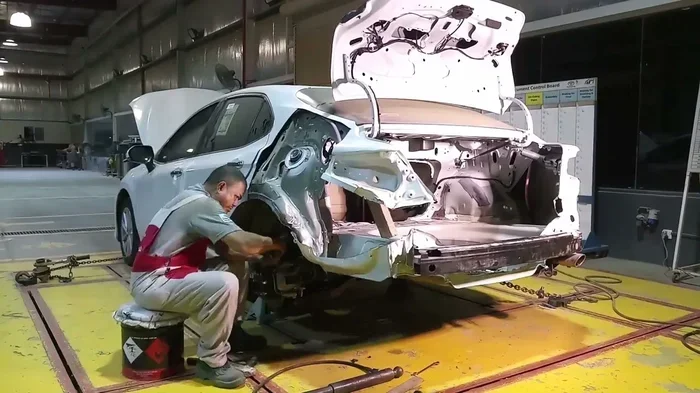
Toyota designs its vehicles with simplicity in mind. The Highlander is no exception. Fewer complex features means fewer things that can go wrong. This philosophy has served Toyota well for decades. The Highlander has been around since 2000, and each generation has improved on the last. The current generation, which launched in 2020, features a more refined powertrain and updated safety technology. But the core DNA remains the same: build it tough, keep it simple, and it will last.
What Makes the Highlander So Reliable?
Several factors contribute to the Highlander’s strong reliability ratings. First, Toyota uses proven powertrains. The V6 engine has been refined over many years. The hybrid system is based on technology used in the Camry and RAV4 Hybrid. These are well-tested platforms with millions of miles of real-world data. Second, Toyota builds the Highlander with quality materials. The suspension components, braking system, and transmission are designed for durability. Third, Toyota’s manufacturing process is among the best in the industry. Tight quality control means fewer defects leave the factory.
Another reason for the Highlander’s reliability is its relatively simple design. The vehicle does not try to be overly complicated. There are no turbo systems that can fail. No dual-clutch transmissions that need special fluid changes. Just a straightforward, time-tested drivetrain. This simplicity translates directly into fewer repair bills over the life of the vehicle.
Common Toyota Highlander Problems
No vehicle is perfect. Even the most reliable Toyota Highlander will have some issues over time. The good news is that most problems are minor and easy to fix. Let us look at the most commonly reported issues by owners and reviewers.
Transmission Concerns
The 8-speed automatic transmission in the current Highlander has received mixed feedback. Some owners report occasional harsh shifts, especially at low speeds. This is not a widespread problem, but it does appear in forums and owner reviews. The older 6-speed transmission in the second-generation Highlanders (2008-2013) was generally smoother. If you are shopping for a used model, this is worth noting.
Electrical Gremlins
Like many modern vehicles, the Highlander can develop minor electrical issues. Some owners report infotainment system glitches. Others mention intermittent sensor warnings. These problems are rarely serious. A software update or a simple sensor replacement usually fixes them. Toyota has also addressed some of these issues through recalls and technical service bulletins.
Suspension Wear
The Highlander is a larger vehicle. It carries a lot of weight. Over time, suspension components like shocks and struts may wear out. This typically happens around the 100,000-mile mark. Replacement costs are reasonable compared to many competitors. A full set of shocks usually runs between $800 and $1,200 installed. This is a normal maintenance expense, not a sign of poor reliability.
Toyota Highlander Transmission Problems and Other Notable Issues
Transmission concerns are among the most discussed topics in Toyota Highlander forums. While serious transmission failures are rare, some drivers notice shifting firmness. This is more of a comfort issue than a reliability threat. Other owners mention brake squeal after extended use. This is common in many SUVs and is easily addressed with pad replacement. A small number of owners have reported coolant leaks. These typically stem from the water pump or radiator hoses. Regular coolant flushes help prevent this issue.
Overall, the list of common problems is manageable. None of these issues are deal-breakers. They are simply part of owning any vehicle for many years. The key is staying on top of scheduled maintenance. This keeps small issues from becoming expensive repairs.
Toyota Highlander Maintenance Costs
One of the biggest advantages of Toyota Highlander ownership is the low cost of maintenance. Toyota vehicles are known for being affordable to maintain. The Highlander is no exception. According to RepairPal, the average annual maintenance cost for a Highlander is around $440. This is well below the average for mid-size SUVs, which sits at about $530.
Routine Maintenance Schedule
Staying current with routine maintenance is the best way to ensure long-term reliability. Here is a basic maintenance schedule for the Toyota Highlander:
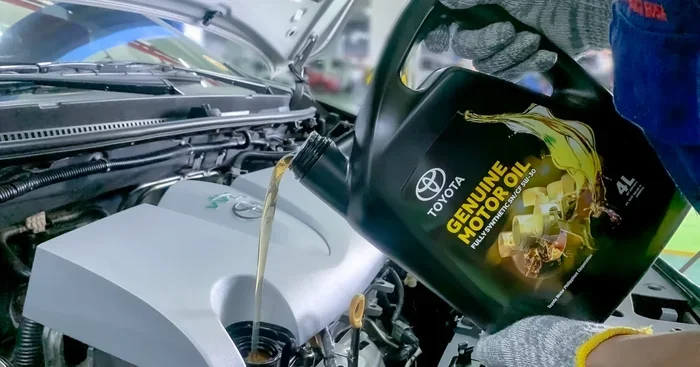
- Oil Changes: Every 5,000 to 10,000 miles depending on driving conditions. Synthetic oil is recommended.
- Tire Rotations: Every 5,000 to 7,500 miles. This promotes even tire wear and extends tire life.
- Brake Inspections: Checked during every oil change. Pads typically last 30,000 to 50,000 miles.
- Coolant Flush: Every 30,000 to 60,000 miles. Prevents overheating and corrosion.
- Transmission Fluid: Changed every 60,000 to 100,000 miles. This keeps the transmission shifting smoothly.
- Spark Plugs: Replaced every 60,000 to 100,000 miles depending on the engine type.
- Timing Belt: Replaced at 105,000 miles on V6 models. This is a major but scheduled service.
How Maintenance Costs Compare
When compared to other SUVs in the class, the Highlander holds up well. Here is a quick comparison of average annual maintenance costs:
- Toyota Highlander: $440 per year
- Honda Pilot: $480 per year
- Ford Explorer: $560 per year
- Chevrolet Traverse: $590 per year
- Nissan Pathfinder: $510 per year
As you can see, the Highlander is one of the more affordable SUVs to maintain. This is a direct result of Toyota’s reputation for building durable, straightforward vehicles. Fewer trips to the repair shop means more money in your pocket over the life of the vehicle.
Toyota Highlander Lifespan and Longevity
How long does a Toyota Highlander last? This is the heart of the question about long-term ownership. The answer is encouraging. With proper care, a Toyota Highlander can easily reach 200,000 miles or more. Many owners report crossing the 250,000-mile mark without major issues. Some dedicated owners have even pushed their Highlanders past 300,000 miles.
What Affects the Highlander’s Lifespan?
Several factors influence how long a Highlander will last. Regular maintenance is the most important. Changing oil on schedule and using the correct fluid types makes a huge difference. Driving habits also play a role. Gentle acceleration and braking reduce wear on the engine and transmission. Climate matters too. Highlanders in warm, dry climates tend to last longer than those in harsh winter environments. Road conditions are another factor. Vehicles driven mostly on highways typically outlast those used for short, stop-and-go trips.
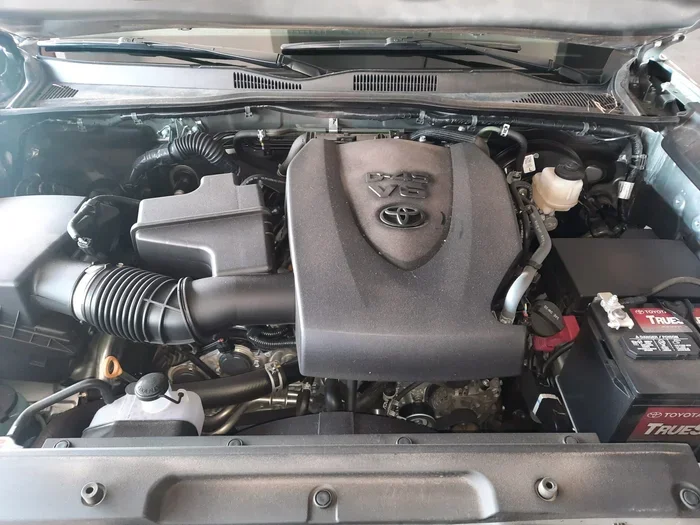
The engine and transmission also matter. The 3.5-liter V6 in the standard Highlander is a proven workhorse. It produces 295 horsepower and is paired with an 8-speed automatic. The hybrid powertrain combines a 2.5-liter four-cylinder with dual electric motors. This system produces 243 horsepower combined. Both powertrains are known for their durability. The hybrid system adds complexity, but Toyota has refined this technology over many years.
Real-World Longevity Examples
There are countless examples of Highlander owners reaching impressive mileage milestones. Online forums are filled with stories of owners hitting 200,000 miles without a major engine or transmission failure. Some owners report needing only routine maintenance and minor repairs even well past the 150,000-mile mark. This kind of longevity is what makes the Highlander such a smart choice for long-term ownership.
If you buy a used Highlander with 100,000 miles on the odometer, you can expect many more years of service. The vehicle is already past its steepest depreciation curve. With proper care, it can easily provide another 100,000 miles or more of reliable transportation.
Toyota Highlander Hybrid: Reliable and Efficient
The Toyota Highlander Hybrid is an excellent choice for long-term ownership. It combines the reliability of the standard Highlander with improved fuel economy. The hybrid system adds electric motors and a battery pack. These components are designed to last the life of the vehicle. Toyota warrants the hybrid battery for 8 to 10 years or up to 100,000 miles, depending on the state.
Fuel economy is a major benefit of the hybrid Highlander. The standard V6 model gets around 21 mpg in the city and 29 mpg on the highway. The hybrid version delivers approximately 36 mpg combined. Over many years of ownership, these fuel savings add up significantly. For families who drive a lot, the hybrid can save thousands of dollars at the pump.
The hybrid system itself is remarkably reliable. Toyota has been producing hybrid vehicles since the late 1990s. The technology is mature and well-proven. The battery packs in Toyota hybrids are known for their longevity. Many owners report no battery issues even after 150,000 miles. When the battery does eventually need replacement, costs have come down significantly in recent years.
Hybrid vs. V6: Which Is Better for Long-Term Ownership?
Both powertrains are excellent choices. The V6 offers more raw power and towing capability. The hybrid offers better fuel economy and a smoother driving experience. For most families, the hybrid is the smarter long-term choice. Lower fuel costs mean more savings over time. The hybrid system is also simpler in some ways, with fewer mechanical components under the hood. That said, the V6 has its own proven track record. Either option will serve you well for many years.
Toyota Highlander Reliability Compared to Competitors
How does the Highlander stack up against other SUVs? Let us compare it to some popular rivals in the three-row SUV segment.
Highlander vs. Honda Pilot
The Honda Pilot is a strong competitor. It offers a refined V6 engine and a comfortable interior. Both vehicles are reliable. The Pilot scores slightly lower on long-term dependability ratings, but it is still a solid choice. The Highlander has a slight edge in predicted reliability and resale value.
Highlander vs. Ford Explorer
The Ford Explorer is more powerful and offers a turbocharged engine option. However, it has historically had more reliability issues than the Highlander. The Explorer’s 10-speed transmission has had some teething problems in earlier model years. The Highlander’s simpler drivetrain tends to be more trouble-free over time.
Highlander vs. Hyundai Palisade
The Hyundai Palisade is a strong newcomer to the segment. It offers a lot of features for the price. However, long-term reliability data is still limited. The Palisade has a 10-year/100,000-mile powertrain warranty, which is attractive. The Highlander’s proven track record gives it an edge for buyers who prioritize long-term dependability.
Tips for Long-Term Toyota Highlander Ownership
Owning a Highlander for many years is relatively straightforward. A few simple habits will keep your vehicle running strong for the long haul.
Follow the Maintenance Schedule
This is the single most important thing you can do. Stick to the factory-recommended maintenance intervals. Use Toyota genuine parts or high-quality aftermarket alternatives. Keep records of all services. This documentation is valuable if you ever sell the vehicle.
Address Small Issues Promptly
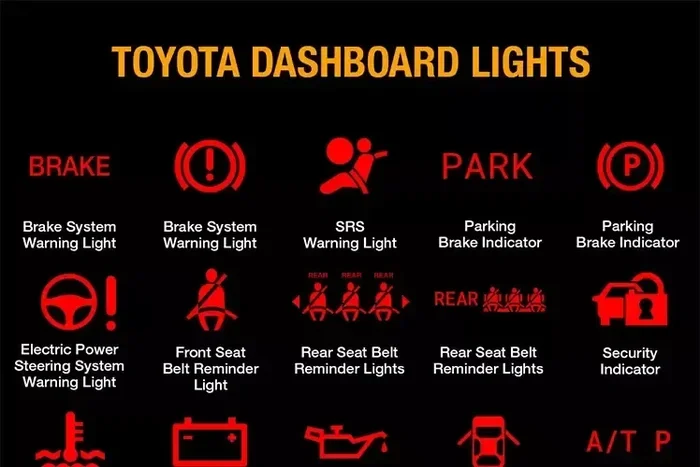
Do not ignore warning lights or unusual sounds. A small coolant leak can become a major engine problem if left unchecked. A slight vibration at idle could indicate a mount issue that will worsen over time. Catching problems early saves money and prevents bigger headaches down the road.
Keep It Clean
Regular washing and waxing protect the paint and undercarriage. In cold climates, washing the undercarriage during winter helps prevent rust. Clean interior surfaces last longer and look better. These simple steps preserve the vehicle’s value and appearance.
Drive with Care
Avoid aggressive driving habits. Smooth acceleration and gentle braking reduce wear on brakes, tires, and engine components. Allow the engine to warm up properly in cold weather before driving hard. These habits add up to significant longevity benefits over thousands of miles.
Find a Trusted Mechanic
Build a relationship with a reliable mechanic or service center. A good technician will know your vehicle’s history and catch potential issues early. Toyota dealerships offer factory-trained technicians, but independent shops can also provide excellent service at lower costs.
Is the Toyota Highlander Worth It for Long-Term Ownership?
After examining all the evidence, the answer is clear. The Toyota Highlander is an excellent choice for long-term ownership. Its reliability is well-documented. Its maintenance costs are low. Its lifespan is impressive. And its resale value remains strong. Few vehicles in this class can match the Highlander’s combination of durability, practicality, and value.
If you are planning to keep a vehicle for 10, 15, or even 20 years, the Highlander is a smart pick. It will serve your family well through thousands of road trips, daily commutes, and everything in between. The Toyota Highlander reliability record speaks for itself. This is a vehicle that you can buy and forget about, which is exactly what you want in a long-term family SUV.
Whether you choose the V6 or the hybrid model, you are making a sound investment. Both versions offer the same core reliability that Toyota is known for. Add in the spacious interior, strong safety ratings, and comfortable ride, and you have a package that is hard to beat. The Highlander may not be the most exciting SUV on the market. But for long-term ownership, it is one of the smartest choices you can make.
Do your research before buying. Check the specific model year for any known recalls or technical service bulletins. Get a pre-purchase inspection if buying used. And most importantly, commit to regular maintenance. Follow these steps, and your Toyota Highlander will reward you with years of dependable, worry-free service.
Conclusion
The Toyota Highlander stands out as a top choice for buyers who want a reliable SUV for the long haul. Its proven track record, low maintenance costs, and impressive lifespan make it one of the best values in the three-row SUV segment. Whether you are a first-time Highlander buyer or a longtime Toyota fan, this vehicle delivers on its promise of dependable, affordable transportation. The numbers back up the claims. The owner experiences confirm the reliability. And the overall ownership experience is consistently positive. If long-term reliability matters to you, the Toyota Highlander reliability record should give you confidence in your purchase. This is a vehicle built to last, and it will keep on going for years to come.
Frequently Asked Questions
How many miles can a Toyota Highlander last?
With proper maintenance, a Toyota Highlander can easily last 200,000 to 300,000 miles. Many owners report reaching the 250,000-mile mark without major issues. Regular oil changes, fluid flushes, and timely repairs are key to maximizing the vehicle’s lifespan.
What are the most common Toyota Highlander problems?
The most common issues include occasional transmission shift firmness, minor electrical glitches, and suspension wear around 100,000 miles. These are generally minor and affordable to fix. Serious mechanical failures are rare in the Highlander.
Is the Toyota Highlander Hybrid more reliable than the V6 model?
Both models are highly reliable. The hybrid system adds some complexity, but Toyota has refined this technology over many years. The hybrid battery is warrantied for 8 to 10 years. Overall, both versions have excellent long-term reliability records.
How much does it cost to maintain a Toyota Highlander?
The average annual maintenance cost is around $440, which is below the industry average for mid-size SUVs. Routine services like oil changes, tire rotations, and brake inspections keep costs low. Major repairs are uncommon thanks to the vehicle’s durable design.
Does the Toyota Highlander hold its value well?
Yes, the Highlander holds its value remarkably well. Toyota’s strong brand reputation and proven reliability contribute to high resale values. A well-maintained Highlander will retain a significant portion of its original purchase price over time.
What model years of the Toyota Highlander are most reliable?
The 2018, 2019, 2020, and 2023 model years are often cited as the most reliable. Earlier generations from 2005 to 2013 also have strong reliability records. Avoiding model years with known recalls and checking consumer reports for specific years is always a good practice.