Are Toyota Camrys Expensive to Fix What the Data Shows
Are Toyota Camrys expensive to fix? The data shows they are among the most affordable sedans to maintain. Toyota Camrys consistently rank low for repair costs compared to other vehicles in their class. With strong reliability ratings and widely available parts, owning a Camry keeps your auto repair bills surprisingly manageable.
Are Toyota Camrys Expensive to Fix? Here Is What the Data Shows
If you are shopping for a reliable sedan, you have probably wondered about Toyota Camry repair costs. The big question is simple: are Toyota Camrys expensive to fix? The short answer is no. The data consistently shows that Toyota Camrys are some of the most affordable vehicles to maintain and repair on the road today.
Whether you are buying a used Camry or already own one, understanding the real costs of ownership matters. Repair expenses, routine maintenance, and unexpected breakdowns all add up over time. This article breaks down the numbers so you know exactly what to expect. You will learn about common repairs, average costs, and why the Camry stays so affordable to own.
Let us look at the data behind the Toyota Camry and what it means for your wallet. By the end, you will have a clear picture of whether this popular sedan fits your budget and your needs.
Key Takeaways
- Low Repair Costs: Toyota Camrys cost less to fix than most competing sedans, according to industry data.
- Reliable Over Time: The Camry consistently earns top reliability ratings from Consumer Reports and J.D. Power.
- Affordable Parts: Toyota parts are widely available and reasonably priced, reducing the total cost of ownership.
- Routine Maintenance Is Simple: Oil changes, brake pads, and filters are inexpensive and easy to find.
- Older Models Are Budget-Friendly: Even higher-mileage Camrys tend to have lower repair costs than many newer vehicles.
- Common Issues Are Minor: Most Camry repairs are small and infrequent, keeping your garage visits rare.
- Strong Resale Value: Camrys hold their value well, which offsets any maintenance expenses over time.
📑 Table of Contents
- How Much Does It Cost to Fix a Toyota Camry?
- Common Toyota Camry Repairs and Their Costs
- Toyota Camry Maintenance Schedule and Costs
- Toyota Camry Reliability Ratings
- Toyota Camry Common Problems by Model Year
- Why Toyota Camrys Are Cheap to Maintain Long Term
- Quick Tips to Keep Toyota Camry Repair Costs Low
- Common Mistakes Camry Owners Make
- Expert Insights on Toyota Camry Ownership Costs
- Is a Toyota Camry Worth the Investment?
How Much Does It Cost to Fix a Toyota Camry?
Understanding Toyota Camry repair costs starts with the numbers. Industry sources like RepairPal and NHTSA data give us a clear picture of what owners pay over time. The average annual repair cost for a Toyota Camry sits around $400 to $500. That is well below the national average for all vehicles, which hovers around $650 per year.
So when people ask, are Toyota Camrys expensive to fix, the data gives a clear no. The Camry ranks in the bottom quarter for maintenance costs among all sedans. This makes it one of the most budget-friendly options on the market.
What Drives These Low Repair Costs?
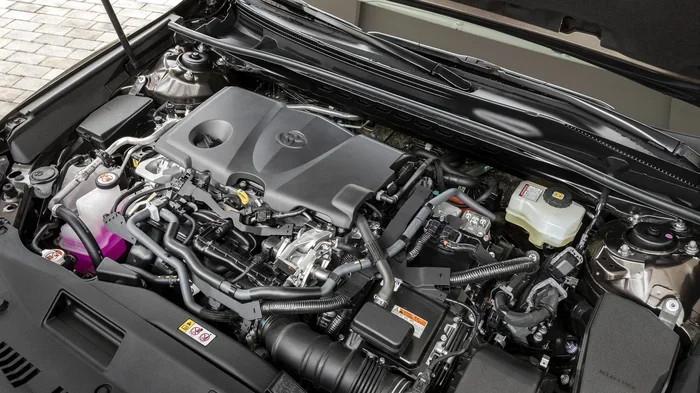
Several factors keep Toyota Camry repair bills low. First, Toyota designs the Camry with simplicity in mind. Fewer complex systems mean fewer things that can go wrong. Second, Toyota parts are mass-produced and widely available. Mechanics do not need to special-order components, which keeps labor and parts costs down.
Third, the Camry has been around for decades. This long production history means mechanics are very familiar with the vehicle. They can diagnose and fix problems quickly, which reduces labor charges. Finally, Toyota builds the Camry with durable materials that last longer than many competitors.
Common Toyota Camry Repairs and Their Costs
Even reliable cars need repairs from time to time. Knowing the most common Toyota Camry problems helps you budget ahead. Here is a look at what Camry owners typically face and what each repair costs.
Brake Repairs
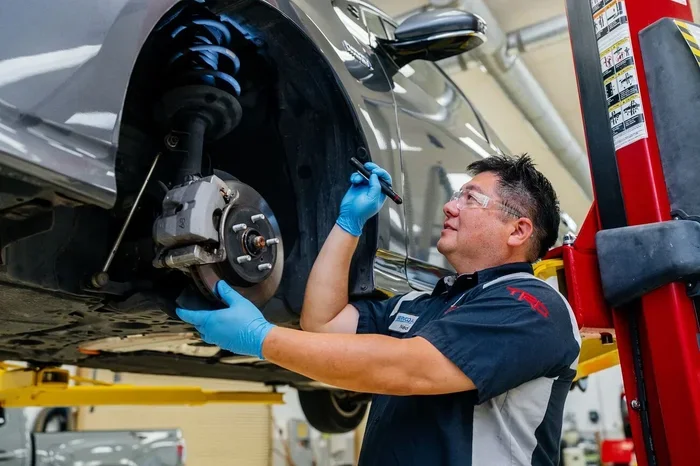
Brake pads and rotors are the most common repair on any vehicle, and the Camry is no exception. Replacing brake pads on a Camry typically costs between $150 and $300 per axle. Rotor replacements add another $200 to $400 per axle. These are routine maintenance items, not surprises.
One reason brake costs stay low on the Camry is the simple brake system design. Toyota uses straightforward components that are easy to access and replace. Many independent shops can handle this job quickly and affordably.
Battery Replacement
Toyota Camry batteries usually last between three and five years. Replacement costs range from $150 to $300, including the part and labor. Some Toyota dealerships offer free battery testing, which helps you catch a weak battery before it leaves you stranded.
Battery failure is one of the most common reasons for a no-start situation. Keeping an eye on your battery age can save you from an unexpected trip to the shop.
Suspension Components
Worn shocks, struts, and control arm bushings are common on higher-mileage Camrys. Suspension repairs typically cost between $200 and $800 depending on the component. Rear strut replacements tend to be on the higher end of that range.
Regular alignment checks can help extend the life of suspension parts. Hitting potholes and speed bumps at high speed accelerates wear, so driving carefully on rough roads helps.
Transmission Service
The Camry has a strong reputation for transmission reliability. Most Camrys use either a traditional automatic or a continuously variable transmission (CVT). Transmission fluid changes are recommended every 30,000 to 60,000 miles. The cost for a fluid change is around $100 to $200.
Major transmission repairs are rare on the Camry. This is one area where the vehicle truly shines compared to competitors. When was the last time you heard about a Camry transmission failure? It is uncommon, and that is a big reason why the Camry stays affordable to own.
Toyota Camry Maintenance Schedule and Costs
Staying on top of routine maintenance is the best way to keep repair costs low. A well-maintained Camry will run smoothly for hundreds of thousands of miles. Here is a breakdown of the key maintenance items and what they cost.
Oil Changes
Oil changes are the backbone of vehicle maintenance. For a Toyota Camry, an oil change costs between $40 and $80 at most shops. Toyota recommends using conventional or synthetic oil, and the filter should be replaced with every oil change.
Some owners prefer to do this at home to save money. A DIY oil change costs around $25 to $40 in materials. Either way, staying current on oil changes protects the engine and prevents costly repairs down the road.
Tire Rotation and Alignment
Tire rotation is recommended every 5,000 to 7,500 miles. The cost is typically $25 to $50 per rotation. Wheel alignment should be checked every 10,000 miles or when you notice pulling to one side. A full alignment costs between $75 and $150.
Regular tire maintenance extends tire life and improves fuel economy. It also keeps the Camry handling safely on the road.
Spark Plugs and Air Filters
Spark plug replacement on a Camry is needed every 30,000 to 60,000 miles. The cost ranges from $100 to $200 depending on the engine type. Air filters should be replaced every 15,000 to 30,000 miles and cost between $20 and $50.
These are simple, inexpensive jobs that keep the engine running efficiently. Skipping them can lead to reduced fuel economy and performance issues over time.
Toyota Camry Reliability Ratings
Reliability is the biggest reason Toyota Camrys are cheap to fix. The Camry consistently earns top marks from trusted sources. Consumer Reports gives the Camry above-average reliability scores year after year. J.D. Power rates the Camry highly for both initial quality and long-term dependability.
RepairPal gives the Camry a reliability rating of 4.0 out of 5.0. That places it in the top tier of all sedans. When a vehicle is reliable, it means fewer surprise breakdowns and fewer expensive repairs. This is exactly why people ask, are Toyota Camrys expensive to fix, and then feel relieved by the answer.
How Does the Camry Compare to Competitors?
The Camry faces competition from Honda Accord, Nissan Altima, Hyundai Sonata, and Mazda6. Here is how they stack up on average annual repair costs.
- Toyota Camry: $400 to $500 per year
- Honda Accord: $420 to $520 per year
- Nissan Altima: $480 to $580 per year
- Hyundai Sonata: $450 to $550 per year
- Mazda6: $440 to $540 per year
The Camry sits at the top of this list for affordability. Honda comes in close behind, but Toyota edges ahead with slightly lower costs across most categories. Nissan and Hyundai tend to cost more, especially as the vehicles age.
Toyota Camry Common Problems by Model Year
Not all Camrys are created equal when it comes to reliability. Certain model years have known issues that can affect repair costs. Here is a quick look at common problems across different generations.
2007 to 2011 Camry
These early 2010s Camrys are known for a few issues. Some models experienced steering rack problems that caused wandering or stiff steering. Transmission hesitation was also reported in some V6 models. Both repairs can cost between $500 and $1,500, but they are not universal across all units.
2012 to 2017 Camry
The mid-2010s Camry is generally very reliable. Some owners reported occasional brake squeal and coolant leaks from the water pump. These are minor repairs that cost between $150 and $400. Overall, this generation is considered one of the most trouble-free Camry years.
2018 to Present Camry
The current-generation Camry introduced a more sporty design and a new platform. Some owners have reported infotainment glitches and occasional hybrid battery concerns. However, major mechanical issues remain rare. Toyota continued to build on the Camry’s strong reputation for dependability.
Why Toyota Camrys Are Cheap to Maintain Long Term
The long-term ownership cost of a Camry is one of its biggest selling points. Here is why the Camry stays affordable over many years of ownership.
Parts Availability and Pricing
Toyota parts are among the most affordable in the industry. Because the Camry is one of the best-selling cars in America, parts are mass-produced and widely stocked. You can find OEM and aftermarket parts at almost any auto parts store. This availability keeps both parts costs and labor costs low.
Wide Service Network
Toyota has one of the largest dealer networks in the country. Even if you do not visit a dealership, most independent mechanics are familiar with Camrys. You are not limited to expensive dealerships for service. This competition among repair shops keeps labor rates reasonable.
Fuel Efficiency Savings
The Camry is a fuel-efficient sedan. The standard four-cylinder engine delivers around 28 to 32 miles per gallon in combined driving. The hybrid model achieves even better fuel economy at 40 to 51 mpg combined. Lower fuel costs mean more money in your pocket each month, which helps offset any maintenance expenses.
Strong Resale Value
Camrys hold their value remarkably well. A five-year-old Camry retains about 60 to 65 percent of its original value. This strong resale value means that even if you do spend money on repairs, the Camry loses less value than competing vehicles. Over time, the total cost of ownership is lower.
Quick Tips to Keep Toyota Camry Repair Costs Low
Taking a proactive approach to Camry ownership can save you hundreds of dollars over the years. Here are practical tips that work.
- Follow the maintenance schedule: Stick to Toyota’s recommended service intervals. Regular oil changes, fluid flushes, and inspections prevent major problems.
- Find a trusted independent mechanic: Dealerships charge more for labor. A skilled independent mechanic can handle most Camry repairs at a lower cost.
- Address small problems early: A small noise or warning light today can become a big repair bill tomorrow. Do not ignore unusual sounds or dashboard alerts.
- Use quality parts: OEM parts are more expensive upfront but last longer. Aftermarket parts from reputable brands are a good budget-friendly alternative.
- Keep records of all repairs: A maintenance log helps you track what has been done and what is coming next. It also increases resale value.
- Drive gently: Aggressive driving wears out brakes, tires, and the engine faster. Smooth driving extends the life of every component.
Common Mistakes Camry Owners Make
Even with a reliable vehicle like the Camry, some owner habits lead to unnecessary repair costs. Here are the most common mistakes to avoid.
Skipping Oil Changes
Some owners push oil changes too far past the recommended interval. Old oil loses its lubricating properties and can cause engine wear. This is one of the cheapest maintenance items, yet skipping it can lead to expensive engine damage.
Ignoring Dashboard Warning Lights
Modern Camrys have sophisticated diagnostic systems. When a warning light comes on, it is trying to tell you something. Ignoring it can turn a $50 fix into a $500 repair.
Using Low-Quality Fuel
The Camry runs best on regular unleaded gasoline, which is the recommended fuel for most models. Using low-quality fuel or skipping recommended octane levels can cause engine knocking and long-term damage.
Neglecting Tire Maintenance
Underinflated tires reduce fuel economy and cause uneven wear. Overlooking tire rotation and alignment leads to premature tire replacement. Simple maintenance keeps tires lasting longer and saves money.
Expert Insights on Toyota Camry Ownership Costs
Automotive experts consistently praise the Camry for its ownership value. According to data from iSeeCars, the Camry is one of the longest-lasting sedans on the road. Many Camrys easily surpass 200,000 miles with proper maintenance.
Consumer Reports has named the Camry a Top Pick multiple times. The publication highlights the vehicle’s low cost of ownership as a key factor. J.D. Power’s Vehicle Dependability Study consistently ranks Toyota at or near the top, and the Camry benefits from that brand-wide reliability.
Mechanics who work on Camrys daily agree that the vehicle is straightforward and easy to service. There are no overly complex systems that require specialized tools or training. This simplicity is a major reason why repair costs stay low.
When you compare the Camry to luxury sedans or European brands, the cost difference is dramatic. A BMW 3 Series or Mercedes C-Class will cost two to three times more to maintain than a Camry. Even compared to other mainstream brands, the Camry holds its own as a budget-friendly choice.
Is a Toyota Camry Worth the Investment?
So, are Toyota Camrys expensive to fix? The data clearly says no. The Camry offers one of the lowest total costs of ownership in the sedan segment. From routine maintenance to unexpected repairs, the Camry keeps costs predictable and manageable.
Whether you are a first-time car buyer or looking for a dependable second vehicle, the Camry delivers value at every turn. Its reliability, affordable parts, wide service network, and strong resale value make it a smart financial choice.
The numbers speak for themselves. Low annual repair costs, minimal major repairs, and long vehicle lifespan all point to the Camry as an affordable ownership option. If you want a sedan that does not drain your wallet, the Toyota Camry is hard to beat.
Do your research, compare costs, and talk to current Camry owners. You will find that the data backs up what many people already know: the Toyota Camry is one of the most affordable and reliable cars you can buy.
Frequently Asked Questions
How often does a Toyota Camry need major repairs?
Toyota Camrys rarely need major repairs. Most owners only face minor maintenance items like brake pads, batteries, and fluid changes. Major issues like engine or transmission failure are uncommon and usually occur only at very high mileage without proper maintenance.
What is the average annual maintenance cost for a Toyota Camry?
The average annual maintenance cost for a Toyota Camry is around $400 to $500. This is below the national average for all vehicles and well below what you would pay for most luxury or European sedans.
Are Toyota Camry parts expensive?
No, Toyota Camry parts are reasonably priced and widely available. Because the Camry is one of the best-selling cars in America, parts are mass-produced and stocked at most auto parts stores. Both OEM and aftermarket options are affordable.
Is it cheaper to service a Camry at a dealership or an independent shop?
Independent shops are generally cheaper for Camry service. Dealerships charge higher labor rates, but they do offer factory-trained technicians and genuine Toyota parts. For routine maintenance, an independent mechanic is usually the more affordable choice.
How long do Toyota Camrys typically last?
With proper maintenance, Toyota Camrys commonly last 200,000 miles or more. Many owners report their Camrys surpassing 250,000 miles. The vehicle’s durability and reliable engineering contribute to this impressive longevity.
Does the Toyota Camry hybrid cost more to repair than the gas model?
The hybrid Camry has a slightly higher maintenance cost due to the additional hybrid battery and electric motor components. However, the difference is small, and the hybrid system is designed for long life. Overall, the hybrid Camry remains one of the most affordable vehicles to maintain.
=== CONCLUSION ===
The data is clear and consistent. Are Toyota Camrys expensive to fix? No, they are not. The Toyota Camry stands out as one of the most affordable sedans to own and maintain. From low annual repair costs to widely available parts and a strong reputation for reliability, the Camry checks every box for budget-conscious buyers.
Routine maintenance is simple and inexpensive. Common repairs are minor and affordable. And the long-term ownership costs are among the lowest in the industry. Whether you are looking at a used Camry or considering a new one, the financial case is strong.
If you want a sedan that will not break the bank on repairs, the Toyota Camry remains one of the best choices on the market. Trust the data, trust the owners, and trust the numbers. The Toyota Camry is a smart, affordable, and reliable choice for years to come.