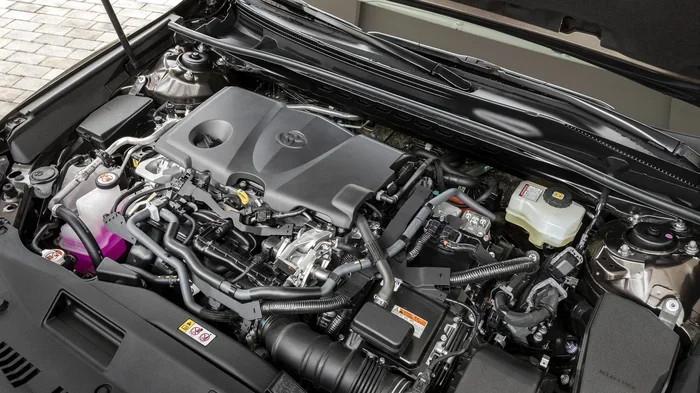
1999 Toyota Camry Timing Belt or Chain Repair Guide
The 1999 Toyota Camry uses a timing belt, not a chain, in both its 4-cylinder and V6 engines. Understanding the difference between a timing belt and chain is essential for proper maintenance and avoiding costly engine damage. This repair guide walks you through everything you need to know about the 1999 Toyota Camry timing belt or chain system.
If you own a 1999 Toyota Camry, you have probably wondered about the timing belt or chain at some point. Maybe you heard a strange ticking sound from the engine bay. Or perhaps you are just doing routine research before a big mileage milestone. Either way, you are in the right place.
The 1999 Toyota Camry timing belt or chain question comes up often among car owners and DIY mechanics. The short answer is that the 1999 Camry uses a timing belt in both its 4-cylinder and V6 engine options. Unlike some vehicles that use a metal chain, the Camry relies on a rubber belt to keep the camshaft and crankshaft synchronized. Understanding this distinction is the first step toward keeping your engine healthy and avoiding expensive repairs down the road.
In this guide, we will cover everything you need to know. From the symptoms of a failing belt to the step-by-step replacement process, we have got you covered. We will also look at costs, common mistakes, and expert tips that make the job easier. Whether you are a seasoned wrench-turner or a curious beginner, this article will give you real, practical value.
Key Takeaways
- The 1999 Camry uses a timing belt: Both the 4-cylinder 5S-FE and V6 1MZ-FE engines rely on a rubber timing belt, not a metal chain.
- Replacement is critical: A failed timing belt can cause catastrophic engine damage in this interference engine design.
- Watch for warning signs: Listen for ticking noises, check for engine misfires, and look for visible wear on the belt.
- Replace every 60,000 to 90,000 miles: Follow the Toyota maintenance schedule to stay ahead of belt degradation.
- Replace the water pump at the same time: Since the water pump is driven by the timing belt, bundling the jobs saves labor costs.
- DIY is possible with the right tools: Experienced home mechanics can handle this job with a torque wrench and basic engine knowledge.
- Professional repair costs range from $400 to $900: Prices vary based on engine type and whether additional components are replaced.
📑 Table of Contents
- Understanding the 1999 Toyota Camry Timing Belt or Chain System
- Symptoms of a Failing Timing Belt
- Timing Belt Replacement Interval and Maintenance Schedule
- Step-by-Step Timing Belt Replacement Process
- Common Mistakes to Avoid During Timing Belt Repair
- Expert Tips for Longevity and Reliability
- Conclusion
Understanding the 1999 Toyota Camry Timing Belt or Chain System
The timing system in your Camry is one of the most important parts of the engine. It controls the precise relationship between the camshaft and the crankshaft. When the timing is off by even a few degrees, your engine will not run properly. Let us break down how this system works and why it matters.
How the Timing Belt Works
The timing belt is a reinforced rubber belt with teeth on the inside. These teeth mesh with the camshaft sprocket and the crankshaft sprocket. As the crankshaft turns, it pulls the belt, which then rotates the camshaft. This rotation opens and closes the engine valves at exactly the right time during each combustion cycle.
Think of it like a choreographed dance. The valves need to open and close in perfect sync with the pistons. If the timing belt skips a tooth or breaks entirely, the dance falls apart. In the 1999 Camry, this is especially problematic because it is an interference engine. That means the pistons and valves share the same space inside the cylinder. If the belt fails, the pistons can hit the open valves, causing bent valves and serious engine damage.
Why the 1999 Camry Uses a Belt, Not a Chain
Many modern vehicles use a timing chain because chains last longer than belts. So why does the 1999 Camry use a belt? The answer comes down to design choices made by Toyota engineers during that era.
Timing belts are quieter and lighter than chains. They also cost less to manufacture and replace. For a mid-size sedan like the Camry, a belt made sense from a cost and comfort standpoint. However, this also means that owners must stay on top of the replacement interval. A chain might go the life of the engine, but a belt will not. That is why knowing your 1999 Toyota Camry timing belt or chain setup is so important.
The Two Engine Options: 5S-FE and 1MZ-FE
The 1999 Camry came with two engine choices. The 4-cylinder 5S-FE engine and the V6 1MZ-FE engine. Both engines use a timing belt, but there are some differences in how the belt is routed and what additional components it drives.
The 5S-FE is a 2.2-liter 4-cylinder engine. It is known for being reliable and fuel-efficient. The 1MZ-FE is a 3.0-liter V6 engine that delivers more power. Both engines require a timing belt replacement at similar intervals. The main difference is the number of cylinders and the complexity of the belt routing. The V6 engine has more camshafts to drive, which means more timing components to manage.
Symptoms of a Failing Timing Belt
Catching a failing timing belt early can save you from a complete engine rebuild. The good news is that your Camry will give you warning signs before the belt fails completely. Here are the most common symptoms to watch for.
Ticking or Clicking Noise from the Engine
A ticking or clicking sound coming from the front of the engine is often the first sign of a worn timing belt. The belt has teeth that engage with the camshaft sprocket and crankshaft sprocket. When these teeth start to wear down or the belt stretches, you may hear a rhythmic ticking noise. This sound is especially noticeable when the engine is idling.
Do not ignore this noise. A ticking sound could also indicate low oil pressure or a problem with the valvetrain. But if you have high mileage on your Camry, the timing belt should be your first suspect. Have a mechanic or a knowledgeable friend listen to the engine and confirm the source of the sound.
Engine Misfires and Rough Running
When the timing belt wears out, it can skip a tooth or two. This throws off the camshaft and crankshaft synchronization. The result is an engine misfire or rough idle. You might notice the engine running unevenly, losing power, or hesitating during acceleration.
Engine misfires have many causes, including spark plug issues, fuel injector problems, and vacuum leaks. However, if your Camry has high mileage and you have not replaced the timing belt recently, this should be at the top of your diagnostic list. A simple timing light test can reveal whether the belt has slipped.
Visible Wear and Cracks on the Belt
Some Camry models allow you to see part of the timing belt through a inspection cover. If you can access the belt, look for cracks, fraying, or glazing on the surface. Rubber degradation happens over time, especially in hot engine environments. The heat from the engine accelerates the breakdown of the rubber compounds in the belt.
Even if the belt looks okay visually, age and mileage still matter. Rubber becomes brittle over time, even if it has not been driven much. A belt that has been on the engine for seven or eight years may need replacement regardless of mileage. This is a common mistake that many car owners make.
Engine Will Not Start
If the timing belt breaks completely, the engine will not start. You may hear the starter motor engage and turn the crankshaft, but the engine will not fire. This is a serious situation. In an interference engine like the 1999 Camry, a broken belt can cause the pistons to collide with the valves.
If this happens, do not try to start the engine again. Towing the vehicle to a repair shop is the safest option. Attempting to start the engine after a belt failure can turn a belt replacement into a full engine rebuild. The cost difference is enormous, so act quickly and carefully.
Timing Belt Replacement Interval and Maintenance Schedule
Staying on top of the replacement interval is the single best thing you can do for your 1999 Camry engine. Toyota recommends replacing the timing belt at specific mileage and age milestones. Let us look at the details.
Toyota’s Recommended Replacement Interval
Toyota generally recommends replacing the timing belt on the 1999 Camry every 60,000 to 90,000 miles. The exact interval depends on your driving conditions and the engine variant. If you drive in severe conditions such as extreme heat, dust, or stop-and-go traffic, you should lean toward the earlier end of the range.
Toyota also recommends replacing the belt every seven years, regardless of mileage. Rubber degrades over time even if the car is not driven much. If you have an older Camry that sits in a garage, the age of the belt still matters. Keep track of both mileage and age to stay safe.
What Else to Replace at the Same Time
When you are paying for labor to replace the timing belt, it makes sense to replace several related components at the same time. This is called bundling the jobs, and it saves you money in the long run.
The water pump is the most important item to replace alongside the belt. On the 1999 Camry, the water pump is driven by the timing belt. If you are already inside the engine with the belt off, replacing the water pump at the same time avoids doubling the labor cost later. The idler pulley and tensioner should also be inspected and replaced if they show signs of wear.
Other components to consider include the camshaft seal and the crankshaft seal. These rubber seals can harden and crack over time, leading to oil leaks. Replacing them during the belt job prevents future leaks and additional repairs.
The Cost of Timing Belt Replacement
The cost of replacing the timing belt on a 1999 Toyota Camry typically ranges from $400 to $900. The wide range depends on several factors. The engine type matters, with the V6 1MZ-FE generally costing more than the 4-cylinder 5S-FE. Labor rates vary by region and shop type. And whether you bundle additional component replacements affects the final price.
DIY replacement can save you a significant amount of money, but it requires mechanical skill and the right tools. You will need a torque wrench, a belt tensioner tool, and a good service manual. If you are not confident in your abilities, paying a professional is the safer choice. A botched timing belt job can lead to engine damage that costs thousands of dollars to fix.
Step-by-Step Timing Belt Replacement Process
Replacing the timing belt on a 1999 Camry is a manageable job for someone with intermediate mechanical skills. It requires patience, attention to detail, and the right tools. Here is an overview of the process.
Step 1: Prepare the Vehicle
Start by disconnecting the negative battery cable. This prevents any electrical shorts while you are working. Remove the serpentine belt that drives the alternator and other accessories. You will also need to remove the power steering pump if it gets in the way. Set all bolts and small parts in a labeled container so you can find them later.
Step 2: Remove the Timing Cover
The timing cover is held on by several bolts. Remove them carefully and set them aside. Gently pry off the cover, being careful not to damage the sealing surface. Once the cover is off, you will see the timing belt, the crankshaft sprocket, and the camshaft sprocket(s).
Step 3: Set the Engine to Top Dead Center
Rotate the crankshaft until the timing marks align. The crankshaft bolt has a mark that should line up with a pointer on the engine block. The camshaft sprocket(s) also have timing marks that must align with the cylinder head. Getting these marks right is the most critical step in the entire process.
If the marks are off by even one tooth when you reassemble the engine, the Camry will run poorly or not at all. Take your time and double-check everything before moving on.
Step 4: Remove the Old Belt and Inspect Components
Release the belt tensioner and remove the old timing belt. While the belt is off, inspect all the related components. Look at the idler pulley for bearing noise or wobble. Check the tensioner for proper spring tension. Inspect the water pump for leaks or bearing play. Replace any component that shows signs of wear.
Step 5: Install the New Belt
Route the new belt around the crankshaft sprocket, idler pulley, water pump, and camshaft sprocket(s). Make sure the belt teeth are fully seated in each sprocket. Then use the tensioner to apply proper tension to the belt. The tensioner should feel firm but not overly tight.
Once the belt is installed and tensioned, manually rotate the crankshaft two full turns by hand. This ensures the belt seats properly and that there is no interference. Check the timing marks again after this rotation to confirm everything is still aligned.
Step 6: Reassemble and Test
Reinstall the timing cover, serpentine belt, and all removed components. Reconnect the battery and start the engine. Listen for any unusual noises and check for proper idle quality. Let the engine reach operating temperature and watch the temperature gauge to make sure the water pump is circulating coolant properly.
A successful timing belt replacement should result in a smooth-running engine with no strange sounds. If you notice any issues, shut the engine down and recheck your timing marks and belt routing.
Common Mistakes to Avoid During Timing Belt Repair
Even experienced mechanics can make mistakes during a timing belt replacement. Avoiding these common errors will save you time, money, and headaches.
Skipping the Tensioner and Idler Pulley
One of the most common mistakes is replacing only the belt and not the tensioner or idler pulley. These components work together with the belt, and a worn tensioner can cause the new belt to fail prematurely. The cost of replacing these parts is small compared to the cost of a second belt job. Always inspect and replace them as needed.
Misaligning the Timing Marks
As mentioned earlier, getting the timing marks wrong is a costly mistake. If the camshaft and crankshaft are not synchronized properly, the engine will not run correctly. In the worst case, a misaligned belt on an interference engine will bend the valves. Always verify your timing marks twice before starting the engine.
Forgetting to Replace the Water Pump
The water pump on the 1999 Camry is driven by the timing belt. If you do not replace it during the belt job, you will have to repeat much of the same disassembly when it eventually fails. Since labor is the biggest cost in this repair, bundling the water pump replacement makes financial sense.
Using the Wrong Belt
Not all timing belts are the same. Using the wrong belt for your specific engine variant can lead to poor fitment and premature failure. Always use the part number specified in the Toyota repair manual for your engine. The 5S-FE and 1MZ-FE engines require different belts, so make sure you have the correct one.
Expert Tips for Longevity and Reliability
Keeping your 1999 Camry engine running strong for years to come comes down to a few smart maintenance habits. Here are some expert tips that go beyond the basic replacement schedule.
Check your oil regularly. Oil contamination can accelerate rubber degradation in the timing belt. Dirty oil that is not changed on schedule can get into the timing cover and damage the belt from the inside out. Stick to the Toyota maintenance schedule for oil changes.
Keep the engine bay clean. Dirt and debris can wear on the belt and its components over time. A clean engine bay helps you spot leaks and wear early. It also makes it easier to inspect the belt during routine maintenance.
Address small problems immediately. If you notice a slight ticking noise or a minor oil leak near the timing cover, get it checked right away. Small problems become big problems when ignored. Catching issues early is always cheaper than fixing them after they cause damage.
Keep a maintenance log. Write down when you replaced the timing belt and any related components. This helps you stay on track for the next replacement and gives you valuable information if you ever sell the vehicle. A well-documented maintenance history also increases the resale value of your Camry.
Conclusion
The 1999 Toyota Camry timing belt or chain question has a clear answer. Your Camry uses a timing belt, and keeping it in good shape is essential for engine longevity. By understanding the symptoms of a failing belt, following the recommended replacement interval, and avoiding common mistakes, you can keep your Camry running reliably for many more miles.
Whether you choose to do the job yourself or hire a professional, the key is to act before the belt fails. A proactive approach to timing belt maintenance saves you from the nightmare of a broken belt and the catastrophic engine damage that follows. Take care of your Camry, and it will take care of you.
Now that you have this complete guide, you have the knowledge to make informed decisions about your 1999 Camry engine. Share this article with a fellow Camry owner who might benefit from it, and always prioritize regular maintenance. Your engine will thank you for it.
Frequently Asked Questions
Does the 1999 Toyota Camry use a timing belt or chain?
The 1999 Toyota Camry uses a timing belt in both its 4-cylinder 5S-FE and V6 1MZ-FE engines. Unlike some vehicles that use a metal chain, the Camry relies on a rubber belt to synchronize the camshaft and crankshaft. This means regular belt replacement is essential for engine health.
How often should I replace the timing belt on a 1999 Camry?
Toyota recommends replacing the timing belt every 60,000 to 90,000 miles. The belt should also be replaced every seven years, regardless of mileage. Driving in severe conditions like extreme heat or stop-and-go traffic may require more frequent replacement. Always refer to your owner’s manual for the specific interval.
What happens if the timing belt breaks on a 1999 Camry?
In an interference engine like the 1999 Camry, a broken timing belt can cause the pistons to collide with the open valves. This results in bent valves, damaged pistons, and potentially a complete engine failure. The repair cost for a broken belt can exceed the cost of a full engine replacement. This is why timely belt replacement is so important.
Can I replace the timing belt myself on a 1999 Camry?
Yes, experienced DIY mechanics can replace the timing belt on a 1999 Camry with the right tools and a good service manual. The job requires removing the timing cover, setting the engine to top dead center, and carefully aligning the timing marks. If you are not confident in your mechanical skills, it is best to have a professional handle the repair.
Should I replace the water pump at the same time as the timing belt?
Absolutely. The water pump on the 1999 Camry is driven by the timing belt. Replacing it during the belt job saves you from paying labor costs twice when the water pump eventually fails. Since labor is the biggest expense in this repair, bundling the water pump replacement is a smart financial decision.
How much does it cost to replace the timing belt on a 1999 Toyota Camry?
The total cost for a 1999 Camry timing belt replacement typically ranges from $400 to $900. The price varies based on the engine type, your location, and whether you replace additional components like the water pump and tensioner. DIY replacement can significantly reduce the cost if you have the necessary tools and skills.