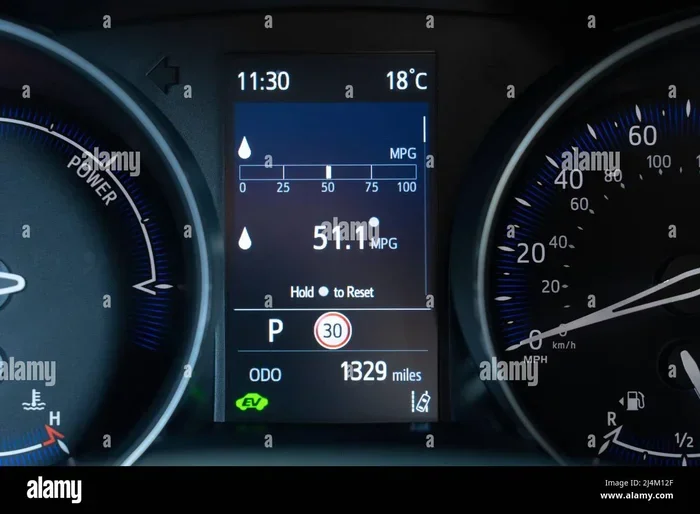
1 Liter Petrol How Many Km Can the Average Car Travel
1 liter petrol how many km a car can travel depends on several factors, but the average vehicle covers roughly 10 to 15 kilometers on a single liter of fuel. Fuel efficiency varies by car type, driving habits, road conditions, and engine size. This guide breaks down everything you need to know about petrol mileage and how to get the most kilometers out of every drop.
Key Takeaways
- Average Range: Most petrol cars travel between 10 and 15 km per liter under normal driving conditions.
- Car Type Matters: Smaller, lighter vehicles deliver better fuel economy than larger SUVs and trucks.
- Driving Habits Count: Smooth acceleration, steady speeds, and proper maintenance significantly boost km per liter.
- City vs Highway: Highway driving generally yields higher mileage than stop-and-go city traffic.
- Simple Calculations: You can easily calculate your car’s fuel efficiency by dividing distance traveled by fuel used.
- Small Changes Help: Proper tire pressure, reduced AC use, and removing excess weight improve fuel economy noticeably.
📑 Table of Contents
How Far Can 1 Liter Petrol Take You?
If you have ever wondered 1 liter petrol how many km your car can cover, you are not alone. It is one of the most common questions drivers ask when planning a trip or budgeting for fuel costs. The short answer is that the average petrol car travels about 10 to 15 kilometers on a single liter of fuel. But that number can shift quite a bit depending on several factors.
Understanding your car’s fuel efficiency helps you plan trips better. It also saves you money over time. When you know how far your car goes on 1 liter of petrol, you can make smarter decisions about routes, driving styles, and even which vehicle to buy next.
The distance you get from 1 liter of petrol is called kilometers per liter or km/L. Some cars give you 20 km per liter or more, while others struggle to reach 8 km per liter. The difference comes down to the car itself, how you drive, and the conditions on the road.
Let us explore what really affects petrol car mileage and how you can get the most out of every liter you put in your tank.
What Is Fuel Efficiency?
Fuel efficiency measures how well your car converts fuel into motion. When we talk about 1 liter petrol how many km, we are really asking about fuel efficiency. A car with high fuel efficiency uses less petrol to cover the same distance as a car with low efficiency.
Different countries use different units. Some measure in miles per gallon (mpg), while others use km per liter. In this guide, we focus on km per liter since it is the standard in most countries that use petrol.
Factors That Affect Km Per Liter
Many things decide how far your car goes on 1 liter of petrol. Let us look at the biggest factors that affect fuel consumption.
Engine Size and Type
Smaller engines generally use less fuel. A 1.0-liter engine in a compact car will go further on 1 liter of petrol than a 3.0-liter engine in a luxury SUV. Engine displacement plays a big role here. Bigger engines burn more fuel to produce more power, even when you do not need that extra power.
However, modern small displacement engines with turbochargers can be surprisingly efficient. They give you good performance while still delivering solid fuel economy.
Vehicle Weight
Heavy cars need more energy to move. If your car carries extra weight, it burns more petrol. Think about all the stuff in your trunk. Unnecessary cargo reduces your mileage per liter significantly.
Roof racks and cargo carriers also hurt efficiency. They change the car’s aerodynamics, creating drag that forces the engine to work harder.
Driving Style
How you drive matters a lot. Aggressive driving with hard acceleration and sudden braking wastes fuel. Smooth, steady driving helps your car get the best possible fuel economy.
Here are some driving habits that affect 1 liter petrol how many km:
- Rapid acceleration burns more petrol
- High speeds increase wind resistance and fuel use
- Frequent braking wastes the energy you already paid for
- Idling the engine uses fuel without moving
- Using cruise control at steady speeds improves efficiency
Road Conditions and Traffic
City driving usually gives lower mileage than highway driving. Stop-and-go traffic means constant acceleration and braking. Your engine works harder in these conditions.
On the highway, you can maintain a steady speed. This is much more efficient. If you have a long commute, consider routes with less traffic. Even a slightly longer route with smooth flow can save fuel.
Weather and Temperature
Cold weather reduces fuel efficiency. Engines take longer to warm up in winter. Air conditioning in hot weather also increases fuel consumption. The AC puts extra load on the engine, which means it burns more petrol.
Using the recirculate mode on your AC can help. It cools the car faster and uses less fuel than cooling the entire cabin from outside air.
Average Mileage by Car Type
Different types of cars deliver different levels of fuel efficiency. Here is a general look at what you can expect from various categories.
Compact and Subcompact Cars
Small cars like the Toyota Yaris or Honda Fit are among the most efficient petrol vehicles. They typically deliver 15 to 20 km per liter in mixed driving conditions. Their light weight and small engines work together to maximize mileage per liter.
If fuel economy is your top priority, a compact hatchback is a great choice. These cars are easy to drive and cost less to fuel over time.
Sedans and Mid-Size Cars
Mid-size sedans like the Toyota Corolla or Honda Civic offer a balance of comfort and efficiency. They usually deliver 12 to 16 km per liter. They are not the most efficient, but they provide a good compromise for daily use.
Many families prefer sedans because they offer more space than compacts while still keeping fuel costs reasonable.
SUVs and Crossovers
SUVs are heavier and less aerodynamic. Most petrol SUVs deliver 8 to 12 km per liter. Larger SUVs with V6 or V8 engines may drop below 8 km per liter.
If you need an SUV, consider a smaller crossover. These vehicles offer SUV-like space with better fuel economy than full-size SUVs.
MPVs and Minivans
Multi-purpose vehicles carry many passengers, which adds weight. Most MPVs achieve 9 to 13 km per liter. Their efficiency depends heavily on how many people and how much cargo they carry.
Comparison Table: Average Km Per Liter by Car Type
| Car Type | Avg Km Per Liter | Best For |
|---|---|---|
| Compact/Subcompact | 15 – 20 km/L | City commuting, budget buyers |
| Sedan/Mid-Size | 12 – 16 km/L | Families, daily drivers |
| Small SUV/Crossover | 10 – 14 km/L | Families needing more space |
| Large SUV | 7 – 10 km/L | Off-road, towing needs |
| MPV/Minivan | 9 – 13 km/L | Large families, group travel |
| Sports Car | 6 – 10 km/L | Performance, style |
These numbers are averages. Your actual results may vary based on driving conditions and habits. Always use these figures as a general guide, not an exact prediction.
How to Calculate Your Car’s Fuel Efficiency
Calculating how many km you get on 1 liter of petrol is simple. You just need two numbers: the distance you traveled and the amount of fuel you used.
The Basic Formula
Here is the formula:
Km Per Liter = Total Distance Driven (km) / Fuel Used (liters)
For example, if you drove 450 kilometers and used 30 liters of petrol, your fuel efficiency is 15 km per liter. That means 1 liter petrol gives you 15 km.
Using Your Car’s Trip Meter
Most cars have a trip meter. Reset it when you fill up your tank completely. Drive as you normally would. When you refill, note the liters added and the trip meter reading. Divide distance by fuel used to get your actual fuel economy.
Do this over several tanks to get an accurate average. One fill-up can be misleading due to driving conditions.
Using Fuel Cost Calculators
Many apps and websites offer mileage calculators. You enter your fuel purchases and distances, and the tool calculates your average km per liter. Some popular options include Fuelly, GasBuddy, and Spritmonitor.
These tools help you track your fuel consumption over months or even years. They make it easy to spot trends and improvements.
Quick Tips for Accurate Calculations
- Always fill the tank completely before resetting the trip meter
- Use the same fuel station and pump type for consistency
- Calculate over at least 3-4 tanks for reliable averages
- Note the date and odometer reading each time
- Avoid calculating right after a long trip or during extreme weather
Tips to Improve Your Km Per Liter
Want to get more kilometers out of every liter? Small changes in how you drive and maintain your car can make a big difference.
Maintain Proper Tire Pressure
Under-inflated tires create more rolling resistance. Your engine has to work harder, which burns more fuel. Check your tire pressure at least once a month. The correct pressure is listed on the driver’s door jamb or owner’s manual.
Properly inflated tires also last longer and improve safety. It is one of the easiest ways to boost fuel efficiency.
Remove Unnecessary Weight
Clean out your car. Remove heavy items you do not need. Every extra kilogram your car carries means more fuel burned. That old toolbox or sports equipment in the trunk adds up over time.
Also remove roof racks when not in use. They create drag that reduces your mileage per liter by as much as 5 to 10 percent.
Drive at Steady Speeds
Avoid sudden speed changes. Use cruise control on highways when possible. Keeping a steady speed is one of the best ways to improve 1 liter petrol how many km you get.
Try to stay in the highest gear possible without straining the engine. Lower gears at high speeds burn more fuel.
Limit AC Use
Air conditioning puts extra load on the engine. On short trips, try opening the windows instead. On highways, AC is actually more efficient than open windows because open windows create drag.
Set your AC to a comfortable but not freezing temperature. This helps reduce fuel consumption without sacrificing comfort.
Regular Maintenance
Keep up with your car’s service schedule. Clean air filters, fresh spark plugs, and proper wheel alignment all contribute to better fuel economy. A poorly maintained engine can waste 10 to 20 percent more fuel than a well-maintained one.
Change your oil on time. Use the grade of oil recommended by your car’s manufacturer. Dirty or wrong-grade oil increases engine friction and reduces efficiency.
Plan Your Trips Smartly
Combine errands into one trip. Several short trips from a cold start use more fuel than one longer trip. Also, try to avoid peak traffic hours when possible.
Use navigation apps to find the shortest or least congested routes. Less time on the road means less fuel burned.
Expert Insight
“The biggest secret to better fuel economy is gentle driving. Accelerating smoothly and anticipating stops can improve your km per liter by 15 to 30 percent. It costs nothing and takes no extra time,” says automotive engineer Dr. Mark Chen.
Common Mistakes That Waste Fuel
Many drivers unknowingly waste fuel every day. Avoiding these common mistakes can significantly improve your petrol car mileage.
Ignoring the Check Engine Light
A glowing check engine light often signals problems that reduce fuel efficiency. Issues like faulty oxygen sensors, misfiring spark plugs, or a loose gas cap can all hurt your fuel economy. Get these checked promptly.
Overfilling the Tank
Topping off your tank past the first click can damage the charcoal canister. It also causes fuel to evaporate, wasting money. Stop filling when the pump automatically clicks off.
Warm Up the Car for Too Long
Modern cars do not need long warm-up periods. Driving gently for the first few minutes is enough to warm the engine. Idling for 10 minutes wastes fuel and produces unnecessary emissions.
Using the Wrong Fuel Grade
Most petrol cars run perfectly fine on regular unleaded fuel. Premium fuel does not improve fuel efficiency unless your car specifically requires it. Check your owner’s manual to be sure.
Aggressive Driving
Speeding, rapid acceleration, and hard braking all burn extra fuel. Aggressive drivers can use 15 to 30 percent more fuel than gentle drivers. Smooth driving saves both fuel and brake pads.
Common Mistakes at a Glance
- Ignoring the check engine light
- Overfilling the fuel tank
- Leaving the car idling for long periods
- Using premium fuel when regular is sufficient
- Driving aggressively with hard acceleration and braking
- Neglecting regular maintenance
- Carrying unnecessary weight
- Driving with under-inflated tires
How Fuel Prices Affect Your Cost Per Km
Knowing 1 liter petrol how many km helps you calculate your cost per kilometer. This is useful for budgeting and comparing vehicles.
Here is a simple way to calculate your fuel cost per kilometer:
- Find your car’s average km per liter
- Check the current price of petrol per liter in your area
- Divide the price per liter by your km per liter
For example, if petrol costs 1.50 per liter and your car gets 12 km per liter, your cost per km is 0.125 or 12.5 cents per kilometer. Over a month of 1,000 km driving, that adds up to about 125 in fuel costs.
When petrol prices rise, fuel-efficient cars become even more attractive. A car that gets 15 km per liter saves significant money compared to one that gets 8 km per liter over the course of a year.
Consider this: if you drive 15,000 km per year, a car with 15 km/L uses 1,000 liters, while a car with 8 km/L uses 1,875 liters. That is a difference of 875 liters per year. At 1.50 per liter, that is over 1,300 in savings annually.
The Future of Fuel Efficiency
Car manufacturers are constantly working to improve fuel economy. New technologies like hybrid systems, direct fuel injection, and variable valve timing help modern petrol cars go further on less fuel.
Mild hybrid systems use a small electric motor to assist the engine. This reduces fuel consumption during acceleration and allows engine start-stop technology, which shuts off the engine at traffic lights.
While electric vehicles are growing in popularity, petrol cars still dominate the market. Understanding how to maximize 1 liter petrol how many km remains important for millions of drivers worldwide.
Future technologies like hydrogen combustion engines and advanced biofuels may offer even better efficiency. But for now, the best way to save fuel is through smart driving habits and proper car maintenance.
Conclusion
1 liter petrol how many km a car can travel is a question with a range of answers. The average petrol car covers about 10 to 15 km per liter, but this number can be higher or lower depending on your vehicle, driving style, and road conditions.
By understanding the factors that affect fuel efficiency, you can take control of your petrol car mileage. Small changes like maintaining proper tire pressure, driving smoothly, and keeping up with maintenance can add up to significant savings over time.
Use the tips in this guide to get the most out of every liter. Track your fuel consumption regularly. Plan your trips wisely. And remember, the best fuel-saving tip is simply to drive gently and keep your car well-maintained.
The next time you fill up your tank, think about 1 liter petrol how many km you are getting. A little awareness goes a long way toward saving money and reducing your environmental footprint.
Frequently Asked Questions
How far can a car go on 1 liter of petrol?
Most average petrol cars travel between 10 and 15 kilometers on 1 liter of petrol. Smaller, efficient cars can reach 18 to 20 km per liter, while larger SUVs may only manage 7 to 10 km per liter. Your actual mileage depends on your car type, driving habits, and road conditions.
Is 15 km per liter good fuel economy?
Yes, 15 km per liter is considered good fuel economy for a petrol car. It falls within the average to above-average range for most vehicles on the road today. Compact cars and hybrids often exceed this number, while larger vehicles tend to fall below it.
Does AC really reduce fuel efficiency?
Yes, using the air conditioning increases fuel consumption because it puts extra load on the engine. However, at highway speeds, AC is more efficient than driving with windows open because open windows create aerodynamic drag. For city driving, turning off the AC and using ventilation can save fuel.
How can I improve my car’s km per liter?
You can improve your fuel efficiency by maintaining proper tire pressure, removing unnecessary weight from your car, driving at steady speeds, avoiding aggressive acceleration and braking, and keeping up with regular maintenance. Even small changes can make a noticeable difference in how far you travel on 1 liter of petrol.
Does the type of petrol matter for fuel efficiency?
For most cars, regular unleaded petrol is perfectly fine and does not affect fuel efficiency. Only use premium petrol if your car’s owner manual specifically requires it. Using premium fuel in a car designed for regular fuel will not improve your km per liter and is simply a waste of money.
How often should I check my fuel efficiency?
It is a good habit to calculate your fuel efficiency every time you fill up, or at least once a month. Tracking your fuel consumption over time helps you spot trends and identify potential problems early. If your km per liter drops suddenly, it could signal an issue that needs attention.