Can You Cancel Dealer Add-Ons After Purchase – Heres How
Can You Cancel Dealer Add-Ons After Purchase? is an essential topic that provides valuable insights.
Yes, you can cancel dealer add-ons after purchase in most situations. Dealer add-ons like extended warranties, paint protection, and VIN etching are often pushed during the final hours of a car deal. Many buyers feel pressured and end up paying for products they never wanted or needed. Canceling dealer add-ons is possible when you know your rights and act quickly. This article walks you through every step, from understanding what add-ons are to filing complaints if needed.
We cover the most common types of auto dealer extras, your legal rights, and practical tips for getting your money back. Whether you bought a car last week or six months ago, this guide helps you navigate the cancellation process. You will learn how to review your contract, contact the dealership, and escalate when necessary. Let us get started.
Canceling dealer add-ons after purchase is a topic that confuses many car buyers. The process is not always straightforward, but it is far from impossible. State consumer protection laws, the type of add-on, and the timing of your request all play a role. This guide breaks it all down into simple, actionable steps. You will walk away with the knowledge and confidence to take action.
Key Takeaways
- Understanding Can You Cancel Dealer Add-Ons After Purchase?: Provides essential knowledge
📑 Table of Contents
What Are Dealer Add-Ons?
Dealer add-ons are extra products or services that a dealership sells you on top of your vehicle purchase. They are often added during the final stages of the car buying process, sometimes without the buyer fully understanding what they are paying for. Also known as dealership extras or finance office upsell products, these add-ons can significantly increase the total cost of your car.
Most dealer add-ons fall into two categories. The first category includes products that protect your vehicle, such as extended warranties, paint protection, and undercoating. The second category includes financial products like gap insurance and credit insurance. Some add-ons are genuinely useful, while others provide little real value for the high price tag.
The finance office upsell is where most add-ons get added. After you negotiate the vehicle price and agree on financing, the salesperson sends you to the finance office. There, a manager presents a stack of add-on products and often pressures you to sign. This is the most common place where buyers feel overwhelmed and agree to things they did not plan to purchase.
How Dealerships Push Add-Ons
Dealerships use several tactics to sell vehicle add-ons. One common approach is bundling. The salesperson presents the add-ons as a package deal, making it seem like you are getting a great value. Another tactic is urgency. The manager might say the offer expires at the end of the day or that the products are only available right now.
Some dealerships use fear-based selling. They might tell you that without paint protection, your car will suffer irreversible damage. Or they might claim that gap insurance is required by the lender, even when it is not. These tactics are designed to make you act quickly without thinking clearly.
Car buying tips like doing your research ahead of time can help you resist these pressures. Know what you want before you walk into the dealership. Bring a trusted friend or family member who can help you stay focused. And remember, you have the power to walk away from any deal that feels wrong.
Quick Tip: Before visiting a dealership, write down the exact vehicle price you are willing to pay and tell the salesperson upfront that you do not want any add-ons in the finance office.
Why Dealers Offer These Extras
Dealerships make a lot of profit from dealer installed products and auto dealer extras. The markup on these products is often extremely high. For example, a product that costs the dealership $200 might be sold to you for $1,500 or more. This profit margin is one of the main reasons dealerships push add-ons so aggressively.
The dealer markup on add-ons is often higher than the markup on the vehicle itself. This is why finance managers spend so much time in the finance office trying to sell these products. For the dealership, add-ons are one of the most profitable parts of the car buying process.
Common Types of Dealer Add-Ons You Should Know
Not all car purchase add-ons are the same. Some provide real value, while others are nearly worthless. Understanding what each type offers helps you decide which ones are worth keeping and which ones you should cancel.
| Add-On Type | Typical Cost | Actual Value | Easy to Cancel? |
|---|---|---|---|
| Extended Warranty | $1,000 – $3,500 | Moderate to High | Sometimes |
| Paint Protection | $300 – $1,200 | Low to Moderate | Often |
| VIN Etching | $200 – $500 | Low | Usually |
| Gap Insurance | $200 – $600 | Moderate | Sometimes |
| Undercoating / Rust Proofing | $400 – $1,000 | Low | Often |
| Fabric Coating | $150 – $400 | Low | Usually |
| Credit Insurance | $500 – $1,500 | Very Low | Usually |
This table shows that many vehicle add-ons have a low actual value compared to their cost. Products like VIN etching, undercoating, and fabric coating are among the easiest to cancel. Gap insurance and extended warranties fall in a gray area because they do provide some real protection.
Extended Warranties
An extended warranty, also called a vehicle service contract, covers repair costs after your factory warranty expires. These contracts can be very helpful if your car develops major problems. However, they are also one of the most expensive dealer add-ons.
The cost of an extended warranty varies widely based on your vehicle, mileage, and coverage level. Before you buy one, compare the price with third-party providers. You may find that an identical policy from an independent company costs 30 to 50 percent less.
If you already purchased an extended warranty and want to cancel, check your contract for a cancellation clause. Some contracts allow you to cancel within a specific window, often 30 to 60 days, and receive a full refund. After that window, you may still be able to cancel, but you might receive a partial refund minus a cancellation fee.
Common Mistakes: Many buyers do not read the cancellation terms before signing. Always ask about the refund policy and write down the cancellation window before you agree to any extended warranty.
Paint Protection and Fabric Coatings
Paint protection products like ceramic coatings, paint sealants, and clear bras are marketed as ways to keep your car looking new. While they do offer some protection, the prices dealerships charge are often inflated far beyond the actual cost of the product.
A basic paint sealant might cost the dealership $50 to apply, but they charge you $500 or more. Fabric coatings, which protect your seats from stains, are similarly overpriced. These products are among the easiest dealer add-ons to cancel because they are purely cosmetic and do not affect the function of your vehicle.
If you want to cancel paint protection or fabric coatings, contact the dealership and request a refund. In most cases, you can get the full amount back, especially if you act within the first 30 days.
VIN Etching and Security Products
VIN etching involves engraving your vehicle identification number on the windows. The idea is that it makes your car harder to steal, since thieves would need to replace the etched glass. While this sounds useful, the actual benefit is debatable.
Many police departments offer free VIN etching events. If your dealership charges you for this service, you are likely paying a huge markup. The cost to the dealership is often just a few dollars per window. The dealership might charge you $200 or more for the same service.
Canceling VIN etching is usually straightforward. Since it does not affect your vehicle in any functional way, most dealerships will refund the full amount without much argument. This is one of the dealer add-ons that has the least real value.
Expert Insight: According to consumer advocacy groups, VIN etching is one of the most overpriced add-ons in the industry. Several states have even taken legal action against dealerships for deceptive VIN etching practices.
Gap Insurance and Credit Insurance
Gap insurance covers the difference between what you owe on your car loan and what the vehicle is actually worth. This is important if your car is totaled or stolen in the first few years of ownership. When you owe more than the car is worth, gap insurance pays the difference.
Credit insurance, on the other hand, pays your loan payments if you become disabled or die. While these products serve a purpose, the prices dealerships charge are often much higher than what you would pay through your lender or insurance company.
Canceling gap insurance after purchase can be tricky. If you bought it through the dealership, you may be able to cancel within 30 days for a full refund. After that, cancellation depends on your state laws and the specific terms of your contract. Some states require dealerships to refund the full premium if you cancel within a certain period.
If you already have gap insurance through your regular auto insurance policy or lender, the dealership add-on is redundant and easy to cancel. Always check what coverage you already have before purchasing gap insurance at the dealership.
Undercoating and Rust Proofing
Undercoating and rust proofing are sold as ways to protect your car from corrosion. While rust protection is important in certain climates, the dealer markup on these services is often enormous. The product itself costs very little, and the application takes only a short time.
Many new cars already come with factory rust protection. Before you pay for undercoating, check your vehicle warranty and maintenance schedule. You may already have the protection you need.
Canceling undercoating and rust proofing is usually simple. Since these are surface treatments that can be removed, dealerships are often willing to refund the cost. Act quickly and request the refund in writing.
Can You Actually Cancel Dealer Add-Ons After Purchase?
The short answer is yes, in most cases you can cancel dealer add-ons after purchase. But the details matter. Your ability to cancel depends on several factors, including your state laws, the type of add-on, the timing of your request, and the specific terms of your contract.
Some contract add-ons are easier to cancel than others. Products like VIN etching, paint protection, and fabric coatings are almost always refundable. Financial products like gap insurance have more complex cancellation rules. Extended warranties fall somewhere in between, depending on the contract terms.
Legal Rights and Cooling-Off Periods
Many states have consumer protection laws that give buyers a cooling-off period after signing a contract. This period, which ranges from one to three business days in most states, allows you to cancel any part of the deal for a full refund.
However, not all states have cooling-off laws for car purchases. And even in states that do, the cooling-off period may not apply to all types of add-ons. It is important to understand your specific state laws before you attempt to cancel.
The Federal Trade Commission (FTC) does not have a universal cooling-off rule for car purchases. This means that your rights depend entirely on your state and local laws. Some states, like California and New York, have strong consumer protections for car buyers. Others have very limited protections.
Quick Tips for Understanding Your Rights:
- Check your state consumer protection agency website for specific rules on car add-on cancellations.
- Ask the dealership for a written copy of the cancellation policy before you sign anything.
- Keep all documents, receipts, and communications related to your add-on purchases.
- Contact a consumer protection attorney if you are unsure about your rights.
Factors That Determine If You Can Cancel
Several factors determine whether you can successfully cancel dealer add-ons. The timing of your request is one of the most important. Generally, the sooner you act after purchase, the better your chances of getting a full refund.
The type of add-on also matters. As we discussed, cosmetic add-ons like paint protection are easier to cancel than financial products like gap insurance. The contract terms are another key factor. Some contracts explicitly state that add-ons are non-refundable, while others allow cancellation with a full or partial refund.
Your state of residence plays a big role too. States with strong consumer protection laws give buyers more leverage when trying to cancel unwanted add-ons. In these states, dealerships are more likely to cooperate with cancellation requests.
Finally, whether you paid cash or financed the add-on can affect your options. Auto loan add-ons rolled into your financing are harder to cancel because they are tied to your loan agreement. You may need to work with both the dealership and your lender to remove them.
How to Cancel Dealer Add-Ons Step by Step
Now that you understand your rights, let us walk through the actual process of canceling dealer add-ons. Following these steps will give you the best chance of success.
Step 1: Review Your Contract
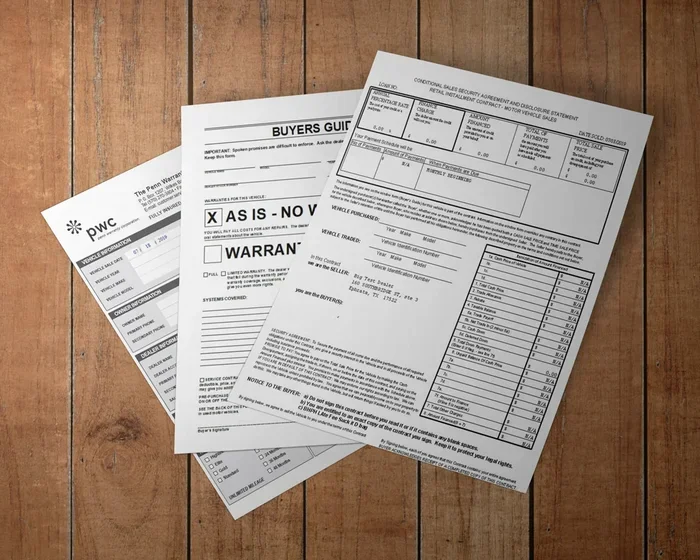
Before you do anything else, get a copy of your purchase contract and find the add-on section. Look for the specific names of each add-on, the price you paid, and any cancellation terms. This document is your most important tool when trying to cancel.
If you do not have a copy of your contract, contact the dealership and request one. You are entitled to a full copy of everything you signed. The dealership is legally required to provide it.
As you review the contract, pay close attention to the cancellation policy for each add-on. Some contracts have a specific window for cancellations, while others may state that add-ons are non-refundable. Knowing what your contract says helps you set realistic expectations.
Common Mistakes: Do not assume all add-ons have the same cancellation rules. Each add-on may have different terms. Review them individually and plan your approach accordingly.
Step 2: Contact the Dealership
Once you have reviewed your contract, contact the dealership and request to cancel the add-ons. Be polite but firm. Explain that you did not fully understand what you were purchasing and that you would like a refund.
Put your request in writing, either by email or certified letter. This creates a paper trail that protects you. Include the specific add-ons you want to cancel, the dates they were purchased, and the amounts you paid. Reference your contract number and your personal information.
Many dealerships will process your cancellation request without much hassle, especially if you act within the first 30 days. The finance manager who sold you the add-ons may have already left the dealership, but a new manager can usually handle the request.
If the dealership agrees to cancel, make sure you get the refund in writing. Specify the refund amount, the method of refund, and the timeline. Do not accept verbal promises alone.
Step 3: Escalate If Necessary
If the dealership refuses to cancel your add-ons, do not give up. You have several options for escalation. Start by contacting the dealership general manager or the owner. A higher-level manager often has more authority to approve refunds.
Next, file a complaint with your state consumer protection agency or attorney general office. These agencies investigate deceptive business practices and can pressure dealerships to cooperate. Many states have online complaint portals that make this process easy.
You can also contact the Better Business Bureau (BBB) and file a complaint against the dealership. The BBB mediates disputes between consumers and businesses and often achieves positive outcomes.
In some cases, consulting a consumer protection attorney may be necessary. Many attorneys offer free consultations and work on contingency, meaning you pay nothing unless you win your case.
Expert Insight: Consumer protection attorneys often take cases involving overpriced dealer add-ons on a contingency basis. This means you can pursue your claim without any upfront cost. If the dealership owes you money, an attorney can help you recover it.
What Happens If the Dealer Refuses to Cancel?
Dealers sometimes refuse to cancel dealer add-ons after purchase. This can be frustrating, but you still have options. Understanding what happens when a dealer pushes back helps you prepare for this situation.
Escalation Options
If the dealership refuses your cancellation request, your first step is to escalate within the company. Contact the regional manager or the corporate office. Large dealership groups often have customer service departments that handle these types of complaints.
Write a formal complaint letter and send it to the dealership corporate headquarters. Be clear, concise, and factual. State the add-ons you purchased, the amounts, and your request for a refund. Attach copies of your contract and any correspondence you have had with the dealership.
Social media can also be a powerful tool. Many dealerships monitor their online reputation closely. A polite but firm post on platforms like Facebook or Twitter can sometimes prompt a faster response. Just be professional and stick to the facts.
Legal Recourse
If escalation does not work, you may need to pursue legal action. Depending on your state, certain dealer add-ons may violate consumer protection laws. Dealerships that use deceptive practices to sell add-ons can be held accountable.
Some states have specific laws that regulate the sale of dealer add-ons. For example, some states require dealerships to disclose the actual cost of add-on products. Others prohibit certain types of add-ons altogether. Research your state specific regulations to see if the dealership violated any laws.
Small claims court is another option. If the amount in dispute is within your state small claims limit (usually $5,000 to $10,000), you can file a case without a lawyer. Small claims court is designed to be simple and accessible for consumers.
Quick Tip: Before taking legal action, check if your state offers free legal aid services. Many states have consumer protection hotlines that can advise you on your options at no cost.
How to Avoid Unwanted Dealer Add-Ons in the Future
The best way to deal with unwanted dealer add-ons is to prevent them from being added in the first place. A few simple strategies can save you hundreds or even thousands of dollars the next time you buy a car.
Tips for Your Next Car Purchase
- Research before you visit. Know the fair market value of the vehicle you want. Use online tools like Kelley Blue Book or Edmunds to understand what a fair price looks like. When you know the numbers, you are less likely to be swayed by add-on sales pitches.
- Set a firm boundary. Tell the salesperson upfront that you do not want any add-ons. Be clear and direct. You might say, “I am only interested in the vehicle price and standard financing. I do not want any additional products.”
- Bring a trusted companion. A friend or family member who is not emotionally invested in the purchase can help you stay focused. They can also ask questions that you might forget to ask in the moment.
- Take your time. Do not let the dealership rush you. If they pressure you to make a decision on the spot, take a break. Step outside, take a walk, and come back when you are ready. Pressure is a red flag.
- Read everything before you sign. This cannot be stressed enough. Every line of the contract matters. If you see add-ons you did not agree to, speak up before you sign. Once the contract is signed, it becomes much harder to dispute.
- Get everything in writing. If the salesperson promises that no add-ons will be added, ask them to put it in writing on the contract. A verbal promise means nothing if the contract says otherwise.
Expert Insight: Experienced car buyers recommend visiting the dealership on a weekday when it is less busy. Salespeople are less likely to pressure you when there are fewer customers around. You can take your time and ask all the questions you need without feeling rushed.
What to Do During the Finance Office
The finance office is where most auto dealer extras get added. When you arrive at the finance office, be prepared. Tell the finance manager that you are not interested in any add-ons. If they persist, remind them that you have a firm boundary and that you are willing to go elsewhere.
Some finance managers will try to make add-ons sound mandatory. They might say the lender requires gap insurance or that the deal cannot close without certain products. These claims are often false. The lender cares about your credit and your ability to repay, not about add-on products.
If the finance manager insists on add-ons as a condition of the loan, consider walking away. There are many dealerships and lenders who will work with you without requiring unnecessary add-ons. Your time and money are worth more than the pressure of a single dealership.
Conclusion
Canceling dealer add-ons after purchase is absolutely possible, even if it sometimes feels challenging. The key is to act quickly, know your rights, and follow a clear process. Whether you are canceling paint protection, gap insurance, or an extended warranty, the steps are the same: review your contract, contact the dealership, and escalate if needed.
Remember that you are not alone in this fight. Consumer protection agencies, legal resources, and online communities are all available to help. Many buyers have successfully recovered their money from unwanted dealer add-ons and you can too.
The most important lesson is prevention. Next time you buy a car, set clear boundaries, do your research, and read every line of the contract. These simple car buying tips can save you from the frustration of unwanted auto dealer extras in the first place.
Your wallet will thank you. Take control of your car purchase today and do not let dealership pressure dictate what you pay for.
Frequently Asked Questions
Can I cancel dealer add-ons after I have already signed the contract?
Yes, in most cases you can cancel even after signing. Your right to cancel depends on your state laws, the type of add-on, and the terms in your contract. Acting quickly gives you the best chance of a full refund.
How long do I have to cancel dealer add-ons after purchase?
The timeline varies by state and add-on type. Many states have a cooling-off period of one to three business days. Even outside that window, you can often still cancel, especially for cosmetic add-ons like paint protection or VIN etching. Check your contract for specific cancellation terms.
What if the add-on was rolled into my auto loan?
Add-ons rolled into your auto loan are harder to cancel because they are tied to your financing agreement. You may need to work with both the dealership and your lender to remove them. Contact your lender directly to see if they allow removal of dealer-installed products from the loan.
Are there any dealer add-ons I cannot cancel?
Some add-ons with non-refundable terms in the contract may be difficult to cancel. However, even non-refundable add-ons can sometimes be disputed if the dealership used deceptive practices. Your state consumer protection agency can advise you on your specific situation.
Do I need a lawyer to cancel dealer add-ons?
You do not need a lawyer for most cancellation requests. Start by contacting the dealership directly and putting your request in writing. If the dealership refuses, you can escalate to your state consumer protection agency. A lawyer is helpful if you need to pursue legal action or if the amount in dispute is significant.
Will canceling add-ons affect my vehicle warranty?
Canceling cosmetic add-ons like paint protection or VIN etching will not affect your vehicle warranty. If you cancel an extended warranty, you will lose the coverage it provides, but your factory warranty remains intact. Always check the specific terms before canceling any protection plan.