Damaged Auto Tint: Causes Fixes and Replacement Options
Damaged auto tint can ruin your car’s look and block essential UV protection. This guide covers the top causes, easy fixes, and replacement options for damaged auto tint. Learn when to repair at home and when to call a professional. Keep your car windows looking great with our expert tips.
Dealing with damaged auto tint is frustrating. You spent good money on those windows, and now they look terrible. Bubbles, peeling edges, and fading can make your car look old and worn out. But here is the good news. Most tint damage is fixable. Whether you have a small bubble or full-on peeling, you have options. This guide walks you through everything you need to know. You will learn what causes damaged auto tint, how to spot the warning signs early, and when to repair versus replace. We also break down the costs and the best replacement options available today.
Your car windows do more than just look nice. They block harmful UV rays, reduce glare, and keep your interior cool. When damaged auto tint starts to fail, you lose all of those benefits. That is why acting fast matters. A little attention now can save you hundreds of dollars later. Let us dive into the causes, the fixes, and the best replacement paths forward.
Key Takeaways
- Sun exposure and heat are the #1 causes of damaged auto tint over time, leading to bubbling and peeling.
- Spot the warning signs early like bubbles, fading, or edge peeling to prevent further window film deterioration.
- Minor damage can often be fixed at home with simple tools and a little patience.
- Ceramic tint offers the best durability and heat rejection compared to dyed tint film options.
- Professional installation reduces future damage and helps you get the most out of your auto tint warranty.
- Replacing damaged auto tint restores UV protection and keeps your car interior safe from sun damage.
- Regular care and cleaning can extend the life of your window tint by several years.
📑 Table of Contents
What Causes Damaged Auto Tint?
Understanding why your tint gets damaged is the first step to preventing it. Several factors play a role in tint deterioration. Some are completely out of your control. Others come down to how well you care for your windows. Let us break down the most common culprits.
Sun Exposure and Heat Damage
The sun is the biggest enemy of your auto window film. UV rays break down the adhesive that holds the tint to your glass. Over time, this leads to window tint bubbling and edge tint peeling. Cars parked outside every day take the hardest hit. The heat buildup inside your car accelerates the process even more. In hot climates, tint fading can start within just a year or two. The heat rejection tint layer breaks down, and your windows start to look cloudy or discolored.
Here is what happens step by step. The sun’s UV rays hit the tint surface. The film absorbs the heat. Over months and years, the adhesive weakens. Bubbles form between the film and the glass. Edges start to lift. Eventually, the whole piece of damaged window film looks like a mess. This process is slow but steady, and it happens to almost every car eventually.
Quick Tip: Park in the shade or use a sunshade whenever possible. This simple habit can add years to your tint’s life.
Physical Wear and Tear
Everyday use takes a toll on your auto tint too. Opening and closing doors puts pressure on the window edges. Dirty window frames grind against the tint film. Over time, this causes edge tint peeling and small cracks. Kids, pets, and even your own bags or jackets can scratch the surface. A scratched car tint not only looks bad but also weakens the film’s structural integrity.
Road debris is another common cause. Small rocks and gravel can chip or crack the tint. In winter, ice scrapers are notorious for damaging window film. Even harsh cleaning products can break down the tint surface over time. The key is to be gentle with your windows and avoid anything that puts extra stress on the film.
Poor Installation Quality
Not all tint jobs are created equal. Professional tint installation makes a huge difference in how long your tint lasts. Cheap, rushed installations often lead to early tint film adhesive failure. If the installer did not clean the glass properly, the adhesive bonds poorly. Air bubbles get trapped underneath. The tint peels faster and looks worse over time.
Even the type of tint film matters. Low-quality dyed tint film fades much faster than premium options. Some installers use the cheapest materials to save money. That saves them money now but costs you later. Always choose a reputable installer who uses high-quality materials and stands behind their work.
Expert Insight: Ask your installer about their warranty and the specific tint brand they use. A good auto tint warranty can save you a lot of headaches down the road.
Signs Your Auto Tint Is Damaged
Catching tint damage early can save you from a full replacement. Most problems start small and get worse over time. Here are the signs to watch for.
Bubbles and Peeling Edges
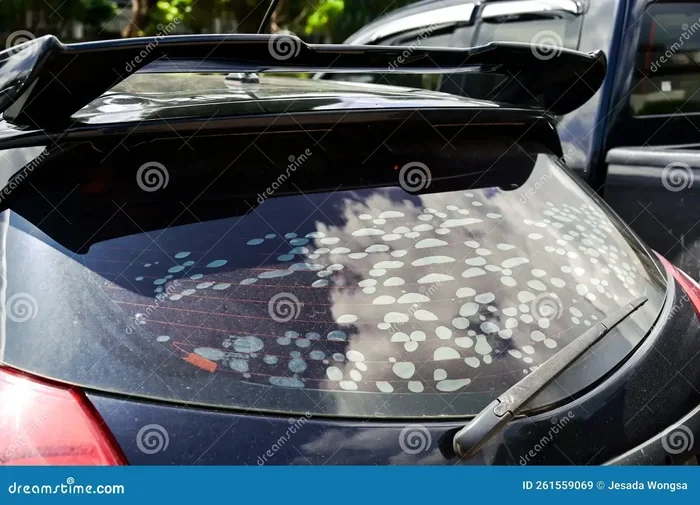
Car window tint bubbles are one of the most obvious signs of damage. Small bubbles might look harmless at first. But they grow. As the adhesive fails, air gets trapped between the film and the glass. The bubbles multiply and spread across the window. Edge tint peeling is another clear warning sign. If you see the film lifting at the corners or sides, the adhesive is breaking down.
Do not ignore these signs. Small bubbles can be fixed if you catch them early. But once the peeling spreads, you are likely looking at a full replacement. Check all your windows regularly, including the rear windshield and side windows.
Discoloration and Fading
Healthy auto window film has a consistent color throughout. When tint deterioration sets in, you will notice uneven fading. Some spots look darker than others. The tint may turn purple or take on a brownish hue. This happens because the dye in the film breaks down from UV exposure.
Discoloration does not just look bad. It also means your UV protection tint is no longer working properly. The film is losing its ability to block harmful rays. If your tint looks splotchy or faded, it is time to take action.
Cracks and Scratches
Cracks in your tint are a serious problem. They usually come from physical impact. A rock on the highway, a rough cleaning, or even temperature changes can cause cracks. Once a crack starts, it spreads. The tint film becomes weak and can shatter entirely.
Scratched car tint is less urgent but still a concern. Deep scratches distort your view and make the window look old. They also trap dirt and grime, making the window harder to clean. If you have deep scratches or cracks, replacement is usually the best path forward.
Common Mistake: Many people wait too long to address tint damage. Small problems become big, expensive ones fast. Do not let a tiny bubble turn into a full replacement.
How to Fix Minor Tint Damage at Home
Not all damaged auto tint requires a professional. Small issues can often be fixed yourself with basic tools and a little patience. Here are the most common DIY fixes.
Fixing Small Bubbles
Small bubbles in your car window tint bubbles are easy to handle. Start by cleaning the area around the bubble with a mild glass cleaner. Next, use a small needle or pin to poke a tiny hole in the bubble. Be very gentle. Then press the bubble flat with your finger or a soft cloth. The air should escape and the film should lay flat again.
For stubborn bubbles, you can use a hair dryer on a low setting. The gentle heat softens the adhesive and helps the film stick back down. Hold the dryer about six inches away and move it slowly across the bubble. Do not overheat the area. You do not want to damage the film further.
Repairing Edge Peeling
Edge tint peeling is a bit trickier. If the peeling is small, you can apply a small amount of tint adhesive or soapy water to the lifted edge. Press the film back down firmly with a squeegee or a credit card wrapped in a soft cloth. Work slowly and make sure no air gets trapped underneath.
For larger areas of edge peeling, a DIY fix may not be enough. The adhesive has likely failed in that section, and the film will continue to lift. In those cases, it is better to seek professional help or plan for a full replacement.
Quick Tip: Keep a small tint repair kit in your glove box. It should include a needle, tint adhesive, a squeegee, and a few cleaning wipes. You will be glad you have it when a bubble pops up.
Dealing with Light Scratches
Light scratches on your damaged window film can sometimes be buffed out. Use a non-abrasive polishing compound and a soft cloth. Apply a small amount to the scratched area and rub gently in circular motions. Wipe clean with a damp cloth when done. This works best on surface-level scratches. Deep scratches will not go away with buffing.
Avoid using harsh chemicals or abrasive pads on your tint. These can make the damage worse and strip the tint’s UV-blocking coating. Always use products designed for tinted windows.
When to Replace Instead of Repair
Knowing when to repair and when to replace is crucial. Sometimes a fix is just a band-aid. Other times, replacement is the only real solution.
If your damaged auto tint has widespread bubbling across more than half the window, replacement is the way to go. Peeling that covers large areas will not stay fixed with DIY methods. Cracks that spread across the window also signal that replacement is needed. The film has lost its structural integrity and will only get worse.
Discoloration is another clear sign. If your tint looks splotchy, purple, or severely faded, it is no longer doing its job. You are losing UV protection and heat rejection. In these cases, replacing the tint restores full functionality. It also makes your car look brand new again.
Cost is another factor to consider. Small repairs might cost you $20 to $50. But if you need multiple repairs or the damage is extensive, a full replacement at auto tint replacement cost of $100 to $400 per window might actually save you money in the long run. Constant repairs on a failing tint are a waste of time and money.
Expert Insight: A good rule of thumb is this. If the damage covers more than 20% of the window, go with replacement. If it is small and localized, repair first.
Auto Tint Replacement Options and Costs
When replacement is the right choice, you have several options. The type of tint you choose affects the cost, the look, and how long it lasts. Let us compare the main options.
Dyed Tint vs. Ceramic Tint
Dyed tint film is the most affordable option. It looks good when new and provides decent UV protection. But it fades over time. The dye breaks down from sun exposure, leading to the same tint fading and tint deterioration problems you are trying to solve. Dyed tint typically lasts three to five years before needing replacement.
Ceramic tint is the premium choice. It uses nano-ceramic particles to block heat and UV rays without fading. Ceramic heat rejection tint lasts much longer, often seven to ten years or more. It does not fade or change color over time. The auto tint warranty on ceramic tint is also usually longer and more comprehensive.
The trade-off is cost. Ceramic tint costs more upfront. But when you factor in its longer lifespan and better performance, it is often the smarter investment. Here is a quick comparison.
| Feature | Dyed Tint | Ceramic Tint |
|---|---|---|
| Average Cost Per Window | $50 – $150 | $100 – $400 |
| Lifespan | 3 – 5 years | 7 – 10+ years |
| UV Protection | Good | Excellent |
| Heat Rejection | Moderate | Excellent |
| Fading Over Time | Yes, significant | No |
| Warranty Length | 1 – 3 years | 5 – 10 years |
| Best For | Budget-conscious drivers | Long-term protection |
DIY vs. Professional Replacement
You can replace damaged auto tint yourself or hire a professional. DIY kits are available online and at auto parts stores. They cost less upfront, usually $30 to $100 per window. But DIY replacement is tricky. You need patience, the right tools, and a dust-free environment. Mistakes are easy to make, and a bad install leads to more window tint bubbling and peeling.
Professional tint installation costs more, typically $100 to $400 per window depending on the type of tint and your location. But the results are far superior. Professionals have the right tools, experience, and clean environments. They also offer warranties on their work. For most car owners, professional replacement is the better choice. It saves time, reduces the risk of mistakes, and ensures your new auto window film lasts as long as it should.
Common Mistake: Choosing the cheapest option without considering quality. A poorly installed tint will fail faster and cost you more in the long run. Invest in quality materials and professional installation whenever possible.
How to Extend the Life of Your Auto Tint
Prevention is always better than cure. With the right care, you can significantly extend the life of your auto tint and delay or avoid damage altogether.
Cleaning Tips for Tinted Windows
How you clean your windows matters a lot. Never use abrasive cleaners or rough cloths. Stick to mild, ammonia-free glass cleaners. Microfiber cloths are the best choice. They are soft and do not scratch the film.
Avoid high-pressure car washes. The force can push water under the tint edges and loosen the adhesive. When washing your car by hand, be gentle around the window edges. Do not scrub the tint directly. Let the soapy water do the work and wipe it away softly.
Protective Habits
Small habits make a big difference. Use a sunshade when parking outside. It reduces the heat and UV exposure that causes tint deterioration. Avoid leaning on the car doors, as the pressure can cause edge tint peeling. Be careful when loading bags or boxes near the windows. Sharp edges can scratch or dent the tint film.
Also, be mindful of the products you use near your windows. Certain vinyl protectants and cleaning sprays can break down the tint adhesive over time. Always check that a product is safe for tinted windows before using it.
Regular Inspections
Make it a habit to inspect your tint every few months. Look for early signs of window tint bubbling, edge lifting, or fading. Catching problems early means smaller, cheaper fixes. Set a reminder on your phone if it helps. A few minutes of inspection can save you from a full replacement later.
Quick Tip: After getting your tint replaced, wait at least 30 days before rolling down the windows. This allows the adhesive to fully cure and bond to the glass. It is a small wait that makes a big difference.
Final Thoughts on Damaged Auto Tint
Damaged auto tint is more than a cosmetic issue. It affects your UV protection, heat rejection, and overall driving comfort. Whether the damage comes from sun exposure, physical wear, or poor installation, you have options. Small problems can often be fixed at home with simple tools. But widespread damage calls for a full replacement. Choosing the right tint type and a quality installer makes all the difference.
Take care of your tint, and it will take care of you. Regular cleaning, smart parking habits, and timely repairs keep your windows looking great for years. Do not wait until the damage is severe. Act now, and your car will thank you for it. With the right approach, replacing or repairing damaged auto tint is a straightforward process that brings your car back to life.
Frequently Asked Questions
How long does auto tint last before it gets damaged?
Most auto tint lasts between three and ten years depending on the type and quality. Dyed tint film typically lasts three to five years, while ceramic tint can last seven to ten years or more. Sun exposure, climate, and how well you care for the tint all play a role in its lifespan.
Can I repair a scratched auto tint myself?
Light surface scratches can sometimes be buffed out with a non-abrasive polishing compound and a soft cloth. However, deep scratches that distort your view or weaken the film usually require a full replacement. A professional can assess the damage and recommend the best fix.
What is the average auto tint replacement cost?
The auto tint replacement cost typically ranges from $100 to $400 per window. The price depends on the type of tint, the size of the window, and whether you choose professional tint installation or a DIY kit. Ceramic tint costs more but lasts significantly longer.
Does damaged auto tint affect UV protection?
Yes, absolutely. When damaged auto tint starts to peel, bubble, or fade, it loses its ability to block UV rays effectively. This means your skin and car interior are exposed to more harmful radiation. Replacing the tint restores full UV protection.
How do I know if my auto tint warranty covers damage?
Check the terms of your auto tint warranty. Most warranties cover bubbling, peeling, and adhesive failure but do not cover damage from physical impact or improper care. The warranty length varies by installer and tint brand, so always ask about coverage before you get your tint installed.
Can I drive with damaged auto tint?
You can drive with damaged auto tint in most cases, but it is not ideal. Damaged tint reduces visibility, especially at night or in bright sunlight. It also means your windows are not blocking UV rays or heat as they should. If the damage is severe or affects your visibility, get it repaired or replaced as soon as possible.