Can You Tell If Your Car Is Low on Oil Warning Signs
You can tell if your car is low on oil by watching for warning signs like dashboard lights, engine knocking, and burning smells. Ignoring these signals can lead to serious engine damage and costly repairs. This guide covers every symptom you should never ignore, along with simple steps to check your oil level and keep your car running safely.
Your car talks to you. It uses sounds, smells, and lights to tell you when something is wrong. One of the most important things it can warn you about is low oil. Engine oil keeps every moving part inside your motor lubricated and cool. When the oil drops too low, metal starts grinding against metal. This causes damage fast, and the repair bills can be enormous.
Can you tell if your car is low on oil? Yes, absolutely. Your vehicle gives you several clear warning signs before the problem becomes severe. The key is knowing what to look for and when to act. In this article, we will walk you through every symptom of low oil, explain why each one happens, and show you exactly what to do. Whether you are a new driver or a seasoned car owner, this guide will help you protect your engine and save money.
We will cover dashboard lights, engine sounds, physical symptoms, and simple DIY checks you can do at home. By the end, you will feel confident spotting the low oil symptoms early. You will also know when it is time to book an oil change or visit a mechanic. Let us dive in.
Key Takeaways
- Dashboard Warning Lights: The oil pressure light and check engine light are your first clues that oil levels may be too low.
- Strange Engine Noises: Knocking, ticking, or clattering sounds often mean your engine is running without enough lubrication.
- Burning Smell and Smoke: A hot, oily odor or blue exhaust smoke signals oil is leaking or burning in the engine.
- Poor Performance: Reduced fuel economy, overheating, and sluggish acceleration can all trace back to low oil levels.
- Regular Checks Save Money: Using the dipstick and following a maintenance schedule prevents expensive engine repairs.
- Act Fast: If you notice multiple symptoms, stop driving and check your oil immediately to avoid catastrophic engine failure.
📑 Table of Contents
Why Engine Oil Matters for Your Vehicle
Before we list the warning signs, it helps to understand what oil does. Engine oil is the lifeblood of your car’s motor. It reduces friction between moving parts. It carries heat away from the engine. It also traps tiny particles of dirt and metal, keeping them from building up inside the engine.
Without enough oil, your engine runs dry. The metal components grind together. This creates heat, wear, and eventually catastrophic failure. A new engine can cost several thousand dollars. A simple oil change costs a fraction of that. This is why catching low oil early matters so much.
How Oil Level Drops Over Time
Oil levels drop naturally over time. Normal combustion burns a small amount of oil. Tiny leaks through seals and gaskets also reduce the level. Driving in hot weather or towing heavy loads can increase oil consumption. This is why checking your car oil level regularly is so important. Most manufacturers recommend checking oil at least once a month.
Dashboard Warning Lights and Indicators
The first and most obvious way to spot low oil is through your dashboard. Modern cars are packed with sensors that monitor oil pressure and engine performance. When something goes wrong, your car uses lights to get your attention. Here are the key indicators you need to know.
The Oil Pressure Warning Light
This light looks like an old oil can with a drip coming out of it. It is one of the most critical warning lights in your car. When it turns on, it means your oil pressure has dropped below safe levels. This can happen because the oil level is too low. It can also mean your oil pump is failing or there is a blockage.
If you see this light, pull over safely as soon as you can. Turn off the engine. Check the oil level with your dipstick. Driving with low oil pressure for even a few minutes can cause serious internal damage. Do not ignore this warning.
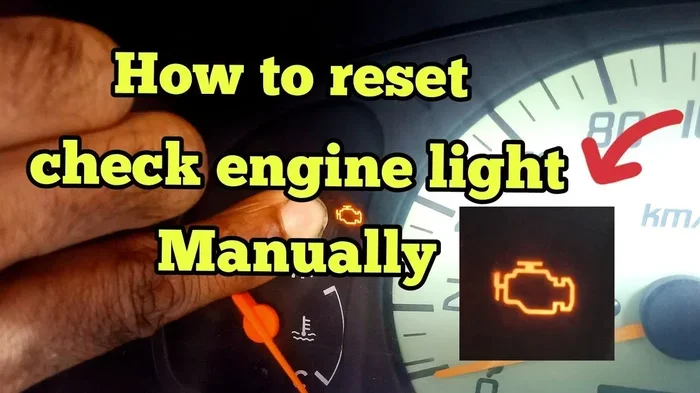
The Check Engine Light
The check engine light is a catch-all warning that can mean many things. One common cause is low oil. When oil levels drop, the engine works harder. Sensors detect this stress and trigger the light. If your check engine light comes on along with any other symptom we discuss below, low oil should be at the top of your list.
Oil Change Reminder Light
Many newer cars have a specific oil change reminder light. This is different from the oil pressure light. It tells you it is time for routine maintenance based on mileage or time intervals. However, if this light comes on before your scheduled service, it could indicate an oil leak or excessive oil burn.
Strange Engine Noises You Should Never Ignore
Your engine is full of metal parts moving at high speed. Oil creates a cushion between them. When oil levels drop, that cushion disappears. The result is metal-on-metal contact. This produces sounds your engine should never make.
Engine Knocking or Tapping
A rhythmic knocking or tapping sound from the engine bay is a classic sign of low oil symptoms. This happens when the valve train and camshaft components lack lubrication. The sound often gets louder as you accelerate or climb a hill. If you hear this, do not keep driving. Stop and check your oil level right away.
Clicking or Ticking Sounds at Startup
A light ticking when you first start the car can be normal. But if the ticking gets louder or lasts longer than a few seconds, that is a red flag. It means the oil is not reaching the top of the engine fast enough. The oil pump may be starving for lubrication.
Clattering or Rattling Under Load
When you put the car under heavy load, such as towing or climbing a steep hill, you may hear a clattering noise. This suggests the oil is too thin or too low to handle the demand. Continuing to drive in this condition can warp crankshafts and damage bearings. These are expensive repairs that can be avoided with early detection.
Burning Smells, Smoke, and Leaks
Your sense of smell is a powerful tool for diagnosing car problems. A healthy car should not produce strong odors from the engine bay. If you notice anything unusual, it is time to investigate.
The Burning Oil Smell
A hot, sharp, burning smell coming from under the hood is a serious warning. It usually means oil is leaking onto hot engine parts like the exhaust manifold. Oil is not supposed to burn. When it does, it produces a distinct, acrid odor that is hard to miss. If you smell this, pull over safely and turn off the engine.
Blue or Gray Exhaust Smoke
Normal exhaust should be mostly clear or white on cold mornings. Blue or gray smoke means oil is entering the combustion chamber and burning alongside fuel. This can happen when oil levels are low and the engine pulls oil past worn seals. It can also indicate a more serious internal problem. Either way, blue smoke is a sign you need to check your oil level and visit a mechanic.
Oil Leaks Under the Car
Look at where you park. Dark puddles or spots under your car often indicate an oil leak. Oil can seep from the oil pan gasket, valve cover gaskets, or oil filter. Even a small leak will gradually drain your oil reservoir. If you notice a leak, top off the oil and get it repaired promptly.
| Symptom | Likely Cause | Urgency Level |
|---|---|---|
| Oil pressure warning light on | Low oil level or oil pump failure | Stop immediately and check |
| Engine knocking or tapping | Insufficient oil reaching engine parts | Check oil now; do not drive far |
| Burning oil smell | Oil leak onto hot engine surfaces | Pull over safely; check for leaks |
| Blue exhaust smoke | Oil entering combustion chamber | Visit mechanic soon |
| Oil puddle under car | Leaking gasket, seal, or oil pan | Top off oil; schedule repair |
| Overheating engine | Low oil reducing heat absorption | Stop driving; let engine cool |
| Poor fuel economy | Engine working harder with less lubrication | Check oil level at next opportunity |
Physical Symptoms of Low Oil
Beyond sounds and smells, your car shows physical signs that something is wrong with the oil level. These symptoms affect how the car drives and how it performs day to day.
Engine Overheating
Oil helps absorb and carry away heat from the engine. When oil levels drop, the cooling capacity drops too. The engine temperature rises. If your temperature gauge climbs into the red zone, low oil could be the cause. Overheating can warp engine parts and crack the head gasket. This is one of the most dangerous engine oil warning signs.
Reduced Fuel Economy
When your engine lacks proper lubrication, internal parts create more friction. The engine works harder to produce the same power. This means you burn more fuel for every mile you drive. If you notice you are visiting the gas station more often, check your oil reservoir. A simple top-off might restore your fuel efficiency.
Sluggish or Unresponsive Acceleration
A well-lubricated engine responds quickly when you press the gas pedal. Low oil makes the engine sluggish. You may feel a delay when you accelerate. The car might feel heavy or unresponsive. This happens because internal components are dragging against each other instead of moving freely.
Unusual Vibrations or Rough Idle
Your car should idle smoothly at a stop. If you feel excessive vibration or the engine sounds rough when idling, the oil level may be too low. Insufficient oil causes uneven wear on internal bearings. This leads to a rough, jittery idle that gets worse over time.
How to Check Your Oil Level at Home
Checking your oil is one of the simplest and most important things you can do for your car. You do not need mechanic skills or expensive tools. Just a few minutes and a clean rag. Here is how to do it step by step.
Step-by-Step Oil Check Guide
- Park your car on a flat surface and turn off the engine.
- Wait at least five minutes for the oil to settle back into the oil reservoir.
- Open the hood and locate the oil dipstick. It usually has a brightly colored handle.
- Pull the dipstick out and wipe it clean with a rag or paper towel.
- Reinsert the dipstick fully, then pull it out again.
- Look at the oil level markings on the dipstick. There are usually two lines, holes, or a crosshatched area.
- The oil level should fall between the minimum and maximum marks.
- Also check the oil color. Fresh oil is amber or golden. Dark brown or black oil needs to be changed soon.
- If the level is low, add the type of oil recommended in your owner’s manual.
Quick Tips for Oil Checks
- Check oil when the engine is cool for the most accurate reading.
- Do this once a month and before any long road trips.
- Always use the oil grade recommended by your car manufacturer.
- Keep extra oil in your trunk for emergencies, especially on long drives.
- Never overfill the oil reservoir. Too much oil can cause its own set of problems.
Common Mistakes People Make with Oil Checks
Many drivers make simple mistakes that lead to wrong readings or engine damage. Here are the most common ones to avoid.
- Checking oil on an incline. This gives an inaccurate reading because the oil pools to one side.
- Checking right after driving. Hot oil is thin and does not settle properly in the reservoir.
- Ignoring the oil color. Color tells you about oil condition. Clean oil protects better than dirty oil.
- Topping off without changing. Old oil loses its protective properties over time. Adding new oil to old oil is not a substitute for a full oil change.
- Using the wrong oil type. Every engine is designed for a specific viscosity. Using the wrong grade reduces protection.
When to See a Mechanic
Sometimes low oil is a sign of a bigger problem. A car that burns oil or leaks oil constantly needs professional attention. Here is when you should stop DIY fixes and see a mechanic.
Signs of a Serious Oil Problem
If you check your oil and it is consistently low even after topping it off, something is wrong. Possible causes include worn piston rings, damaged valve seals, or internal leaks. A mechanic can perform a thorough inspection and diagnose the root cause. Ignoring a recurring oil problem will eventually lead to engine failure.
How Often Should You Get an Oil Change?
Most cars need an oil change every 5,000 to 7,500 miles for conventional oil. Synthetic oil can last longer, sometimes up to 10,000 miles. Check your owner’s manual for the exact interval. Staying on top of your vehicle maintenance schedule is the best way to prevent low oil problems.
Expert Insight from ASE-Certified Technicians
Experienced technicians recommend treating every oil pressure light as a serious warning. Even if the oil level looks fine, the light means something is wrong with the oil system. It could be a faulty sensor, a clogged oil filter, or a failing oil pump. A professional diagnosis can save you from a much bigger repair bill down the road.
One common question mechanics hear is, “Can you tell if your car is low on oil just by driving?” The honest answer is yes, but only if you pay attention to the signals we have covered. The dashboard lights, sounds, and performance changes all work together to give you a clear picture. The key is not to wait until multiple symptoms appear. The earlier you catch a problem, the simpler and cheaper the fix.
Final Thoughts
Your car gives you plenty of warning before low oil becomes a crisis. The oil pressure light, strange engine sounds, burning smells, and performance drops are all clues you should never ignore. Taking a few minutes each month to check your oil level with the dipstick is one of the best investments you can make in your vehicle’s longevity.
Remember, engine oil is the lifeblood of your car. It keeps everything running smoothly and prevents costly damage. When you notice the warning signs of low oil, act quickly. Top off the oil, schedule an oil change, or visit a trusted mechanic. Your engine will thank you with years of reliable service.
Stay proactive with your car maintenance. Keep an eye on your dashboard, listen to your engine, and trust your instincts. A few minutes of attention today can save you thousands of dollars tomorrow.
Frequently Asked Questions
What are the first signs that my car is low on oil?
The first signs usually include the oil pressure warning light on the dashboard, a ticking or knocking noise from the engine, and reduced performance. Some drivers also notice a burning smell or blue exhaust smoke. Checking the dipstick regularly helps you catch these issues early before they become serious problems.
Can low oil cause the check engine light to come on?
Yes, low oil can trigger the check engine light. When oil levels drop, the engine works harder and sensors detect abnormal conditions. The check engine light is a general warning that can mean many things, so always pair it with a physical oil check using the dipstick to confirm the cause.
How often should I check my car’s oil level?
Most experts recommend checking your oil at least once a month. You should also check it before any long road trips. Checking when the engine is cool and the car is on a flat surface gives you the most accurate reading. Making this a habit is one of the easiest ways to protect your engine.
What happens if I keep driving with low oil?
Driving with low oil causes increased friction between engine parts. This leads to overheating, accelerated wear, and eventually catastrophic engine failure. The longer you drive on low oil, the more damage occurs. Even a few minutes of driving without enough oil can cause permanent harm to internal components.
Is it normal for my car to burn a little oil over time?
Some oil consumption is normal, especially in older vehicles. However, if you are regularly adding oil between changes, something is wrong. Excessive oil burning can point to worn piston rings, leaking seals, or other internal issues that need professional diagnosis.
Can I just add oil instead of getting a full oil change?
Topping off oil is a quick fix for low levels, but it is not a replacement for a full oil change. Old oil breaks down and loses its protective qualities. Over time, it collects dirt and metal particles that can damage your engine. Always follow your manufacturer’s recommended oil change schedule to keep your engine in top shape.
=== CONCLUSION ===
Can you tell if your car is low on oil? The answer is a clear yes. Your car gives you multiple warning signals, from dashboard lights and engine noises to burning smells and performance drops. Learning to recognize these signs is one of the most valuable skills any car owner can have.
Regular oil checks, timely oil changes, and prompt attention to warning lights can save you from expensive repairs. Your engine works hard every day. It deserves the care and attention that proper oil maintenance provides. Start paying attention to what your car is telling you today, and your engine will reward you with reliable service for years to come.