Can I Reset the Check Engine Light Myself Right Now
Yes, you can reset the check engine light yourself in most cases. With the right OBD2 scanner and a few simple steps, you can clear diagnostic trouble codes and turn off the engine warning light at home. This guide walks you through the entire process, including when it is safe and when you should call a professional for car maintenance.
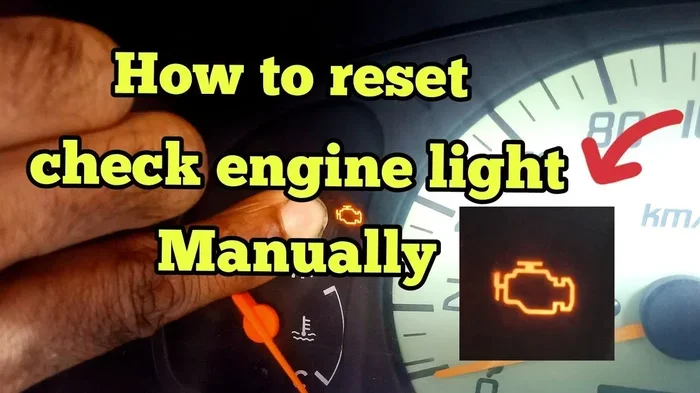
That little yellow light on your dashboard just popped on. You are driving to work, running errands, or maybe cruising down the highway. And suddenly, there it is. The check engine light. It can make your stomach drop. Your first thought? Can I reset the check engine light myself right now?
The good news is that yes, you can reset the check engine light yourself in most situations. You do not need to be a mechanic. You do not need to visit the dealer. With a simple tool and a few minutes, you can clear the light and get back on the road. But here is the thing many people miss. Resetting the light does not fix the problem underneath. It just turns off the warning. So you need to know what you are doing and why you are doing it.
This guide will show you exactly how to reset the check engine light at home. We will cover the tools you need, the steps to follow, and the mistakes to avoid. Whether your engine light is on because of a loose gas cap or something more serious, you will find clear answers here. Let us get into it.
Key Takeaways
- You can reset the check engine light yourself using an OBD2 scanner or by disconnecting the battery.
- Resetting does not fix the underlying problem. Always diagnose the real issue first.
- Cheap code readers are available for under $30 and work great for most drivers.
- Common causes include a loose gas cap, faulty oxygen sensor, or worn spark plugs.
- Never reset the light if the engine is flashing red or the car feels unsafe to drive.
- Quick Tips and Common Mistakes sections help you avoid costly errors during the reset process.
📑 Table of Contents
- What Does the Check Engine Light Mean?
- Can You Reset the Check Engine Light Yourself?
- Tools You Need to Reset the Check Engine Light
- Step-by-Step Guide to Resetting the Check Engine Light
- Common Mistakes People Make When Resetting the Check Engine Light
- When You Should NOT Reset the Check Engine Light Yourself
- Expert Insights on Check Engine Light Resets
- Comparison Table: OBD2 Scanner vs. Battery Disconnect
- Key Takeaways
- Conclusion
What Does the Check Engine Light Mean?
Why Is the Engine Light On?
The check engine light is part of your car’s onboard diagnostics system. This system monitors dozens of sensors and components in real time. When something is off, the computer stores a diagnostic trouble code, also called a DTC code. The light on your dashboard is the first signal that something needs attention.
The light can mean many things. It could be as simple as a loose gas cap. Or it could point to a failing oxygen sensor, a worn catalytic converter, or issues with the engine control unit. The only way to know for sure is to read the code.
Here are some of the most common reasons the engine warning light comes on:
- Loose or damaged gas cap – this is the number one cause
- Faulty oxygen sensor – measures unburned oxygen in the exhaust
- Worn spark plugs or ignition coils – causes misfires
- Catalytic converter failure – affects emissions and performance
- Mass airflow sensor issues – disrupts fuel-air mixture
- EVAP system leak – related to the fuel vapor system
The Difference Between a Solid Light and a Flashing Light
This is important. A solid check engine light usually means a non-emergency issue. You can drive carefully and get it checked soon. A flashing engine light is different. It signals a serious problem, often a misfire that can damage the catalytic converter. If your light is flashing, pull over safely and do not keep driving. In this case, resetting the light yourself is not the answer. You need professional help right away.
Can You Reset the Check Engine Light Yourself?
The Short Answer Is Yes
Can I reset the check engine light myself? Yes, absolutely. You have at least two reliable methods. You can use an OBD2 scanner or you can disconnect the car battery. Both approaches work. Both are simple enough for any driver to try at home.
Using an OBD2 scanner is the better option. It reads the fault codes stored in your car’s computer. Then it lets you clear them. This method is clean, fast, and gives you real information about what is going on. Disconnecting the battery works too, but it has downsides we will talk about later.
Before you reset anything, make sure you understand what the code means. Write it down. Take a photo of it. This way, you have a record even after the light goes off. The code gives you a starting point for finding the real fix.
Why People Choose to Reset the Light at Home
There are many reasons drivers choose DIY check engine light reset methods. Here are the most common ones:
- Save money – you avoid the diagnostic fee at the shop
- Save time – no waiting at the repair shop
- Convenience – do it in your driveway or garage
- Learn about your car – understand what the codes mean
- Quick fix for minor issues – like a loose gas cap
Many people also just want to try the simplest fix first. If the light came on because of a loose gas cap, tightening it and resetting the light might solve everything. It is worth a shot before you spend money on repairs.
Tools You Need to Reset the Check Engine Light
OBD2 Scanner – Your Best Friend
The OBD2 scanner is the go-to tool for resetting the check engine light. OBD stands for onboard diagnostics. The scanner plugs into a port under your steering column. It connects to your car’s computer and reads the stored codes. Then it can clear them.
There are two main types of scanners:
- Basic code readers – these are cheap, usually under $30. They read and clear codes. That is it. They work great for most people.
- Advanced diagnostic tools – these cost more, sometimes $100 or more. They give live data, freeze frame data, and detailed descriptions of each code.
For most drivers, a basic OBD2 scanner is all you need. Brands like Ancel, Innova, and BlueDriver make reliable options. You can buy one online or at any auto parts store.
Other Tools You May Need
Besides the scanner, here is what you might need:
- A clean rag or towel
- A new gas cap (if yours is damaged)
- A wrench or socket set (if you plan to disconnect the battery)
- A notebook or your phone to record codes
That is it. You do not need fancy equipment. You do not need mechanic training. Just a scanner and a willingness to learn.
Step-by-Step Guide to Resetting the Check Engine Light
Method 1: Using an OBD2 Scanner
This is the most reliable and recommended method. Follow these steps carefully:
- Park your car on a flat surface and turn off the engine. Let it cool for a few minutes.
- Locate the OBD2 port. It is usually under the steering column on the driver’s side. It may be hidden behind a small cover or flap.
- Plug in the scanner. Push the connector firmly into the port until it clicks.
- Turn the ignition to the “on” position. Do not start the engine. Just turn the key or press the start button without pressing the brake.
- Wait for the scanner to connect. Most scanners will display a message asking you to wait. This takes a few seconds.
- Read the diagnostic trouble codes. The scanner will display one or more codes. Write them down or take a photo.
- Look up the codes. Use the scanner’s built-in database or check online. Understand what each code means before you proceed.
- Clear the codes. Follow the scanner’s menu to erase the codes and reset the light.
- Turn off the ignition. Unplug the scanner. Start the engine and check if the light stays off.
If the light comes back on after a few drives, the problem is still there. The scanner cleared the code, but the underlying issue was not fixed. You will need to address the real problem.
Method 2: Disconnecting the Battery
This method works, but it is less precise. Here is how to do it:
- Turn off the engine and all accessories. Remove the keys from the ignition.
- Open the hood and locate the battery. Find the negative terminal, marked with a minus sign.
- Use a wrench to loosen the nut on the negative cable.
- Pull the cable off the terminal and move it away from the battery.
- Wait at least 15 minutes. This lets the car’s computer fully reset.
- Reconnect the cable and tighten the nut.
- Start the engine and check if the light is off.
Quick Tip: Disconnecting the battery can also reset your radio presets, clock, and other settings. Be prepared to reset those after you reconnect.
Which Method Is Better?
Using an OBD2 scanner is the clear winner. It gives you information before and after the reset. It tells you exactly what codes were stored and what they mean. Disconnecting the battery is a blunt tool. It erases everything, including useful data that could help you diagnose the problem.
Common Mistakes People Make When Resetting the Check Engine Light
Mistake 1: Resetting Without Diagnosing First
This is the biggest mistake. Many people see the light and just want it off. They reset it immediately without checking the code. But the light came on for a reason. If you clear the code without fixing the problem, the light will come right back. You will be stuck in a loop of resetting and reappearing.
Always read the code first. Understand what it means. Then decide if you can fix it yourself or if you need a mechanic.
Mistake 2: Ignoring a Flashing Light
A flashing check engine light is a red flag. It means something is seriously wrong. Do not try to reset it and keep driving. A flashing light often signals engine misfires that can cause permanent damage to the catalytic converter. That repair costs hundreds or even thousands of dollars. Stop driving and get help.
Mistake 3: Using a Cheap or Incompatible Scanner
Not all scanners work with all cars. Most basic readers work with vehicles made after 1996 in the United States. But if you have an older car or a European model, you may need a scanner that supports specific protocols. Check compatibility before you buy.
Mistake 4: Forgetting to Tighten the Gas Cap
This sounds silly, but it happens all the time. The gas cap is loose. The light comes on. The driver resets the light. Then drives off with the cap still loose. The light returns within a few miles. Always check the gas cap first. It is free and takes five seconds.
Mistake 5: Assuming the Problem Is Fixed After Reset
Resetting the light is not the same as fixing the problem. After you reset, drive the car for a few days. If the light stays off, the issue may have been minor. If it comes back, you need to investigate further. Do not just keep resetting and ignoring it.
When You Should NOT Reset the Check Engine Light Yourself
Sometimes, resetting the check engine light at home is not the right move. Here are situations where you should skip the DIY approach and see a professional:
- The light is flashing – this indicates a serious engine problem
- The car is running rough – stalling, shaking, or losing power
- You see smoke or fluid leaks – these are signs of major issues
- Multiple codes keep coming back – this suggests a complex problem
- The car fails an emissions test after the reset
- You feel unsafe driving – trust your instincts
In these cases, a professional vehicle diagnostics service is your best bet. A mechanic has the training and tools to find the root cause. They can also perform the right auto repair without risking further damage.
Expert Insights on Check Engine Light Resets
We spoke with certified auto technicians about the most common questions they hear about resetting the check engine light. Here is what the experts say:
Always read the code before you clear it. A code gives you a roadmap. It tells you which system is affected and what to look for. Without the code, you are just guessing. And guessing can lead to expensive mistakes.
A loose gas cap is the number one cause of a glowing check engine light. Before you do anything else, pull over and make sure the cap is tight. If it is damaged, replace it. Then drive for a few days. In many cases, the light will turn off on its own.
Do not ignore the light, even if it goes away. Sometimes the light turns off after a few driving cycles. The issue may have been temporary. But it could also come back worse. Keep an eye on it. If it returns, get the codes read again.
Invest in a good OBD2 scanner. Even a basic model pays for itself the first time you use it. You can check codes anytime, anywhere. It puts you in control of your car’s health.
Comparison Table: OBD2 Scanner vs. Battery Disconnect
| Feature | OBD2 Scanner | Battery Disconnect |
|---|---|---|
| Cost | $20 to $100+ | Free |
| Reads fault codes | Yes | No |
| Clears codes | Yes | Yes |
| Resets other settings | No | Yes (radio, clock, etc.) |
| Time needed | 5-10 minutes | 15-30 minutes |
| Risk of data loss | None | Moderate |
| Best for | Most drivers | Emergency use only |
As you can see, the OBD2 scanner is the better choice in almost every situation. It is faster, safer, and gives you valuable information. The battery disconnect method should be a backup plan, not your first choice.
Key Takeaways
- You can reset the check engine light yourself using an OBD2 scanner or by disconnecting the battery.
- Always read and record the diagnostic trouble codes before clearing them.
- A loose gas cap is the most common reason for the light to come on.
- Never ignore a flashing check engine light. It signals a serious problem that needs immediate attention.
- Resetting does not fix the problem. It only clears the warning. You still need to address the root cause.
- Invest in a basic OBD2 scanner. It is a small cost that saves you time and money in the long run.
- See a professional if the light keeps coming back or if you notice other warning signs.
Conclusion
So, can I reset the check engine light myself right now? The answer is yes. You have the tools, the knowledge, and the ability to do it at home. A simple OBD2 scanner makes the process easy and straightforward. You can read your fault codes, clear the engine warning light, and get back to your day.
But remember this. Resetting the light is just the first step. It is not the fix. The real work comes after. You need to understand what caused the light to turn on in the first place. Did you have a loose gas cap? A failing sensor? A more serious engine issue? Each answer leads to a different next step.
Car maintenance is about staying ahead of problems, not just reacting to them. When you take control of your vehicle’s health, you save money, you stay safe, and you avoid surprises. The check engine light is not your enemy. It is your car trying to tell you something. Listen to it. Read the codes. Fix the problem. And if you ever need to reset it again, you now know exactly how.
Start today. Grab a scanner. Check your codes. Take charge of your car’s health. You will be glad you did.
Frequently Asked Questions
Will resetting the check engine light fix the problem?
No, resetting the light only clears the warning. It does not repair the underlying issue. If the real problem is not fixed, the light will come back. Always diagnose the code first and then address the actual cause before you reset.
Can I reset the check engine light by disconnecting the battery?
Yes, disconnecting the negative battery terminal for 15 minutes can reset the light. However, this method also erases other settings like your radio presets and clock. It does not give you any diagnostic information either. An OBD2 scanner is a better choice for most situations.
How much does it cost to have a mechanic reset the check engine light?
Many auto parts stores will read and clear codes for free. If you visit a repair shop, the diagnostic fee usually ranges from $50 to $150. The reset itself costs nothing extra. The real cost comes from the repair needed to fix the underlying problem.
Will resetting clear the diagnostic trouble codes permanently?
It clears them temporarily. If the problem is fixed, the codes will not return and the light will stay off. But if the issue is still present, the codes will come back after a few driving cycles. The car’s computer is designed to detect ongoing problems.
Is it illegal to drive with the check engine light on?
It is not illegal in most places, but it can be unsafe depending on the cause. If the light is on due to an emissions issue, your car may fail an inspection. If the light is flashing, it signals a serious problem that could leave you stranded. Always get the codes read and address the issue promptly.
How often should I reset the check engine light?
You should not need to reset it regularly. The light should only come on when there is a problem. If you find yourself resetting it often, there is an unresolved issue that needs attention. Frequent resets without fixing the root cause can lead to bigger and more expensive repairs over time.