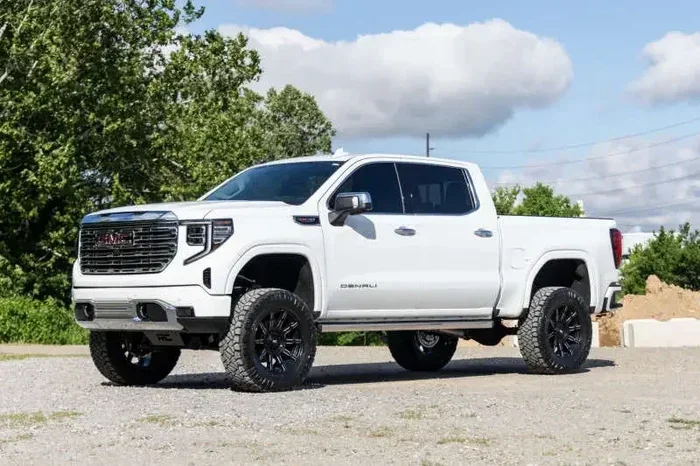
Does a Lift Kit Void the Warranty on Your GMC Truck
If you own a GMC truck and are thinking about adding a lift kit, you have probably asked: does a lift kit void the warranty on a GMC? The answer depends on your warranty terms, the type of aftermarket parts you use, and how the modification affects your vehicle. This guide covers everything about lift kit warranty impact, from OEM warranty rules to protecting your warranty coverage.
If you own a GMC truck and are thinking about adding a lift kit, you have probably asked: does a lift kit void the warranty on a GMC? This is one of the most common questions among truck owners. The answer is not as simple as a yes or no. Your GMC warranty status after a lift depends on several important factors.
Understanding warranty terms and aftermarket parts policies before you make any changes can save you thousands of dollars. In this guide, we break down everything you need to know. We will cover OEM warranty rules, how aftermarket modifications play a role, and what you can do to protect your warranty coverage. By the end, you will feel confident making the right decision for your truck.
Key Takeaways
- Your GMC warranty is not automatically voided by a lift kit. The Magnuson-Moss Warranty Act protects consumers from blanket warranty denial due to aftermarket parts.
- Only the affected part can be denied coverage. If a lift kit directly causes a failure, the manufacturer can deny the claim for that specific component only.
- Body lifts carry less warranty risk than suspension lifts. Body lifts do not change suspension geometry or drivetrain angles, making them safer for warranty coverage.
- Professional installation is essential. Improper installation gives dealers a clear reason to deny claims and can lead to costly repairs.
- Quality aftermarket parts matter. Using reputable brands reduces the risk of damage to factory components and strengthens your position in warranty disputes.
- Stay transparent with your dealer. Open communication about your modifications builds trust and protects your warranty coverage.
- Document everything. Keep receipts, installation records, and photos of your truck before and after the lift kit installation.
📑 Table of Contents
- Understanding Your GMC Warranty Coverage
- How a Lift Kit Can Affect Your GMC Warranty
- When Does a Lift Kit Actually Void the Warranty on a GMC?
- Body Lift vs. Suspension Lift: Warranty Impact Compared
- Tips to Protect Your GMC Warranty After Installing a Lift Kit
- Real-World Scenarios: What GMC Owners Experience
- Key Takeaways
- Conclusion
Understanding Your GMC Warranty Coverage
Before you even think about installing a lift kit, you need to understand what your GMC warranty actually covers. Most new GMC truck models come with two main types of protection. Knowing the difference between them helps you make smarter decisions about aftermarket parts.
Bumper-to-Bumper Warranty
The bumper to bumper warranty is the broadest coverage you get with a new vehicle. It covers almost all factory components, from your infotainment system to your climate control. For most GMC models, this warranty lasts for three years or 36,000 miles, whichever comes first.
This warranty is designed to protect you against defects in materials or workmanship. It does not cover damage caused by wear and tear, misuse, or modifications. This is where things get tricky when you start talking about aftermarket modifications like a lift kit.
Powertrain Warranty
The powertrain warranty is separate from the bumper-to-bumper plan. It covers the engine, transmission, and drivetrain components. GMC typically backs this with a five-year or 60,000-mile warranty, whichever comes first.
Here is the key point: the powertrain warranty focuses on factory defects. If a lift kit causes stress on your drivetrain or engine, the manufacturer may deny a warranty claim. But if the failure is unrelated to the lift, you may still be fully covered.
How a Lift Kit Can Affect Your GMC Warranty
Installing a lift kit changes the geometry and dynamics of your GMC truck. This is why manufacturers and dealers pay close attention to modified vehicles when processing warranty claims. Let us walk through the specific ways a lift can interact with your warranty terms.
Aftermarket Parts and Warranty Terms
Most OEM warranty agreements include clauses about aftermarket parts. These clauses state that if an aftermarket component causes or contributes to a failure, the manufacturer may deny coverage for the affected part.
However, the Magnuson-Moss Warranty Act in the United States protects consumers. This federal law states that a manufacturer cannot void your entire factory warranty just because you used aftermarket parts. They can only deny coverage for the specific part that was affected by the aftermarket component.
This is a crucial distinction. Many truck owners mistakenly believe that one aftermarket part voids the entire GMC warranty. That is simply not true. The law is on your side as long as you can prove the modification did not directly cause the failure.
What Dealers Look For During Inspections
When you bring your modified vehicle in for a warranty claim, the dealer will inspect your truck carefully. They look for signs that the modification caused the problem. For example, if your front suspension suspension components are worn out after a lift kit installation, the dealer may investigate whether the lift caused the wear.
Dealers also check for proper installation. If a lift kit was installed incorrectly, this gives them a clear reason to deny the claim. This is why professional installation matters so much. A certified technician follows factory specifications and ensures everything works as it should.
Quick Tips for Dealing With Dealers
- Keep all receipts: Save documentation for your lift kit purchase and installation.
- Use certified installers: Professional installation reduces the risk of warranty disputes significantly.
- Ask questions upfront: Contact your GMC dealer before installing any aftermarket parts.
- Document your truck: Take photos of your vehicle before and after the lift kit installation.
- Read your warranty booklet: Understand exactly what your GMC warranty covers and what it excludes.
When Does a Lift Kit Actually Void the Warranty on a GMC?
This is the million-dollar question every truck owner wants answered. The answer lies in the concept of direct cause. A lift kit only affects warranty coverage for parts that are directly impacted by the modification. It does not wipe out your entire GMC warranty.
Direct Cause vs. Coincidental Damage
Let us say you install a suspension lift and six months later your transmission fails. If the dealer can prove that the lift changed the drivetrain angle enough to cause the failure, they may deny the claim. But if your transmission fails due to a factory defect, the lift did not cause it, and you should still be fully covered.
On the other hand, if you install a body lift and your factory running boards crack, the dealer may argue that the lift put stress on those components. In this case, the warranty voidance would likely apply only to the running boards, not your entire truck.
Common Mistakes That Risk Your Warranty
Many GMC owners make avoidable mistakes when installing a lift kit. Here are the most common ones that can put your warranty coverage at risk:
- Skipping professional installation: DIY installs often lead to improper alignment and component stress that dealers can easily spot.
- Using cheap or incompatible parts: Low-quality aftermarket suspension parts can cause premature wear on factory components.
- Ignoring recommended maintenance: After a lift, your truck needs different maintenance intervals for certain parts like alignment and brakes.
- Not informing your dealer: Hiding modifications is a bad idea. Transparency protects you legally and builds trust.
- Over-lifting your truck: Extreme lift heights can put excessive strain on drivetrain and steering components beyond factory tolerances.
Expert Insights on Warranty and Lift Kits
Expert Insight: According to automotive law attorneys, the Magnuson-Moss Warranty Act is your best friend when dealing with warranty disputes after aftermarket modifications. The law requires manufacturers to prove that the aftermarket part directly caused the failure before they can deny a warranty claim. Keep this in mind if you ever face a dispute with your GMC dealer. Always ask for written proof of the direct cause before accepting a denial.
Body Lift vs. Suspension Lift: Warranty Impact Compared
Not all lift kits are created equal. The type of lift you choose can significantly impact your warranty coverage. Understanding the differences helps you make a smarter choice for your GMC truck.
Body Lift Kits
A body lift raises the truck body off the frame using spacers. It does not change the suspension geometry or ride height of the wheels. This means a body lift has a much smaller impact on your GMC warranty.
Most manufacturers consider body lifts to be less risky for warranty coverage. The factory suspension, drivetrain, and steering components remain in their original positions. However, you still need to be careful with aftermarket parts that connect the body to the frame. Even a small aftermarket modification can create issues if not done correctly.
Suspension Lift Kits
A suspension lift replaces or modifies your factory suspension components. This changes the geometry of your entire truck. It affects ride height, alignment, and drivetrain angles.
Because of these changes, a suspension lift has a greater potential to impact your warranty. If the lift causes issues with your CV joints, u-joints, or driveshaft, the manufacturer may deny the claim. But again, they can only deny coverage for the affected part, not your entire factory warranty.
Warranty Impact Comparison
| Feature | Body Lift | Suspension Lift |
|---|---|---|
| Changes Suspension Geometry | No | Yes |
| Impact on Drivetrain | Minimal | Moderate to High |
| Warranty Risk Level | Low | Moderate |
| Lift Height Range | 1 to 3 inches | 2 to 6+ inches |
| Affects Factory Components | Rarely | Potentially |
| Installation Complexity | Moderate | High |
| Off-Road Capability | Limited | Significant |
Tips to Protect Your GMC Warranty After Installing a Lift Kit
Installing a lift kit does not automatically mean losing your GMC warranty. There are clear steps you can take to protect yourself and your investment. Follow these tips to keep your warranty coverage intact.
Choose Quality Aftermarket Parts
Invest in aftermarket suspension parts from reputable brands. Quality parts are less likely to cause damage to factory components. They also come with their own warranties, which adds an extra layer of protection for your GMC truck. Stick with brands that have a proven track record in the lift kit industry.
Get Professional Installation
Always have your lift kit installation done by a certified technician. Proper installation ensures that all components work correctly and reduces the risk of premature wear. Keep the installation receipt and any certifications in your truck’s records. This documentation is your best friend if a warranty dispute ever arises.
Stay on Top of Maintenance
After a lift, your truck needs extra attention. Check your alignment regularly. Inspect suspension components for signs of wear. Keep up with all recommended maintenance schedules. A well-maintained modified vehicle is much harder for a dealer to deny coverage for. Regular maintenance also keeps your truck running smoothly for years to come.
Communicate With Your Dealer
Be upfront with your GMC dealer about your modifications. Many dealers will work with you as long as the truck is properly maintained. Building a good relationship with your dealer goes a long way in protecting your warranty coverage. Transparency is always the best policy when it comes to your GMC warranty.
Real-World Scenarios: What GMC Owners Experience
Let us look at a few real-world examples of how lift kit warranty situations play out for GMC owners. These scenarios show how different factors lead to different outcomes.
Scenario one: A GMC Sierra owner installs a 2-inch suspension lift from a well-known brand. Six months later, the factory transmission starts slipping. The dealer inspects the truck and finds no connection between the lift and the transmission issue. The warranty claim is approved, and the transmission is repaired under the powertrain warranty.
Scenario two: A GMC Canyon owner installs a 3-inch lift kit and uses aftermarket wheels that are not factory-specified. A year later, the front CV joints fail. The dealer determines that the offset of the aftermarket wheels put extra stress on the CV joints. The claim for the CV joints is denied, but all other warranty coverage remains fully intact.
Scenario three: A GMC Sierra owner installs a 4-inch body lift with proper spacers and hardware. Two years later, the factory brakes need replacement. The dealer finds no connection between the body lift and the brake wear. The warranty claim is approved without any issues at all.
These scenarios show that the outcome depends heavily on the specific situation. The type of lift, the parts used, and the quality of installation all play a role in determining whether your warranty coverage stays intact.
Key Takeaways
- Your GMC warranty is not automatically voided by a lift kit. The Magnuson-Moss Warranty Act protects consumers from blanket warranty denial due to aftermarket parts.
- Only the affected part can be denied coverage. If a lift kit directly causes a failure, the manufacturer can deny the claim for that specific component only.
- Body lifts carry less warranty risk than suspension lifts. Body lifts do not change suspension geometry or drivetrain angles, making them safer for warranty coverage.
- Professional installation is essential. Improper installation gives dealers a clear reason to deny claims and can lead to costly repairs down the road.
- Quality aftermarket parts matter. Using reputable brands reduces the risk of damage to factory components and strengthens your position in any warranty dispute.
- Stay transparent with your dealer. Open communication about your modifications builds trust and protects your warranty coverage over the long term.
- Document everything. Keep receipts, installation records, and photos of your truck before and after the lift kit installation for future reference.
Conclusion
So, does a lift kit void the warranty on a GMC? The short answer is no, not entirely. A lift kit can affect your warranty coverage for specific parts that are directly impacted by the modification. But it does not wipe out your entire factory warranty. Understanding this distinction is the first step toward making an informed decision.
Understanding your warranty terms and taking the right precautions can go a long way. Choose quality aftermarket parts, get professional lift kit installation, and stay transparent with your GMC dealer. These steps will help you enjoy your lifted GMC truck without worrying about losing your warranty coverage.
At the end of the day, knowledge is your best defense. The more you understand about how modifications affect your warranty, the better equipped you are to make smart decisions. Your GMC truck is a significant investment, and with the right approach, you can customize it without sacrificing your peace of mind. Take the time to research, plan, and protect your investment before you install any aftermarket modifications.
Frequently Asked Questions
Can I Keep My GMC Warranty if I Install a Lift Kit Myself?
Yes, you can keep your GMC warranty even if you install the lift kit yourself. However, DIY installation increases your risk if something goes wrong. If the dealer can prove that improper installation caused a failure, they may deny the claim for that specific part. Professional installation is always the safer choice for protecting your warranty coverage.
Will a Small Lift Kit Affect My GMC Warranty?
A small lift kit, such as a 1 to 2-inch body lift, carries minimal warranty risk. Most dealers and manufacturers view small lifts as low-impact modifications. The key factor is whether the lift causes or contributes to a component failure. Small lifts are less likely to affect suspension components or drivetrain geometry in your GMC truck.
What Does the Magnuson-Moss Warranty Act Mean for GMC Owners?
The Magnuson-Moss Warranty Act is a federal law that protects consumers from having their entire factory warranty voided because of aftermarket parts. Under this law, a manufacturer must prove that the aftermarket part directly caused the failure before they can deny a warranty claim. This means you have legal protection even after installing a lift kit on your GMC.
How Do I Know if My Lift Kit Will Impact My Warranty Claim?
The impact depends on which part fails and whether the lift contributed to the failure. If your suspension components or drivetrain parts fail after a lift kit installation, the dealer will investigate the connection. Keeping records of professional installation and using quality aftermarket parts strengthens your position significantly in any dispute.
Can I Get a Lift Kit Installed Under My GMC Warranty Period?
Yes, you can install a lift kit while your GMC warranty is still active. However, doing so means any related failures may not be covered. It is best to wait until the bumper-to-bumper warranty expires if you want zero risk. If you cannot wait, choose a quality lift kit and professional installation to minimize potential issues with your warranty coverage.
Are There Lift Kits Specifically Designed to Not Void GMC Warranty?
No lift kit is specifically designed to preserve your GMC warranty. However, some manufacturers engineer their kits to minimize impact on factory components. Leveling kits, which are a type of front suspension lift, are often considered lower risk because they only lift the front end and maintain more factory geometry. Always check with your GMC dealer before purchasing any aftermarket suspension product.