2012 Ford F-150 Recalls – What Every Owner Should Know
2012 Ford F-150 recalls cover several important safety and performance issues that every owner should know about. From powertrain defects to airbag concerns, these recalls were issued by Ford and monitored by NHTSA. Checking your truck’s status is quick, and staying informed helps keep you and your family safe on the road.
Owning a 2012 Ford F-150 means you have a tough, reliable truck that has served millions of drivers well. But even the best vehicles can have issues. That is why 2012 Ford F-150 recalls matter so much to every owner. When Ford issues a recall notice, it means a safety defect or non-compliance has been identified. Ignoring these notices can put you and others at risk. Understanding what recalls exist, how they work, and what steps to take is essential for every truck owner.
The good news is that checking your vehicle’s recall status is simple and free. Ford maintains a detailed database, and the National Highway Traffic Safety Administration (NHTSA) tracks every recall campaign on record. Whether you bought your truck new or used, staying on top of 2012 Ford F-150 recalls protects your investment and keeps you safe. In this guide, we walk through everything you need to know. We cover the major recalls, how to check your truck, and what to do if your vehicle is affected.
Key Takeaways
- Multiple recalls exist: The 2012 Ford F-150 had several recall campaigns covering powertrain, airbags, fuel systems, and more.
- Check your VIN: Using your vehicle identification number is the fastest way to see if your specific truck is affected.
- Repairs are free: Ford is required to fix recalled vehicles at no cost to the owner.
- Stay proactive: Registering your vehicle and checking NHTSA regularly helps you catch recalls early.
- Safety comes first: Driving a recalled vehicle can pose real risks, so addressing recalls promptly matters.
- Common issues reported: Owners have flagged transmission problems, electrical faults, and brake concerns on this model.
- Knowledge is power: Understanding the recall process gives you confidence as a truck owner.
📑 Table of Contents
Understanding 2012 Ford F-150 Recalls
A vehicle recall happens when a manufacturer identifies a problem that affects safety, performance, or compliance. Ford, like all automakers, must report these issues to NHTSA. The agency then investigates and can require a formal recall remedy. For the 2012 F-150, several recall campaigns were launched over the years. Each one targets a specific safety defect or manufacturing issue.
It is important to understand that a recall does not mean your truck is unsafe to drive. It means Ford has identified a fix and wants to apply it. Most recall repairs are done quickly at authorized dealerships. The key is staying informed and acting when you receive a notice. Many owners miss recall notices simply because they do not check regularly. Making this a habit is one of the best things you can do as a truck owner.
Why Recalls Happen
Recalls are issued for many reasons. Sometimes a part fails during testing. Other times, real-world data shows a pattern of problems. Ford investigates every complaint from owners and dealers. When enough evidence points to a safety defect, the company works with NHTSA to launch a recall campaign. Common reasons for 2012 Ford F-150 recalls include manufacturing errors, design flaws, and supplier part failures. Each recall is specific to the issue it addresses. Understanding the root cause helps owners appreciate why the fix matters.
How Ford Handles Recall Campaigns
When a recall is issued, Ford follows a clear process. First, the company notifies registered owners by mail. This Ford owner notification includes details about the problem and the fix. Next, owners can schedule a service appointment at any authorized Ford dealership. The repair is performed at no cost. In some cases, parts may take time to arrive, which can delay the process. Ford provides updates throughout. Owners can also check the status of their recall online using their VIN lookup tool.
Major Recalls on the 2012 Ford F-150
The 2012 F-150 has had several notable 2012 Ford F-150 recalls over its lifespan. Each one addresses a different area of concern. Below we break down the most significant campaigns that owners should be aware of.
Powertrain and Transmission Issues
One of the most common issues reported on the 2012 F-150 involves the Ford F-150 powertrain. Transmission problems can cause rough shifting, slipping gears, or unexpected stalling. These issues affect driving performance and can create safety risks on the highway. Ford issued recall campaigns to address transmission control module software and hardware defects. Owners who experienced grinding or hesitation during shifts should verify if their truck falls under these recalls. The fix often involves a software update or module replacement. This is one of the most important 2012 Ford F-150 recalls to check for.
Airbag and Safety System Recalls
Airbag recall campaigns are among the most serious types of vehicle recalls. The 2012 F-150 had several airbag-related issues that affected both front and side curtain airbags. In some cases, airbags may not deploy properly during a collision. In other instances, inflator units could rupture and send metal fragments into the cabin. These are life-threatening safety defects. Ford worked closely with NHTSA to address these problems through targeted recall campaigns. Every owner of a 2012 F-150 should confirm that all airbag systems have been inspected and repaired if needed.
Fuel System and Brake Concerns
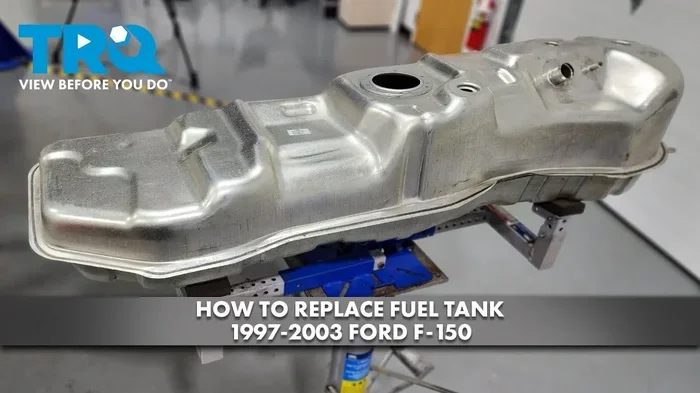
Ford F-150 fuel system issues have also triggered recalls on the 2012 model. Fuel leaks can occur due to faulty connections or defective fuel pump modules. These present a fire hazard and must be addressed immediately. Brake system concerns have also been reported. Some owners experienced reduced braking performance or fluid leaks in the brake lines. Both of these issues fall under critical 2012 Ford F-150 recalls. Any problem that affects fuel integrity or braking capability should be treated as a top priority. Quick action can prevent serious accidents and costly damage.
Electrical and Wiring Problems
F-150 electrical problem reports are common among 2012 model year trucks. Wiring harness issues can cause flickering lights, power window failures, and dashboard warning lights. In rare cases, electrical faults can affect engine starting or charging systems. Ford has issued several recall campaigns targeting specific wiring and connector defects. These problems may seem minor at first but can worsen over time. Checking for electrical-related recalls ensures your truck operates reliably in all conditions.
How to Check If Your Truck Is Affected
Finding out whether your 2012 Ford F-150 has an open recall is straightforward. You do not need to be a mechanic or a tech expert. A few simple steps will give you the answers you need. The most important thing is to act quickly once you discover a recall affects your vehicle.
Using Your VIN Number
Your VIN lookup is the single best tool for checking recall status. The vehicle identification number is a unique 17-character code found on your dashboard, driver-side door jamb, and registration documents. Enter this code into the Ford recall lookup tool on the official Ford website. You will see a complete list of any open or completed recalls tied to your specific truck. This method is the most accurate because it accounts for your truck’s exact production details. Every owner should bookmark this page and check it at least twice a year.
Checking the Ford Recall Database
Ford maintains a comprehensive online database of all recall notices for every model year. You can search by model, year, and trim level to see what campaigns apply to the 2012 F-150. This database is updated regularly as new recalls are announced. Even if you have already had a repair done, it is worth double-checking. Sometimes additional recall campaigns are issued after the initial fix. Staying current with the database keeps you informed about every potential issue.
NHTSA Investigation and Reports
The National Highway Traffic Safety Administration tracks every vehicle recall check across all manufacturers. Their website allows you to search by vehicle year, make, and model. NHTSA provides detailed reports on each recall campaign, including the nature of the defect, the number of vehicles affected, and the timeline for repairs. Reading these reports gives you a fuller picture of the issues affecting your truck. NHTSA also accepts complaints from owners, which helps identify new problems early. If you have experienced a recurring issue, consider filing a report with them.
Comparison Table: Key 2012 Ford F-150 Recalls
| Recall Area | Issue Description | Risk Level | Repair Type |
|---|---|---|---|
| Powertrain | Transmission control module defects | High | Software update or module replacement |
| Airbag | Inflator may rupture or fail to deploy | Critical | Replace inflator unit |
| Fuel System | Potential fuel leak from pump module | High | Replace fuel pump assembly |
| Brakes | Reduced braking performance or fluid leak | Critical | Inspect and replace brake components |
| Electrical | Wiring harness connector defects | Moderate | Repair or replace wiring harness |
What to Do If Your Vehicle Is Recalled
Receiving a recall notice can feel overwhelming, but the process is simpler than most owners think. Ford has a well-established system in place to handle recall remedy repairs quickly and efficiently. The most important step is to act without delay.
The Recall Repair Process
Once you confirm your truck has an open recall, contact your nearest Ford dealership. Schedule a service appointment and bring your recall notice or VIN information. The dealership will inspect your vehicle and perform the necessary repairs. All recall repairs are completed at no cost to the owner, even if your warranty has expired. This is a legal requirement under federal law. The process typically takes a few hours, though some repairs may require parts ordering and a follow-up visit. Keep your service records for your own reference.
Timeline and Cost Considerations
There is no deadline that forces you to complete a recall immediately, but sooner is always better. Some parts may take weeks to arrive, especially during high-demand periods. Ford dealerships prioritize recall repairs because they are a top priority for the manufacturer. The cost to you is always zero. You should never pay for a recall repair under any circumstances. If a dealership asks for payment, escalate the issue to Ford customer service or file a complaint with NHTSA. Understanding your rights as a consumer protects you and ensures you receive the service you are entitled to.
Quick Tips for Handling Recalls
- Always keep your contact information updated with Ford and your dealership.
- Check your recall status every six months, even if you have not received a notice.
- Do not ignore recall notices, even if your truck seems to run fine.
- Keep copies of all recall repair documentation for your records.
- Ask your service advisor about any additional open recalls during every visit.
Common Problems 2012 F-150 Owners Report
Beyond official recalls, many 2012 Ford F-150 owners have reported recurring issues that may not always rise to the level of a formal recall. These problems can affect daily driving and long-term reliability. Being aware of them helps you spot trouble early and seek the right fix.
Electrical and Wiring Issues
F-150 electrical problem reports are among the most frequent complaints from 2012 model owners. Flickering dashboard lights, intermittent power window operation, and faulty radio displays are common symptoms. Some owners have experienced complete electrical failures that prevent the truck from starting. While not every electrical issue triggers a formal recall, many fall under broader Ford recall campaigns that address wiring harness and connector defects. If you notice any electrical gremlins, have your truck inspected at a dealership. Early detection can prevent larger and more expensive problems down the road.
Suspension and Handling Concerns
The 2012 F-150 is a heavy-duty truck that handles a lot of weight. Some owners have reported suspension wear that leads to pulling to one side, excessive bouncing, or unusual noises over bumps. These issues can affect handling and safety, especially during emergency maneuvers. While suspension wear is normal over time, premature wear may indicate a manufacturing defect. Check with your dealer to see if any recall campaigns address suspension components for your specific build.
Transmission and Drivability Complaints
Transmission problems are a recurring theme in owner forums and complaint databases. Rough shifting, delayed engagement, and slipping gears are frequently reported. These Ford F-150 transmission issue reports led to several formal recall campaigns. Ford addressed many of these through software updates and hardware replacements. If your 2012 F-150 shifts harshly or hesits under acceleration, do not ignore it. A quick check at the dealership can confirm whether a recall applies to your situation.
Heating and Cooling System Failures
Some 2012 F-150 owners have experienced heater core leaks and thermostat failures. These issues can lead to engine overheating if not addressed promptly. While less common than other problems, heating and cooling failures can still create dangerous driving conditions, especially in extreme weather. Checking for relevant recalls and staying on top of routine maintenance helps prevent these issues from escalating.
Staying Safe and Informed as an Owner
Owning a 2012 Ford F-150 is a great experience, but staying safe requires ongoing attention. Vehicle ownership does not end at the purchase. Regular maintenance, recall checks, and prompt repairs all contribute to a safer and more reliable truck. Here are some practical steps every owner should follow.
Registering Your Vehicle
One of the simplest and most effective steps is to register your vehicle with Ford. This ensures that Ford owner notification letters reach you directly. You can register online through the Ford owner portal. If you bought your truck used and have not re-registered, do so now. An updated registration means you will never miss a critical recall notice. This small step can make a big difference in keeping you safe.
Keeping Up with Recall Notices
Make it a habit to check for recalls regularly. Set a reminder on your phone to check the Ford recall database and NHTSA website every six months. Recalls can be issued years after a vehicle is sold. The 2012 F-150 is now over a decade old, but new recall campaigns continue to be discovered and announced. Staying current is the best way to ensure your truck remains safe and compliant. Share this information with friends and family who also own a 2012 F-150. Safety is everyone’s responsibility.
Expert Insight on Recall Awareness
Automotive safety experts consistently emphasize that most owners are unaware of open recalls on their vehicles. Studies show that a significant percentage of recalled vehicles never get repaired. This gap between recall issuance and actual repair completion is a major safety concern. Experts recommend treating every recall notice as a priority, regardless of how minor the issue may seem. Even small defects can become serious under certain driving conditions. The bottom line is simple: check often, repair promptly, and drive with confidence.
Conclusion
2012 Ford F-150 recalls cover a range of important safety and performance issues that every owner should understand. From powertrain defects and airbag recalls to fuel system and electrical concerns, these campaigns exist to protect you and your family. Checking your truck’s recall status using your VIN is quick, free, and essential. If your vehicle is affected, schedule a repair at your local Ford dealership immediately. Remember that all recall repairs are performed at no cost to you. Staying informed and taking action are the best ways to keep your 2012 F-150 running safely for years to come. Do not wait for a problem to appear before you check. Take charge of your truck’s safety today and enjoy the confidence that comes with being a well-informed owner.
Frequently Asked Questions
What are the most common 2012 Ford F-150 recalls?
The most common 2012 Ford F-150 recalls involve the powertrain and transmission control module, airbag inflator units, fuel pump leaks, and brake system defects. Each recall addresses a specific safety defect identified through testing or owner reports. Checking your VIN through the Ford or NHTSA databases will show exactly which recalls apply to your truck.
How do I know if my 2012 Ford F-150 has an open recall?
You can check for open recalls by entering your VIN number into the Ford recall lookup tool on the official Ford website. You can also search the NHTSA database using your vehicle details. Both tools are free and provide up-to-date information on any active recall campaigns for your truck.
Are recall repairs free for 2012 Ford F-150 owners?
Yes, all recall repairs are performed at no cost to the vehicle owner, regardless of the vehicle’s age or warranty status. Federal law requires manufacturers to fix recalled vehicles for free. If a dealership asks you to pay, you should contact Ford customer service or file a complaint with NHTSA.
Can I still drive my 2012 Ford F-150 if it has an open recall?
In most cases, you can still drive your truck, but it is strongly recommended to schedule the repair as soon as possible. Some recalls address critical safety defects that could lead to serious accidents if left unrepaired. Check the specific recall notice for any driving restrictions or urgent warnings from Ford or NHTSA.
What should I do if I bought a used 2012 F-150 and don’t know its recall history?
Start by running a VIN lookup on both the Ford and NHTSA websites. This will show all open and completed recalls tied to that specific vehicle. You can also contact a Ford dealership with the VIN and ask them to pull the full recall history. Completing any outstanding recall remedy repairs should be your first priority.
How often should I check for new recalls on my 2012 Ford F-150?
Experts recommend checking for recalls at least twice a year. New recall campaigns can be issued years after a vehicle is sold. Setting a recurring reminder to check the Ford recall database and NHTSA website is an easy way to stay current. Keeping your contact information updated with Ford ensures you receive direct recall notices by mail.