1st Party Car Insurance How to Get the Best Coverage
1st party car insurance is a policy that pays for damage to your own vehicle after an accident, theft, or disaster. It gives you quick financial help without waiting for the other driver to pay up. In this guide, you will learn how to pick the best 1st party car insurance policy and get the most from your claim.
Driving comes with risks. Every day, thousands of cars get damaged in accidents, storms, theft, and unexpected events. If you own a vehicle, you need protection that works for you. That is where 1st party car insurance comes in. This type of policy pays for damage to your own car. It does not wait for someone else to take responsibility. Whether your car gets hit in a parking lot or a tree falls on it during a storm, 1st party car insurance has your back.
Many drivers confuse 1st party coverage with other types of insurance. Some think basic plans are enough. Others pay for more than they need. The truth is, finding the right balance is key. You want solid vehicle damage protection without wasting money on extras you will never use. This guide walks you through everything you need to know. You will learn what 1st party car insurance covers, how to choose the best policy, and how to avoid costly mistakes. Let us get started.
Key Takeaways
- 1st party car insurance covers your own vehicle damage from accidents, theft, and natural disasters.
- It works differently from third party insurance, which only covers damage you cause to others.
- Choose the right coverage limits and deductible to balance cost and protection.
- Add-on covers like zero depreciation can boost your policy benefits significantly.
- Filing a claim correctly speeds up the claim settlement process and avoids rejections.
- Review your policy every year to make sure your coverage still fits your needs.
📑 Table of Contents
- What Is 1st Party Car Insurance?
- Why 1st Party Car Insurance Matters for Every Driver
- Key Features of the Best 1st Party Car Insurance Policies
- How to Choose the Right 1st Party Car Insurance Policy
- Common Mistakes to Avoid with Your 1st Party Policy
- Tips to Maximize Your 1st Party Insurance Benefits
- Is 1st Party Car Insurance Worth It?
What Is 1st Party Car Insurance?
How Does 1st Party Coverage Work?
1st party car insurance is a policy that protects the policyholder. The word “party” refers to the people involved in an insurance contract. The first party is you, the person who owns the car and buys the policy. The second party is the insurance provider. The third party is anyone else involved in an incident. So 1st party coverage focuses on your losses. It pays for repairs, replacement, or recovery of your own insured vehicle.
When you file an insurance claim under 1st party car insurance, the insurer evaluates the damage. They assess the cost of repairs or the current market value of your car. Then they pay you directly. You do not need to prove another driver was at fault. This makes the claim process faster and less stressful. You get help when you need it most.
What Does 1st Party Car Insurance Cover?
1st party car insurance typically covers several types of losses. Here are the most common ones:
- Accident damage – Repairs after a collision, even if you were at fault.
- Theft – Payment if your car is stolen and not recovered.
- Natural disasters – Damage from floods, hurricanes, earthquakes, or fires.
- Vandalism – Damage caused by someone intentionally harming your car.
- Fire damage – Repairs or replacement if your car catches fire.
- Falling objects – Damage from a tree branch, debris, or other falling items.
Most 1st party car insurance policies also include own damage cover. This is a core part of the policy. It ensures your car gets fixed or replaced based on the terms you agreed to. Always read your policy document carefully. Know exactly what is included and what is not.
Why 1st Party Car Insurance Matters for Every Driver
The Difference Between 1st Party and 3rd Party Insurance
Understanding the difference is important. Third party insurance only covers damage you cause to someone else. It pays for their car repairs, medical bills, or property damage. It does not pay for your own vehicle. 1st party car insurance does the opposite. It focuses on your own losses.
Here is a simple comparison to make it clear:
| Feature | 1st Party Insurance | 3rd Party Insurance |
|---|---|---|
| Covers your own vehicle | Yes | No |
| Covers damage to others | Yes | |
| Covers theft and fire | Yes | No |
| Claim settlement speed | Faster (no fault needed) | Slower (requires proof) |
| Premium cost | Higher | Lower |
| Best for | Full protection | Basic legal compliance |
Many countries require third party insurance by law. But 1st party car insurance goes far beyond legal requirements. It gives you real financial safety. If your car is totaled, 1st party coverage can pay for a replacement or give you a cash settlement. That is a huge relief during a difficult time.
When 1st Party Coverage Kicks In
1st party car insurance activates when your vehicle suffers damage or loss. You do not need to file a police report first in every case, though it helps. Common situations include:
- You park on the street and someone scratches your car.
- A hailstorm dents your hood and breaks a window.
- Your car catches fire in the garage overnight.
- A deer runs into your front bumper on a country road.
- Your car gets stolen from your driveway.
In all these cases, 1st party coverage steps up. You file a claim with your own insurance provider. They handle the rest. You do not need to chase down the other person or prove they were wrong. This is one of the biggest advantages of 1st party car insurance.
Key Features of the Best 1st Party Car Insurance Policies
Claim Settlement Ratio and Speed
Not all insurance providers are the same. One of the most important things to check is the claim settlement ratio. This number shows what percentage of claims the company pays out. A higher ratio means better service. Look for providers with a ratio above 85 percent.
Speed matters too. After a car accident, you need your vehicle back fast. The best 1st party car insurance companies offer quick claim settlement. Some process claims within 48 to 72 hours. Others take weeks. Always check reviews and ratings before you commit to a policy.
Cashless claim options are another great feature. With a cashless option, you take your car to a network garage. The insurance provider pays the bill directly. You do not have to pay out of pocket first and wait for reimbursement. This makes the whole claim process much smoother.
Add-On Covers Worth Considering
Most 1st party car insurance policies let you add extra coverage. These are called add-ons or riders. They boost your policy benefits without buying a whole new plan. Here are some popular add-ons:
- Zero Depreciation Cover – Pays full repair costs without deducting for wear and tear.
- Engine Protection – Covers water damage and engine failures, which standard policies often exclude.
- Roadside Assistance – Provides towing, jump starts, flat tire changes, and fuel delivery.
- Consumables Cover – Pays for nuts, bolts, grease, and other small parts that regular policies skip.
- Personal Accident Cover – Adds medical coverage for you and your passengers.
These add-ons make your coverage options much stronger. They fill gaps that basic 1st party car insurance might leave. Think about your driving habits and local risks. If you live in a flood-prone area, engine protection is a smart choice. If you drive long distances often, roadside assistance is very valuable.
How to Choose the Right 1st Party Car Insurance Policy
Evaluating Coverage Limits and Deductibles
Choosing the right 1st party car insurance starts with understanding two key terms: coverage limits and deductibles.
Coverage limits are the maximum amounts your policy will pay. If your car is worth $20,000 and your limit is $15,000, you will not get the full value back. Make sure your coverage limits match your car’s current market value or replacement cost.
A deductible is the amount you pay out of pocket before your insurer kicks in. For example, if your deductible is $500 and repairs cost $3,000, you pay $500 and the insurer pays $2,500. Higher deductibles mean lower insurance premiums. But they also mean more risk for you.
Here are some tips for getting this balance right:
- Set your deductible at an amount you can comfortably afford in an emergency.
- Do not choose the lowest deductible just to save a few dollars on premiums.
- Review your car’s value each year. Adjust your coverage limits as needed.
- Ask your insurance provider about disappearing deductibles, which reduce over time.
Comparing Insurance Providers
Not every insurance provider offers the same value. Some have great claim settlement records but high premiums. Others are affordable but slow to pay out. Here is what to look for when you compare:
- Claim settlement ratio – Aim for 85 percent or higher.
- Customer reviews – Check real user experiences online.
- Network garages – More network garages mean easier cashless claims.
- Add-on options – Choose a provider that offers flexible add-ons.
- Discounts and no-claim bonuses – These can lower your insurance premiums significantly over time.
- Policyholder rights – Make sure the company clearly explains your rights and responsibilities.
Get quotes from at least three different companies. Compare the coverage options side by side. Do not just look at price. A cheap policy with poor claim settlement is not a good deal.
Common Mistakes to Avoid with Your 1st Party Policy
Overlooking Policy Details
This is the most common mistake drivers make. They sign up for 1st party car insurance without reading the fine print. Then when they file a claim, they find out something is not covered. For example, many standard policies do not cover damage from normal wear and tear. They also often exclude damage from racing or off-road driving.
Before you buy, sit down and go through every section of the policy. Ask questions about anything you do not understand. Know your policyholder rights. Understand exactly what triggers coverage and what does not. A few extra minutes of reading can save you thousands of dollars later.
Skipping Regular Policy Reviews
Your car changes over time. So does your situation. Maybe you added a new sound system. Perhaps you moved to an area with more theft risk. If you do not review your 1st party car insurance policy at least once a year, you might be overpaying or underinsured.
Set a reminder on your phone. Pick a date each year to review your policy. Check your coverage limits, deductibles, and add-ons. Compare your current plan with new options on the market. A quick review can help you find better coverage options at a lower price.
Failing to Document Everything
When an accident or damage occurs, your documentation matters a lot. Take clear photos of all damage from multiple angles. Write down the date, time, and location. Get contact information from any witnesses. File your insurance claim as soon as possible. Delayed claims can lead to rejections or lower payouts.
Keep copies of everything. Save your police report if you filed one. Keep all repair estimates and invoices. This paper trail makes the claim process much easier and faster. It also protects your policyholder rights if there is a dispute.
Tips to Maximize Your 1st Party Insurance Benefits
Filing Claims the Right Way
How you file your claim matters. A smooth claim leads to faster claim settlement and better results. Follow these steps for the best outcome:
- Notify your insurance provider immediately after the incident.
- File a police report if there was a collision or theft.
- Take detailed photos and videos of all damage.
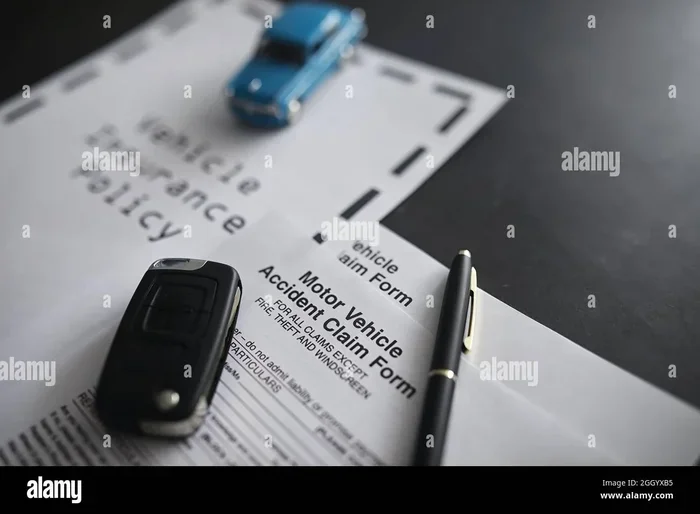
- Fill out the claim form completely and accurately.
- Submit all required documents, including your policy number and ID.
- Follow up regularly if you do not hear back within the expected timeframe.
Being organized and proactive makes a big difference. Insurers respect policyholders who are clear and thorough. It speeds up the process and reduces the chance of disputes.
Keeping Your Premiums Low Without Sacrificing Coverage
Everyone wants to pay less for 1st party car insurance. But you should never cut coverage just to save money. Here are smart ways to lower your insurance premiums while keeping strong protection:
- Bundle your policies – Combine your car insurance with home or life insurance for multi-policy discounts.
- Maintain a clean driving record – No accidents or violations means lower rates.
- Increase your deductible – A higher deductible reduces your monthly premium.
- Install safety features – Anti-theft devices, dashcams, and alarms can earn you discounts.
- Pay annually – Many insurers offer a discount for paying the full premium upfront.
- Ask about no-claim bonuses – These rewards grow each year you do not file a claim.
These strategies help you get the best value from your 1st party car insurance. You keep the coverage you need while saving money at the same time.
Is 1st Party Car Insurance Worth It?
The short answer is yes. 1st party car insurance gives you direct financial protection for your own vehicle. It covers damage from accidents, theft, fire, natural disasters, and more. Without it, you would pay for all repairs or replacements out of your own pocket. For most drivers, that kind of expense is hard to handle.
Comprehensive car insurance and collision coverage are related concepts. They often overlap with 1st party coverage. But not all policies are the same. Read the details. Understand your coverage limits. Choose add-ons that match your risk profile. The right 1st party car insurance policy gives you confidence every time you get behind the wheel.
Take the time to compare providers. Look at claim settlement records. Check customer feedback. Find a policy that fits your budget and your needs. Good insurance is not about spending the most. It is about getting the right coverage options at a fair price.
1st party car insurance is one of the smartest investments you can make as a car owner. It protects your vehicle, your finances, and your peace of mind. Use the tips in this guide to choose the best policy. File claims the right way. Review your coverage regularly. You will be glad you did.
Frequently Asked Questions
What is the main difference between 1st party and 3rd party car insurance?
1st party car insurance pays for damage to your own vehicle, while third party insurance only covers damage you cause to others. 1st party coverage includes theft, fire, and accident damage to your car. Third party insurance does not cover your own losses at all.
Does 1st party car insurance cover natural disasters?
Yes, most 1st party car insurance policies include damage from natural disasters like floods, hurricanes, earthquakes, and storms. However, always check your specific policy details. Some providers may exclude certain events or require additional add-on covers for full protection.
How long does the 1st party claim settlement process take?
The claim process varies by provider. Many insurance companies settle 1st party claims within 5 to 15 business days. Cashless claims at network garages are usually faster. The speed depends on the complexity of the damage and how quickly you submit your documents.
Can I increase my coverage limits after buying the policy?
Yes, most insurance providers allow you to increase your coverage limits during renewal or through a policy endorsement. You may need to pay an additional insurance premium. Contact your provider early to make sure the changes are processed before you need them.
What is a deductible in 1st party car insurance?
A deductible is the amount you pay out of pocket before your insurer covers the rest. For example, if repairs cost $2,000 and your deductible is $400, you pay $400 and the insurer pays $1,600. Higher deductibles lower your premium, but they also increase your out-of-pocket risk during a claim.
Are add-on covers worth the extra cost for 1st party policies?
Add-on covers can be very valuable. Options like zero depreciation cover and engine protection fill gaps in standard policies. They boost your policy benefits without requiring a new plan. Evaluate your driving environment and risks to decide which add-ons make sense for your 1st party car insurance policy.
=== CONCLUSION ===
1st party car insurance is one of the most important protections a car owner can have. It covers your own vehicle from accidents, theft, fire, and natural disasters. It gives you fast financial help without needing to prove fault. By choosing the right coverage limits, deductibles, and add-ons, you build a policy that truly works for you.
Avoid common mistakes like skipping policy reviews or failing to document damage. Compare insurance providers carefully. Look at claim settlement ratios and real customer feedback. Take advantage of discounts, no-claim bonuses, and bundling options to keep your insurance premiums affordable.
Now that you understand how 1st party car insurance works, you are ready to make a smart choice. Use the tips in this guide to find the best coverage at the right price. Protect your vehicle, protect your finances, and drive with confidence every single day.