How Do You Check Tire Pressure on a Toyota Dashboard
Checking tire pressure on a Toyota dashboard is simple and essential for safety, fuel efficiency, and tire longevity. Every Toyota model features a built-in Tire Pressure Monitoring System (TPMS) that displays real-time pressure readings directly on your dashboard. This guide walks you through reading the TPMS display, resetting the system, understanding warning lights, and using a manual gauge for accurate checks. Whether you drive a Toyota Camry, RAV4, or Corolla, you will find clear, actionable steps to keep your tires properly inflated.
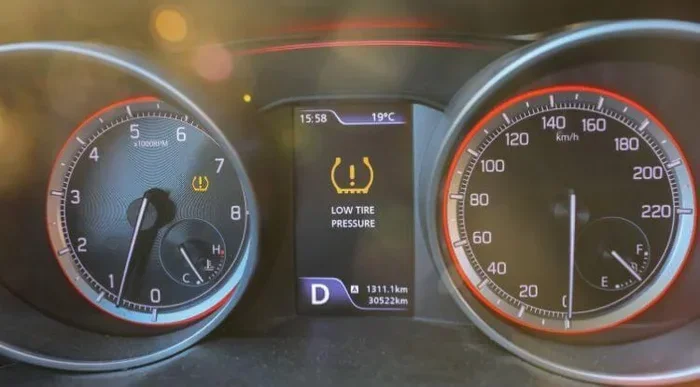
Have you ever glanced at your Toyota dashboard and spotted a little tire icon with an exclamation mark? That small symbol can mean a lot. It is your Toyota Tire Pressure Monitoring System, or TPMS, trying to tell you something important about your tires. Understanding how to read and respond to this system is one of the simplest things you can do as a Toyota owner.
Keeping your tires properly inflated is not just about avoiding a flat tire. It affects how your car handles, how much fuel you use, and how long your tires last. Toyota makes it easy to monitor tire pressure right from the dashboard. Whether you are driving a sleek Toyota Camry, a rugged Toyota RAV4, or a compact Toyota Corolla, the process is similar across most models. This guide will show you exactly how to check tire pressure on a Toyota dashboard, what each warning means, and how to keep your tires in great shape all year long.
Key Takeaways
- TPMS Display: The Toyota dashboard shows real-time tire pressure readings in the vehicle information screen.
- Warning Lights: A yellow tire-shaped icon with an exclamation mark signals low tire pressure immediately.
- Manual Checks: Using a digital tire pressure gauge alongside the TPMS ensures the most accurate readings.
- Reset Process: Resetting the TPMS after inflation is a quick process found in the steering wheel menu or dashboard settings.
- Recommended Pressure: Check the driver-side door jamb sticker for your Toyota model’s exact PSI requirements.
- Safety and Savings: Proper tire pressure improves fuel economy, extends tire life, and reduces accident risk.
📑 Table of Contents
- Why Tire Pressure Matters for Your Toyota
- Understanding the Toyota Tire Pressure Monitoring System
- How to Check Tire Pressure on a Toyota Dashboard
- How to Reset the TPMS Light on a Toyota
- Using a Manual Tire Pressure Gauge for Accurate Checks
- Common Tire Pressure Mistakes Toyota Owners Make
- How Often Should You Check Tire Pressure?
- When to Seek Professional Help for Tire Pressure Issues
- Key Takeaways
- Conclusion
Why Tire Pressure Matters for Your Toyota
Before we dive into the dashboard steps, let us talk about why tire pressure is so important. Many drivers ignore their tires until something goes wrong. That is a mistake. Tire pressure affects nearly every part of your driving experience.
When your tires are underinflated, they create more rolling resistance. This means your engine works harder, and your fuel economy drops. According to the U.S. Department of Energy, underinflated tires can reduce fuel efficiency by up to 3%. That might not sound like much, but it adds up over time.
Overinflated tires are just as problematic. They wear out the center of the tread faster, giving you a rougher ride and less traction on wet roads. Both underinflation and overinflation increase the risk of a blowout, especially at highway speeds.
Your Toyota dashboard TPMS helps you avoid all of these problems. It keeps you informed in real time so you can take action before a small issue becomes a big one.
Recommended Tire Pressure for Toyota Models
Every Toyota model has a specific recommended tire pressure. You can find this information in a few easy places:
- Driver-side door jamb: Open your driver door and look for a sticker on the frame. It lists the exact PSI for front and rear tires.
- Toyota owner’s manual: The manual provided with your vehicle has a dedicated tire pressure section.
- Toyota website: You can also look up your specific model year online for official recommendations.
Most Toyota passenger vehicles recommend tire pressure between 32 and 35 PSI. However, trucks and SUVs like the Toyota Tacoma or Toyota 4Runner may require higher pressures, sometimes around 35 to 45 PSI. Always refer to your specific model for the correct numbers.
Understanding the Toyota Tire Pressure Monitoring System
The Toyota TPMS is a smart system built into your vehicle. It uses sensors in each tire to measure air pressure and send data to your dashboard. There are two types of TPMS systems you might encounter.
Direct TPMS
Most modern Toyotas use direct TPMS. This means each wheel has a small sensor attached to the valve stem. The sensor measures the exact air pressure inside the tire and sends a wireless signal to the car’s computer. When pressure drops below the recommended level, the system triggers a warning.
Indirect TPMS
Some older or base-model Toyotas use indirect TPMS. This system does not have physical sensors inside the tires. Instead, it uses the wheel speed sensors from your anti-lock braking system. If one tire is underinflated, it has a slightly smaller circumference and spins at a different rate than the others. The computer detects this difference and illuminates the TPMS light.
Both systems serve the same purpose. They alert you when tire pressure is unsafe. The dashboard display gives you the information you need to respond quickly.
How to Check Tire Pressure on a Toyota Dashboard
Now let us get into the main steps. Checking tire pressure on a Toyota dashboard is straightforward once you know where to look. The process varies slightly depending on your model year, but the general steps are the same.
Step 1: Locate the TPMS Display
Start by turning on your Toyota without starting the engine, or simply start the car and let it idle. Look at the instrument cluster behind the steering wheel. On most Toyota models, you will see a small tire icon with an exclamation mark inside. This is your TPMS warning light.
If the light is solid, it usually means one or more tires are significantly underinflated. If the light flashes when you start the car and then stays solid, the system is performing a self-check. If it stays on continuously, pay attention — your tires need air.
Step 2: Access the Detailed Tire Pressure Reading
The warning light tells you something is wrong, but it does not tell you which tire or how low the pressure is. To get detailed readings, follow these steps:
- Press the Up or Down buttons on the steering wheel to scroll through the dashboard display menu.
- Look for the Vehicle Information or Tire Pressure option on the multi-function display.
- Select the tire pressure screen to see individual readings for each tire.
- Compare the readings to the recommended PSI listed on your door jamb sticker.
On newer Toyota models with a touchscreen display, you may find the tire pressure information under the Vehicle Settings menu. Simply navigate to the tire or maintenance section to view all four tire readings at once.
Step 3: Identify Low Pressure Tires
The dashboard display will show you the pressure for each tire individually. If one reading is significantly lower than the others, that is your problem tire. Write down the readings so you can compare them later after adding air.
Keep in mind that temperature changes can affect tire pressure readings. Cold weather can cause a temporary drop in pressure, sometimes triggering the TPMS light even when tires are properly inflated. If this happens, check the pressure with a manual gauge before assuming something is wrong.
How to Reset the TPMS Light on a Toyota
After you inflate your tires to the correct pressure, the TPMS warning light may stay on. This is normal. You need to reset the system so it recognizes the corrected pressure levels.
Reset Method 1: Using the Steering Wheel Controls
Most Toyota models allow you to reset the TPMS directly from the steering wheel:
- Press and hold the TPMS reset button located beneath the steering column.
- Turn the ignition to the ON position (do not start the engine).
- Hold the button until the TPMS light blinks three times.
- Start the engine and let the car idle for about 20 minutes.
- The light should turn off, indicating the system has been reset.
Reset Method 2: Through the Dashboard Menu
Some Toyota models offer a menu-based reset option:
- Go to Vehicle Settings on the dashboard display.
- Select Maintenance or TPMS.
- Choose Reset TPMS and confirm your selection.
- Drive the vehicle for a few miles at speeds above 30 mph to allow the sensors to recalibrate.
If the light does not go off after resetting, there may be a deeper issue. A faulty tire pressure sensor, a slow leak, or a damaged valve stem could be the cause. In that case, a visit to a Toyota service center is a good next step.
Using a Manual Tire Pressure Gauge for Accurate Checks
The Toyota dashboard TPMS is convenient, but it is not always perfectly precise. Sensors can drift over time, and the system may not detect slow leaks until pressure drops significantly. This is why every Toyota owner should own a reliable tire pressure gauge.
Best Types of Tire Pressure Gauges
- Digital tire pressure gauge: Easy to read and highly accurate. Most digital gauges cost between $10 and $25.
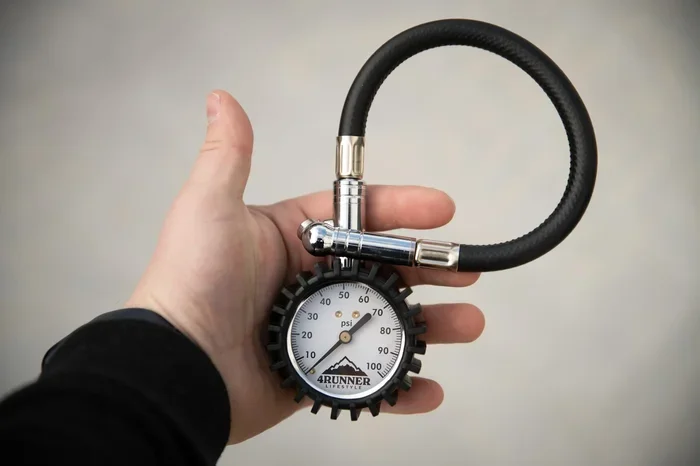
- Dial gauge: No batteries needed and very durable. A solid choice for long-term use.
- Pencil-style gauge: Compact and inexpensive. Good for keeping in your glove box as a backup.
How to Use a Manual Gauge
- Remove the valve cap from the tire’s valve stem.
- Press the gauge firmly onto the valve stem.
- Read the pressure displayed on the gauge.
- Compare the reading to your Toyota’s recommended PSI.
- Add or release air as needed.
- Replace the valve cap when finished.
For the most accurate readings, check your tire pressure when the tires are cold. This means checking them before you drive or at least three hours after driving. Heat from driving increases tire pressure and can give you a falsely high reading.
Common Tire Pressure Mistakes Toyota Owners Make
Even experienced drivers make mistakes when it comes to tire pressure. Here are some common errors to avoid:
Mistake 1: Ignoring the TPMS Light
Some drivers see the tire pressure warning light and assume it will go away on its own. It will not. Ignoring the light can lead to uneven tire wear, reduced fuel economy, and potentially dangerous driving conditions. Always address the TPMS light promptly.
Mistake 2: Checking Pressure After Driving
As mentioned above, checking tires when they are hot gives inaccurate readings. The pressure increases as tires warm up from driving. Always check when the tires are cold for the most reliable measurement.
Mistake 3: Forgetting the Spare Tire
The TPMS only monitors your four main tires. Your spare tire does not have a sensor. If you ever need to use your spare, make sure it is properly inflated before you need it. A spare with low pressure is useless when you are stranded.
Mistake 4: Overinflating to the Max PSI
The number printed on the tire sidewall is the maximum pressure the tire can handle, not the recommended pressure for your Toyota. Always use the PSI listed on your door jamb sticker, not the tire sidewall number.
How Often Should You Check Tire Pressure?
Toyota recommends checking tire pressure at least once a month. Temperature changes also affect pressure, so it is a good idea to check more frequently during seasonal transitions. A drop of 10 degrees Fahrenheit can reduce tire pressure by about 1 PSI.
Make it a habit to visually inspect your tires during your weekly car wash or fuel stop. Catching a slow leak early saves you from a flat tire and keeps your Toyota running at its best.
Quick Tips for Maintaining Proper Tire Pressure
- Keep a digital tire pressure gauge in your glove box.
- Set a monthly reminder on your phone to check all four tires.
- Check the spare tire pressure every three months.
- Always reset the TPMS system after adding air.
- Visit a Toyota service center if the TPMS light stays on after resetting.
When to Seek Professional Help for Tire Pressure Issues
Most of the time, checking and adjusting tire pressure is a DIY task. However, there are situations where professional help is the right call. If the TPMS light comes on and your tires appear properly inflated, a sensor may be malfunctioning. If you notice a tire losing pressure repeatedly, there could be a slow leak or a damaged valve stem.
Toyota dealerships have specialized diagnostic tools that can read individual sensor data and identify problems quickly. A trained Toyota technician can also perform a thorough tire inspection and recommend replacements if needed. Regular tire service at a Toyota service center is one of the best ways to keep your vehicle safe and running smoothly.
Key Takeaways
- TPMS Display: The Toyota dashboard shows real-time tire pressure readings in the vehicle information screen.
- Warning Lights: A yellow tire-shaped icon with an exclamation mark signals low tire pressure immediately.
- Manual Checks: Using a digital tire pressure gauge alongside the TPMS ensures the most accurate readings.
- Reset Process: Resetting the TPMS after inflation is a quick process found in the steering wheel menu or dashboard settings.
- Recommended Pressure: Check the driver-side door jamb sticker for your Toyota model’s exact PSI requirements.
- Safety and Savings: Proper tire pressure improves fuel economy, extends tire life, and reduces accident risk.
Conclusion
Checking tire pressure on a Toyota dashboard is one of the easiest and most impactful things you can do for your vehicle. The Toyota TPMS gives you real-time data right at your fingertips, and with a manual gauge for backup, you can be confident your tires are always properly inflated. From understanding the warning lights to resetting the system after adding air, the steps are simple and quick.
Make tire pressure checks a regular part of your vehicle maintenance routine. Your Toyota will reward you with better fuel economy, smoother handling, and longer-lasting tires. Stay proactive, stay safe, and keep those tires rolling right.
Frequently Asked Questions
Where is the TPMS reset button on a Toyota?
On most Toyota models, the TPMS reset button is located beneath the steering column on the left side of the dashboard. Press and hold it while the ignition is in the ON position until the TPMS light blinks three times.
Can cold weather trigger the Toyota tire pressure warning light?
Yes, cold weather can cause tire pressure to drop temporarily, triggering the TPMS light. If the light comes on during a cold snap, check your tire pressure with a manual gauge and add air if needed. The light should go away after resetting the system.
How accurate is the Toyota dashboard tire pressure reading?
The dashboard TPMS reading is generally accurate but can drift slightly over time. For the most precise measurement, use a manual digital tire pressure gauge. The dashboard reading is best used as a quick reference and early warning system.
What PSI should my Toyota tires be at?
Most Toyota passenger vehicles recommend tire pressure between 32 and 35 PSI. However, the exact PSI for your specific model can be found on the driver-side door jamb sticker or in the Toyota owner’s manual.
Why does my Toyota TPMS light stay on after I fill my tires?
The TPMS light may stay on after filling tires because the system needs to be reset manually. Use the steering wheel reset button or the dashboard menu to reset the system. Drive the vehicle for a few miles at speeds above 30 mph to allow the sensors to recalibrate.
How much does it cost to replace a Toyota tire pressure sensor?
Replacing a Toyota TPMS sensor typically costs between $50 and $100 per sensor, depending on the model and whether you visit a dealership or an independent mechanic. Some sensors are integrated into the valve stem, which can slightly increase the cost.