How Comfortable Is the Highlander on Long Road Trips
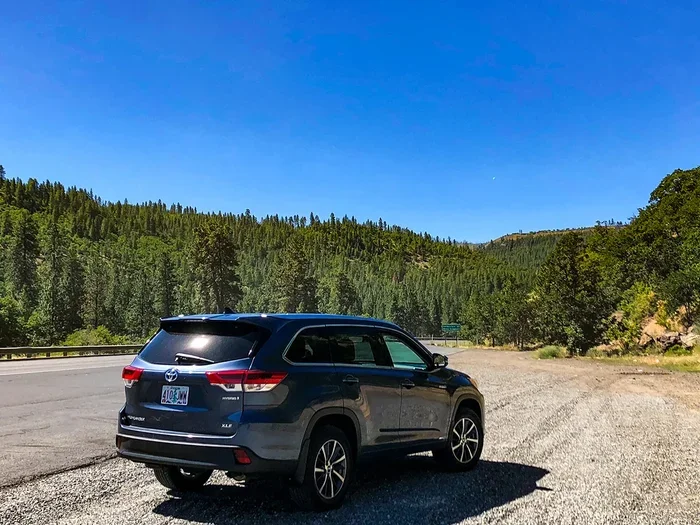
The Toyota Highlander is one of the most comfortable SUVs for long road trips. With roomy seating, a smooth ride, and a quiet cabin, it handles highway miles with ease. Families love its blend of comfort, space, and reliability on extended drives.
The Toyota Highlander has long been a favorite among families looking for a dependable SUV. But when it comes to long road trips, comfort really matters. You might wonder, how comfortable is the Highlander on long trips? The short answer is very comfortable. In this guide, we break down every aspect of the Highlander’s comfort on extended drives. From seat quality to cabin noise, we cover it all. By the end, you will know if this SUV is the right choice for your next big adventure.
Long road trips can be tough on the body. Hours of driving, cramped seats, and noisy cabins can ruin the experience. That is why choosing the right vehicle matters so much. The Toyota Highlander sits in the midsize SUV segment, competing with models like the Ford Explorer and Honda Pilot. But it stands out for its comfort features and smooth ride. Whether you are planning a cross-country journey or a weekend getaway, the Highlander has a lot to offer. Let us dive into the details.
Key Takeaways
- Spacious Seating: The Highlander offers generous legroom and headroom for all three rows, making long trips pleasant for everyone.
- Smooth Ride Quality: Its suspension system absorbs bumps and highway vibrations, reducing driver and passenger fatigue.
- Quiet Cabin: Excellent noise insulation keeps road and wind noise low, even at highway speeds.
- Hybrid Powertrain Option: The hybrid version delivers strong fuel economy, saving money on long-distance travel.
- Comfort Features: Available leather seats, climate control, and infotainment keep everyone entertained and relaxed.
- Strong Reliability: Toyota’s reputation for durability means fewer worries on the road.
📑 Table of Contents
- Seat Comfort and Support on Long Drives
- Ride Quality and Suspension
- Cabin Quiet and Noise Levels
- Cargo Space and Practicality
- Hybrid vs Gas: Comfort on Long Trips
- Infotainment and Comfort Tech
- Common Mistakes to Avoid
- How the Highlander Compares to Competitors
- Real-World Long Trip Experiences
- Conclusion
Seat Comfort and Support on Long Drives
Front Seat Experience
The front seats in the Toyota Highlander are designed with long drives in mind. They offer plenty of cushioning and support for the lower back. The driver seat adjusts in multiple directions, so you can find the perfect position. Power seats are available on higher trims, adding even more convenience. On a six-hour drive, these seats hold up well without causing too much soreness.
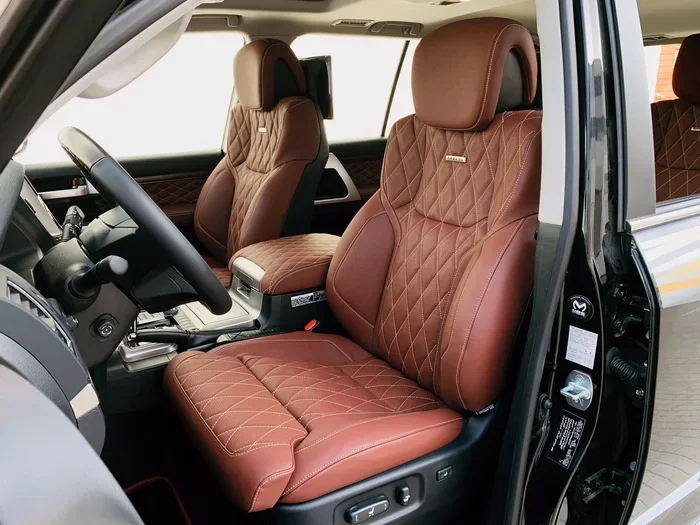
Many drivers appreciate the bolstered side support. This keeps you stable during winding roads. The seat fabric is soft and breathable, which helps in hot weather. If you opt for leather seats, the comfort level goes up a notch. Leather also makes cleaning up after road trip snacks much easier.
Second and Third Row Comfort
The second row is where families spend most of their time. The Highlander offers generous legroom in this row. Even tall passengers will have plenty of space. The seats recline slightly, which helps passengers relax. Armrests and cup holders are conveniently placed for easy access to drinks and devices.
The third row often gets overlooked, but the Highlander does a good job here too. Adults can sit in the third row for shorter stretches without feeling too cramped. For younger children, it is perfectly fine for the entire trip. Headroom is adequate, and the seat cushions are reasonably thick. Overall, the third-row comfort on the Highlander is above average for this class of SUV.
Ride Quality and Suspension
How the Highlander Handles Highways
Highway driving is a big part of any long trip. The Toyota Highlander handles highway cruising very well. Its suspension system absorbs road imperfections smoothly. You will feel fewer bumps and jolts compared to some competitors. This makes a huge difference over long distances.
The steering is also well-calibrated. It feels natural and responsive without being too heavy. This reduces driver fatigue on straight stretches of road. The Highlander stays stable at high speeds, even in crosswinds. You can cruise for hours without feeling strained behind the wheel.
Off-Road and Rough Road Performance
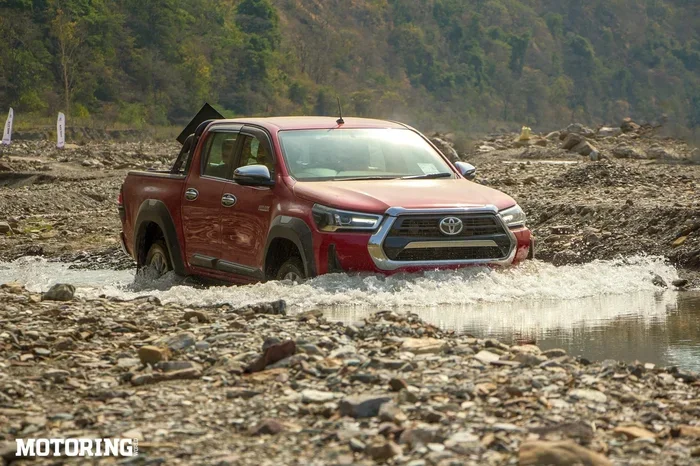
Not every road trip follows the highway. Some routes include gravel roads or rough terrain. The Highlander handles these surfaces with confidence. Its suspension soaks up bumps effectively, keeping the ride smooth. However, it is not a off-road beast. If you plan serious off-roading, you might want a different vehicle. But for mixed terrain road trips, the Highlander performs admirably.
Quick Tips for a Smoother Ride
- Keep tires properly inflated for the best comfort and fuel economy.
- Use cruise control on long highway stretches to reduce driver fatigue.
- Take a break every two hours to stretch and refresh.
- Adjust the seat position before starting your trip for optimal support.
Cabin Quiet and Noise Levels
Wind and Road Noise
A quiet cabin makes long trips much more enjoyable. The Toyota Highlander does a great job blocking out noise. Wind noise is minimal, even at highway speeds. Road noise is well-insulated, thanks to thick window glass and sound-dampening materials. You can have a conversation without raising your voice.
Compared to some rivals, the Highlander feels notably quieter inside. The Ford Explorer, for example, can get a bit louder on rough roads. The Honda Pilot is also quiet, but the Highlander holds its own. This makes the Highlander a strong choice for those who value a peaceful cabin environment.
Engine Noise
The standard engine is a 2.4-liter four-cylinder. It runs smoothly and quietly under normal driving conditions. The hybrid version uses two motors, which are virtually silent at low speeds. When you push the throttle hard, you can hear the engine a bit more. But during normal cruising, the noise level stays very low. This is a big plus for long-distance comfort.
Cargo Space and Practicality
Trunk Space with All Seats Up
When all three rows are in use, cargo space is limited but usable. You can fit several soft bags or a couple of coolers in the back. For a family of six, this is usually enough for weekend trips. The cargo space behind the third row is about 16 cubic feet. That is decent for the class.
Maximum Cargo with Seats Folded
Folding down the third row opens up a lot more room. With the third row folded, you get about 48 cubic feet of space. Fold the second row too, and you have around 84 cubic feet. This is plenty for large luggage, camping gear, or sports equipment. The flat load floor makes packing and unpacking much easier.
| Configuration | Cargo Space |
|---|---|
| All seats up | 16 cu ft |
| Third row folded | 48 cu ft |
| Second and third rows folded | 84 cu ft |
Hybrid vs Gas: Comfort on Long Trips
Fuel Economy Benefits
The Toyota Highlander Hybrid is a game-changer for long road trips. It delivers excellent fuel economy, often over 35 miles per gallon on the highway. This means fewer stops at gas stations and more time enjoying the journey. The gas-only version gets around 24 mpg on the highway, which is good but not as impressive.
For a family driving 500 miles a day, the hybrid can save a significant amount on fuel costs. Over a week-long trip, those savings add up quickly. The hybrid system also provides a quiet electric-only mode at low speeds. This adds to the overall comfort inside the cabin.
Power and Performance
The hybrid version combines a 2.5-liter four-cylinder engine with two electric motors. Together, they produce 243 horsepower. That is plenty of power for highway merging and passing. The gas-only version makes 265 horsepower with its 3.5-liter V6 engine. The V6 feels more powerful, but the hybrid feels just as capable for most driving situations. Both powertrains offer a comfortable and confident driving experience.
Expert Insight
According to automotive experts at J.D. Power, the Toyota Highlander consistently scores high in owner satisfaction. Its combination of comfort, reliability, and fuel efficiency makes it a top pick for families. The hybrid version especially shines for those who do a lot of highway driving.
Infotainment and Comfort Tech
Screen and Connectivity
The Toyota Highlander comes with an 8-inch or 12.3-inch touchscreen, depending on the trim. The system is easy to use and responsive. Apple CarPlay and Android Auto are standard, so you can stream music and use navigation seamlessly. This keeps passengers entertained on long drives.
The audio system is surprisingly good for an SUV. The available JBL sound system fills the cabin with clear, rich sound. Whether you are listening to podcasts or music, the quality is impressive. This is a nice touch that enhances the overall comfort of the driving experience.
Climate Control and Comfort Features
Dual-zone automatic climate control comes standard. Higher trims offer three-zone or even four-zone systems. This means every passenger can set their preferred temperature. Heated and ventilated front seats are available on upper trims. These features make a big difference during extreme weather.
Other comfort features include wireless charging, USB ports throughout the cabin, and a power liftgate. The driver-assist features like adaptive cruise control and lane-keeping assist also add to comfort. They reduce the mental and physical load on the driver during long stretches of highway.
Common Mistakes to Avoid
- Skipping the test drive: Always test drive the Highlander before buying. Comfort is subjective, and what feels right to one person may not work for another.
- Ignoring the third row: If you regularly carry more than five people, test the third row with actual passengers before committing.
- Overlooking trim differences: Not all trims offer the same comfort features. Leather seats, power adjustments, and premium audio are often reserved for higher trims.
- Forgetting about fuel costs: On long trips, fuel costs add up. The hybrid version can save you real money over time.
- Not checking cargo needs: If you carry a lot of gear, make sure the cargo space works for your lifestyle before purchasing.
How the Highlander Compares to Competitors
The Toyota Highlander competes with several popular SUVs in the midsize class. Here is how it stacks up in terms of comfort on long trips.
| Feature | Toyota Highlander | Ford Explorer | Honda Pilot |
|---|---|---|---|
| Seat Comfort | Excellent | Very Good | Very Good |
| Ride Smoothness | Excellent | Good | Very Good |
| Cabin Quietness | Excellent | Good | Very Good |
| Hybrid Option | Yes | Yes | No |
| Fuel Economy (Highway) | Up to 36 mpg (hybrid) | Up to 28 mpg | Up to 29 mpg |
| Third-Row Space | Good | Average | Good |
As you can see, the Highlander holds its own against the competition. Its hybrid option gives it an edge in fuel savings. The ride quality and cabin quietness are top-notch. For families who prioritize comfort on long trips, the Highlander is a strong contender.
Real-World Long Trip Experiences
Many Toyota Highlander owners share positive stories about long road trips. One family from Texas reported driving over 1,200 miles to visit relatives. They said the seats remained comfortable throughout the journey. Another owner took the Highlander on a camping trip through the mountains. The smooth ride and quiet cabin made the scenic drive even more enjoyable.
These real-world experiences highlight what the numbers and specs cannot fully capture. The Highlander simply feels right on long drives. It does not cause fatigue or discomfort, even after many hours on the road. This is a testament to Toyota’s focus on occupant comfort in this model.
Key Takeaways
- The Toyota Highlander offers excellent seat comfort for all three rows.
- The suspension provides a smooth and stable ride on highways and rough roads.
- The cabin is notably quiet, reducing fatigue on long drives.
- The hybrid version delivers outstanding fuel economy for cost-effective travel.
- Infotainment and comfort tech features enhance the overall driving experience.
- The Highlander compares favorably to key competitors in the midsize SUV class.
Conclusion
So, how comfortable is the Highlander on long trips? The answer is clear: it is very comfortable. From the well-designed seats to the smooth ride and quiet cabin, every aspect of the Highlander is built with long-distance driving in mind. The hybrid option adds even more value with excellent fuel economy and a peaceful electric driving mode.
If you are a family that loves to travel, the Toyota Highlander deserves a spot at the top of your list. It combines comfort, practicality, and reliability in one package. Whether your next trip is a weekend escape or a cross-country adventure, the Highlander will get you there in style and comfort. Take the time to test drive one, and you will see for yourself why so many families trust this SUV for their longest journeys.
The road ahead is waiting. Make sure you are in a vehicle that can handle it with ease. The Toyota Highlander is ready for the challenge.
Frequently Asked Questions
Is the Toyota Highlander comfortable for tall passengers?
Yes, the Highlander provides good headroom and legroom for tall passengers, especially in the front and second rows. The third row may feel a bit tight for very tall adults on long drives, but it is still usable for most people.
Does the Highlander have enough cargo space for a family road trip?
Absolutely. With the third row folded, the Highlander offers plenty of cargo space for luggage, coolers, and camping gear. For a family of five, you will have more than enough room for a week-long trip.
Is the Highlander hybrid worth it for long road trips?
Yes, the hybrid version is worth it if you do a lot of highway driving. It delivers excellent fuel economy, which saves money on long trips. The electric mode also adds a quieter, smoother driving experience.
How does the Highlander handle driver fatigue on long drives?
The Highlander helps reduce driver fatigue in several ways. Its smooth ride, quiet cabin, and responsive steering make long drives less tiring. Available features like adaptive cruise control and lane-keeping assist also take some of the strain off the driver.
Are the seats in the Highlander good for people with back pain?
The front seats offer good lumbar support and multiple adjustment options, which can help ease back discomfort. Heated and ventilated seats on higher trims add extra comfort. However, if you have severe back issues, you may want to add aftermarket seat cushions for extra support.
Can the Highlander tow comfortably with a trailer on long trips?
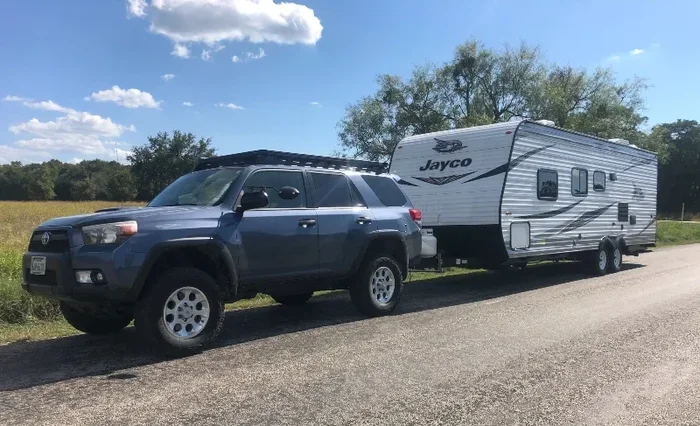
The Highlander can tow up to 5,000 pounds when properly equipped. It handles a small trailer well on highways. However, adding a trailer does affect fuel economy and may make the ride feel a bit less agile. For most families, the Highlander is comfortable enough without towing.
=== CONCLUSION ===
The Toyota Highlander proves itself as one of the most comfortable SUVs for long road trips. Its blend of seat comfort, smooth ride quality, and cabin quietness sets it apart in the midsize SUV class. Whether you choose the gas or hybrid version, you get a vehicle that is built for endurance and relaxation on the open road. Families who value comfort on long journeys will find the Highlander to be a truly satisfying choice.