Does the Toyota Corolla Hold Its Value After 5 Years
Does the Toyota Corolla Hold Its Value? is an essential topic that provides valuable insights.
You bought a Toyota Corolla. Or maybe you are thinking about buying one. Either way, a question probably keeps popping up in your head. Does the Toyota Corolla hold its value over time? This is a smart question to ask before putting your hard-earned money into any vehicle. After all, cars are depreciating assets. They lose value the moment you drive them off the lot. But some vehicles lose value faster than others. And the Toyota Corolla has a long, well-documented reputation for holding onto its worth. In this article, we will explore everything you need to know about Toyota Corolla depreciation, how it compares to competitors, and what you can do to protect your investment. Let us dive right in.
The Toyota Corolla resale value story is not just about numbers on a spreadsheet. It is about trust. For decades, the Corolla has been one of the best-selling cars in the world. Millions of drivers rely on it every single day. That kind of popularity does not happen by accident. It happens because the car works. It stays reliable. It costs less to maintain. And when it comes time to sell, buyers line up. All of these factors feed into a strong car value retention profile. Whether you are a first-time buyer or a seasoned car owner, understanding how the Corolla holds its value can help you make a smarter purchase decision.
Key Takeaways
- Strong Value Retention: The Toyota Corolla holds roughly 45-50% of its value after five years, which is above average for sedans.
- Low Depreciation Rate: Corollas depreciate about 15-18% in the first year and slow down significantly in years two through five.
- Reliability Drives Demand: The Corolla’s reputation for dependability keeps used car prices stable and attractive to buyers.
- Maintenance Matters: Regular upkeep, clean records, and low mileage all boost the Toyota Corolla resale value at trade-in or sale.
- Competitive Edge: The Corolla outperforms many rivals like the Nissan Sentra and Hyundai Elantra in vehicle retention rate benchmarks.
- Smart Buy for Long-Term Owners: Whether you keep it for a decade or sell after five years, the Corolla delivers excellent car value retention.
📑 Table of Contents
How the Toyota Corolla Depreciates Over Time
Understanding Car Depreciation Basics
Before we look at specific numbers, let us talk about what depreciation actually means. Car depreciation is the gradual loss of a vehicle’s value over time. Almost every car loses value. It is just a fact of ownership. New cars typically take the biggest hit in the first year. Some models drop 20% or more in value before you even finish paying for them. But not all cars depreciate at the same rate. Some models hold value much better than others. This is where the Toyota Corolla shines. The Toyota brand value and the Corolla’s reputation for reliability help it lose value more slowly than many rivals.
Several factors influence how fast a car depreciates. The brand reputation matters. The model’s reliability track record matters. Even the color and trim level can play a role. But the biggest drivers are mileage, condition, and maintenance history. A well cared for Corolla with low miles and a clean record will depreciate much more gently than a neglected one. This is why Toyota Corolla ownership cost is so important to consider. Lower upkeep costs mean fewer red flags for future buyers. And fewer red flags mean a higher resale price.
Corolla Depreciation by Year
Let us break down the numbers year by year. Keep in mind that these are averages based on industry data and real-world sales trends. Your actual results may vary depending on location, trim, and condition.
Year One: A new Toyota Corolla typically loses about 15% to 18% of its value in the first year. So if you buy a Corolla for $25,000, it might be worth around $20,500 to $21,250 after 12 months. This is actually better than the industry average. Most new cars lose closer to 20% in year one.
Year Two: Depreciation slows down. The Corolla loses roughly another 10% to 12%. By the end of year two, you might see a value of around $18,000 to $19,000 depending on the starting price.
Year Three: The steepest part of the depreciation curve has mostly passed. The Corolla holds steady, losing about 8% to 10% this year. Values land around $16,000 to $17,500.
Year Four and Five: Depreciation continues to flatten out. By the five-year mark, a Corolla that started at $25,000 might be worth somewhere between $12,000 and $14,000. That means it has retained roughly 45% to 50% of its original value. This is a strong result for any fuel efficient sedan.
Quick Tip: If you want to minimize depreciation, consider buying a Corolla with a slightly higher trim level. Higher trims often hold value better because they come with more desirable features that buyers look for in the used market.
Toyota Corolla Resale Value vs. Competitors
How the Corolla Stacks Up Against the Honda Civic
The Honda Civic is the Corolla’s most natural rival. Both are best cars that hold value in the compact sedan segment. Both are reliable, fuel efficient, and affordable. So how do they compare when it comes to Toyota Corolla resale value versus Honda Civic resale value?
In most years, the Corolla and Civic trade places near the top. The Civic sometimes edges ahead in the first three years, but the Corolla tends to close the gap by year four and five. Both vehicles benefit from strong brand loyalty and proven track records. Buyers trust both names. This trust translates into stronger used car prices. Overall, the difference between the two is small. You really cannot go wrong with either one if car value retention is your priority.
How the Corolla Stacks Up Against the Nissan Sentra
The Nissan Sentra is another popular compact sedan. But when we compare vehicle retention rate numbers, the Corolla pulls ahead. The Sentra tends to depreciate faster, especially after the three-year mark. By year five, a Sentra typically retains less value than a comparable Corolla. This gap widens if the Sentra has higher mileage or a less favorable maintenance history. The takeaway here is clear. If you want a sedan that holds its value well, the Corolla has a real edge over the Sentra.
How the Corolla Stacks Up Against the Hyundai Elantra
The Hyundai Elantra has improved dramatically in recent years. It offers great features and competitive pricing. But in terms of Toyota Corolla depreciation rates, the Corolla still holds a slight advantage. The Elantra depreciates a bit faster in the first few years. By year five, the gap narrows but the Corolla usually comes out ahead. Hyundai has made great strides, but Toyota’s long-standing reputation for reliability continues to pay off at resale time.
Comparison Table: Toyota Corolla vs. Key Competitors
| Vehicle | Avg. 5-Year Retention | Year 1 Depreciation | Year 5 Estimated Value (from $25K) |
|---|---|---|---|
| Toyota Corolla | 45-50% | 15-18% | $12,000-$14,000 |
| Honda Civic | 43-48% | 16-20% | $11,500-$13,500 |
| Nissan Sentra | 38-43% | 18-22% | $10,000-$12,000 |
| Hyundai Elantra | 40-45% | 17-21% | $11,000-$12,500 |
As you can see from the table above, the Toyota Corolla consistently ranks at or near the top for low depreciation cars. This is one of the main reasons it has remained a best-seller for so many years. When you buy a Corolla, you are not just buying a car. You are buying peace of mind. And that peace of mind has real dollar value when it is time to sell.
Factors That Affect the Toyota Corolla’s Value
Trim Level and Features
Not all Corollas are created equal when it comes to resale. The trim level you choose matters more than you might think. Higher trims like the SE or XSE often hold value better than the base L or LE. Why? Because they come with features that buyers actively look for. Better infotainment systems, upgraded seats, and sportier styling all add appeal. Even something as simple as a sunroof or a better sound system can make a difference in the used Toyota Corolla price down the road.
Here are some features that tend to boost Toyota Corolla resale value:
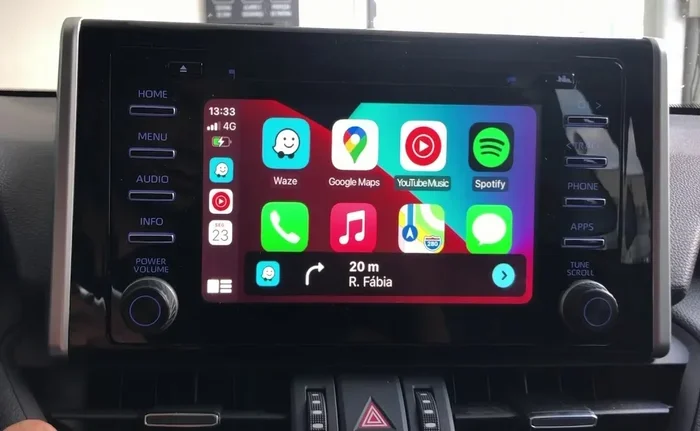
- Apple CarPlay and Android Auto compatibility
- Advanced safety features like lane departure warning
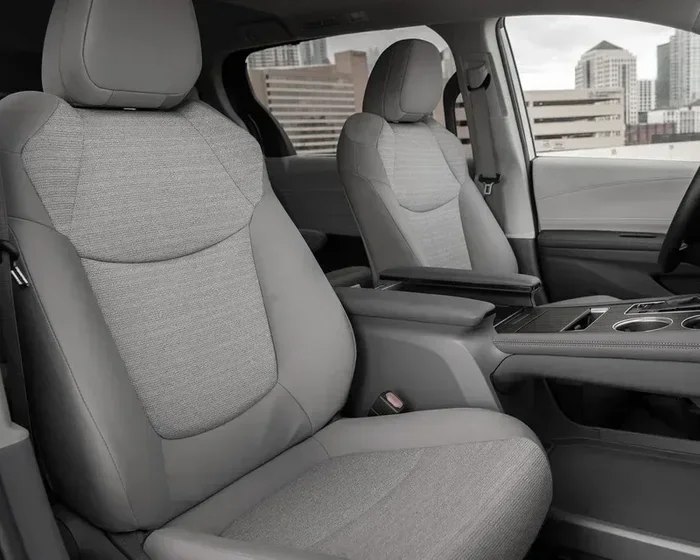
- Leather or upgraded cloth seating
- LED headlamps and taillamps
- Automatic emergency braking
- Remote start capability
If you are choosing between trims, think about what future buyers will want. Features that add convenience and safety tend to hold their appeal better than purely cosmetic upgrades.
Mileage and Condition
This one should go without saying, but mileage is one of the biggest factors in resale value. A Corolla with 30,000 miles after five years will sell for significantly more than one with 80,000 miles. Buyers prefer low-mileage vehicles because they expect fewer repairs and a longer remaining lifespan. But mileage is not the only factor. The overall condition of the interior and exterior matters just as much.
Small details add up. Clean seats. No scratches on the paint. A well-maintained engine bay. All of these things signal to buyers that the car was cared for. Even the smell inside the car can influence a buyer’s perception. A clean, fresh-smelling interior creates a positive first impression. And first impressions drive offers.
Maintenance History
This is arguably the most important factor of all. A Toyota Corolla with a full service record sells faster and for more money than one without. When you bring your Corolla in for regular oil changes, tire rotations, and scheduled maintenance, you are building a paper trail of care. This paper trail is gold when it comes time to sell.
Buyers trust sellers who can prove the car was well maintained. It reduces their perceived risk. And reduced risk means they are willing to pay closer to the asking price. On the flip side, a Corolla with no maintenance records or visible signs of neglect will struggle to command a good price. Always keep your receipts and service records. They are your best asset when selling.
Expert Insight: According to automotive analysts at Kelley Blue Book and Edmunds, the Toyota Corolla consistently ranks in the top five for Toyota resale ranking among all Toyota models. This is remarkable for a compact sedan and speaks volumes about the brand’s enduring strength in the used car market.
Tips to Maximize Your Toyota Corolla’s Resale Value
Now that you understand how depreciation works and what affects it, let us talk about what you can do to protect your investment. These practical tips will help you get the most money back when it is time to sell or trade in your Corolla.
- Keep up with regular maintenance. Follow the manufacturer’s service schedule to the letter. Change the oil on time. Rotate your tires. Replace filters as recommended. Every service visit adds to your car’s credibility.
- Drive it gently. Avoid hard acceleration and aggressive braking. Gentle driving not only saves fuel but also reduces wear on the engine, brakes, and transmission. A well-preserved drivetrain commands a higher price.
- Keep mileage low. If you can, try to limit your annual mileage. Buyers love low-mileage cars. If you work from home or carpool, every mile you skip adds value down the road.
- Address small issues immediately. A small crack in the windshield or a rattling sound today can become a big repair bill tomorrow. Fixing small problems early shows buyers the car was well cared for.
- Keep it clean inside and out. Regular washing, waxing, and interior cleaning go a long way. Consider professional detailing before selling. A clean car simply sells faster and for more money.
- Store it properly. If you live in a harsh climate, park in a garage when possible. Sun damage, salt, and extreme temperatures can all accelerate wear and hurt resale value.
- Sell at the right time. Timing matters in the used car market. Spring and early summer tend to be the best times to sell a car. Demand is higher, and buyers are more active.
Common Mistakes to Avoid: Many owners make the mistake of neglecting small repairs before selling. They assume buyers will not notice. But buyers always notice. Another common mistake is ignoring cosmetic issues like chipped paint or stained seats. These small flaws can significantly reduce your offer. Do not skip the details.
Is the Toyota Corolla Worth Buying for Long-Term Value?
This is the question that really matters, isn’t it? You could read all the depreciation data in the world, but the real question is whether buying a Toyota Corolla makes financial sense for you over the long haul. And the answer, for most people, is a resounding yes.
The Corolla offers an outstanding combination of reliability, affordability, and fuel efficiency. It is one of the most proven fuel efficient sedan options on the market. Whether you choose the hybrid variant or the traditional gas engine, you will enjoy excellent fuel economy. This saves you real money at the pump month after month and year after year.
But the financial benefits go beyond just fuel savings. When you factor in the Toyota Corolla resale value, the total cost of ownership drops significantly. A car that holds its value well effectively costs you less per year of ownership. Even if the upfront price is similar to a competitor, the Corolla’s stronger resale numbers mean you lose less money over time.
Let us look at a quick example. Imagine you buy a new Corolla for $25,000. After five years, it is worth $13,000. Your total depreciation cost is $12,000. Now imagine a competitor that costs the same upfront but is only worth $10,000 after five years. That competitor cost you $15,000 in depreciation. Over a ten-year ownership period, the difference becomes even more dramatic. This is the power of car value retention in action.
The Corolla also benefits from Toyota’s strong dealer network and widespread parts availability. Even if you plan to keep the car for many years, finding service and replacement parts is easy and affordable. This further reduces your Toyota Corolla ownership cost and makes the long-term ownership experience smoother and more enjoyable.
For buyers considering a certified pre-owned Toyota, the Corolla is an especially smart choice. A certified pre-owned Corolla comes with a warranty and a thorough inspection. You get the reliability of the Toyota name at a lower price point. And because the initial depreciation hit has already been absorbed by the first owner, you enjoy even better value retention going forward.
The Bottom Line on Toyota Corolla Value Retention
So, does the Toyota Corolla hold its value? The data says yes, without question. Across every metric we have explored, the Corolla demonstrates strong vehicle retention rate numbers. It depreciates more slowly than most competitors. It holds value better than many cars in its class. And it consistently ranks among the top performers in Toyota resale ranking studies.
The Corolla is not just a practical car. It is a smart financial choice. Whether you plan to keep it for ten years or sell after five, the Corolla delivers excellent value at every stage of ownership. Its combination of reliability, fuel efficiency, and strong resale performance makes it one of the smartest purchases you can make in the compact sedan segment.
If you are still on the fence, here is a simple way to think about it. Buying a Toyota Corolla is not just buying transportation. It is buying a vehicle that will cost you less to own over time. It is buying a car that will be easier to sell when you are ready for something new. And it is buying peace of mind knowing that your investment is protected. Few cars in this price range can make that claim. The Toyota Corolla can.
Take the time to research your local market. Check used Toyota Corolla price trends in your area. Talk to dealers. Read owner reviews. The more you know, the better decision you will make. And if you are looking for a car that will serve you well for years to come without draining your wallet, the Toyota Corolla should be at the very top of your list.
In the end, the answer to the question “does the Toyota Corolla hold its value” is clear. It holds its value remarkably well. It holds its value better than most. And for the millions of drivers around the world who have trusted the Corolla for generations, that is no surprise at all.
Frequently Asked Questions
What is the average Toyota Corolla depreciation rate after 5 years?
On average, the Toyota Corolla loses about 50-55% of its original value after five years. This means a new Corolla purchased for $25,000 would be worth roughly $11,250 to $12,500 at the five-year mark. However, this rate varies based on trim level, mileage, and maintenance history.
Is the Toyota Corolla one of the best cars that hold value?
Yes, the Toyota Corolla is widely recognized as one of the best cars that hold value in the compact sedan segment. It consistently outperforms many rivals in vehicle retention rate studies conducted by organizations like Kelley Blue Book and Edmunds. Its strong reliability reputation and brand trust are the main reasons for this performance.
Does the Corolla hybrid hold its value better than the gas version?
In most cases, the Corolla Hybrid tends to hold its value slightly better than the gas-only version. Hybrid vehicles are becoming increasingly popular, and demand for fuel-efficient options continues to grow. This higher demand helps boost the Toyota Corolla resale value of the hybrid trim over time.
How can I check the current used Toyota Corolla price in my area?
You can check the current used Toyota Corolla price on websites like Kelley Blue Book, Edmunds, and CARFAX. These platforms provide localized pricing based on mileage, condition, and trim level. Comparing listings in your area gives you the most accurate picture of what your Corolla might be worth.
Does regular maintenance really affect the Toyota Corolla resale value?
Absolutely. Regular maintenance has a significant impact on Toyota Corolla depreciation outcomes at resale. A well-documented service history reassures buyers and can increase your offer by hundreds or even thousands of dollars. Always keep records of oil changes, tire rotations, and major services.
What trim of the Corolla holds value the best?
Higher trims like the SE, XSE, and Hybrid variants tend to hold value better than the base models. This is because they include more desirable features that appeal to used car buyers. Features like advanced safety tech, better infotainment systems, and upgraded interiors all contribute to stronger car value retention at resale time.
=== CONCLUSION ===
The Toyota Corolla continues to prove itself as one of the smartest choices for buyers who care about long-term value. From its gentle Toyota Corolla depreciation curve to its strong performance against rivals, the Corolla delivers where it counts. It holds its value better than most sedans in its class. It costs less to own over time. And it remains one of the most trusted names on the road today. If you are looking for a car that will serve you well, save you money, and still have strong resale appeal when you are ready for your next vehicle, the Toyota Corolla is hard to beat. Do your research, take care of your car, and enjoy the benefits of owning one of the best cars that hold value on the market.