Does the Toyota 4Runner Qualify for Section 179 Deductions
The Toyota 4Runner can qualify for Section 179 deductions, but it depends on your vehicle’s configuration, gross vehicle weight rating, and how you use it for business. If your 4Runner has a GVWR over 6,000 pounds, you may unlock a much higher deduction limit than standard passenger vehicles. Understanding the IRS rules around business vehicle deductions and vehicle purchase deductions is essential to maximizing your tax savings this year.
The Toyota 4Runner is one of the most popular SUVs on the road. It has built a reputation for being tough, reliable, and ready for anything. But if you use a 4Runner for your business, you might wonder whether it qualifies for Section 179 deductions. The short answer is yes, but the details matter a lot.
Section 179 is a powerful tax tool that lets businesses deduct the full cost of qualifying equipment and vehicles in the year of purchase. For small business owners, this can mean significant tax savings right away. But the IRS has specific rules about what counts as qualified property and how much you can deduct. A business vehicle deduction like the one for a 4Runner comes with its own set of limits and requirements.
In this guide, we will walk through everything you need to know about claiming a Section 179 deduction for your Toyota 4Runner. We will cover the IRS rules, weight limits, business use requirements, and practical tips to help you get the most out of your tax write-off vehicle. Whether you run a construction company, a delivery service, or a field-based business, this article has you covered.
Key Takeaways
- GVWR Matters Most: The 4Runner’s gross vehicle weight rating determines whether it qualifies for higher Section 179 deduction limits.
- Business Use Is Critical: You must use the vehicle more than 50% for business purposes to claim any deduction.
- Passenger Vehicle Limits Apply: Lighter 4Runner configurations face IRS passenger vehicle deduction caps.
- Documentation Is Key: Keep detailed records of business mileage, purchases, and use to support your claim.
- Bonus Depreciation May Help: Combining Section 179 with bonus depreciation can increase your total tax savings.
- Trim and Configuration Matter: Certain 4Runner trims exceed the 6,000-pound threshold that unlocks better deduction opportunities.
- Consult a Tax Professional: Always work with a CPA or tax advisor to ensure you claim the right deductions for your situation.
📑 Table of Contents
- What Is Section 179 and How Does It Work?
- The Toyota 4Runner: A Popular Business Vehicle
- Does the 4Runner Meet Section 179 Requirements?
- Deduction Limits for the Toyota 4Runner
- Common Mistakes to Avoid with Vehicle Section 179 Claims
- How to Claim Section 179 for Your 4Runner
- Combining Section 179 with Other Tax Strategies
- Expert Insights on Vehicle Tax Deductions
- Key Takeaways
- Conclusion
What Is Section 179 and How Does It Work?
Understanding the Basics of Section 179
Section 179 is a section of the U.S. Internal Revenue Code that allows businesses to deduct the full purchase price of qualifying assets in the year they are placed in service. Instead of spreading the cost out over several years through equipment depreciation, you can take a lump-sum deduction. This is a huge benefit for small business owners who need immediate tax savings.
The idea behind Section 179 is simple. It encourages businesses to invest in themselves. When you buy a business vehicle or equipment, you should not be penalized with years of slow deductions. You get to write off the cost now, which improves your cash flow and reduces your taxable income for the year.
However, there are limits. The IRS sets an annual cap on how much you can deduct under Section 179. For the 2024 tax year, the total limit is $1,220,000. There is also a phase-out threshold. Once your total qualifying purchases exceed $3,050,000, the deduction amount starts to decrease. These numbers adjust each year for inflation.
Who Can Claim Section 179?
Not every business can claim a Section 179 deduction. You must be running a trade or business. This includes sole proprietorships, partnerships, S corporations, and C corporations. The business must have taxable income. You cannot create a loss just to claim the deduction. If your business income is lower than your deductions, the deduction is limited to your net income.
The vehicle must also be used in the active conduct of your business. A personal vehicle that happens to get driven to the office occasionally will not qualify. The key factor is the business use percentage. You need to use the vehicle primarily for business purposes to take full advantage of the deduction.
The Toyota 4Runner: A Popular Business Vehicle
Why the 4Runner Is a Top Choice for Businesses
The Toyota 4Runner has earned a loyal following among business owners. It is known for its durability, off-road capability, and cargo space. Whether you work in construction, real estate, landscaping, or any field-based industry, the 4Runner can handle the demands of a workday.
Many small business owners choose the 4Runner because it doubles as a personal vehicle and a workhorse. You can drive it to job sites, haul tools and materials, and still use it on the weekends for family trips. This dual-purpose nature makes it a practical choice. But from a tax perspective, the question is whether the IRS treats it as a business vehicle deduction or a personal vehicle.
The 4Runner also holds its value well. That resale value is a bonus, but it does not directly impact your Section 179 deduction. What matters most is the vehicle’s specifications and how you use it during the tax year.
4Runner Trim Levels and Configurations
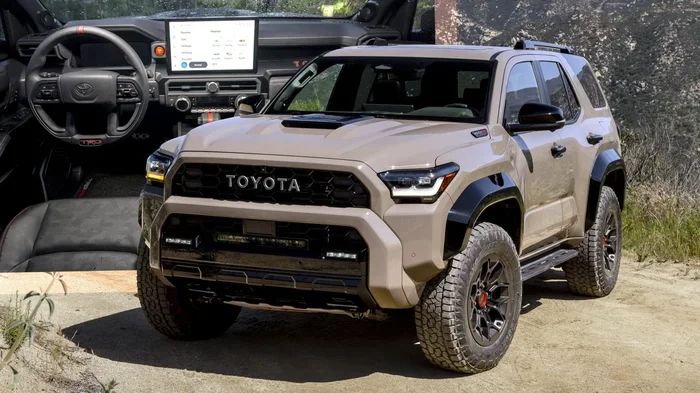
The Toyota 4Runner comes in several trim levels. These include the SR5, TRD Off-Road, TRD Pro, and Limited editions. Each trim has different features, but they also differ in weight. This is where things get important for your tax write-off vehicle eligibility.
The base 4Runner SR5 has a gross vehicle weight rating around 5,500 to 5,700 pounds, depending on the configuration. The TRD Pro and Limited trims can push closer to or above 6,000 pounds, especially when equipped with heavier-duty suspension, larger wheels, or additional cargo capacity. The specific GVWR for your exact 4Runner model year and trim is printed on the vehicle’s door jamb label or in the owner’s manual.
This weight distinction is the single most important factor in determining your deduction limit. Let us look at why.
Does the 4Runner Meet Section 179 Requirements?
Gross Vehicle Weight Rating: The Key Factor
The IRS uses the gross vehicle weight rating to classify vehicles for tax purposes. The GVWR is the maximum total weight of the vehicle, including passengers, cargo, fuel, and the vehicle itself. This number is set by the manufacturer and printed on the vehicle.
If your 4Runner has a GVWR of 6,000 pounds or more, it falls into a different category than lighter passenger vehicles. Vehicles over 6,000 pounds GVWR are eligible for a much higher Section 179 deduction limit. This is one of the biggest advantages for owners of heavier 4Runner configurations.
Here is the breakdown:
- GVWR under 6,000 pounds: The vehicle is classified as a passenger car. The Section 179 deduction is subject to the passenger vehicle limits set by the IRS.
- GVWR over 6,000 pounds: The vehicle qualifies as a heavy SUV or truck. The deduction limit is significantly higher, and the IRS vehicle limits are more favorable.
This means two people who buy the same year 4Runner could have very different deduction amounts based on their specific trim and configuration. Always check your vehicle’s GVWR before assuming anything about your tax savings.
Business Use Percentage Matters
Even if your 4Runner qualifies under the weight rules, you still need to prove that you use it for business. The IRS requires that the vehicle be used more than 50% of the time for business purposes. If you use it 50/50 between business and personal use, you can only deduct 50% of the cost.
Tracking your business use percentage is essential. Many business owners keep a mileage log. They record every trip, noting the date, destination, purpose, and miles driven. Apps like MileIQ or Everlance can automate this process. The more organized your records, the smoother your vehicle purchase deduction claim will be.
If you use the 4Runner 100% for business, you can claim the full deduction amount. If it is 75% business and 25% personal, you can deduct 75% of the qualified cost. This business use percentage directly affects how much you save on your taxes.
Deduction Limits for the Toyota 4Runner
Passenger Vehicle Limits vs. Heavy SUV Limits
The IRS sets specific deduction caps based on how the vehicle is classified. For passenger vehicles, the limits are much lower. For heavy SUVs and trucks, the limits are significantly higher. Here is a simple comparison:
| Vehicle Classification | GVWR | Section 179 Deduction Limit (2024) |
|---|---|---|
| Passenger Car | Under 6,000 lbs | $12,200 maximum first-year deduction |
| Heavy SUV / Truck | Over 6,000 lbs | Up to the full purchase price (subject to the $1,220,000 Section 179 cap) |
As you can see, the difference is dramatic. A lighter 4Runner may only allow a Section 179 deduction of around $12,200 in the first year. A heavier 4Runner could let you deduct tens of thousands of dollars, depending on the purchase price.
These passenger vehicle limitations exist because the IRS assumes lighter vehicles are used more for personal purposes. The heavier vehicle classification signals that the vehicle is likely used for genuine business operations like hauling equipment or materials.
How Much Can You Actually Deduct?
Let us look at a practical example. Say you buy a 4Runner TRD Pro with a GVWR of 6,200 pounds for $48,000. You use it 80% for business and 20% for personal use. Because the GVWR exceeds 6,000 pounds, you are not subject to the passenger vehicle cap. You can potentially deduct up to 80% of $48,000, which is $38,400, under Section 179.
Now imagine you buy a base 4Runner SR5 with a GVWR of 5,600 pounds for the same $48,000. Since it is under 6,000 pounds, the passenger vehicle limit kicks in. Your maximum first-year deduction would be capped at $12,200. That is a huge difference based on one number: the GVWR.
This is why checking your specific vehicle’s weight rating is so important before you make a purchase decision or file your taxes. The SUV tax write-off potential varies widely between configurations.
Common Mistakes to Avoid with Vehicle Section 179 Claims
Overlooking the 50% Business Use Rule
The most common mistake business owners make is assuming they can deduct the full purchase price without tracking business use. The IRS requires more than 50% business use for a full business vehicle deduction. If you skip the mileage log or estimate loosely, you could face an audit or have your deduction disallowed.
Keep a simple spreadsheet or use a dedicated app. Record every business trip. Note the odometer reading at the start and end of each month. This documentation is your best friend if the IRS ever questions your tax write-off vehicle claim.
Confusing Bonus Depreciation with Section 179
Another mistake is mixing up bonus depreciation with Section 179. They are related but different. Bonus depreciation allows you to deduct a percentage of the vehicle’s cost in the first year. Section 179 lets you deduct the full cost (up to the annual limit). You can use both in the same year, but you cannot double-deduct the same dollar amount.
Many business owners choose to take the Section 179 deduction first because it is more flexible. You can decide how much to deduct each year, up to the limit. Bonus depreciation is an all-or-nothing proposition for that percentage. Understanding the difference helps you make the best tax savings decision for your situation.
Ignoring the SUV Business Use Requirement
Some owners buy a 4Runner and immediately claim the full deduction without a legitimate business purpose. The IRS looks for a genuine business need. If you are a freelance photographer who uses the 4Runner to haul equipment to client sites, that is a clear business use. If you are a consultant who uses it only for your daily commute, that is much harder to justify.
The key is having a documented business reason for the purchase and consistent evidence of business use throughout the year. Without this, your vehicle purchase deduction could be challenged.
How to Claim Section 179 for Your 4Runner
Step-by-Step Filing Process
Claiming your Section 179 deduction for a Toyota 4Runner is straightforward if you stay organized. Follow these steps to ensure a smooth filing process:
- Verify your vehicle’s GVWR by checking the door jamb label or owner’s manual.
- Track your business mileage throughout the year using a log or app.
- Calculate your business use percentage based on total miles driven.
- Confirm the purchase price and ensure the vehicle was placed in service during the tax year.
- Complete Form 8829 if you are claiming expenses for business use of a vehicle.
- Transfer the deduction amount to your Form 1040, Schedule C or Form 1120, depending on your business structure.
- Keep all receipts and documentation for at least three years in case of an audit.
Working with a qualified tax professional can help you navigate each step. A CPA who specializes in small business taxes will know the latest Section 179 limits and can help you optimize your deduction strategy.
Documentation You Need to Keep
The IRS wants proof. When claiming a business expense deduction for your 4Runner, you should have the following documents on hand:
- The vehicle purchase contract or invoice showing the total cost.
- The manufacturer’s certificate showing the GVWR.
- A mileage log with dates, destinations, and business purposes for each trip.
- Fuel receipts and maintenance records that support business use.
- Any insurance documents that list the vehicle as a business asset.
Keeping these records organized from day one saves you stress at tax time. It also strengthens your position if the IRS ever reviews your return.
Combining Section 179 with Other Tax Strategies
Pairing with Bonus Depreciation
One of the smartest moves for business owners is combining Section 179 with bonus depreciation. These two strategies work together to maximize your tax savings in the first year of ownership.
For example, you might take the full Section 179 deduction for the business-use portion of your 4Runner’s cost. Then, you can apply bonus depreciation to any remaining basis. This layered approach reduces your taxable income significantly and frees up cash for other business needs.
Timing Your Purchase for Maximum Benefit
When you buy your 4Runner matters. The vehicle must be placed in service during the tax year you want to claim the deduction. If you purchase a 4Runner in December but do not put it into service until January, you must wait until the next tax year. Planning your purchase timing can make a real difference in your tax write-off vehicle strategy.
Some business owners time their vehicle purchases to coincide with high-income years. If you expect your income to spike, taking a large deduction in that year reduces your overall tax burden. This is a strategy worth discussing with your tax advisor.
Expert Insights on Vehicle Tax Deductions
Tax professionals consistently emphasize the importance of the GVWR threshold for SUVs like the 4Runner. According to industry experts, many business owners miss out on higher deductions simply because they do not check the weight rating on their specific vehicle configuration. A few minutes of research can unlock thousands of dollars in tax savings.
Experts also stress the importance of honest record-keeping. The IRS has become increasingly sophisticated in tracking vehicle use patterns. An inconsistent mileage log raises red flags. Consistency and accuracy are your best allies when claiming any business vehicle deduction.
Another expert tip is to consider the total cost of ownership. The 4Runner is a durable vehicle with strong resale value. While the upfront cost may seem high, the long-term value and tax savings from a proper Section 179 claim can offset a significant portion of that investment.
Key Takeaways
- The Toyota 4Runner can qualify for Section 179 deductions, but eligibility depends on your vehicle’s gross vehicle weight rating.
- Vehicles with a GVWR over 6,000 pounds unlock significantly higher deduction limits than passenger vehicles.
- You must use the 4Runner more than 50% for business purposes to claim the full deduction.
- Documentation, including mileage logs and purchase records, is essential for a successful claim.
- Combining Section 179 with bonus depreciation can maximize your first-year tax savings.
- Checking your specific 4Runner trim and configuration before purchasing can save you thousands in taxes.
- Consulting a tax professional ensures you claim every deduction you are entitled to.
Conclusion
The Toyota 4Runner is more than just a rugged SUV. For business owners, it can be a powerful tax write-off vehicle that delivers real tax savings. The key is understanding how Section 179 deductions work and whether your specific 4Runner configuration qualifies.
Start by checking your vehicle’s gross vehicle weight rating. If it exceeds 6,000 pounds, you are in a strong position for a higher deduction. Track your business mileage carefully, keep your records organized, and work with a tax professional to ensure you claim everything you deserve.
A business vehicle deduction like the one available for the 4Runner can make a meaningful difference in your bottom line. The SUV tax write-off potential is real, but it requires knowledge and preparation. Use the information in this guide to make informed decisions about your vehicle purchase and tax strategy. Your wallet will thank you at tax time.
Take action today. Check your 4Runner’s specifications, review your business use patterns, and start planning your Section 179 deduction strategy. The more prepared you are, the more you save.
Frequently Asked Questions
Can I claim a Section 179 deduction for a used Toyota 4Runner?
Yes, you can claim a Section 179 deduction for a used 4Runner as long as you purchase it for business use and place it in service during the tax year. The vehicle must meet the GVWR requirements and be used more than 50% for business purposes. The deduction amount is based on the purchase price you paid for the used vehicle.
What happens if I use my 4Runner 50% for business and 50% for personal use?
If your business use is exactly 50%, you can still claim a deduction, but it will be limited to 50% of the qualified cost. The IRS requires more than 50% business use for the full deduction. However, you may still benefit from partial deductions and other vehicle-related expense write-offs like fuel and maintenance.
Does every Toyota 4Runner trim qualify for the higher deduction limits?
Not necessarily. The deduction limits depend on the gross vehicle weight rating, not the trim name. Some base trims may have a GVWR under 6,000 pounds, while higher trims like the TRD Pro may exceed that threshold. Always verify the GVWR on your specific vehicle before assuming your deduction eligibility.
Can I combine Section 179 with bonus depreciation for my 4Runner?
Yes, you can combine both strategies. Section 179 lets you deduct a portion of the cost in the first year, and bonus depreciation allows you to deduct a percentage of the remaining basis. Together, they can significantly reduce your taxable income. However, you cannot deduct the same dollar amount twice.
What if my business has no taxable income in the year I buy the 4Runner?
If your business has no taxable income, your Section 179 deduction is limited to your net income for the year. Any unused deduction cannot be carried forward to future years under Section 179 rules. However, you may be able to use other depreciation methods to claim a partial deduction. A tax advisor can help you explore your options.
How do I find the gross vehicle weight rating for my specific 4Runner?
You can find the GVWR on the vehicle’s door jamb label, in the owner’s manual, or on the manufacturer’s website for your specific model year and trim. The number is also listed on the vehicle title and registration documents. Always verify the exact GVWR before filing your taxes.