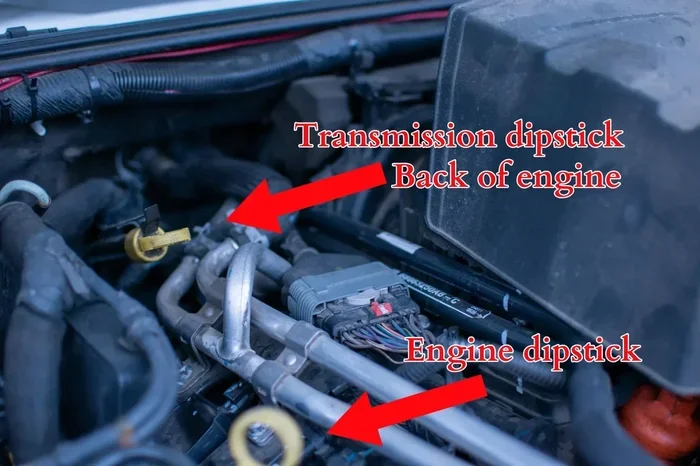
Does a 2018 RAV4 Have a Transmission Dipstick Yes Or No
Does a 2018 RAV4 Have a Transmission Dipstick Yes Or No? The short answer is no, it does not. Toyota removed the external dipstick from the 2018 automatic transmission to create a sealed unit. Instead of a stick you can pull out, you must check the transmission fluid from underneath the vehicle. Understanding this vehicle maintenance requirement helps you avoid costly transmission problems and keeps your Toyota RAV4 running smoothly for years to come.
If you own a 2018 Toyota RAV4, you might have found yourself scratching your head under the hood. You look for the transmission dipstick, but it is nowhere to be found. This leaves many car owners wondering if something is missing or broken. The truth is, the 2018 RAV4 does not have a traditional transmission dipstick. This can be confusing if you are used to checking your fluid the old-fashioned way. However, Toyota made this change for a very specific reason. Understanding how to check your fluid in a 2018 RAV4 is an important part of vehicle maintenance. Knowing the right steps will help you avoid transmission problems and keep your car running strong. Let us dive into the details of how this works and what you need to do.
When you pop the hood of an older car, finding the transmission dipstick is easy. It is usually a brightly colored handle sitting near the back of the engine bay. But on the 2018 model, that handle simply does not exist. Toyota redesigned the transmission system for this generation of the RAV4. They moved to a sealed unit that requires a completely different approach to maintenance. This shift can be frustrating for DIYers who like to do their own vehicle maintenance. However, the sealed design offers significant benefits. It keeps contaminants out and extends the life of the automatic transmission. In this article, we will answer the question, “Does a 2018 RAV4 have a transmission dipstick?” We will explain exactly why the dipstick is gone and how you can check your fluid the right way.
Key Takeaways
- No External Dipstick: The 2018 RAV4 does not have a traditional transmission dipstick you can pull out from the engine bay.
- Sealed Transmission Design: Toyota switched to a sealed transmission to prevent fluid contamination and make the system more reliable.
- Check From Below: You must raise the vehicle or go underneath to access the transmission fluid check plug on the side of the transmission pan.
- CVT Fluid Matters: The 2018 RAV4 uses a CVT transmission, which requires specific fluid, not standard automatic transmission fluid.
- DIY is Possible: With the right tools and a lift, you can check and change the fluid yourself, saving on labor costs.
- Consult the Manual: Always refer to the owner’s manual for the correct fluid capacity and torque specifications for the check plug.
📑 Table of Contents
- The Short Answer: Does a 2018 RAV4 Have a Transmission Dipstick
- How to Check the Transmission Fluid on a 2018 RAV4
- Understanding the 2018 RAV4 Transmission System
- When to Change Your 2018 RAV4 Transmission Fluid
- Common Mistakes When Dealing with the 2018 RAV4 Transmission
- Can You Install an Aftermarket Dipstick?
- Conclusion
The Short Answer: Does a 2018 RAV4 Have a Transmission Dipstick
The direct answer is no. The 2018 Toyota RAV4 does not come equipped with an external transmission dipstick. If you are looking under the hood for a brightly colored handle to pull out, you will be disappointed. Toyota designed the 2018 model with a sealed transmission system. This means the transmission is completely closed off from the outside environment. Instead of a dipstick, there is a check plug on the side of the transmission pan. You access this plug from underneath the vehicle. This design change is part of Toyota’s broader move toward sealed units in their newer models. Many modern cars now use this approach. It simplifies the undercarriage and reduces the risk of contamination. When you check the fluid, you are essentially looking at the fluid level through the check plug hole. This requires a bit more effort than a traditional dipstick. But it serves the same purpose of ensuring your transmission fluid is at the correct fluid level. Always make sure the engine is warm and the car is on a level surface before you check.
Why Toyota Removed the Dipstick
Toyota made a deliberate decision to remove the external dipstick. In the past, external dipsticks were standard across the automotive industry. However, they have a major drawback. Over time, the dipstick tube can allow dirt and debris to enter the transmission. Even a small amount of contamination can cause serious damage to the internal gears. By sealing the transmission, Toyota eliminated this entry point. The sealed design helps keep the transmission fluid clean for longer periods. It also reduces the risk of overfilling or underfilling the fluid. When a dipstick is exposed, people sometimes add the wrong fluid or too much fluid. A sealed system forces you to be more precise. You must use the exact amount specified for your vehicle. This attention to detail improves the overall lifespan of the automatic transmission. For the Toyota RAV4, this means fewer trips to the shop for fluid related issues. The engineers focused on long-term reliability over short-term convenience.
The Sealed Transmission Advantage
A sealed transmission offers several benefits that go beyond just keeping dirt out. First, it prevents fluid leaks. Traditional dipstick tubes can develop leaks around the O-ring or the tube itself. A sealed unit is much less prone to these types of leaks. Second, it maintains better fluid pressure. The transmission relies on precise fluid pressure to shift gears smoothly. Any air ingress through a dipstick tube can disrupt this pressure. By keeping the system sealed, the fluid pressure remains consistent. This results in smoother gear changes and better fuel economy. The 2018 RAV4 uses a CVT transmission, which is particularly sensitive to fluid levels and pressure. A CVT transmission relies on a belt and pulley system. This system needs constant, clean fluid to operate correctly. The sealed design ensures that the transmission remains properly lubricated at all times. This is a huge advantage for daily drivers who put a lot of miles on their vehicles. The transmission cooler lines also benefit from the sealed design, as they remain free of external contaminants that could degrade the fluid.
Quick Tips for Transmission Care
- Always check your fluid when the engine is warm.
- Never check the fluid on a cold engine.
- Make sure the vehicle is on a flat, level surface.
- Have a helper help you with the engine running.
- Keep your owner’s manual handy for fluid specs.
How to Check the Transmission Fluid on a 2018 RAV4
Since there is no dipstick, you need to follow a specific process to check the fluid. This process is not difficult, but it does require getting under the vehicle. You will need a few basic tools and a safe way to lift the car. If you are not comfortable working underneath a vehicle, you can always visit a Toyota dealer or a local mechanic. However, many owners successfully do this as a DIY project. Knowing how to check transmission fluid on your 2018 RAV4 empowers you to take control of your vehicle maintenance. Here is exactly how to do it step by step.
Tools You Will Need
Before you start, gather all the necessary tools. You do not want to be halfway through the job and realize you are missing something. Having everything ready will make the process much smoother. You will need a floor jack and jack stands or a lift. A 14mm wrench or socket is required for the check plug. You will also need a drain pan to catch any fluid that might spill. Finally, have your Toyota RAV4 owner’s manual handy. It contains the exact specifications for the fluid type and the amount needed. Wearing gloves and safety glasses is also highly recommended. Transmission fluid can be hot and messy. Working safely should always be your top priority when dealing with any part of the undercarriage.
Step-by-Step Guide to Checking the Fluid
- Park on a Level Surface: Make sure your RAV4 is parked on a flat, level floor. This ensures an accurate reading of the fluid level.
- Warm Up the Engine: Start the engine and let it idle for about 10 minutes. The transmission fluid needs to be warm to flow properly and give an accurate level.
- Lift the Vehicle: Using a floor jack, lift the front of the vehicle. Secure it safely with jack stands. Never rely on a jack alone to hold the weight of the vehicle while you are underneath it.
- Locate the Check Plug: Crawl under the vehicle and find the transmission. Look for the check plug on the side of the transmission pan. It is usually located on the passenger side.
- Remove the Plug: Using your 14mm wrench, carefully loosen and remove the check plug. Be prepared for some fluid to dribble out. Have your drain pan ready.
- Check the Fluid Level: Look into the hole where the plug was removed. The fluid level should be at the bottom of the hole. If the fluid is not visible or is very low, you need to add more fluid.
- Reinstall the Plug: Once you have confirmed the fluid level is correct, reinstall the check plug. Tighten it to the proper torque specification. Over-tightening can strip the threads.
Common Mistakes to Avoid
When checking the fluid on a 2018 RAV4, there are a few common mistakes you should avoid. First, do not check the fluid with the engine cold. Cold fluid does not flow correctly and will give you a false low reading. Second, do not overfill the transmission. Adding too much fluid can cause the transmission to slip or even damage the seals. Third, make sure you use the correct fluid. The 2018 RAV4 requires specific CVT fluid. Using standard automatic transmission fluid will destroy the CVT internals. Always double-check the owner’s manual for the exact fluid type. Finally, do not ignore the condition of the fluid. If the fluid looks dark brown or smells burnt, it is time for a full transmission service. Fresh fluid keeps the transmission pan and internal components clean.
Understanding the 2018 RAV4 Transmission System
The 2018 Toyota RAV4 uses a specific type of transmission that is different from older models. Understanding how this system works helps you appreciate why the dipstick was removed. The 2018 RAV4 is available with a Direct Shift CVT transmission. CVT stands for Continuously Variable Transmission. Unlike traditional automatics that use fixed gears, a CVT uses a belt and pulley system. This allows for an infinite number of gear ratios. The result is a smoother driving experience and better fuel economy. However, CVTs are also more sensitive to fluid conditions. They require specific maintenance to ensure longevity. Knowing the ins and outs of your automatic transmission helps you take better care of your car.
CVT vs. Traditional Automatic Transmission
It is helpful to compare the CVT in the 2018 RAV4 to a traditional automatic transmission. A traditional automatic uses a series of gears and planetary sets. It has a dipstick because the fluid sits in a pan at the bottom of the transmission. A CVT does not have these fixed gears. Instead, it relies on two pulleys connected by a steel belt. The pulleys change their width to vary the gear ratio. This entire system is packed with fluid under pressure. Because there are no fixed gears, the fluid acts as both a lubricant and a hydraulic medium. The sealed design of the 2018 RAV4 transmission keeps this system completely isolated. It prevents the transmission fluid from breaking down too quickly. This is why checking the fluid from the bottom is so important. You are checking the fluid that is actively working inside the sealed system. The transmission cooler lines run from the transmission to the radiator, and keeping the fluid clean ensures these lines do not get clogged.
Fluid Capacity and Specifications
When it comes to the transmission fluid capacity, the 2018 RAV4 has specific requirements. You cannot just pour any fluid into the system. The 2018 RAV4 requires Toyota Genuine CVT Fluid WS. This fluid is specially formulated for the Direct Shift CVT. It has the right viscosity and friction characteristics to keep the belt and pulleys operating smoothly. The total fluid capacity for the transmission is around 7.5 quarts for a full change. However, if you are just checking the level, you will only need a small amount to top it off. Always use the correct fluid. Using the wrong fluid can lead to premature wear on the transmission internals. If you are unsure, consult your owner’s manual or speak to a service advisor at your local Toyota dealer. They can confirm the exact specifications for your trim level.
| Specification | 2018 RAV4 CVT | Previous Generation (2013-2017) |
|---|---|---|
| Transmission Type | Direct Shift CVT | 6-Speed Automatic |
| External Dipstick | No | Yes |
| Fluid Type | CVT Fluid WS | ATF WS |
| Fluid Capacity (Total) | 7.5 Quarts | 7.0 Quarts |
| Check Method | Underneath Vehicle | Engine Bay Dipstick |
When to Change Your 2018 RAV4 Transmission Fluid
Knowing when to change the fluid is just as important as knowing how to check it. The sealed design of the 2018 RAV4 transmission does not mean the fluid lasts forever. Over time, the fluid breaks down from heat and stress. Dirty fluid can cause the transmission filter to clog. This can lead to poor shifting and reduced performance. Regular transmission service is essential to keep the CVT operating correctly. Most Toyota experts recommend changing the fluid every 30,000 to 60,000 miles. However, this interval can vary based on your driving conditions. If you frequently tow heavy loads or drive in extreme heat, you may need to change the fluid more often. Always refer to the Toyota maintenance schedule in your owner’s manual. This schedule provides the recommended intervals for your specific driving habits.
Signs Your Fluid Needs Changing
There are several warning signs that indicate your transmission fluid is due for a change. First, pay attention to any unusual noises. If you hear whining or grinding sounds, the fluid may be too dirty to lubricate properly. Second, notice any slipping gears. A CVT transmission should shift seamlessly. If you feel a lag or a slip, the fluid pressure might be low or the fluid might be degraded. Third, check the color of the fluid. Fresh fluid is usually a bright red color. If the fluid looks dark brown or black, it has overheated and lost its effectiveness. A burnt smell is another clear sign that the fluid needs to be replaced immediately. Addressing these signs early can prevent major transmission problems down the road.
The Toyota Maintenance Schedule
Toyota provides a detailed maintenance schedule for the 2018 RAV4. This schedule outlines when to service every part of the vehicle, including the transmission. The schedule is divided into regular maintenance and severe maintenance. Regular maintenance usually involves fluid checks at 30,000-mile intervals. Severe maintenance might require fluid changes at 15,000 or 30,000 miles. Severe conditions include towing, frequent idling, and driving in dusty environments. Following this schedule ensures your Toyota RAV4 stays reliable for many years. It also helps maintain the resale value of your vehicle. When you bring your car in for service, the technicians will follow this schedule. They will use the correct fluid and the proper procedures. This gives you peace of mind knowing your sealed transmission is well taken care of.
Expert Insights on Fluid Longevity
According to transmission specialists, the way you drive directly impacts how long your transmission fluid lasts. If you do a lot of stop-and-go driving in city traffic, your transmission works harder. This generates more heat, which breaks down the fluid faster. On the other hand, highway driving is much gentler on the transmission. If you fall into the severe driving category, consider changing your fluid more frequently. Think of the transmission fluid as the lifeblood of your CVT transmission. Just like engine oil, it needs to be refreshed periodically. The sealed design of the 2018 RAV4 actually helps the fluid last longer than it would in an open system. But it does not make it immortal. Staying on top of your fluid changes is the best way to avoid a costly rebuild.
Common Mistakes When Dealing with the 2018 RAV4 Transmission
Owning a 2018 RAV4 comes with a few unique quirks. The lack of a dipstick is just the beginning. Many owners make mistakes when dealing with the transmission because they are used to older vehicles. Avoiding these common errors can save you a lot of time and money. Understanding the undercarriage of your RAV4 is the first step to avoiding these pitfalls. Let us look at the most common mistakes and how to avoid them.
Using the Wrong Fluid Type
This is by far the most damaging mistake you can make. The 2018 RAV4 uses a CVT transmission. CVTs require a specific type of fluid that has different friction properties than standard automatic transmission fluid. If you put standard ATF into a CVT, the belt will slip. This slipping causes extreme heat and rapid wear. The transmission will fail prematurely and very expensively. Always use Toyota Genuine CVT Fluid WS. Do not substitute with generic “universal” CVT fluids unless specifically approved by Toyota. Taking the time to buy the right fluid is a small price to pay compared to a rebuilt transmission.
Over-Tightening the Check Plug
When you reinstall the check plug after checking the fluid, you must be careful. The plug is made of aluminum, and the threads on the transmission pan are also aluminum. Over-tightening the plug can easily strip the threads. Once the threads are stripped, you have a much bigger problem. You will need to either thread repair the pan or replace the entire transmission pan. Use a torque wrench to tighten the plug to the factory specification. Usually, this is around 30 to 40 foot-pounds. If you do not have a torque wrench, just tighten the plug firmly until it seats, then give it a quarter turn. Do not use excessive force.
Forgetting the Rubber Grommet
The check plug has a rubber grommet that seals it against the transmission pan. This grommet keeps the fluid from leaking out. When you remove the plug, inspect the grommet carefully. If the grommet is worn, cracked, or damaged, you must replace it before reinstalling the plug. Reusing an old grommet is a common mistake that leads to leaks. A small leak might not seem like a big deal at first. But over time, losing fluid will cause the transmission to overheat. This leads to premature failure of the internal components. Always keep a replacement grommet in your toolbox when you service the transmission.
Can You Install an Aftermarket Dipstick?
Some owners are frustrated by the lack of a dipstick and want a quick fix. You might wonder if you can just install an aftermarket dipstick. The short answer is yes, it is technically possible. There are aftermarket kits available that include a dipstick and a tube. However, installing one is not as simple as it sounds. You have to drill a hole in the transmission pan or find an existing unused port. This requires precision and knowledge of the transmission internals. If the hole is not sealed properly, it can lead to leaks. Leaks introduce contamination, which is exactly what the sealed design was meant to prevent. Most Toyota engineers do not recommend this modification. They believe the sealed design is superior for long-term reliability. If you are not comfortable with the idea of drilling into your transmission pan, it is best to stick with the factory design. The check plug method is safe and effective when done correctly. It might be less convenient than a dipstick, but it is far more reliable in the long run.
Conclusion
So, does a 2018 RAV4 have a transmission dipstick? The answer is no. Toyota designed the 2018 RAV4 with a sealed transmission system to improve reliability and reduce contamination. While this means you cannot simply pop the hood and pull out a dipstick, it does not make maintenance difficult. You simply need to check the fluid from underneath the vehicle using the check plug. By following the proper steps and using the correct CVT fluid, you can easily maintain your 2018 RAV4 transmission. Remember to avoid common mistakes like using the wrong fluid or over-tightening the plug. Regular transmission service keeps your RAV4 running smoothly for many miles. Take the time to learn your vehicle. A little knowledge goes a long way in preventing expensive repairs. Keep your maintenance schedule, and your Toyota will reward you with years of dependable service.
Frequently Asked Questions
Does a 2018 RAV4 have a transmission dipstick?
No, the 2018 Toyota RAV4 does not have an external transmission dipstick. Toyota switched to a sealed transmission design for this model year, which means you must check the fluid from underneath the vehicle using a check plug on the transmission pan.
How do you check the transmission fluid on a 2018 RAV4?
To check the fluid, you need to raise the vehicle safely and locate the check plug on the side of the transmission pan. Remove the plug while the engine is warm, and look into the hole to see if the fluid reaches the bottom. If it does not, you need to add more CVT fluid.
What kind of fluid does a 2018 RAV4 transmission use?
The 2018 RAV4 requires Toyota Genuine CVT Fluid WS. You cannot use standard automatic transmission fluid in this vehicle. Using the wrong fluid will cause the CVT belt to slip and can lead to complete transmission failure.
Why did Toyota remove the transmission dipstick?
Toyota removed the dipstick to create a sealed transmission system. This design prevents dirt, debris, and moisture from entering the transmission. It also reduces the risk of overfilling or underfilling the fluid, which improves the long-term reliability of the automatic transmission.
Can you add a dipstick to a 2018 RAV4?
While aftermarket kits exist, installing an aftermarket dipstick is not recommended. It requires drilling a hole in the transmission pan, which can lead to leaks and contamination. The factory sealed design is more reliable, and checking the fluid via the check plug is the proper method.
How often should you change the transmission fluid in a 2018 RAV4?
Most Toyota experts recommend changing the transmission fluid every 30,000 to 60,000 miles. However, if you drive in severe conditions like heavy traffic or extreme heat, you may need to change it more frequently. Always check your owner’s manual for the specific maintenance schedule.