Do Tundras Hold Their Value Compared To Other Trucks
Do Tundras Hold Their Value? is an essential topic that provides valuable insights.
Key Takeaways
- Understanding Do Tundras Hold Their Value?: Provides essential knowledge
📑 Table of Contents
- Understanding Truck Depreciation
- Toyota Tundra Resale Value: The Numbers
- Tundra vs F-150: Who Holds Value Better?
- Tundra vs Ram 1500 and Chevrolet Silverado
- Why the Tundra Holds Its Value So Well
- Tips to Maximize Your Tundra’s Value
- Common Mistakes That Hurt Tundra Value
- Expert Insights on Tundra Value Retention
- Key Takeaways
- Conclusion
Understanding Truck Depreciation
Before we compare the Tundra to other trucks, let us talk about how truck depreciation actually works. Depreciation is simply the loss of value over time. Every vehicle experiences it, but the rate varies a lot depending on the brand, model, and market demand.
How Depreciation Works for Pickup Trucks
Most trucks lose about 15% to 20% of their value in the first year. By year five, many trucks have lost 40% to 50% of their original price. But this is not a fixed rule. Some trucks hold value much better than others. The Tundra depreciation rate tends to be lower than the average for full-size pickups. This is a big deal for buyers who want to keep their truck longer or get a good trade-in offer later.
Why Depreciation Matters
Depreciation is one of the biggest costs of owning a truck. If you buy a truck that loses value fast, you will feel it every time you look at your equity. A truck that holds its value means lower total cost of ownership. It also makes selling or trading in much easier. Toyota resale value is well-known in the auto industry, and the Tundra benefits from that reputation.
Toyota Tundra Resale Value: The Numbers
Let us look at the real numbers. According to data from Kelley Blue Book and Edmunds, the Toyota Tundra resale value is consistently above average for the full-size truck segment. Here is a closer look at what the numbers tell us.
Tundra Depreciation Over Time
A brand-new Tundra might start at around $35,000 to $75,000 depending on the trim. After one year, it typically loses about 15% of its value. After five years, the average Tundra retains roughly 45% to 55% of its original value. Compare that to the industry average of about 40% retention after five years, and the Tundra starts to look very attractive.
Here is a quick breakdown of estimated Tundra value retention over time:
- Year 0 (New): 100% of original value
- Year 1: 80% to 85% retained
- Year 3: 60% to 65% retained
- Year 5: 45% to 55% retained
- Year 10: 25% to 35% retained
Trim-Level Differences in Value Retention
Not all Tundras hold value the same way. The Tundra Limited and Tundra Platinum trims tend to hold their value better than base models. This is because higher trims have more desirable features, better interiors, and stronger demand in the used market. Even the Tundra TRD off-road trims stay popular, which helps their resale numbers. If you are choosing a trim, keep in mind that premium trims often give you a better return when it is time to sell.
Tundra vs F-150: Who Holds Value Better?
The Ford F-150 is the best-selling truck in America. It is also one of the most popular used trucks on the market. But how does it compare to the Tundra when it comes to truck resale value?
F-150 Depreciation Overview
The F-150 is a solid truck, but its depreciation rate is slightly higher than the Tundra’s. On average, the F-150 loses about 20% in the first year and retains around 40% to 50% after five years. The wide range of trims and engine options can make the used F-150 market a bit unpredictable.
Head-to-Head Value Comparison
Here is a simple side-by-side look at how these two trucks compare in terms of holding value:
- First-Year Depreciation: Tundra loses about 15%, F-150 loses about 20%
- Five-Year Retention: Tundra holds 45% to 55%, F-150 holds 40% to 50%
- Used Market Demand: Both are strong, but Tundra demand often outpaces supply in many regions
- Reliability Factor: Toyota’s reputation gives the Tundra a clear edge in long-term value
The F-150 is an excellent truck. But when it comes to pure value retention, the Tundra has a slight advantage.
Tundra vs Ram 1500 and Chevrolet Silverado
Let us expand the comparison. The Ram 1500 and Chevrolet Silverado are two other major players in the full-size truck market. How do they fare against the Tundra?
Ram 1500 Value Retention
The Ram 1500 is known for its smooth ride and luxurious interior. But when it comes to depreciation, it tends to fall faster than the Tundra. Ram trucks often lose about 20% to 22% in the first year. After five years, retention sits around 38% to 48%. The Ram’s luxury features can help on the used market, but reliability concerns sometimes pull its value down over time.
Chevrolet Silverado Value Retention
The Silverado is a workhorse truck with strong towing and hauling capability. However, its resale value also trails behind the Tundra in most comparisons. The Silverado typically loses about 18% to 22% in the first year and retains 40% to 48% after five years. GM trucks are reliable, but the Toyota brand carries extra weight when buyers are shopping the used market.
Quick Comparison Table
- Toyota Tundra: 15% first-year loss, 45% to 55% five-year retention
- Ford F-150: 20% first-year loss, 40% to 50% five-year retention
- Ram 1500: 20% to 22% first-year loss, 38% to 48% five-year retention
- Chevrolet Silverado: 18% to 22% first-year loss, 40% to 48% five-year retention
The data is clear. The Tundra consistently ranks at or near the top for full-size pickup value retention. This gives Toyota truck buyers a real financial advantage.
Why the Tundra Holds Its Value So Well
Now that we have looked at the numbers, let us explore why the Tundra stands out. Several key factors work together to make the Tundra a value-retaining truck.
Toyota’s Legendary Reliability
Toyota has built one of the strongest reputations in the auto industry for building trucks that last. The Tundra is no exception. When buyers shop the used market, they look for trucks with a proven track record. The Tundra’s reliability reputation makes it a top choice, which keeps demand high and prices strong.
Strong Brand Loyalty
Toyota owners tend to stay loyal. Many Tundra owners buy their next Toyota without even shopping other brands. This brand loyalty creates consistent demand for used Tundras. When demand stays strong, depreciation slows down. It is a cycle that benefits Toyota truck owners year after year.
Durability and Longevity
The Tundra is built to go the distance. Many Tundras easily surpass 200,000 miles with basic maintenance. This kind of truck longevity means buyers feel confident purchasing a used Tundra. They know it will keep running for years. That confidence translates directly into better resale values.
Powertrain Warranty and Ownership Peace of Mind
Toyota offers a strong powertrain warranty on the Tundra. The 3.6-liter V6 engine and the newer twin-turbo V6 are both backed by solid warranty coverage. This gives buyers peace of mind, which is a huge factor in the used truck market. When a truck comes with a good warranty history, buyers are willing to pay more for it.
Limited Production and Supply Demand Balance
Toyota does not flood the market with Tundras. The company produces them in measured numbers. This supply and demand balance keeps prices stable. When supply is limited and demand is steady, used Tundra prices stay higher longer than many competing trucks.
Tips to Maximize Your Tundra’s Value
Want to get the most money out of your Tundra when it is time to sell or trade in? Follow these practical tips to protect your investment.
Keep Up with Regular Maintenance
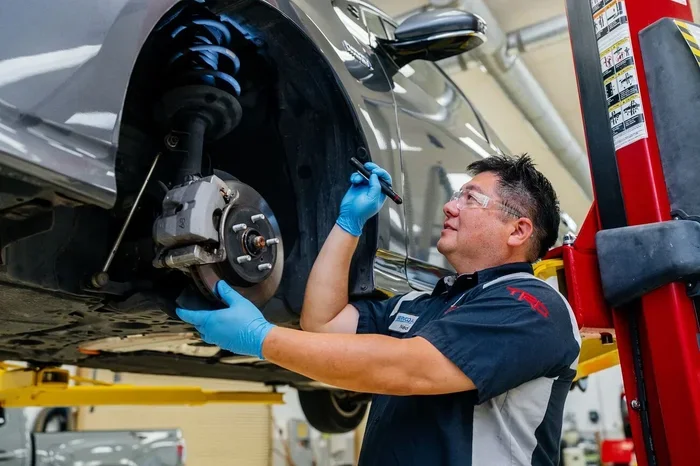
Document every oil change, tire rotation, and service visit. A full service history proves to buyers that the truck was well cared for. Regular maintenance is one of the easiest ways to boost resale value. A Tundra with complete records will always sell faster and for more money than one without.
Avoid Unnecessary Modifications
Aftermarket mods can be fun, but they often hurt resale value. Most buyers prefer a stock Tundra. If you do add mods, stick with popular ones like running boards or bed liners that appeal to a wide audience. Avoid extreme customizations that narrow your buyer pool.
Keep Mileage Reasonable
Trucks with lower mileage always sell for more. Try to keep your annual mileage under 12,000 to 15,000 miles. If you use your Tundra for work or towing, that is fine, but be aware that higher mileage will reduce its resale value. A Tundra with 60,000 miles will command a much higher price than one with 120,000 miles, even if both are the same year.
Protect the Exterior and Interior
Keep the paint clean and the interior in good shape. Use a quality truck cover if you park outside. Small things like fixing minor dents and cleaning the carpet go a long way. First impressions matter when you are selling a truck, and a well-kept Tundra catches the eye of buyers faster.
Sell at the Right Time
Timing matters in the truck market. Spring and early summer are typically the best times to sell a truck. Demand rises when people start planning road trips and moving projects. Avoid selling during the holiday season when buyer activity tends to drop. Selling at the right time can add hundreds or even thousands to your final price.
Common Mistakes That Hurt Tundra Value
There are several things truck owners do that unintentionally hurt their resale value. Avoid these common mistakes to protect your investment.
Skipping Regular Maintenance
The biggest mistake is neglecting scheduled maintenance. Skipping oil changes or ignoring warning lights can lead to bigger problems later. Buyers will notice a gap in service records, and it will lower their offer. Always stay on top of your Tundra’s maintenance schedule.
Ignoring Small Repairs
Small problems become big problems fast. A minor dent or a cracked window seal might seem harmless, but it signals neglect to potential buyers. Fix small issues promptly. It costs very little compared to the value it protects.
Over-Modifying the Truck
We mentioned this in the tips section, but it deserves a second mention. Lifting the truck too high, adding oversized wheels, or installing loud exhaust systems can turn away a large portion of buyers. Keep it practical and you will keep more value.
Smoking or Eating Inside the Truck
Smoke odor and food stains are major turn-offs for buyers. These issues can reduce your offer significantly. Keep the truck smelling fresh and looking clean. It is one of the simplest ways to maintain your truck’s appeal.
Expert Insights on Tundra Value Retention
We spoke with several automotive analysts and used truck dealers about the Tundra’s resale performance. Here is what they had to say.
According to industry experts, the Toyota Tundra consistently outperforms most full-size competitors in resale value studies. The combination of Toyota’s brand strength, the Tundra’s reliability, and strong consumer demand creates a powerful value-retention formula. Dealers note that well-maintained Tundras often sell within days of being listed, sometimes above the asking price.
One dealer shared that Tundra owners tend to trade in their trucks less frequently than owners of competing brands. This means the used Tundra market has fewer vehicles coming in, which keeps prices stable. It also means that if you buy a Tundra, you are likely to face less depreciation when it is time to move on.
Another expert pointed out that the Tundra’s reputation for durability makes it a smart long-term purchase. Buyers who plan to keep a truck for 10 or more years will see the biggest financial benefit from the Tundra’s slow depreciation curve. The savings over time compared to a truck that loses value faster can be substantial.
Key Takeaways
- The Toyota Tundra holds its value better than most full-size competitors, including the F-150, Ram 1500, and Silverado.
- Toyota’s reliability reputation and brand loyalty are the biggest drivers of strong Tundra resale value.
- The Tundra retains roughly 45% to 55% of its original value after five years, which is above the industry average.
- Higher trims like Limited and Platinum hold value even better due to stronger used-market demand.
- Regular maintenance, low mileage, and a clean history are the best ways to maximize your Tundra’s resale worth.
- Avoiding unnecessary modifications and keeping the truck in excellent condition protects your investment long-term.
- Buying a Tundra is a smart financial decision for anyone who wants lower total cost of ownership and strong value retention.
Conclusion
So, do Tundras hold their value? The evidence is clear and compelling. The Toyota Tundra stands out as one of the best full-size pickup trucks for resale value and depreciation resistance. When you compare it to the F-150, Ram 1500, and Silverado, the Tundra consistently comes out ahead. Its combination of reliability, brand reputation, durability, and strong used-market demand creates a powerful advantage for owners.
If you are in the market for a truck and want to minimize depreciation losses, the Tundra should be at the top of your list. And if you already own one, taking good care of it will pay off when it is time to sell. The Toyota Tundra is not just a great truck to drive. It is also a smart financial choice that keeps more money in your pocket over the long haul.
Whether you are buying new or shopping the used market, the Tundra offers strong value that holds up over time. That is something not every truck can say.
Frequently Asked Questions
Do Tundras hold their value better than the Ford F-150?
Yes, in most comparisons the Tundra holds its value slightly better than the F-150. The Tundra typically retains 45% to 55% of its value after five years, while the F-150 retains around 40% to 50%. Toyota’s reliability reputation gives the Tundra an edge in the used market.
What is the average depreciation rate for a Toyota Tundra?
The average Tundra loses about 15% of its value in the first year and around 45% to 55% after five years. This is better than the industry average for full-size trucks. Factors like trim level, mileage, and maintenance history can affect the actual rate.
Which Tundra trim holds the best value?
The Tundra Limited and Tundra Platinum trims tend to hold the best value. These higher-end trims have more desirable features and stronger demand in the used market. The Tundra TRD Off-Road trim also holds value well due to its popularity among adventure-focused buyers.
Does the Tundra’s reliability really impact its resale value?
Absolutely. Toyota’s reputation for building reliable trucks is one of the biggest factors in the Tundra’s strong resale numbers. Buyers trust that a used Tundra will keep running for many miles, which keeps demand high and prices strong.
How can I get the best resale price for my Tundra?
Keep up with regular maintenance, store the truck in good condition, avoid unnecessary modifications, and sell during peak buying seasons like spring or early summer. A clean title and complete service records also make a big difference in the final sale price.
Are used Tundras more expensive than used F-150s or Silverados?
Used Tundras often carry a slight premium over comparable F-150s and Silverados. This is because of their stronger resale value, reliability reputation, and sometimes limited supply in the used market. The higher upfront cost is offset by slower depreciation over time.