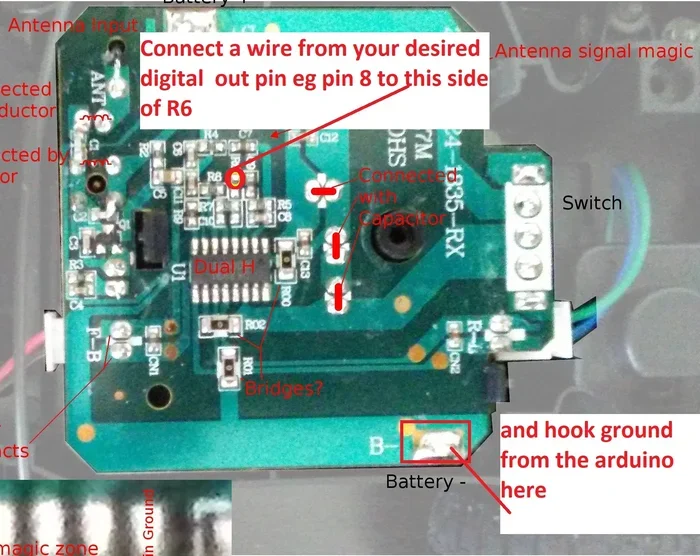
Remote Control Car Motherboard Everything You Need to Know
A remote control car motherboard is the central brain that controls every function of your RC vehicle. It processes signals from your transmitter, directs motor movement, and manages power distribution across all electronics. Whether you are a hobbyist or a beginner, understanding this board helps you troubleshoot issues and upgrade your ride with confidence.
If you have ever wondered what makes a remote control car move, steer, and perform tricks, the answer starts with one small but powerful board. The remote control car motherboard is the heart and brain of every RC vehicle. Without it, your car is just a shell with wheels and a motor. Whether you race hobby-grade models or play with basic toy cars, this board controls everything that happens on the track or in your living room.
In this guide, we will break down exactly what a remote control car motherboard does, how it works, and how to choose the right one for your setup. We will also cover common problems, maintenance tips, and when it is time to replace the board. By the end, you will have a clear picture of this essential component and feel confident making decisions about your RC car electronics.
Let us dive in. No jargon, no fluff, just everything you need to know about the board that brings your RC car to life.
Key Takeaways
- The motherboard is the brain: It coordinates every electronic function in your RC car, from steering to speed control.
- Know the key components: The CPU, ESC, receiver module, and power distribution circuits are the core parts you should understand.
- Choose wisely: Compatibility with your RC car model, motor type, and transmitter system matters most when selecting a motherboard.
- Common problems are fixable: Signal loss, overheating, and loose wiring are frequent issues that can be solved at home.
- Maintenance extends lifespan: Regular cleaning, proper storage, and firmware updates keep your board running smoothly.
- Upgrade when needed: Replacing an old motherboard can breathe new life into a classic RC car and unlock better performance.
📑 Table of Contents
- What Is a Remote Control Car Motherboard?
- How Does a Remote Control Car Motherboard Work?
- Key Components Inside a Remote Control Car Motherboard
- How to Choose the Right Remote Control Car Motherboard
- Common Problems with Remote Control Car Motherboards
- Tips for Maintaining and Upgrading Your Remote Control Car Motherboard
- Conclusion
What Is a Remote Control Car Motherboard?
A remote control car motherboard is the main circuit board inside your RC vehicle. It connects all the electronic parts together and makes sure they work as a team. Think of it like the central processing unit in a computer, but built for a tiny car that zooms around your backyard.
This board receives radio signals from your transmitter, or remote control, and translates them into action. It tells the motor how fast to spin, directs the steering servo left or right, and manages power from the battery to every component. Without a working motherboard, your RC car simply will not respond to your commands.
Not all RC cars use the same type of board. Toy-grade cars often have simple, integrated circuits that are hard to repair. Hobby-grade models use modular circuit boards that you can upgrade, replace, or customize. Understanding the difference helps you make smarter buying and repair decisions.
Why the Motherboard Matters
The motherboard affects every part of your RC car experience. A quality board gives you smooth steering, responsive acceleration, and reliable signal connection. A cheap or damaged board leads to lag, erratic behavior, and frustration. If your car starts acting weird, the motherboard should be one of the first things you check.
For hobbyists who enjoy tinkering, the motherboard is where the real fun begins. You can swap out boards to add new features, improve speed, or enable advanced functions like programmable steering and dual-channel control. It is the component that truly defines what your RC car can do.
How Does a Remote Control Car Motherboard Work?
Understanding how a remote control car motherboard works is simpler than you might think. The process follows a clear path from your transmitter to the car and back again. Let us walk through it step by step.
First, you press a button or move a stick on your transmitter. This sends a radio signal through the air. The receiver module on your RC car picks up that signal and passes it to the motherboard. The motherboard then interprets the signal and sends commands to the appropriate components.
The Signal Flow
Here is a simple breakdown of how the signal travels through your RC car:
- Transmitter sends signal: Your remote control sends a coded radio signal to the car.
- Receiver picks up the signal: The receiver module on the car catches the signal and passes it to the motherboard.
- Motherboard processes the signal: The board decodes the signal and determines what action is needed.
- Commands are sent to components: The motherboard sends electrical signals to the motor, servo, and other parts.
- Action happens: The car accelerates, turns, brakes, or performs the requested function.
This entire process happens in milliseconds. You press a button, and the car responds instantly. The speed and accuracy of this process depend largely on the quality of the remote control car motherboard and the receiver system you are using.
Signal Processing and Latency
Signal processing is how fast the motherboard can interpret and act on a command. High-end boards process signals almost instantly, which is why serious racers prefer hobby-grade systems. Latency, or delay, is the enemy of good RC performance. A board with low latency gives you a competitive edge and a smoother driving experience.
When shopping for a replacement or upgrade board, look for specifications around signal processing speed and latency ratings. These numbers tell you a lot about how responsive your car will feel on the track or field.
Key Components Inside a Remote Control Car Motherboard
A remote control car motherboard is made up of several smaller components, each with a specific job. Knowing what these parts do helps you troubleshoot problems and choose the right board for your needs.
Central Processing Unit (CPU)
The CPU is the brain of the motherboard. It processes all incoming signals and sends out commands. Think of it as the decision-maker. A faster CPU means quicker response times and smoother operation. Budget boards use basic processors, while high-end hobby boards feature advanced chips that handle complex functions with ease.
Electronic Speed Controller (ESC)
The ESC manages the speed of your RC car motor. It takes commands from the motherboard and delivers the right amount of power. Some motherboards have built-in ESCs, while others require a separate controller. A good ESC gives you smooth acceleration and reliable braking. It also protects your motor from overheating during heavy use.
Receiver Module
The receiver module is what catches the signal from your transmitter. On many RC cars, the receiver is a separate component that plugs into the motherboard. Some modern boards have the receiver built right in, which simplifies the setup and reduces wiring. When choosing a board, check whether it has a built-in receiver or if you need to buy one separately.
Power Distribution Circuit
This circuit takes power from the battery and sends it to all the electronic components. It ensures that each part gets the right amount of voltage. A well-designed power distribution circuit prevents overloads and protects your RC car from electrical damage. It is one of the most important parts of the remote control car motherboard that people often overlook.
Servo Control Outputs
Servo control outputs are the connections that tell your steering servo how far to turn. Most RC cars use one servo for steering, but advanced models use multiple servos for things as the suspension or brakes. The motherboard sends precise signals to each servo output, giving you accurate and responsive steering control.
How to Choose the Right Remote Control Car Motherboard
Choosing the right motherboard for your RC car can feel overwhelming, especially with so many options on the market. But if you focus on a few key factors, the decision becomes much easier.
Compatibility First
The most important thing to check is compatibility. Not every motherboard fits every RC car. You need to match the board to your car model, chassis size, and electronics setup. Check your car manual or the manufacturer website for a list of compatible boards. Buying the wrong board wastes money and time.
Also consider the type of motor your car uses. Brushed motor systems and brushless motor systems require different types of ESCs and motherboard configurations. Make sure the board you choose supports your motor type.
Signal System and Frequency
RC cars use different signal systems, and the most common ones are 2.4 GHz and older FM systems. The 2.4 GHz system is the standard for modern RC cars because it offers better range, less interference, and multiple car operation on the same frequency. When picking a new motherboard, make sure it supports the 2.4 GHz protocol if that is what your transmitter uses.
Build Quality and Durability
A remote control car motherboard takes a beating. Vibrations, dust, moisture, and heat all take a toll over time. Look for boards with good quality solder joints, protective coatings, and sturdy materials. Boards with conformal coating resist moisture and dust better, which is great if you enjoy off-road driving in all conditions.
Features and Expandability
If you like to customize your RC car, choose a motherboard with expandability. Some boards have extra pins and headers for adding LED lights, sound modules, telemetry systems, or programmable functions. These features let you grow your setup over time without replacing the entire board.
Budget Considerations
Remote control car motherboards range from around $20 for basic toy-grade replacements to over $200 for high-end hobby boards. Set a budget based on what you need. If you just need a simple replacement for a broken toy car, an affordable board works fine. But if you are into competitive racing or serious hobbying, investing in a quality board pays off in performance and reliability.
Quick Tips for Choosing
- Always check compatibility with your specific RC car model before buying.
- Match the signal system to your existing transmitter.
- Look for built-in ESCs if you want a simpler setup.
- Choose boards with protective coatings for outdoor use.
- Read user reviews to learn about real-world performance.
Common Problems with Remote Control Car Motherboards
Even the best remote control car motherboard can develop problems over time. The good news is that most issues are easy to diagnose and fix. Here are the most common problems RC car owners face.
Signal Loss or Intermittent Connection
Signal loss is one of the most frustrating issues. Your car works fine one moment and then stops responding. This usually happens because of a weak receiver antenna, interference from nearby electronics, or a loose connection between the receiver and the motherboard. Check the antenna first. If it is damaged or broken, replacing it often solves the problem. Also, keep your RC car away from Wi-Fi routers and other radio devices when driving.
Overheating
Overheating happens when the motherboard or ESC is pushed too hard for too long. If your car starts losing power or shuts off unexpectedly, the board may be overheating. This is common in high-performance RC cars that run for long periods. To prevent overheating, make sure your board has proper ventilation. You can also add small cooling fans or heat sinks to manage temperature.
Unresponsive Steering or Throttle
If your car does not steer or accelerate properly, the problem could be the motherboard or the connections to it. Start by checking the wiring. Loose or corroded wires are a common cause of unresponsive controls. If the wiring looks fine, the motherboard itself may be damaged and need replacement.
Burned-Out Components
Over time, components on the motherboard can burn out, especially the ESC and power regulation circuits. This usually happens from voltage spikes, overloading, or using the wrong battery. Always use the recommended battery type and voltage for your RC car to avoid this problem.
Corrosion and Dirt Buildup
Dirt and moisture cause corrosion on the circuit board over time. This is especially true for off-road RC cars that ride through mud, sand, and water. Corrosion slowly eats away at the solder joints and traces on the board. Regular cleaning prevents this issue. Use a soft brush and isopropyl alcohol to clean the board gently.
Firmware Issues
Some modern motherboards use firmware that can be updated. If your car behaves strangely or certain features stop working, a firmware update might fix it. Check the manufacturer website for updates and follow their instructions carefully.
Tips for Maintaining and Upgrading Your Remote Control Car Motherboard
Taking care of your remote control car motherboard keeps your RC car running at its best. A little maintenance goes a long way toward preventing problems and extending the life of your electronics.
Keep It Clean
After every off-road run, take a few minutes to clean your RC car. Remove dirt and debris from the motherboard area. Use compressed air to blow out dust from hard-to-reach spots. Clean circuit boards with isopropyl alcohol applied gently with a cotton swab. This simple habit prevents corrosion and keeps connections strong.
Store Properly
When you are not using your RC car, store it in a cool, dry place. Moisture and heat are the enemies of electronics. Keep the battery disconnected during storage to prevent power drain and potential damage. A good storage case protects the motherboard from dust and physical damage.
Check Connections Regularly
Vibrations from driving loosen connections over time. Periodically check all the wires plugged into the motherboard. Make sure they are secure and free from corrosion. Tightening a loose connection takes seconds but can save you from many frustrating problems.
Update Firmware When Available
If your motherboard supports firmware updates, keep it up to date. Manufacturers often release updates that improve performance, fix bugs, and add new features. Updating is usually simple and free, and it can make a noticeable difference in how your RC car performs.
Upgrade for Better Performance
If your RC car feels sluggish or unresponsive, upgrading the motherboard might be the answer. A newer board with a faster processor and better signal processing can transform how your car drives. Many hobbyists upgrade their boards to unlock programmable features, better ESC performance, and smoother steering response.
When to Replace the Motherboard
Sometimes a motherboard is beyond repair. If the board has visible burn marks, cracked traces, or multiple burned components, replacement is the best option. Before buying a new board, compare the cost of replacement against the value of your RC car. For high-end models, a new motherboard is almost always worth it.
Common Mistakes to Avoid
- Skipping compatibility checks: Always verify the board fits your car model.
- Using the wrong battery: This can fry the motherboard and void your warranty.
- Ignoring overheating signs: If your car gets too hot, give it a break before permanent damage occurs.
- Neglecting cleaning: Dirt buildup causes slow corrosion that kills boards over time.
- Forcing connections: If a plug does not fit easily, check the orientation before pushing hard.
Conclusion
The remote control car motherboard is the most important electronic component in your RC vehicle. It controls every function, from steering to speed, and determines how well your car performs. Understanding how it works, what it is made of, and how to care for it puts you ahead of most RC enthusiasts.
Whether you are replacing a broken board, upgrading for better performance, or just learning more about your hobby, the knowledge in this guide gives you a solid foundation. Take the time to choose the right motherboard, maintain it properly, and your RC car will reward you with smooth, reliable, and fun driving for years to come.
Start with the basics, explore upgrades as your skills grow, and never underestimate the power of a well-maintained remote control car motherboard. Your RC car deserves the best, and now you know exactly how to give it that.
Frequently Asked Questions
What does a remote control car motherboard do?
A remote control car motherboard acts as the central brain of your RC vehicle. It receives signals from your transmitter, processes them, and sends commands to the motor, steering servo, and other electronic components. Without it, your RC car cannot respond to your remote control inputs.
Can I replace the motherboard in my RC car?
Yes, most RC cars allow you to replace the motherboard. Make sure you choose a board that is compatible with your car model, motor type, and transmitter system. Check the manufacturer specifications before purchasing a replacement board.
How long does a remote control car motherboard last?
A well-maintained motherboard can last several years. The lifespan depends on how often you use the car, the conditions you drive in, and how well you maintain the electronics. Regular cleaning and proper storage significantly extend the life of the board.
Why is my RC car motherboard overheating?
Overheating usually happens from prolonged use, high-speed runs, or using the wrong battery voltage. Make sure your motherboard and ESC match your motor and battery specifications. Adding cooling fans or giving your car breaks during long sessions can also help prevent overheating.
What is the difference between a toy-grade and hobby-grade remote control car motherboard?
Toy-grade motherboards are simple, integrated circuits that are difficult to repair or upgrade. Hobby-grade motherboards are modular, meaning you can replace individual components, upgrade the board, and customize features. Hobby-grade boards offer better performance, durability, and expandability.
How do I know if my remote control car motherboard is damaged?
Signs of a damaged motherboard include unresponsive controls, erratic steering, frequent signal loss, visible burn marks, or a burning smell. If your car shows any of these symptoms, inspect the motherboard carefully. In many cases, a replacement board solves the problem completely.