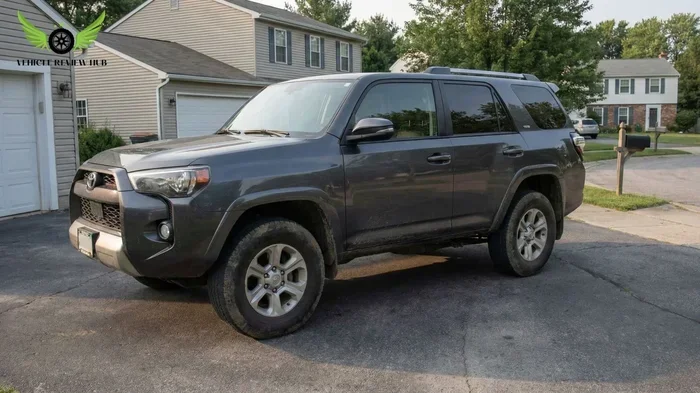
Do 4Runners Hold Value The Surprising Truth Revealed
Do 4Runners Hold Value like almost no other SUV on the road today. The Toyota 4Runner has built a legendary reputation for incredible resale value that surprises even experienced car buyers. In this guide, we reveal the truth behind why the 4Runner keeps its worth, what factors drive its value, and whether buying one is the smartest move for your budget.
If you have been watching the used SUV market lately, you may have noticed something interesting. The Toyota 4Runner just does not lose its value the way most vehicles do. It is almost like this truck has a secret that other brands do not know about. For years, car shoppers have marveled at how well do 4Runners hold value compared to every other option on the lot.
The answer comes down to a mix of reliability, demand, and a design that has stood the test of time. When you buy a 4Runner, you are not just getting a vehicle. You are getting a piece of automotive history that happens to be one of the smartest investments you can make. This guide will walk you through everything you need to know about 4Runner value retention and why this SUV continues to surprise buyers and sellers alike.
Whether you are a first-time buyer or a seasoned truck enthusiast, understanding why the 4Runner holds value gives you an edge. You will learn what makes this truck special, how it compares to competitors, and what you can do to protect your investment. Let us dive into the surprising truth behind the 4Runner’s incredible staying power.
Key Takeaways
- Exceptional Value Retention: The 4Runner consistently ranks among the top SUVs for resale value, often losing less than 30% of its value over five years.
- Toyota Reliability Drives Demand: Buyers trust the 4Runner because of Toyota’s proven track record for durability and low maintenance costs.
- Trim and Generation Matter: Certain trims and model years hold value significantly better than others, making research essential before buying.
- Off-Road Capability Adds Worth: TRD and off-road trim levels command premium prices in the used market due to high demand.
- Simple Designs Last: The 4Runner’s straightforward engineering means fewer costly repairs and longer vehicle life.
- Market Demand Stays Strong: The 4Runner has a loyal fan base that keeps prices stable even during economic downturns.
📑 Table of Contents
Why the 4Runner Is a Legend on the Used Market
The Toyota 4Runner has been around since 1984. That is nearly four decades of proving that it can do what other SUVs cannot. Over the years, it has earned a reputation for being tough, reliable, and endlessly capable. But what really sets it apart is how well it keeps its value on the used 4Runner price market.
The Toyota Reputation Factor
Toyota has built one of the strongest brands in the automotive world. When people think of Toyota SUV reliability, the 4Runner is always near the top of the list. The brand’s reputation for building trucks that last hundreds of thousands of miles creates a ripple effect. Buyers know that a used 4Runner will not let them down, and that confidence drives up demand.
This demand is the engine behind Toyota resale value. When lots of people want a vehicle and trust it will last, the price stays high. The 4Runner benefits from this cycle every single day. Even older model years with high mileage often command prices that surprise sellers and delight owners who are ready to move on.
What Buyers Look For in a Used SUV
When shoppers search for a 4Runner SUV, they are looking for a few key things. First, they want reliability. The 4Runner delivers that in spades. Second, they want off-road capability. The 4Runner is built for trails, rocks, and adventures that would leave other SUVs stranded. Third, they want simplicity. Unlike modern trucks loaded with complex electronics, the 4Runner keeps things straightforward and easy to fix.
These three factors combine to create a vehicle that feels timeless. Buyers do not just see a used truck. They see a tool that will work hard for years. That perception keeps 4Runner market demand strong no matter what is happening in the economy.
Quick Tips for Buyers
- Always check the 4Runner reliability rating from trusted sources like Consumer Reports before buying.
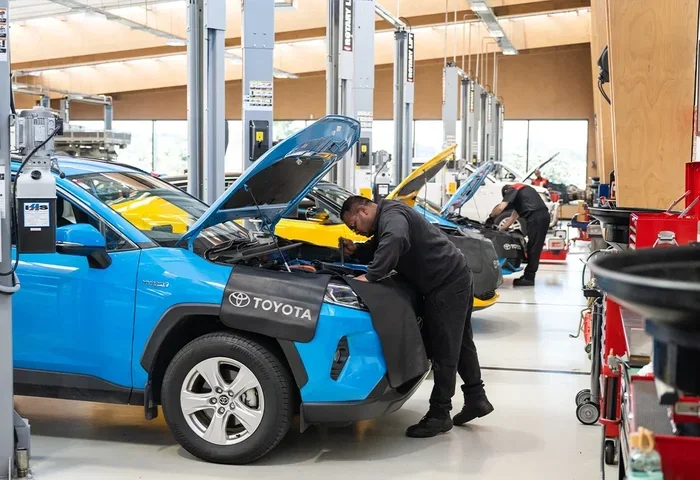
- Look for models with service records that show regular maintenance.
- Prioritize TRD trims if you plan to use the truck off-road.
- Compare used 4Runner price listings across multiple platforms to ensure you are getting a fair deal.
How 4Runner Value Compares to Other SUVs
Numbers tell a powerful story. When you place the 4Runner side by side with its competitors, the difference in 4Runner depreciation becomes clear. Let us take a look at how the 4Runner stacks up against some popular SUVs in the same class.
| SUV Model | 5-Year Depreciation | Avg. Used Price (5 Yr Old) | Reliability Rating |
|---|---|---|---|
| Toyota 4Runner | ~28% | $32,000 – $38,000 | Excellent |
| Jeep Wrangler | ~35% | $26,000 – $32,000 | Good |
| Ford Bronco | ~33% | $28,000 – $34,000 | Good |
| Chevy Tahoe | ~40% | $30,000 – $36,000 | Average |
| Ford Explorer | ~42% | $24,000 – $30,000 | Average |
As you can see, the 4Runner loses value at a slower rate than most competitors. This is a huge advantage for owners. A vehicle that holds its value means less money lost over time and more cash in your pocket when it is time to sell.
Depreciation Rates Explained
Depreciation is the amount of money a vehicle loses each year. Most SUVs lose about 15% to 20% of their value in the first year alone. The 4Runner, however, typically loses closer to 10% to 12% in year one. Over five years, the total 4Runner depreciation is significantly lower than the industry average.
Why does this happen? It comes down to supply and demand. There are always more buyers looking for a used 4Runner than there are available trucks. This creates a seller’s market where prices stay firm. The Toyota truck value story is similar, but the 4Runner’s SUV appeal adds an extra layer of desirability.
Quick Tips for Maximizing Value
- Keep up with regular maintenance. Oil changes, tire rotations, and brake inspections add up to a truck that runs like new.
- Store it indoors when possible. Keeping the 4Runner out of harsh weather preserves the paint and interior.
- Avoid unnecessary modifications. Stock 4Runners are worth more than heavily modified ones in most cases.
- Keep records organized. A full service history gives buyers confidence and supports a higher asking price.
The Role of Trim Levels and Generations
Not all 4Runners are created equal. The trim level and generation you choose plays a big role in how well the truck holds its value. Understanding these differences helps you make a smarter buying decision and protects your investment over time.
Which Trims Hold Value Best
The 4Runner comes in several trim levels, each with its own appeal. The SR5 is the base model and offers solid value for buyers who want the 4Runner experience without spending extra. The TRD Off-Road and TRD Pro trims are where things get interesting. These versions come with upgraded suspension, skid plates, and special styling that buyers love.
In the used market, 4Runner TRD models consistently fetch higher prices than base trims. The TRD Pro, in particular, commands a premium because it represents the top-tier off-road experience Toyota offers. If you are wondering do 4Runners hold value equally across all trims, the answer is no. TRD and off-road editions hold value significantly better.
Here is a quick look at average resale values by trim after five years:
- SR5: Retains about 55% to 60% of original value
- TRD Off-Road: Retains about 60% to 65% of original value
- TRD Pro: Retains about 65% to 70% of original value
Generation Differences That Matter
The 4Runner has gone through several generations, and each one has its own strengths. The fifth generation (2009 to 2023) is widely considered the sweet spot for buyers. It offers a perfect balance of modern features, reliability, and off-road capability. Earlier generations, like the third and fourth gen, still hold value well but may lack some of the comforts modern buyers expect.
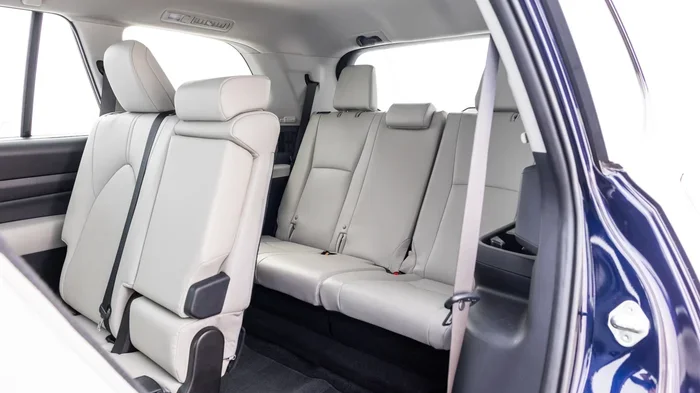
The 4Runner generations story is important because newer models tend to hold value better simply due to updated technology and improved build quality. However, older models from the early 2000s have gained a cult following that keeps their prices surprisingly strong. The 4Runner interior design has also evolved, with newer models offering more durable materials and better ergonomics.
Common Mistakes That Hurt 4Runner Value
There are a few mistakes that can significantly reduce how well your 4Runner holds its value. First, neglecting routine maintenance is the biggest offender. Skipping oil changes or ignoring warning signs leads to costly repairs that buyers will factor into their offer. Second, modifying the truck with aftermarket parts can be a double-edged sword. While some 4Runner aftermarket parts add appeal, many buyers prefer stock vehicles.
Third, ignoring the exterior and interior condition is a common error. Small dents, scratches, and worn upholstery all add up. Buyers notice these details and they affect the price. Finally, selling at the wrong time can cost you money. The best time to sell a 4Runner is typically in the spring and early summer when demand for trucks and SUVs peaks.
Expert Insights on Value Retention
According to automotive analysts, the 4Runner’s value retention is tied to its engineering philosophy. The truck uses a body-on-frame construction that is simple to repair and incredibly durable. The 4Runner V6 engine is proven and widely understood by mechanics, which lowers repair costs. These factors combine to create a vehicle that buyers trust, and trust translates directly into strong resale prices.
Factors That Boost or Reduce 4Runner Value
Several factors influence how much a 4Runner is worth at any given time. Understanding these factors helps you make better buying and selling decisions. Some factors are within your control, while others are driven by the broader market.
Mileage and Condition
Mileage is one of the biggest factors in determining a used 4Runner’s price. Lower mileage almost always means a higher price tag. However, condition matters just as much. A 4Runner with 80,000 miles that has been well maintained will often sell for more than one with 50,000 miles that has been neglected.
The 4Runner reliability rating plays a role here too. Because these trucks are known for lasting well beyond 200,000 miles, buyers are more willing to consider higher-mileage examples. The key is making sure the truck has been cared for properly. Regular fluid changes, tire replacements, and attention to small issues before they become big problems all contribute to a higher value.
Aftermarket Modifications and Their Impact
Modifications are a hot topic in the 4Runner community. Some changes add value, while others reduce it. Lift kits, all-terrain tires, and roof racks tend to appeal to a broad audience and can boost value. On the other hand, aggressive body kits, lowered suspensions, and custom paint jobs often narrow the buyer pool and reduce resale value.
The 4Runner aftermarket parts market is massive, and for good reason. These trucks are built to be customized. But if you are planning to sell in the future, keeping modifications minimal or reversible is usually the smartest move. Buyers want a truck they can customize themselves, and a stock 4Runner gives them that freedom.
Economic and Market Conditions
Broader economic trends also affect 4Runner depreciation rates. During times of supply chain disruption, new vehicle prices rise, which pushes used car prices up as well. The 4Runner benefits from this trend because it is already in high demand. However, economic downturns can temporarily soften demand for luxury features, and the 4Runner’s relatively simple design actually protects it during these periods.
Expert Insights on Market Trends
Industry experts note that the 4Runner cost of ownership is one of the lowest in the SUV class. With proper maintenance, repair costs remain low even as the vehicle ages. The 4Runner fuel economy has improved over the years, and the 4Runner towing capacity of up to 5,000 pounds makes it practical for families and outdoor enthusiasts alike. These practical benefits keep demand steady regardless of economic conditions.
Is a 4Runner Worth the Price of Admission
This is the question every potential buyer asks. Is the 4Runner worth the money, especially when new models carry a premium price tag? The answer depends on what you value in a vehicle and how long you plan to keep it.
New vs Used Considerations
Buying a new 4Runner means paying the full sticker price, which can be $40,000 or more depending on the trim. However, the 4Runner value retention means you will lose less money over time compared to most other new vehicles. If you plan to keep the truck for 5 to 7 years, the depreciation hit is manageable, and you end up with a reliable vehicle that still has plenty of life left.
Buying used is where the 4Runner really shines. A 3-to-5-year-old model offers the best balance of modern features and value. You avoid the steepest part of the depreciation curve, and the truck is still in excellent condition. The used 4Runner price market offers incredible options for buyers who want maximum value without breaking the bank.
Cost of Ownership Breakdown
The 4Runner cost of ownership is surprisingly low for a midsize SUV. Here is a quick breakdown of what owners can expect:
- Fuel Costs: The 4Runner fuel economy averages around 16 to 20 mpg combined, which is average for the class.
- Maintenance: Routine maintenance costs are moderate, and the simple design keeps repair bills manageable.
- Insurance: Insurance rates are reasonable, especially compared to luxury SUVs.
- Depreciation: As we discussed, the 4Runner depreciates at a slower rate than most competitors.
- Resale Value: This is where the 4Runner truly excels. The truck retains value better than almost any SUV on the market.
When you add up these factors, the total cost of owning a 4Runner over 10 years is often lower than owning a vehicle that costs less upfront but depreciates faster. This is the hidden math that makes the 4Runner such a smart purchase.
Quick Tips for First-Time 4Runner Buyers
- Test drive both the SR5 and a TRD trim to see which one fits your needs and budget.
- Check the 4Runner ground clearance if you plan to go off-road or navigate rough terrain.
- Verify the 4Runner towing capacity matches your needs if you plan to haul a trailer.
- Get a pre-purchase inspection from a trusted mechanic before finalizing any used vehicle purchase.
- Research 4Runner generations to find the model year that best fits your lifestyle and budget.
Key Takeaways
- Do 4Runners Hold Value at an exceptional rate, making them one of the best SUVs for long-term ownership.
- Toyota’s reputation for reliability is the foundation of the 4Runner’s incredible resale value.
- TRD and off-road trims command the highest prices in the used market due to strong demand.
- Regular maintenance and careful ownership are the best ways to protect your 4Runner’s value over time.
- Buying used offers the best balance of features, value, and depreciation savings.
- The 4Runner’s simple design means lower repair costs and fewer expensive surprises down the road.
Conclusion
The answer to the question do 4Runners hold value is clear and supported by years of data. The Toyota 4Runner stands as one of the strongest value-retention vehicles in the entire SUV market. Its combination of reliability, capability, simplicity, and brand trust creates a vehicle that buyers want and are willing to pay top dollar for, even years after the initial purchase.
If you are considering a 4Runner, whether new or used, you are making a smart decision. This truck offers something rare in today’s automotive landscape: a vehicle that holds its worth while delivering real-world performance every single day. The 4Runner resale value story is not a coincidence. It is the result of thoughtful engineering, a loyal customer base, and a design that refuses to go out of style.
So the next time someone asks you why do 4Runners hold value so well, you will have the answer. It is not magic. It is the result of decades of building a truck that people trust, love, and refuse to replace. The 4Runner is not just a vehicle. It is an investment that keeps paying you back every time you turn the key and hit the road.
Take what you have learned from this guide and apply it to your next vehicle decision. Whether you are buying your first 4Runner or your fifth, understanding 4Runner value retention puts you ahead of the curve. The surprising truth is simple: the 4Runner holds value because it was built to last, and the market has proven that time and time again.
Frequently Asked Questions
Why do 4Runners hold their value so well?
The 4Runner holds its value because of Toyota’s legendary reliability, strong market demand, and a design that has remained popular for decades. Buyers trust the 4Runner to last, which creates consistent demand in the used market and keeps prices high.
What is the average depreciation rate for a 4Runner?
The 4Runner typically depreciates about 10% to 12% in the first year and around 28% over five years. This is significantly lower than the average SUV, which depreciates closer to 35% to 40% over the same period.
Which 4Runner trim holds the best value?
The TRD Pro and TRD Off-Road trims hold the best value because they are the most sought after in the used market. The SR5 base model also holds value well, but TRD editions command a premium due to their enhanced off-road capabilities and desirability.
Is it better to buy a new or used 4Runner for value?
Buying a used 4Runner that is 3 to 5 years old typically offers the best value. You avoid the steepest depreciation, get a well-proven vehicle, and pay significantly less than the original retail price while still getting a truck with plenty of life left.
How does the 4Runner compare to the Jeep Wrangler in resale value?
The 4Runner generally holds its value better than the Jeep Wrangler over a five-year period. While both trucks have strong resale numbers, the 4Runner’s reputation for reliability and lower maintenance costs gives it an edge in the used market.
What can I do to maximize my 4Runner’s resale value?
Keep up with regular maintenance, store the truck in a garage when possible, avoid excessive modifications, and keep detailed service records. These simple steps protect the truck’s condition and give buyers confidence, leading to a higher resale price.