Why the 2017 Toyota Corolla Disappoints Buyers and Owners
The 2017 Toyota Corolla is a popular sedan, but it has real downsides that buyers should know about. Owners often complain about the cheap interior materials, weak engine performance, and outdated technology. Fuel economy is decent, but it falls behind rivals in key areas. If you are considering this car, understanding its flaws is essential before you buy.
Key Takeaways
- Interior Quality Falls Short: The cabin uses hard plastics and lacks modern design flair.
- Engine Performance Is Underwhelming: The base engine feels sluggish for daily driving.
- Transmission Issues Exist: Some owners report jerky shifts and slow response times.
- Technology Is Outdated: The infotainment system lags behind competitors in 2017.
- Ride Comfort Has Limits: Road noise and a firm suspension reduce enjoyment.
- Depreciation Hurts Long-Term Value: The 2017 Toyota Corolla loses value faster than expected.
- Safety Features Are Basic: Missing advanced driver aids compared to newer models.
📑 Table of Contents
- Why the 2017 Toyota Corolla Disappoints Buyers and Owners
- Interior and Cabin Quality Issues
- Engine and Performance Downsides
- Transmission and Drivetrain Problems
- Safety and Technology Limitations
- Ride Comfort and Noise Issues
- Resale Value and Depreciation Concerns
- Exterior Design That Shows Its Age
- Cargo Space and Practicality Shortcomings
- Common Mistakes Buyers Make With the 2017 Toyota Corolla
- Expert Insights on the 2017 Toyota Corolla
- Quick Tips for Current 2017 Toyota Corolla Owners
- Conclusion
Why the 2017 Toyota Corolla Disappoints Buyers and Owners
The 2017 Toyota Corolla has been a staple in the compact sedan segment for decades. Toyota built a reputation for reliability, and this model carried that promise forward. However, the 2017 version comes with a list of complaints that prospective buyers should seriously consider. Many owners expected more from a car in this price range, and the letdown is real.
When you compare the 2017 Toyota Corolla to its rivals like the Honda Civic and Mazda3, the gaps become obvious. The interior feels dated. The engine lacks excitement. And the technology feels several years behind. This article breaks down every major downside so you can make a smart buying decision. No brand loyalty should stop you from seeing the full picture.
Let us be honest about what this car does poorly. The 2017 Toyota Corolla is not a bad car by any means. It still gets decent fuel economy and Toyota reliability. But the cons are significant enough that they deserve serious attention. Whether you are buying used or considering a new purchase, knowing these weaknesses helps you negotiate better and set realistic expectations.
Interior and Cabin Quality Issues
The first thing you notice when you sit inside the 2017 Toyota Corolla is the cabin materials. Toyota used a lot of hard plastics throughout the dashboard and door panels. This is not unusual for the compact car segment, but the 2017 model feels especially cheap. The surfaces feel rough to the touch, and they do not age well. Scratches and discoloration appear faster than you would expect.
Plastic Interior That Feels Budget
The dashboard on the 2017 Toyota Corolla is dominated by hard, unpadded surfaces. Even higher trims do not offer much improvement. Compare this to the Honda Civic, which uses softer materials and more thoughtful design. The difference is immediately apparent. Owners consistently mention that the cabin does not match the price tag.
- Hard plastic dominates the dashboard and center console
- Seat upholstery feels thin and wears quickly
- Door panels rattle on rough roads
- Chrome accents feel more like stickers than real metal
- No soft-touch surfaces on the steering wheel in base models
Lack of Modern Design and Technology
The interior design of the 2017 Toyota Corolla looks like it belongs to a car from 2014. The layout is functional but uninspired. Button placement feels outdated, and the overall aesthetic does not impress. In 2017, competitors like the Hyundai Elantra offered far more modern cabin designs. The 2017 Toyota Corolla simply looks and feels behind the times.
The infotainment screen is small and slow. The Toyota Entune system takes forever to load. Bluetooth connectivity works, but the audio quality is mediocre. Navigation is not standard on most trims, and when it is available, it is clunky. If you value a modern, connected cabin, this car will frustrate you.
Engine and Performance Downsides
Under the hood, the 2017 Toyota Corolla uses a 1.8-liter four-cylinder engine. It produces 132 horsepower, which sounds fine on paper. But in real-world driving, the engine feels underpowered. You will notice the lack of power when merging onto highways or climbing hills. The car feels sluggish, especially when fully loaded with passengers or cargo.
The 1.8-Liter Engine Feels Weak
The base engine in the 2017 Toyota Corolla is adequate for cruising at highway speeds. But anything beyond that becomes a struggle. The engine has to work hard to maintain speed on inclines. Acceleration from a stop is uninspiring. The 0 to 60 mph time hovers around 10 seconds, which is slow by compact sedan standards.
Toyota did not offer a turbocharged engine option with the 2017 model. This was a missed opportunity. Rivals like the Ford Focus and Volkswagen Golf offered turbocharged engines that delivered much better performance. The 2017 Toyota Corolla feels like it is holding back, especially for drivers who enjoy a bit of pep behind the wheel.
Fuel Economy Is Decent but Not Class-Leading
One area where the 2017 Toyota Corolla does not disappoint is fuel economy. The EPA-rated 28 mpg in the city and 39 mpg on the highway are respectable numbers. But they are not class-leading. The Honda Civic and Hyundai Elantra offer similar or better numbers. So while the gas mileage is fine, it does not give the Corolla a competitive edge.
Real-world fuel economy depends heavily on driving habits. Aggressive drivers will see lower numbers. Gentle commuters will get closer to the EPA ratings. Overall, the fuel economy is a positive but not a standout feature for the 2017 model year.
Transmission and Drivetrain Problems
The 2017 Toyota Corolla comes with a Continuously Variable Transmission, or CVT. This type of transmission is common in compact cars because it helps improve fuel economy. However, CVTs have their own set of issues. Many owners of the 2017 Corolla report problems with the transmission that affect the driving experience.
CVT Issues and Jerky Shifting
The CVT in the 2017 Toyota Corolla can feel jerky during acceleration. The transmission struggles to find the right gear ratio, leading to a rubber-band effect. This means the engine revs high, but the car does not accelerate smoothly. It creates a confusing and unpleasant driving sensation.
Some owners have reported premature wear in the CVT. This can lead to expensive repairs down the road. The transmission problems with the 2017 Corolla are well-documented in owner forums. If you are buying a used 2017 model, have the transmission inspected carefully. A failing CVT can cost over $3,000 to replace.
The Lack of a Manual Transmission Option
Toyota dropped the manual transmission from the 2017 Corolla lineup. This decision upset driving enthusiasts who wanted more control. The absence of a manual gearbox limits the car’s appeal to a certain type of buyer. If you enjoy shifting gears yourself, the 2017 Toyota Corolla simply cannot satisfy that desire.
Other manufacturers still offered manual options in 2017 compact sedans. The Mazda3 and Honda Civic both had manual transmissions available. Toyota’s decision to eliminate this option narrows the appeal of the car. It also removes a potential maintenance advantage, since manual transmissions are generally cheaper to service.
Safety and Technology Limitations
Safety is a major factor for most car buyers. The 2017 Toyota Corolla comes with Toyota Safety Sense as an available package, but it is not standard on all trims. This means lower-trim buyers miss out on important safety features that competitors include as standard equipment.
Missing Standard Safety Features
The base trims of the 2017 Toyota Corolla do not include automatic emergency braking or lane departure warning. These features are becoming standard across the compact car segment. When a rival like the Hyundai Elantra offers them on every trim, it is hard to justify paying extra for the Corolla.
- Automatic emergency braking is optional, not standard
- Lane departure warning requires the Premium trim
- Blind spot monitoring is not available on lower trims
- Rear cross-traffic alert is limited to higher trims
- No adaptive cruise control on base models
The Toyota Safety Sense Package Falls Short
When the Toyota Safety Sense package is available, it includes a pre-collision system, lane departure alert, and automatic high beams. These are useful features, but they are basic compared to what competitors offer. The 2017 model year predates the more advanced driver assistance systems that became common in later years.
The 2017 Toyota Corolla does not offer pedestrian detection or intersection assistance. These features are now standard on many 2020 and newer models. If safety is your top priority, the 2017 model year feels dated. You are paying for Toyota reliability but missing out on cutting-edge safety technology.
Ride Comfort and Noise Issues
Driving the 2017 Toyota Corolla on a daily basis reveals another set of complaints. The ride quality is firm, and road noise is noticeable. These issues may not bother some buyers, but they are consistent complaints among owners. The car feels isolated from the road in a way that reduces driving enjoyment.
Road Noise and Cabin Sound
Wind noise and tire roar enter the cabin at highway speeds. The 2017 Toyota Corolla does not do a great job of insulating the interior from exterior sounds. This is especially apparent on the highway, where the engine noise also becomes more prominent. Long road trips can become tiring because of the constant cabin noise.
Competitors like the Mazda3 and Kia Forte offer quieter cabins. The difference is easy to hear and feel. Toyota’s focus on cost savings shows in the acoustic insulation of the 2017 Corolla. If you value a quiet, peaceful driving environment, this car will not deliver.
Firm Suspension Affects Comfort
The suspension on the 2017 Toyota Corolla is tuned for fuel efficiency rather than comfort. This means the ride is firm, especially over bumps and potholes. The car does not absorb road imperfections well. Passengers in the back seat feel every bump, which makes it a less comfortable option for families.
The suspension system uses MacPherson struts in the front and a twisted beam rear setup. This is a cost-effective design, but it does not deliver a smooth ride. Drivers who regularly travel on rough roads will feel the impact. The firm suspension also contributes to the car’s handling, which is adequate but not engaging.
Resale Value and Depreciation Concerns
One of the biggest surprises for 2017 Toyota Corolla owners is the depreciation rate. Toyota cars typically hold their value well, but the 2017 Corolla depreciates faster than expected. This is partly because the model faced strong competition from newer designs that offered more features at similar prices.
Depreciation Rate Compared to Rivals
The 2017 Toyota Corolla loses about 45 to 50 percent of its value in the first five years. This is higher than the Honda Civic, which holds value slightly better. The Mazda3 also depreciates at a slower rate. When you factor in the resale value, the Corolla becomes a less attractive long-term investment.
Buyers who plan to keep the car for a long time may not care about depreciation. But those who like to trade in or sell every few years will feel the sting. The resale value of the 2017 Corolla is not competitive in the used car market. You will get less money back than you would with many rivals.
Maintenance Costs Add Up Over Time
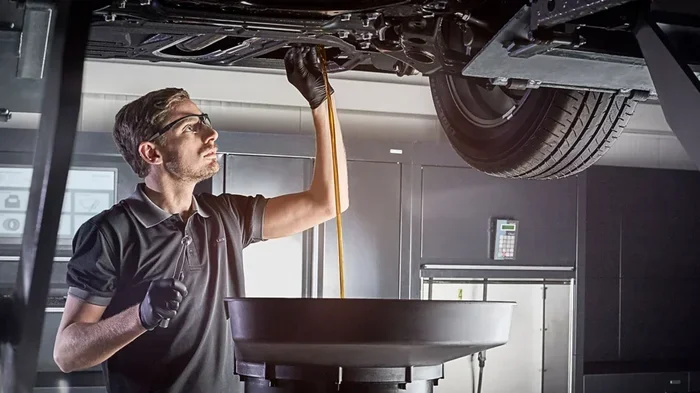
While Toyota reliability is generally excellent, the 2017 Toyota Corolla is not immune to maintenance costs. The CVT transmission requires regular fluid changes, and if it fails, the repair bill is steep. Other common issues include brake wear, suspension components, and electrical gremlins that appear as the car ages.
Owners should budget for regular maintenance just like any other vehicle. The maintenance costs are not extreme, but they are not negligible either. Toyota parts are widely available, which helps keep repair costs reasonable. However, the cost of ownership adds up, especially if you keep the car beyond 100,000 miles.
Exterior Design That Shows Its Age
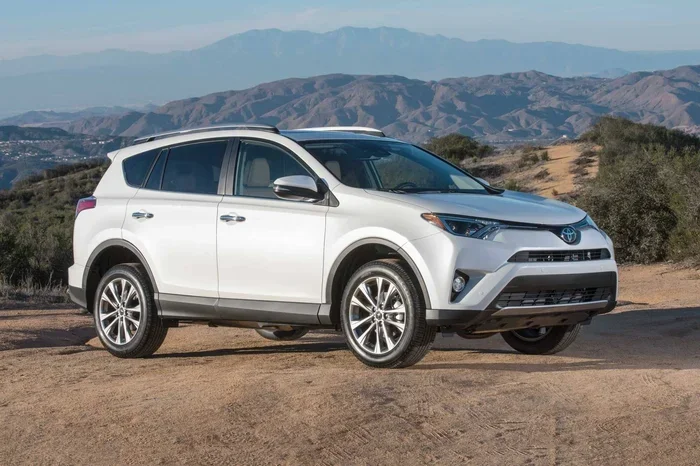
The exterior of the 2017 Toyota Corolla follows Toyota’s conservative design language. The shape is aerodynamic and efficient, but it lacks personality. From the front fascia to the rear taillights, the car looks like every other compact sedan on the road. There is nothing distinctive about the 2017 Corolla’s appearance.
The headlights are smaller and less expressive than those on rival models. The grille design is understated to the point of being forgettable. Even the available alloy wheels look generic. When you park the 2017 Toyota Corolla next to a 2017 Honda Civic or Mazda3, the difference in visual appeal is obvious. The Corolla simply does not turn heads.
Color options are limited and some of the darker shades show dirt and scratches easily. The body panels are thin, and owners report minor dents forming from everyday parking lot encounters. The exterior design is functional but uninspiring, which is a shame for a car that spends so much time on the road.
Cargo Space and Practicality Shortcomings
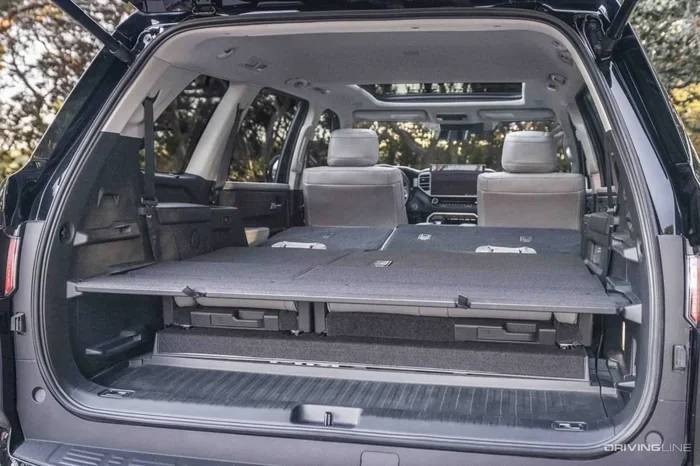
The trunk of the 2017 Toyota Corolla holds 13 cubic feet of cargo. This is below average for the compact sedan class. The Honda Civic offers 15.1 cubic feet, and the Mazda3 provides 13.2 cubic feet with a more usable shape. The Corolla’s trunk is deep but narrow, making it difficult to fit larger items.
The rear seats fold down, but the resulting floor is not completely flat. This limits the usefulness of the cargo area for bulky items. Grocery bags, luggage, and sports equipment all fit, but with some compromise. The cargo space is adequate for daily commuting but falls short for road trips or moving needs.
Rear passenger space is also tight. Legroom is acceptable but not generous. Taller passengers may find the headroom limiting. The 2017 Toyota Corolla is best suited for singles, couples, or small families who do not need a lot of cargo or passenger room. For larger households, competitors offer more interior volume.
Common Mistakes Buyers Make With the 2017 Toyota Corolla
Many buyers make avoidable mistakes when purchasing the 2017 Toyota Corolla. Understanding these pitfalls can save you time, money, and frustration. Here are the most common errors to watch out for.
- Ignoring the CVT concerns: Many buyers skip a transmission inspection, leading to costly repairs later.
- Overlooking interior quality: The cheap materials are a shock if you have only seen photos online.
- Not test-driving against rivals: The Corolla feels ordinary compared to the Civic, Mazda3, and Elantra.
- Buying the base trim without checking features: The base model lacks important safety and convenience features.
- Underestimating depreciation: Buyers assume Toyota resale value applies equally to all model years.
- Skipping a pre-purchase inspection: Even reliable cars need a thorough check before purchase.
Avoiding these mistakes will help you get more value from the 2017 Toyota Corolla. Do your homework, compare it directly with competitors, and never skip a professional inspection. These simple steps protect your investment and reduce buyer’s remorse.
Expert Insights on the 2017 Toyota Corolla
Automotive experts have mixed opinions about the 2017 Toyota Corolla. Most agree that it is a solid, reliable commuter car. But the consensus is that it has not kept pace with the competition. The interior quality, technology, and driving dynamics all lag behind rivals in the same price range.
Experts recommend the 2017 Toyota Corolla only for buyers who prioritize reliability above all else. If you want a no-nonsense daily driver that will start every morning, the Corolla delivers. But if you care about driving enjoyment, cabin refinement, or modern technology, you should look elsewhere. The car fills a specific niche, and buyers should go in with clear expectations.
The 2017 model year was a transitional period for Toyota. The company was preparing for a major redesign that arrived in 2019 and 2020. The 2017 Toyota Corolla represents the last of the old generation. It has strengths, but the weaknesses are real and well-documented. Experts advise buyers to consider the 2019 or newer models if possible, as they address many of the 2017 model’s shortcomings.
Quick Tips for Current 2017 Toyota Corolla Owners
If you already own a 2017 Toyota Corolla, there are steps you can take to maximize your ownership experience. These tips address the common complaints and help you get the most out of your vehicle.
- Change the CVT fluid regularly: Follow the maintenance schedule to prevent transmission issues.
- Add sound deadening material: This reduces road noise and improves cabin comfort significantly.
- Upgrade the infotainment system: Aftermarket head units offer better connectivity and faster performance.
- Use seat covers and floor mats: These protect the thin upholstery and keep the interior looking better.
- Stay on top of brake maintenance: The Corolla’s brakes wear faster than some competitors, so check them regularly.
- Consider aftermarket suspension upgrades: Better shocks and struts improve ride comfort noticeably.
These simple upgrades and maintenance habits can address many of the 2017 Toyota Corolla weaknesses. You cannot fix the fundamental design choices, but you can make the car more enjoyable to own. Small investments in upgrades pay off in long-term satisfaction and resale value.
Conclusion
The 2017 Toyota Corolla is a reliable and affordable compact sedan. It has its strengths, particularly in fuel economy and long-term durability. But the cons are too significant to ignore. The interior quality feels outdated, the engine lacks power, and the technology is behind the competition. The 2017 Toyota Corolla disappoints buyers who expect a refined, modern driving experience.
If you are shopping for a used compact sedan, the 2017 Toyota Corolla deserves a look, but only after you have compared it with rivals. The Honda Civic, Mazda3, Hyundai Elantra, and Kia Forte all offer more in terms of features, driving dynamics, and cabin quality. The Corolla’s reliability is a strong selling point, but it alone does not justify the purchase when better alternatives exist at similar prices.
Understanding the 2017 Toyota Corolla cons helps you make a confident buying decision. No car is perfect, and the Corolla has its loyal fans. But awareness of its shortcomings ensures you are not blindsided after the purchase. Know what you are getting into, negotiate accordingly, and you can find a solid deal on this popular sedan.
The bottom line is this: the 2017 Toyota Corolla is a competent car with notable flaws. It works well as a basic transportation tool. But for buyers seeking a more refined, engaging, or feature-rich experience, the 2017 model year falls short. Consider your priorities carefully before you commit to this purchase.
Frequently Asked Questions
What are the most common problems with the 2017 Toyota Corolla?
The most common issues reported by owners include CVT transmission jerking, excessive road noise, cheap interior materials, and outdated technology. Some owners also experience brake wear and minor electrical issues. Regular maintenance helps prevent many of these problems, but they are frequent enough to be a real concern for buyers.
Is the 2017 Toyota Corolla reliable despite its cons?
Yes, the 2017 Toyota Corolla remains a reliable car overall. Toyota’s reputation for durability holds up with this model. The engine and transmission are generally long-lasting if properly maintained. However, the CVT transmission is a known weak point that requires attention. Reliability does not mean the car is free of problems, but major failures are uncommon.
How does the 2017 Toyota Corolla compare to the Honda Civic?
The Honda Civic offers a more refined interior, better driving dynamics, and more modern technology. The Civic also holds its value slightly better than the Corolla. The 2017 Toyota Corolla has the advantage in fuel economy and lower maintenance costs. But overall, the Civic is considered the stronger choice by most automotive experts.
Should I buy a used 2017 Toyota Corolla?
A used 2017 Toyota Corolla can be a good value if you find one with a clean maintenance history. Have the CVT transmission inspected before purchasing. Check for interior wear, electrical issues, and brake condition. If the car has been well-maintained, it can serve you reliably for years to come.
Does the 2017 Toyota Corolla have good fuel economy?
Yes, the 2017 Toyota Corolla delivers respectable fuel economy with 28 mpg in the city and 39 mpg on the highway. These numbers are competitive but not class-leading. Real-world fuel economy depends on driving habits, road conditions, and whether the car is properly maintained. Gentle drivers will see the best results.
What trim levels are available for the 2017 Toyota Corolla?
The 2017 Corolla was offered in L, LE, LE Eco, S, and SE trims. The base L trim is very basic and lacks many features. The LE and LE Eco trims offer better value. The S and SE trims add sporty styling but still have the same underpowered engine. Higher trims include more safety features, but they come at a higher price point.
=== CONCLUSION ===
The 2017 Toyota Corolla is a car with clear strengths and equally clear weaknesses. Buyers who understand both sides can make a smarter purchase. The interior quality, engine performance, transmission behavior, and technology all need improvement. At the same time, the reliability and fuel economy remain solid advantages. Weigh the pros and cons carefully, compare with competitors, and choose the car that best fits your needs and budget.