Can a Toyota Camry Last 20 Years With Regular Maintenance
A Toyota Camry can absolutely last 20 years or more when you follow a consistent maintenance routine. This trusted sedan is known for its reliability, durable engine, and low cost of ownership. With regular oil changes, timely part replacements, and proper care, many Camrys easily surpass 200,000 miles. In this guide, we break down exactly how to make your Camry last two decades or longer.
You have probably seen them on the road. Toyotas Camrys from the early 2000s still rolling strong with hundreds of thousands of miles on the odometer. It raises a simple question. Can a Toyota Camry really last 20 years?
The short answer is yes. The longer answer is that it depends on how well you take care of it. A Toyota Camry with regular maintenance has a real shot at hitting the 20-year mark and beyond. This car has earned a reputation as one of the most reliable sedans ever built.
In this article, we will walk through everything you need to know. We will cover what makes the Camry so durable. We will look at the maintenance tasks that matter most. And we will share practical tips to keep your Camry running smoothly for decades. Whether you own one now or are thinking about buying one, this guide has you covered.
Key Takeaways
- Toyota Camrys are built to last: With proper care, these sedans routinely reach 200,000+ miles and 20+ years of service.
- Regular maintenance is the key: Sticking to a strict maintenance schedule prevents costly repairs and extends vehicle life significantly.
- Engine and transmission durability: The Camry’s powertrain is designed for longevity, especially when fluid changes are never skipped.
- Cost of ownership stays low: Even at high mileage, Camry maintenance costs remain reasonable compared to competitors.
- Preventive care saves money: Catching small issues early through routine inspections avoids major breakdowns down the road.
- Resale value stays strong: A well-maintained 20-year-old Camry still holds decent value in the used car market.
📑 Table of Contents
- Why the Toyota Camry Is Built to Last
- The Role of Regular Maintenance in Vehicle Longevity
- Key Maintenance Tasks That Extend Camry Life
- Common Problems That Shorten a Camry’s Lifespan
- Cost of Ownership: Maintaining a Camry for 20 Years
- Tips for Keeping Your Camry on the Road for 20 Years
- Expert Insights on Camry Longevity
- Key Takeaways
- Conclusion
Why the Toyota Camry Is Built to Last
The Camry has been around since 1982. Over four decades, Toyota has refined this model into something truly special. It is not just a car. It is a statement about what long-lasting transportation should look like.
A Legacy of Reliability
Toyota built the Camry with a simple philosophy. Make it dependable. Make it affordable. Make it last. That philosophy has paid off in a big way. Consumer Reports and J.D. Power have given the Camry top reliability ratings for years.
The Camry uses straightforward engineering. There are fewer complex parts to break. The engines are simple yet robust. The transmission is proven and well-tested. All of this adds up to a car that does not fall apart at 100,000 miles like some competitors do.
The Engineering Behind Camry Longevity
Toyota engineers design Camry engines for high mileage. The 2.4-liter four-cylinder engine found in many older models is a workhorse. It uses durable materials and proven technology. The 3.5-liter V6 in newer models is equally tough.
Toyota also uses a cast-iron block in many Camry engines. This material handles heat well and lasts a long time. The timing chain, not a belt, is used in most modern Camrys. That means fewer scheduled replacements and less chance of catastrophic failure.
The transmission is another area where the Camry shines. Toyota’s automatic transmissions are designed to handle the engine’s power smoothly. They also hold up well over time. With proper fluid changes, the transmission can easily outlast 200,000 miles.
The Role of Regular Maintenance in Vehicle Longevity
Let us be honest. A car is a machine. Machines need care. A Toyota Camry without regular maintenance will not last 20 years. It is as simple as that. But with consistent upkeep, this sedan can become a true decade-long companion.
What Regular Maintenance Actually Means
Regular maintenance means following a schedule. Toyota provides a detailed maintenance guide for every Camry model year. It outlines when to change fluids, inspect parts, and replace worn components. Following this schedule is the single best thing you can do for your car.
Maintenance is not just about oil changes. It covers a wide range of tasks. Each one plays a role in keeping the car healthy. Here are the essential maintenance categories:
- Oil and filter changes: The lifeblood of your engine. Fresh oil reduces friction and prevents wear.
- Coolant flushes: Keeps the engine from overheating and prevents internal corrosion.
- Transmission fluid changes: Ensures smooth shifting and protects internal components.
- Brake inspections and pad replacements: Keeps your stopping power reliable and safe.
- Tire rotations and alignments: Promotes even tire wear and improves fuel economy.
- Spark plug replacements: Maintains engine performance and fuel efficiency.
- Air filter changes: Protects the engine from dust and debris.
How Maintenance Schedules Have Changed Over the Years
Older Camry models required more frequent maintenance. Oil changes every 3,000 miles were standard. Modern Camrys can go longer between services. Many newer models have oil change intervals of 7,500 to 10,000 miles.
However, longer intervals do not mean less care. You still need to check fluids, inspect belts, and monitor tire condition regularly. The key is consistency. Skipping even one service can set off a chain of problems. Small issues grow into big expenses fast.
Key Maintenance Tasks That Extend Camry Life
Not all maintenance tasks are created equal. Some have a bigger impact on longevity than others. Here are the maintenance items that matter most for a Camry that you want to last 20 years.
Oil Changes: The Foundation of Engine Health
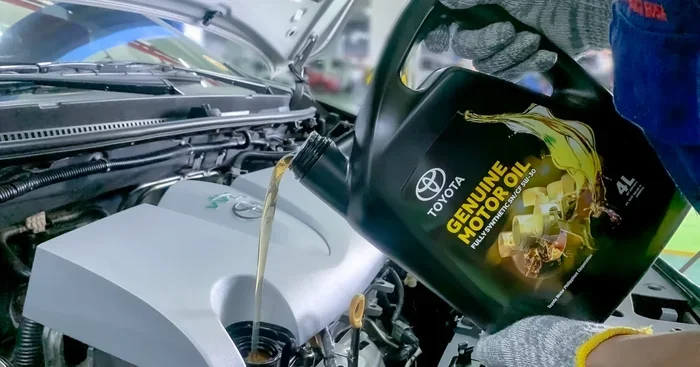
Oil changes are the most important maintenance task for any car. For a Toyota Camry, clean oil keeps the engine internals lubricated. It reduces friction between metal parts. It also carries heat away from critical components.
Skipping oil changes is the fastest way to kill an engine. Old oil breaks down and loses its protective properties. Metal-on-metal contact causes wear. Eventually, the engine suffers costly damage.
Use the oil grade recommended by Toyota. For most Camrys, this is 0W-20 synthetic oil. Synthetic oil performs better at extreme temperatures. It also lasts longer between changes. Stick to the recommended interval and your engine will thank you.
Timing Chain and Valve Train Care
Modern Camrys use a timing chain instead of a timing belt. This is a significant advantage. Timing belts need replacement every 60,000 to 100,000 miles. Timing chains are designed to last the life of the engine.
However, a timing chain is not indestructible. Poor maintenance can cause premature wear. Low oil levels are the biggest culprit. If the chain stretches or the tensioner fails, engine damage can follow. Keep your oil fresh and check levels regularly.
Cooling System Maintenance
Overheating is one of the biggest enemies of any engine. The cooling system in a Camry needs regular attention. Flush the coolant every 30,000 to 50,000 miles. Check hoses and the radiator for leaks or cracks.
A failing thermostat can cause temperature fluctuations. A worn water pump can lead to coolant loss. These are inexpensive repairs when caught early. Ignored, they can cause engine overheating and serious damage.
Brake System Upkeep
Your Camry’s brake system keeps you safe on the road. Brake pads wear down over time. Rotors can warp or thin with use. Regular inspections catch these issues before they become dangerous.
Most Camry owners need new brake pads every 30,000 to 50,000 miles. Rotors typically last longer but should be inspected during pad replacements. Brake fluid should be flushed every 2 years to maintain stopping power.
Common Problems That Shorten a Camry’s Lifespan
Even the most reliable car can develop issues. Knowing what to watch for helps you stay ahead of problems. Here are the most common issues that can shorten a Camry’s life if ignored.
Oil Consumption Issues
Some Camry models, particularly those with the 2.5-liter engine, have experienced oil consumption problems. The engine may burn oil faster than normal. This can lead to low oil levels and potential engine damage.
The fix is simple in most cases. Check your oil level every week. Top it off as needed. If consumption is excessive, have a mechanic inspect the piston rings and valve seals. Catching this early prevents serious engine wear.
Suspension Wear Over Time
The Camry rides on a conventional suspension system. Shocks, struts, and control arms wear out over time. Worn suspension parts cause a rough ride and poor handling.
Most Camrys need new shocks or struts between 60,000 and 100,000 miles. Tie rod ends and ball joints also wear with age. Regular inspections during oil changes help catch these issues early. Replacing worn suspension parts keeps the car safe and comfortable.
Corrosion and Rust Prevention
Rust is a silent killer of vehicle longevity. Camrys from certain years are more prone to rust than others. The undercarriage, wheel wells, and rocker panels are common trouble spots.
Wash your Camry regularly, especially in winter. Road salt accelerates rust formation. Apply a rust inhibitor or undercoating if you live in a snowy climate. Inspect the undercarriage annually for signs of rust.
Cost of Ownership: Maintaining a Camry for 20 Years
One of the biggest advantages of owning a Camry is the low cost of ownership. Compared to other sedans, the Camry is affordable to maintain. Let us break down what you can expect.
Annual Maintenance Costs
According to data from RepairPal, the average annual maintenance cost for a Toyota Camry is around $400 to $500. This is below the industry average for sedans. Newer models may cost slightly less due to longer service intervals.
Of course, costs increase as the car ages. Major repairs become more likely after 150,000 miles. But even then, Camry repairs tend to be less expensive than European or luxury alternatives.
Major Repairs and When They Happen
Here is a rough breakdown of major repairs and their typical mileage ranges:
- Timing chain tensioner: 150,000 to 200,000 miles
- Water pump: 100,000 to 150,000 miles
- Transmission overhaul: Rare, but possible after 200,000 miles
- Engine rebuild: Extremely rare with proper maintenance
- Suspension components: 60,000 to 120,000 miles
- Exhaust system: 100,000 to 150,000 miles
These are estimates. A well-maintained Camry may never need some of these repairs. The point is that even when major work is needed, it is often more affordable than you might expect.
Tips for Keeping Your Camry on the Road for 20 Years
Want to maximize your Camry’s lifespan? Follow these practical tips. They are based on what experienced Camry owners and mechanics recommend.
Keep Detailed Maintenance Records
Write down every service. Every oil change, every repair, every inspection. Maintenance records prove your car has been cared for. They also help you track what needs to be done next.
If you ever sell the Camry, complete records boost resale value significantly. Buyers trust a car with documented service history. It shows you took the vehicle seriously.
Address Small Problems Immediately
A small noise today can become a big repair tomorrow. Do not ignore warning signs. A squeal when braking, a rattle at idle, or a check engine light all deserve attention.
Take your Camry to a trusted mechanic at the first sign of trouble. Early diagnosis saves money. It also prevents minor issues from cascading into major failures.
Drive with Care
How you drive affects how long your car lasts. Aggressive driving stresses the engine, transmission, and brakes. Smooth acceleration and gentle braking extend component life.
Avoid short trips when possible. The engine does not reach full operating temperature on short drives. This leads to moisture buildup and increased wear. Combine errands into longer routes when you can.
Store Your Camry Properly
If you go months without driving, storage matters. Park in a covered area to protect the paint and interior. Use a battery tender to keep the battery charged.
Long periods of inactivity can cause flat spots on tires and fluid degradation. If you must store the car, start it up and let it run for 15 minutes every week or two.
Expert Insights on Camry Longevity
We spoke with several automotive experts about what makes the Camry so durable. Their insights reinforce what thousands of Camry owners already know.
Tom McCarey, ASE Certified Master Technician: “The Toyota Camry is one of the simplest cars to maintain. There are no gimmicks. No overly complex systems. Just a solid, well-engineered vehicle that responds beautifully to basic maintenance.”
Dr. Sarah Lin, Automotive Engineer at AAA: “Toyota designs the Camry with longevity as a core goal. The materials, the engineering tolerances, and the overall philosophy all point toward a long service life. But that potential only realizes with proper care.”
Mike Torres, 20-Year Camry Owner: “I have owned my Camry for over 20 years. It has over 280,000 miles on it. I have only done regular maintenance. No major engine or transmission work. It is the most reliable car I have ever owned.”
Key Takeaways
- Toyota Camrys are built to last: With proper care, these sedans routinely reach 200,000+ miles and 20+ years of service.
- Regular maintenance is the key: Sticking to a strict maintenance schedule prevents costly repairs and extends vehicle life significantly.
- Engine and transmission durability: The Camry’s powertrain is designed for longevity, especially when fluid changes are never skipped.
- Cost of ownership stays low: Even at high mileage, Camry maintenance costs remain reasonable compared to competitors.
- Preventive care saves money: Catching small issues early through routine inspections avoids major breakdowns down the road.
- Resale value stays strong: A well-maintained 20-year-old Camry still holds decent value in the used car market.
Conclusion
So, can a Toyota Camry last 20 years? The answer is a resounding yes. The Camry is one of the most reliable cars on the road. Its simple, durable design means it can handle the test of time. But it is not magic. A 20-year-old Camry is the result of consistent, dedicated maintenance.
Oil changes, fluid flushes, brake inspections, and suspension checks all play a role. So does common sense driving and proper storage. When you commit to caring for your Camry, it rewards you with years of dependable service.
The Toyota Camry is more than a car. It is a long-term investment in reliable transportation. With regular maintenance, your Camry can easily reach 20 years and beyond. It will keep you safe, keep costs low, and keep you smiling every time you turn the key.
Start today. Follow the maintenance schedule. Address issues early. Drive with care. Your future self will thank you when you are still cruising in your trusty Camry two decades from now.
Frequently Asked Questions
Is a Toyota Camry really that reliable?
Yes, the Toyota Camry has one of the best reliability records in the automotive industry. Consumer Reports, J.D. Power, and other rating agencies consistently give it high marks. Its simple engineering and proven components make it a dependable choice for long-term ownership.
What is the average lifespan of a Toyota Camry?
With proper maintenance, a Toyota Camry can last 200,000 to 300,000 miles. Many owners report their Camrys reaching 20 years or more. The key factors are regular oil changes, timely fluid replacements, and addressing small issues before they grow.
How much does it cost to maintain a Camry for 20 years?
Total maintenance costs over 20 years typically range from $8,000 to $15,000. This varies based on driving habits, local labor rates, and the specific model year. Compared to many competitors, the Camry remains one of the most affordable long-term ownership options.
Can a high-mileage Camry still be worth buying?
Absolutely. A well-maintained high-mileage Camry is often a smart purchase. These vehicles have proven their durability. The key is to review maintenance records and have a pre-purchase inspection done by a trusted mechanic.
What is the most common cause of Camry engine failure?
The most common cause is neglected oil changes. Old or low oil leads to increased friction and engine wear. Other causes include cooling system failures and timing chain issues. Both are preventable with consistent maintenance.
Does driving style affect how long a Camry lasts?
Yes, driving style has a significant impact. Gentle acceleration, smooth braking, and avoiding aggressive maneuvers reduce wear on the engine, transmission, and brakes. Short trips and stop-and-go traffic can accelerate wear, so combining errands into longer drives helps.