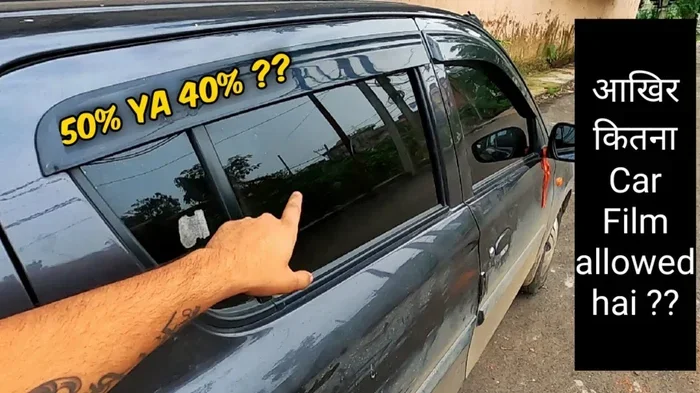
Car Window Film RTO Approved Everything You Should Know
Car window film RTO approved ensures your vehicle tint meets legal standards set by the Regional Transport Office in India. Choosing the right RTO approved car window film helps you avoid fines, stay safe, and enjoy UV protection and heat rejection. This guide covers all the rules, types, and tips you need to make the best choice for your car.
If you own a car in India, you have probably thought about getting car window film applied. Maybe you want to beat the heat, protect your interior, or add a sleek look to your ride. But here is the thing — not just any tint will do. The Regional Transport Office, or RTO, has specific rules about how dark your car windows can be. If your film does not meet those rules, you could face fines or even get your car stopped on the road.
That is exactly why car window film RTO approved matters so much. In this guide, we will walk you through everything you need to know. From understanding the rules to picking the right film, we have got you covered. Whether you are a first-time car owner or looking to re-tint your vehicle, this article will help you make a smart, legal choice.
The rules around car window tinting can feel confusing at first. Different windows have different limits. Some films are allowed on the sides and rear but not on the front. And then there is the whole question of certification and paperwork. We will break all of this down in simple terms so you never have to guess again.
Key Takeaways
- RTO approval is mandatory: Using non-approved car window film can lead to fines and legal trouble on Indian roads.
- VLT limits matter: The RTO sets specific visible light transmission percentages for different car windows.
- Multiple film types exist: From metallic to ceramic, there are several RTO approved car window film options to choose from.
- Front windshield rules are strict: Only a small strip of tinting is allowed on the front windshield.
- Certification is key: Always ask for RTO approval certification before buying any car window film.
- Professional installation helps: A proper fit ensures the film stays within legal limits and lasts longer.
- Benefits go beyond legality: RTO approved films also offer UV protection, heat rejection, and glare reduction.
📑 Table of Contents
- What Is Car Window Film RTO Approved?
- Why RTO Approval Matters for Car Window Film
- RTO Rules for Car Window Tinting in India
- Types of RTO Approved Car Window Films
- How to Choose the Right RTO Approved Car Window Film
- Common Mistakes to Avoid When Tinting Your Car
- Benefits of Using RTO Approved Car Window Film
- How to Get Your Car Window Film RTO Approved Certificate
- Conclusion
What Is Car Window Film RTO Approved?
When we say car window film RTO approved, we mean a tinting film that has been certified by the Regional Transport Office as meeting the legal standards for vehicle window tinting in India. The RTO sets rules about how much light must pass through each window of your car. This measurement is called Visible Light Transmission, or VLT for short.
Not every tint film on the market carries this approval. Many cheap or unbranded films are too dark and do not meet the RTO tint rules. Using such films can result in penalties, so it is always best to go with a certified product. When you buy RTO approved car window film, you get a certificate or proof of compliance that you can show to traffic police if needed.
The approval process involves testing the film to check its light transmission levels. Only films that pass these tests receive the green light from the RTO. This ensures that drivers maintain clear visibility both during the day and at night, which is crucial for road safety.
Why VLT Percentage Matters
The VLT percentage tells you how much visible light can pass through the window film. A higher VLT means more light gets through, making the window clearer. A lower VLT means the window is darker. The RTO sets minimum VLT limits for each window of your car. If your film falls below that limit, it is considered illegal.
For example, if the RTO requires a minimum VLT of 70 percent for the front side windows, a film with 50 percent VLT would not be approved. Always check the VLT rating before purchasing any car window tint film. This single number can make the difference between a legal setup and a ticket on the road.
Why RTO Approval Matters for Car Window Film
You might wonder why RTO approval is such a big deal. Can you not just slap on any dark film and drive away? Well, the answer is no, and there are several important reasons for this.
First and foremost, safety. Dark window films that block too much light can seriously reduce your visibility while driving. This is especially dangerous at night, in tunnels, or during bad weather. The RTO rules are designed to keep you and everyone else on the road safe. When you use car window film RTO approved, you are making sure your visibility stays clear.
Second, legal compliance. Indian traffic laws are strict about window tinting. If you are caught driving with non-approved film, you could face fines that range from a few hundred to several thousand rupees. In some cases, your vehicle might even be impounded until you fix the issue. Nobody wants that kind of hassle.
Third, insurance issues. If you get into an accident and your insurance company finds that your window film was not RTO approved, they might deny your claim. This is a risk no car owner should take. Using RTO approved window tint protects you not just on the road but also financially.
Fourth, resale value. A car with illegal tinting can be a red flag for buyers. It suggests the owner did not follow proper regulations. On the other hand, a car with certified, approved film signals that it has been maintained properly. This small detail can actually help you get a better price when you sell your vehicle.
RTO Rules for Car Window Tinting in India
The RTO has clear guidelines about which windows can be tinted and how dark the tint can be. These rules apply to all types of vehicles, including cars, SUVs, and sedans. Let us look at the specific regulations so you know exactly what is allowed.
Front Windshield Tinting Rules
The front windshield is the most regulated window on your car. According to RTO rules, you cannot apply a fully tinted film to the entire front windshield. However, you are allowed to tint a small strip at the top. This strip must not extend below the manufacturer-defined line, which is usually marked on the windshield.
The purpose of this rule is simple — it keeps your view of the road clear while still offering some protection from glare and UV rays. Any film applied to the front windshield must maintain a high VLT percentage, typically above 70 percent. This ensures that your vision is not compromised while driving.
Front Side Window Rules
For the front side windows, the RTO allows a bit more flexibility. You can apply a car window tint film that allows at least 70 percent of visible light to pass through. This means the film can be slightly tinted but should not make the window too dark.
Some car owners prefer a nearly clear film for the front side windows. This gives them a subtle look while staying well within the legal limits. If you are unsure about which film to choose, always ask the dealer for an RTO approved car window film that meets the VLT requirements for front side windows.
Rear Side and Rear Windshield Rules
The good news is that the rules are more relaxed for the rear windows. You can apply darker films to the rear side windows and the rear windshield. The RTO typically allows these windows to have a lower VLT percentage compared to the front windows.
This gives car owners more freedom to choose a film that offers better privacy and heat rejection. Many people prefer a medium to dark tint on the rear windows for these benefits. Just make sure the film you choose is still RTO approved and comes with proper certification.
Summary of VLT Limits
Here is a quick look at the typical VLT limits set by the RTO for different car windows. Keep in mind that these limits can vary slightly by state, so always check with your local RTO office.
- Front Windshield: Only the top strip is allowed. VLT should remain above 70 percent in the tinted area.
- Front Side Windows: Minimum VLT of 70 percent.
- Rear Side Windows: Minimum VLT varies, but darker films are generally allowed.
- Rear Windshield: Darker films are permitted as long as they are RTO approved.
Types of RTO Approved Car Window Films
Not all window films are the same. There are several types available in the market, and each comes with its own set of benefits. When shopping for car window film RTO approved, you will come across different categories. Let us explore the most popular ones.
Dyed Window Film
Dyed film is the most basic and affordable type of car window tint. It uses layers of dyed adhesive to block light and reduce glare. Dyed films are widely available and come in various shades. However, they may not offer the best heat rejection compared to more advanced options.
If you are on a tight budget and just want a basic level of tinting, dyed film can work. Just make sure the product is RTO approved and meets the VLT requirements. Some dyed films can fade over time, so you may need to replace them sooner.
Metallic Window Film
Metallic films contain tiny metallic particles that reflect heat and reduce glare. They offer better performance than dyed films in terms of heat rejection and durability. Metallic films also give your car a shiny, reflective look that many people love.
One thing to keep in mind is that metallic films can sometimes interfere with GPS signals and mobile phone reception. If you rely heavily on navigation or have smart car features, this is something to consider. Always confirm that the metallic film you choose is RTO approved for car window tinting.
Carbon Window Film
Carbon films are a popular middle-ground option. They offer excellent heat rejection without the metallic look. Carbon films have a matte finish that gives your car a sophisticated, understated appearance. They also do not interfere with electronic signals, which is a big plus.
Many car owners prefer carbon films because they combine performance and aesthetics. They are durable, do not fade easily, and provide good UV protection. Look for carbon films that carry the RTO approval certificate to ensure full compliance.
Ceramic Window Film
Ceramic films are the premium option in the world of car window tinting. They use nano-ceramic particles to block heat and UV rays without affecting visibility. Ceramic films offer the best performance of all film types, but they also come at a higher price point.
If you want the absolute best for your car, ceramic is the way to go. These films are extremely durable, provide superior heat rejection, and maintain clarity over time. The only downside is the cost. However, if you invest in RTO approved ceramic car window film, you get top-tier performance and full legal compliance.
Factory Tint vs. Aftermarket Tint
Some cars come with factory tint from the manufacturer. This tint is usually applied during the manufacturing process and meets all RTO standards. Factory tint is generally lighter and more subtle compared to aftermarket options.
Aftermarket tint, on the other hand, is applied after you purchase the car. This is where most people run into trouble with RTO rules. If you are adding aftermarket tint, always choose a product that is explicitly car window film RTO approved. This ensures you stay on the right side of the law while enjoying the benefits of a custom tint.
How to Choose the Right RTO Approved Car Window Film
Choosing the right film can feel overwhelming with so many options available. But it does not have to be complicated. Follow these simple steps to find the perfect RTO approved window film for your car.
Step 1: Check Your State RTO Rules
Start by checking the specific tinting rules in your state. While the central RTO guidelines provide a general framework, some states may have additional restrictions or slightly different VLT limits. Visit your local RTO office or check their official website for the most up-to-date information.
Step 2: Know Your VLT Requirements
Once you know your state rules, determine the VLT requirements for each window. Write them down so you have a clear reference when shopping. This will help you quickly eliminate films that do not meet the standards.
Step 3: Pick the Right Film Type
Decide on the type of film you want based on your budget and preferences. Do you want basic protection or premium performance? Are you looking for a specific shade or finish? Narrowing down your options will make the shopping process much easier.
Step 4: Verify RTO Approval
This is the most important step. Always ask the dealer or installer for proof of RTO approval. A genuine RTO approved car window film will come with certification documentation. If the dealer cannot provide this, walk away and find a different supplier.
Step 5: Get Professional Installation
Even the best film will not perform well if it is not installed correctly. Always go to a professional installer who has experience with car window tinting. Proper installation ensures there are no bubbles, peeling, or uneven edges. It also ensures the film stays within the legal VLT limits.
Quick Tips for Choosing the Best Film
- Always ask for the RTO approval certificate before purchasing.
- Do not be tempted by very dark films that promise maximum privacy.
- Choose a film that offers UV protection in addition to heat rejection.
- Read reviews and check the brand reputation before buying.
- Compare prices from multiple dealers to get the best value.
- Ask about the warranty and after-sales support offered.
- Remember that the cheapest option is not always the best option.
Common Mistakes to Avoid When Tinting Your Car
Even with the best intentions, car owners often make mistakes when it comes to window tinting. Here are some common pitfalls you should avoid.
One of the biggest mistakes is buying film without checking the VLT percentage. Many people assume all tint films are legal, but this is far from the truth. Always verify the VLT rating and ensure it meets RTO standards for car window film RTO approved compliance.
Another common mistake is skipping the certification paperwork. Some dealers may tell you the film is approved but fail to provide written proof. Always get the certificate in writing and keep it in your car documents. This can save you from unnecessary trouble during traffic stops.
Some car owners also make the mistake of DIY installation. While it might seem like a money-saving idea, improper installation can lead to bubbles, peeling, and uneven tinting. It can also result in the film not meeting the required VLT standards. Professional installation is always the safer bet.
Finally, do not forget to consider the long-term benefits. A good RTO approved window tint does more than just look nice. It protects your car interior from sun damage, reduces glare, and keeps the cabin cooler. These benefits add real value to your daily driving experience.
Benefits of Using RTO Approved Car Window Film
Beyond legal compliance, car window film RTO approved offers a range of practical benefits that make it well worth the investment.
One of the biggest advantages is UV protection. The sun’s ultraviolet rays can cause skin damage and fade your car’s interior over time. A good RTO approved film blocks a significant portion of UV rays, keeping you and your passengers safer.
Heat rejection is another major benefit. Indian summers can be brutal, and getting into a hot car is nobody’s idea of fun. RTO approved films can significantly reduce the amount of heat that enters your car through the windows. This means a cooler, more comfortable cabin even on the hottest days.
Glare reduction is something that often gets overlooked. Driving with sunlight or headlights glaring into your eyes can be dangerous. A quality tint film reduces glare and improves overall visibility, making your drives safer and more comfortable.
Privacy is an added bonus. While the RTO limits how dark your tint can be, even a legal level of tinting provides more privacy than untreated glass. This can be especially helpful when parked in busy areas or when carrying valuables in your car.
How to Get Your Car Window Film RTO Approved Certificate
Once you have your RTO approved car window film installed, you should receive a certificate of compliance. This document proves that your window film meets the RTO’s VLT requirements. Keep this certificate in your car at all times along with your registration and insurance papers.
If you are unsure whether your current film is approved, you can visit a certified tinting center and have the VLT measured. Many professional installers have the tools to check this on the spot. If your film does not meet the standards, you may need to replace it with an approved alternative.
It is also a good idea to get your film checked during your annual vehicle inspection. This ensures that your tint remains compliant over time and that you do not face any surprises during the RTO inspection process.
Conclusion
Choosing car window film RTO approved is one of the smartest decisions you can make for your vehicle. It keeps you legally compliant, ensures your safety on the road, and provides real benefits like UV protection, heat rejection, and glare reduction. The key is to understand the RTO rules, pick the right type of film, and always get professional installation.
Remember to always ask for RTO approval certification before buying any tint film. Do not let the allure of dark, stylish tints tempt you into choosing something illegal. A car window tint film RTO approved gives you the best of both worlds — great looks and full compliance.
Take the time to research your options, compare products, and choose a trusted installer. Your car, your safety, and your wallet will all thank you in the long run. With the right RTO approved window tint, you can enjoy a cooler, safer, and more comfortable ride every single day.
Frequently Asked Questions
What does RTO approved mean for car window film?
Car window film RTO approved means the tint has been tested and certified by the Regional Transport Office to meet the legal VLT (Visible Light Transmission) requirements for vehicles in India. It ensures the film is safe and compliant with traffic regulations.
Can I use any dark tint on my car windows?
No, you cannot use just any dark tint. The RTO sets specific VLT limits for each window of your car. Using a film that is too dark can result in fines and penalties. Always choose a car window film RTO approved product that meets the legal requirements.
How much does RTO approved car window film cost?
The cost varies depending on the type of film and the brand. Dyed films are the most affordable, while ceramic films are the most expensive. On average, you can expect to pay anywhere from a few thousand to ten thousand rupees for a full car set of RTO approved window tint.
Is factory tint the same as RTO approved aftermarket tint?
Factory tint is applied by the car manufacturer and generally meets RTO standards. Aftermarket tint is applied later and must also be RTO approved to be legal. Always verify that any aftermarket film you choose carries the proper RTO approval certification.
What happens if I get caught with illegal window tint?
If you are caught driving with non-approved window film, you may face fines that vary by state. In some cases, your car may be stopped and asked to remove the illegal tint. Repeated violations can lead to more serious consequences, so it is always best to use RTO approved car window film.
Can I tint my front windshield?
The RTO only allows a small strip of tint at the top of the front windshield. The rest must remain clear to ensure proper visibility. Any film on the front windshield must maintain a high VLT percentage, typically above 70 percent, to be considered car window film RTO approved.