How Much Is Car Insurance in Florida Per Month Cost
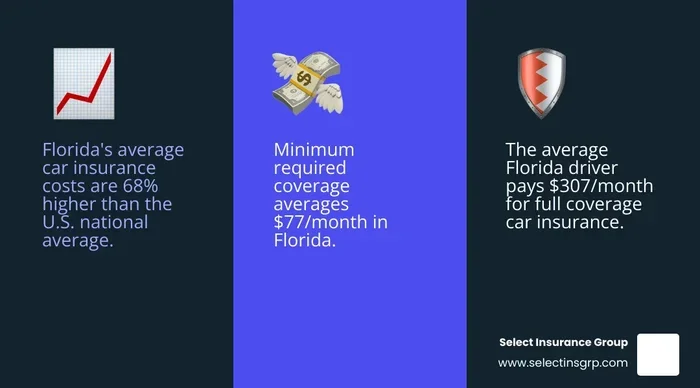
How Much Is Car Insurance in Florida Per Month? The average driver pays between $100 and $250 per month, depending on coverage level, driving history, and location. Florida’s unique no-fault insurance laws and high accident rates drive costs higher than the national average. This guide breaks down Florida auto insurance costs by city, age, and coverage type so you can find the best deal.
If you live in Florida or are thinking about moving there, one question probably keeps you up at night: how much is car insurance in Florida per month? The answer isn’t as simple as picking a number. Insurance costs in the Sunshine State vary a lot based on your age, where you live, what car you drive, and how much coverage you want.
On average, Florida drivers pay somewhere between $100 and $250 every month for their auto insurance. But that range is huge. Some people pay less than $80, while others shell out over $300. The good news is that understanding what drives those numbers puts you in a much better position to find a policy that fits your budget. In this article, we’ll walk through everything you need to know about car insurance rates in Florida, what affects the price, and how you can save money without sacrificing coverage.
Florida has some of the highest auto insurance costs in the entire country. The state’s no-fault insurance system, large number of uninsured drivers, and frequent weather-related claims all push prices up. But don’t panic. Whether you’re a new driver, a seasoned Floridian, or someone shopping for a better deal, this guide has you covered. Let’s dive in.
Key Takeaways
- Average Monthly Cost: Florida drivers pay around $100 to $250 per month for car insurance, with full coverage costing more than minimum policies.
- Florida Is Expensive: The state ranks among the top 10 most costly for auto insurance premiums due to high accident rates and no-fault laws.
- Location Matters: Cities like Miami, Orlando, and Tampa have higher rates than rural areas in Florida.
- Coverage Type Changes Everything: Minimum liability coverage is much cheaper than full coverage with comprehensive and collision.
- You Can Save Money: Bundling policies, maintaining a clean driving record, and comparing quotes can significantly reduce your monthly car insurance bill.
- Florida Requires PIP and PDL: All drivers must carry Personal Injury Protection and Property Damage Liability insurance by law.
📑 Table of Contents
- What Affects the Cost of Car Insurance in Florida?
- Average Monthly Car Insurance Cost in Florida
- Florida’s Insurance Requirements Explained
- Ways to Lower Your Florida Car Insurance Premium
- Car Insurance Costs by City in Florida
- Florida Car Insurance Trends and What to Expect
- Key Takeaways
- Conclusion
What Affects the Cost of Car Insurance in Florida?
Insurance companies don’t pull numbers out of thin air. They use a mix of factors to decide how much you’ll pay each month. Understanding these factors helps you make smarter choices. Let’s look at the biggest ones that shape your Florida car insurance premium.
Your Driving Record
This one’s pretty straightforward. If you have a clean driving record with no accidents or traffic violations, you’ll pay less. Insurers view safe drivers as low-risk customers. On the flip side, if you’ve had a DUI, a speeding ticket, or an at-fault accident, expect your rates to climb. A single serious violation can add $50 to $100 or more to your monthly bill.
The good news is that accidents and tickets don’t follow you forever. Most companies look at the last three to five years of your driving history. So if you’ve cleaned up your act, your rates should start dropping over time.
Your Age and Driving Experience
Age plays a massive role in how much car insurance costs in Florida. Teenagers and young drivers under 25 pay the highest rates. That’s because insurers see them as inexperienced and more likely to get into accidents. A 16-year-old driver might pay well over $300 per month, while a 40-year-old with a clean record could pay half that.
Rates tend to level out once you hit your mid-20s and keep improving as you get older. Drivers between 30 and 60 generally enjoy the lowest premiums. After age 65, rates may tick up slightly again due to slower reaction times and age-related risks.
Where You Live in Florida
Not all parts of Florida are created equal when it comes to auto insurance rates. If you live in a big city like Miami, Orlando, or Tampa, you’ll pay more than someone in a small town or rural area. Why? Because dense urban areas have more traffic, more accidents, and higher chances of theft and vandalism.
For example, Miami is one of the most expensive cities in Florida for car insurance. The combination of heavy tourism traffic, a high number of uninsured motorists, and frequent hurricane claims drives costs up significantly. Meanwhile, a driver in a small Florida town might pay noticeably less each month.
Your Vehicle Type
The car you drive matters more than you might think. A brand-new luxury SUV costs more to insure than a ten-year-old sedan. Insurers consider the vehicle’s price, safety ratings, repair costs, and theft risk when setting your premium.
Sports cars and high-performance vehicles almost always come with higher rates. Family sedans and practical compacts tend to be the cheapest to insure. Before buying a car in Florida, it’s smart to get an insurance quote first so there are no surprises.
Coverage Levels and Deductibles
This is where you have real control over your monthly car insurance cost. The more coverage you carry, the higher your premium. Florida drivers can choose between minimum liability coverage and full coverage that includes comprehensive and collision.
Your deductible also plays a role. A higher deductible means a lower monthly payment. If you can afford to pay more out of pocket after an accident, raising your deductible is an easy way to trim your Florida insurance premium.
Average Monthly Car Insurance Cost in Florida
Now let’s talk numbers. What does the average Florida driver actually pay each month for car insurance? The answer depends heavily on the type of coverage you choose.
Minimum Coverage vs Full Coverage
Florida requires all drivers to carry Personal Injury Protection (PIP) and Property Damage Liability (PDL) insurance. This is called minimum coverage, and it’s the cheapest option. On average, a Florida driver with minimum coverage pays around $80 to $130 per month.
Full coverage is a different story. This includes liability, comprehensive, and collision coverage. It protects your vehicle and gives you more financial security. The average cost for full coverage in Florida runs about $180 to $300 per month. That’s a big jump, but it comes with much better protection.
Keep in mind these are averages. Your actual rate could be higher or lower depending on all the factors we discussed above. The best way to know your exact cost is to get a personalized car insurance quote Florida from multiple companies.
How Rates Compare by Age Group
Let’s break down average monthly rates by age group so you can see where you fit in:
- Teenagers (16-19): $250 to $400+ per month
- Young Adults (20-24): $150 to $250 per month
- Adults (25-40): $100 to $180 per month
- Middle-Aged (41-65): $90 to $160 per month
- Seniors (65+): $100 to $200 per month
As you can see, young drivers pay a premium. But there’s good news for teens and their parents. Completing a defensive driving course and maintaining good grades can unlock significant discounts. Many insurers offer good student discounts that can shave $50 or more off the monthly bill.
Florida’s Insurance Requirements Explained
Florida has unique insurance laws that every driver should understand. The state operates under a no-fault insurance system, which means your own insurance pays for your injuries after an accident, regardless of who caused it. This is different from many other states where the at-fault driver’s insurance covers everything.
Understanding No-Fault Insurance
In a no-fault state like Florida, you’re required to carry Personal Injury Protection (PIP) coverage. PIP pays for your medical bills, lost wages, and related expenses after an accident, up to your policy limits. It doesn’t matter who was at fault. Your PIP coverage kicks in first.
The minimum PIP requirement in Florida is $10,000. However, many experts recommend carrying more than the minimum. A serious accident can easily exceed $10,000 in medical costs, especially if surgery or extended treatment is needed.
Property Damage Liability and Bodily Injury
Florida also requires Property Damage Liability (PDL) coverage with a minimum of $10,000. This pays for damage you cause to someone else’s property, like their car or a fence.
Interestingly, Florida does not require bodily injury liability coverage. This means you could legally drive without coverage that pays for injuries you cause to another person. However, this is a risky choice. If you cause a serious accident and lack bodily injury coverage, you could face lawsuits and financial ruin.
Most insurance professionals strongly recommend carrying at least $25,000 to $50,000 in bodily injury coverage per person and per accident. It’s an affordable addition that provides crucial protection.
Ways to Lower Your Florida Car Insurance Premium
Paying too much for car insurance in Florida doesn’t have to be your reality. There are proven strategies to bring your monthly costs down. Let’s explore the most effective ones.
Shop Around and Compare Quotes
This is the single most important thing you can do. Insurance rates vary wildly between companies. One insurer might charge you $150 a month, while another offers the same coverage for $110. The difference adds up to hundreds of dollars over the year.
Get quotes from at least three to five companies before making a decision. Use online comparison tools to speed up the process. And don’t forget to check smaller, regional insurers. They often offer competitive rates that national companies can’t match.
Bundle Your Insurance Policies
If you also need homeowners or renters insurance, bundling everything with one company can save you a lot. Most insurers offer a multi-policy discount that reduces your overall premium by 10% to 25%. It’s an easy way to cut costs without changing your coverage.
Maintain a Clean Driving Record
We mentioned this earlier, but it bears repeating. A clean driving record is your best friend when it comes to lowering your insurance rate. Avoid speeding tickets, accidents, and traffic violations at all costs. If you do receive a ticket, consider taking a traffic school course to keep it off your record.
Ask About Discounts
Insurance companies offer more discounts than most people realize. Common discounts include:
- Safe driver discounts for clean records
- Good student discounts for younger drivers
- Defensive driving course discounts
- Low-mileage discounts if you drive less than 7,500 miles per year
- Paperless billing discounts
- Military or veteran discounts
- Loyalty discounts for long-term customers
Call your insurer and ask what discounts you qualify for. You might be surprised by how much you can save.
Raise Your Deductible
Raising your deductible from $500 to $1,000 can lower your monthly premium by 15% to 30%. Just make sure you have enough savings to cover the higher deductible if you ever need to file a claim. This strategy works best for drivers who rarely get into accidents.
Improve Your Credit Score
In Florida, insurers can use your credit score as a factor in setting your rates. A higher credit score generally leads to lower premiums. Paying your bills on time, reducing debt, and checking your credit report for errors can all help improve your score over time.
Car Insurance Costs by City in Florida
Where you live within Florida has a major impact on your monthly car insurance cost. Let’s look at how rates compare across some of the state’s largest cities.
Miami
Miami consistently ranks as one of the most expensive cities in Florida for car insurance. The high volume of tourists, a large number of uninsured motorists, and frequent hurricane claims all contribute to elevated rates. Miami drivers typically pay $150 to $280 per month on average.
Orlando
Orlando’s tourism industry brings heavy traffic, which drives up accident rates and insurance costs. The average driver in Orlando pays around $130 to $230 per month. However, rates can be lower in suburban areas outside the city center.
Tampa
Tampa sits in the middle of the pack for Florida auto insurance rates. The average monthly cost ranges from $120 to $220. The city’s growing population and frequent storms contribute to moderate insurance costs.
Jacksonville
Jacksonville generally offers some of the more affordable rates in the state. Drivers in Jacksonville pay an average of $100 to $190 per month. The city’s lower population density compared to Miami and Orlando helps keep rates more manageable.
Fort Lauderdale
Fort Lauderdale shares South Florida’s high insurance costs. The area sees a lot of traffic and weather-related claims, which pushes premiums up. Average monthly rates fall between $140 and $260.
Florida Car Insurance Trends and What to Expect
The car insurance market in Florida is always shifting. Understanding current trends helps you plan ahead and make informed decisions about your coverage.
Rising Costs Due to Weather Claims
Florida is no stranger to hurricanes, floods, and severe storms. These weather events lead to a high volume of insurance claims, which pushes up premiums for everyone. Insurers pass the cost of these claims on to policyholders, so rates tend to climb after major storm seasons.
The Impact of Uninsured Drivers
Florida has one of the highest rates of uninsured drivers in the country. Estimates suggest that around 20% of drivers on Florida roads lack any insurance at all. This creates a ripple effect that raises costs for everyone, since insurers have to account for the risk of accidents with uninsured drivers.
Adding uninsured motorist coverage to your policy is a smart move. It protects you if you’re hit by a driver who has no insurance or not enough coverage. While it adds a small cost to your premium, the peace of mind is well worth it.
Telematics and Usage-Based Insurance
More Florida insurers are offering telematics programs that track your driving habits through a mobile app or device. If you’re a safe driver who avoids hard braking, speeding, and late-night driving, you could qualify for significant discounts. These programs are becoming increasingly popular and can save drivers $20 to $50 per month or more.
Key Takeaways
- Average Cost: Most Florida drivers pay between $100 and $250 per month for car insurance, with full coverage on the higher end.
- Location Is a Major Factor: Urban areas like Miami and Orlando cost more to insure than smaller cities and rural areas.
- Coverage Type Matters: Minimum coverage is much cheaper than full coverage, but offers far less protection.
- Your Driving History Shapes Your Rate: Clean records lead to lower premiums, while violations and accidents raise costs.
- You Have Power to Save: Bundling policies, raising deductibles, and shopping around can significantly reduce your monthly insurance bill.
- Florida’s No-Fault System Requires PIP: Every driver must carry Personal Injury Protection and Property Damage Liability coverage.
- Uninsured Motorist Coverage Is Smart: With so many uninsured drivers on Florida roads, this coverage provides valuable financial protection.
So, how much is car insurance in Florida per month? The honest answer is that it depends, but most drivers can expect to pay between $100 and $250 monthly. Your exact rate comes down to your age, driving record, location, vehicle, and the level of coverage you choose.
Florida’s unique insurance landscape makes it one of the more expensive states for auto coverage. The no-fault system, high number of uninsured drivers, and frequent weather-related claims all contribute to elevated premiums. But that doesn’t mean you’re stuck paying more than you should.
The best thing you can do is shop around, compare car insurance quotes Florida from multiple companies, and take advantage of every discount available. Raise your deductible if you can afford it, maintain a clean driving record, and consider bundling your policies. These steps add up and can save you serious money over time.
Remember, the cheapest policy isn’t always the best one. Make sure you have enough coverage to protect yourself financially. A little extra spending on your premium each month can save you thousands if you ever get into a serious accident. Take the time to review your policy regularly and adjust your coverage as your needs change. Your wallet will thank you.
Frequently Asked Questions
What is the cheapest car insurance in Florida?
The cheapest option is usually minimum coverage with just PIP and PDL. Some budget-friendly insurers like GEICO, Progressive, and State Farm often offer the lowest rates for basic policies. However, minimum coverage leaves you exposed to significant financial risk if you cause a serious accident.
How can I lower my car insurance rate in Florida?
You can lower your rate by shopping around for better quotes, bundling your auto insurance with home or renters insurance, raising your deductible, maintaining a clean driving record, and asking about every available discount. Taking a defensive driving course is another proven way to save money.
Why is car insurance so expensive in Florida?
Florida has high rates due to its no-fault insurance system, a large number of uninsured drivers, frequent hurricane and storm claims, and heavy traffic in major cities like Miami and Orlando. All of these factors increase the risk for insurers, which drives up monthly premiums.
Does your credit score affect car insurance rates in Florida?
Yes, in Florida, insurers can use your credit score as a factor in determining your premium. Drivers with higher credit scores generally pay less for auto insurance. Improving your credit score over time can lead to meaningful savings on your monthly bill.
What is the minimum car insurance required in Florida?
Florida requires all drivers to carry Personal Injury Protection (PIP) with a minimum of $10,000 and Property Damage Liability (PDL) with a minimum of $10,000. Unlike many other states, Florida does not require bodily injury liability coverage, but it’s strongly recommended.
How much does full coverage car insurance cost in Florida per month?
Full coverage in Florida typically costs between $180 and $300 per month on average. This includes liability, comprehensive, and collision coverage. Your exact rate depends on your age, driving history, vehicle type, and location within the state.