Why Wont One of My Car Doors Unlock And How To Fix It
When one of your car doors won’t unlock, it can be frustrating and inconvenient. The most common causes include a faulty door lock actuator, a broken door latch mechanism, or a blown fuse in the fuse box. This guide walks you through the top reasons and shows you how to fix each one step by step, so you can get back behind the wheel with confidence.
There’s nothing worse than standing by your car, ready to head out, and realizing that one of your car doors won’t unlock. You press the button on your key fob. Nothing. You try the manual key. Still nothing. It’s a strange and annoying problem, but the good news is that it’s usually fixable. In this article, we’ll explore exactly why this happens and give you clear steps to fix it.
The power door lock system in your vehicle is made up of several parts that work together. When one part fails, only one door might be affected. This is actually a good thing because it means the problem is usually isolated and easier to repair. Whether your car is a new model or a older vehicle, the same basic principles apply. Let’s dive into the most common reasons your door lock won’t work on just one side.
Understanding how your car door lock works helps you figure out what’s wrong. Most modern vehicles use a central locking system. This means one button on the driver’s door panel can lock or unlock all doors at once. Inside each door, there’s a small motor called an actuator. When you press unlock, a signal goes through the wiring harness to that actuator, and it moves the door latch to release the lock. If any part of this chain breaks, one door can stay stuck while the others work fine.
Key Takeaways
- Actuator failure is the #1 culprit: The door lock actuator is the small motor that does the heavy lifting when you press the unlock button.
- Check the simple things first: A dead key fob battery, a tripped fuse, or an engaged child lock can cause one door to stay locked.
- Wiring problems are common in older cars: Corroded or frayed wires behind the door panel can interrupt the power door lock signal.
- You can replace an actuator yourself: With basic tools and about 30 minutes, most car owners can swap out a bad actuator at home.
- Frozen locks need gentle care: Never force a frozen door lock. Use a de-icer spray or warm water to thaw it safely.
- Know when to call a pro: If the problem involves the door latch mechanism or complex wiring, a certified mechanic is your best bet.
- Prevent future issues: Regular maintenance and keeping your door lock components clean can extend their lifespan significantly.
📑 Table of Contents
Common Reasons Why One Car Door Won’t Unlock
Several things can cause a single door to refuse to unlock. Let’s look at the most common ones so you can start narrowing down the problem.
Faulty Door Lock Actuator
The door lock actuator is the small electric motor inside your door. It’s what actually moves the latch when you press unlock. Over time, these actuators wear out. They can also burn out from heavy use or from being exposed to moisture. When an actuator dies, you might hear a faint clicking sound when you press the button, or you might hear nothing at all. This is the single most common reason one door won’t unlock.
Actuators fail for a few reasons. Age is the biggest factor. Most actuators last between 5 and 10 years. Moisture getting into the door is another big cause. If the door seal cracks or the drain holes get clogged, water can pool inside the door and damage the actuator motor. Cold weather can also make an already weak actuator give out completely.
Broken Door Latch Mechanism
The door latch is the metal piece that physically holds the door shut. Inside the latch, there are springs and levers that move when the actuator activates. If these parts break or get stuck, the door won’t unlock even if the actuator is working fine. A broken latch often happens after a minor accident or from years of wear and tear. You might notice the door feels loose or rattles when you drive. In some cases, the latch can get misaligned, which makes it hard for the lock to engage or release properly.
Blown Fuse in the Fuse Box
Your car has a fuse box under the hood and usually one inside the cabin too. Each fuse protects a specific circuit. If the fuse for your door lock system blows, power can’t reach the actuator. The good news is that checking a fuse is easy and costs almost nothing. You just need to find the right fuse, pull it out, and look for a broken metal strip inside. If you see one, pop in a new fuse of the same rating. Always check your owner’s manual to find the correct fuse location for your door lock relay circuit.
Wiring and Connection Problems
Behind each car door, there’s a flexible fabric boot that connects the door to the car body. Inside this boot is a wiring harness that carries electrical signals. Over time, these wires can fray, crack, or break. This is especially common in older vehicles or cars with high mileage. If the wires connecting to the actuator are damaged, the signal from your key fob or door switch never reaches the motor. You might need to open the door panel to inspect the wires. Look for any signs of corrosion, bare copper showing, or disconnected plugs.
Key Fob or Switch Issues
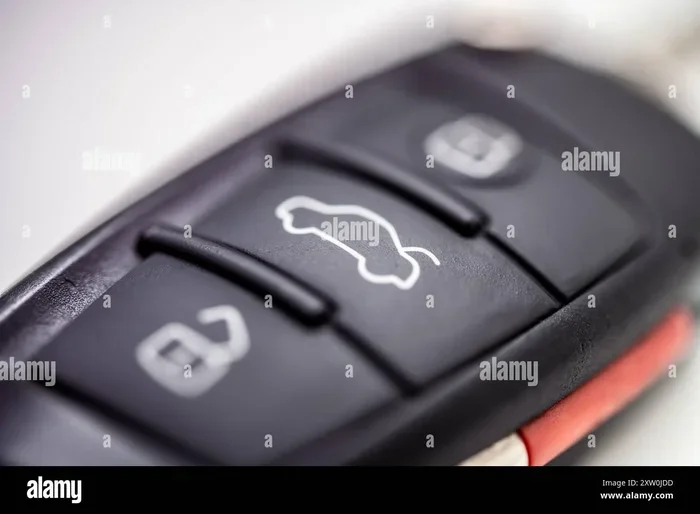
Sometimes the problem isn’t inside the door at all. It’s in the remote. If your key fob battery is low, it might not send a strong enough signal to unlock all doors. Interestingly, some cars only respond to the fob from a certain distance or position. You might find that standing right next to the car and pressing the button works for three doors but not the fourth. This points to a problem with the door lock switch on that specific door panel, not the fob itself.
Child Lock Engaged
This one is simple but easy to overlook. Many rear doors have a child safety lock switch on the inside edge of the door. When this is engaged, the door can only be opened from the outside. If someone in your household flipped this switch by accident, it can feel like the door won’t unlock. Check the switch position and try unlocking the door again. This is a quick fix that takes just a few seconds.
How to Diagnose the Problem Step by Step
Before you start replacing parts, it helps to diagnose the issue properly. A little detective work can save you time and money.
Step 1: Test All Doors
Start by testing every door. Press the unlock button on the driver’s panel. Which doors respond? Then try the lock button. Next, use the manual key in the lock cylinder on the stuck door. This test tells you a lot. If the manual key works but the power unlock doesn’t, the problem is electrical. If neither method works, the issue is likely mechanical.
Step 2: Listen for Sounds
Press the unlock button and listen carefully. Do you hear a humming or buzzing noise coming from the stuck door? If yes, the actuator is probably trying to work but something mechanical is blocking it. If you hear nothing, the actuator might be dead, or the power isn’t reaching it. A clicking sound usually points to a relay issue or a blown fuse.
Step 3: Check the Fuse
Open your fuse box and find the fuse for the door locks. Compare it to a working fuse of the same type. A blown fuse will have a visible break in the metal strip. Replace it and test the door again. If the new fuse blows right away, you have a short circuit somewhere in the wiring that needs professional attention.
Step 4: Inspect the Door Panel
If the fuse looks fine, it’s time to look inside the door. Remove the screws on the door panel and carefully pull it off. Look at the actuator, the wires, and the latch. You’re looking for anything obvious: a disconnected plug, a burned wire, or a loose component. Sometimes just plugging a wire back in solves the whole problem.
Fixing the Door Lock Actuator
If you’ve confirmed that the actuator is the problem, replacing it is one of the most manageable repairs you can do at home. Here’s how to go about it.
What You’ll Need
- A replacement actuator (match the part number to your vehicle year and model)
- A set of screwdrivers (Phillips and flathead)
- A socket wrench set
- A trim panel removal tool (to avoid scratching the door)
- A multimeter for testing
Removal Steps
First, disconnect the negative battery terminal. This prevents any electrical shorts while you work. Next, remove the door panel screws. Carefully pry off the panel using the trim tool. Unplug the wiring harness connected to the actuator. The actuator is usually held in place by two or three bolts. Remove those bolts and pull the old actuator out. Compare the new one to the old one to make sure they match. Install the new actuator, bolt it in, reconnect the wiring harness, and put the door panel back on. Reconnect the battery and test the lock.
Testing the New Actuator
After installation, test both the power unlock and lock functions. Listen for smooth operation. If the new actuator makes grinding noises or doesn’t move the latch at all, double-check the wiring connection. Sometimes the plug doesn’t seat fully. If everything works smoothly, you’ve saved yourself a trip to the mechanic and a couple hundred dollars.
Wiring and Electrical Issues Explained
Electrical problems can be tricky because the symptoms often mimic actuator failure. The key difference is that with a wiring issue, the actuator itself is fine, but it never receives the signal to activate.
The Wiring Harness Behind the Door
The wiring harness inside the door is one of the most vulnerable parts of the lock system. Every time you open and close the door, the fabric boot flexes. Over years of use, the wires inside can break from repeated flexing. This is called “chafing.” The copper strands inside the insulation eventually snap, and the circuit opens. You can test for this with a multimeter by checking for continuity in the wires leading to the actuator.
Door Lock Relay Problems
The door lock relay acts as a switch that sends power to the actuators. If the relay fails, none of the doors might unlock, or only one might fail. Relays are cheap and easy to swap. You can usually find the relay in the under-hood fuse box. Swap it with a relay of the same type and test the locks. If the problem moves to a different door or goes away entirely, you’ve found your cause.
Corroded Connectors
Moisture causes corrosion. Over time, the electrical connectors on your door lock system can develop green or white buildup on the terminals. This buildup blocks the electrical current. Clean the connectors with a wire brush or electrical contact cleaner. If the corrosion is severe, replace the connector entirely. Keeping these connections clean is one of the best ways to prevent future door lock problems.
Mechanical Problems Inside the Door
Not every unlock problem is electrical. Sometimes the mechanical parts inside the door simply wear out or get damaged.
Frozen Door Lock in Winter
Cold weather can freeze the lock cylinder or the latch mechanism. If your car door won’t unlock in winter, don’t force it. Forcing a frozen lock can break the key or damage the latch. Instead, use a de-icer spray designed for locks. You can also use warm (not hot) water to thaw the ice gently. Once the ice melts, the lock should work normally again. To prevent this in the future, apply a silicone-based lock lubricant before winter sets in.
Rusted or Stuck Latch
Latches that are exposed to road salt, rain, and dirt can rust over time. A rusted latch can seize up and prevent the door from unlocking. Spray the latch mechanism with a penetrating oil like WD-40 and work it back and forth. If the rust is severe, you may need to replace the entire latch assembly. This is a more involved repair but still doable with basic mechanical skills.
Misaligned Door Latch
After a minor fender bender or from years of use, the latch can become misaligned. When this happens, the lock bolt doesn’t line up with the striker plate properly. The door might lock but not unlock smoothly. You can often fix this by adjusting the striker plate position. Loosen the bolts, shift the plate slightly, and retighten. Test the door until it moves freely.
When to Call a Professional Mechanic
While many door lock repairs are DIY-friendly, some situations call for a professional. Knowing when to ask for help saves you time and prevents costly mistakes.
Complex Wiring Repairs
If you’ve traced the problem to a wiring issue deep inside the door or under the dashboard, a mechanic has the tools and experience to fix it safely. Cutting corners on wiring repairs can lead to electrical shorts or even fires in rare cases. Leave complex wiring to the experts.
Damaged Door Latch Assembly
Replacing a door latch assembly is a more involved job. It requires removing the door panel, disconnecting the linkages, and unbolting the latch from the door. If you’re not comfortable with this level of disassembly, a mechanic can do it quickly and correctly. The part itself usually costs between $50 and $150, and labor adds another $100 to $200 at most shops.
Recurring Electrical Problems
If you’ve replaced the actuator and the fuse, but the door still won’t unlock, there might be a deeper electrical issue. This could be a problem with the central locking control module or a short in the main wiring harness. A professional mechanic can run diagnostic tests with specialized tools to pinpoint the exact cause.
Cost Estimates for Common Repairs
Here’s a rough idea of what you might pay for common door lock repairs. Keep in mind that prices vary by location and vehicle model.
- Fuse replacement: $5 to $15 for the part, plus a few minutes of your time
- Actuator replacement (DIY): $30 to $80 for the part, no labor cost
- Actuator replacement (shop): $100 to $250 including parts and labor
- Wiring harness repair: $50 to $150 depending on the extent of damage
- Door latch replacement: $100 to $300 including parts and labor
- Full central lock module replacement: $200 to $500 depending on the vehicle
Preventing Future Door Lock Problems
Once you’ve fixed your door lock, you’ll want to keep it working smoothly. Prevention is always easier than repair.
Start by keeping your door seals in good condition. Inspect them regularly for cracks or gaps. Replace any seal that looks worn. This prevents moisture from entering the door and damaging the lock components. Next, lubricate your lock mechanisms at least twice a year. A dry lock is a lock that wears out faster. Use a silicone spray or a graphite lubricant, not oil-based products, which can attract dirt and grime.
Also, be gentle with your key fob. Replace the battery at the first sign of weak range. Don’t use the key fob to lock or unlock the car if you’re standing far away and it’s struggling. That puts extra strain on the actuator. Finally, address small problems early. If you notice a door being slightly stiff or slow to unlock, don’t ignore it. Get it checked before the problem turns into a full lockout.
Key Takeaways
- Actuator failure is the #1 culprit: The door lock actuator is the small motor that does the heavy lifting when you press the unlock button.
- Check the simple things first: A dead key fob battery, a tripped fuse, or an engaged child lock can cause one door to stay locked.
- Wiring problems are common in older cars: Corroded or frayed wires behind the door panel can interrupt the power door lock signal.
- You can replace an actuator yourself: With basic tools and about 30 minutes, most car owners can swap out a bad actuator at home.
- Frozen locks need gentle care: Never force a frozen door lock. Use a de-icer spray or warm water to thaw it safely.
- Know when to call a pro: If the problem involves the door latch mechanism or complex wiring, a certified mechanic is your best bet.
- Prevent future issues: Regular maintenance and keeping your door lock components clean can extend their lifespan significantly.
Final Thoughts
A door that won’t unlock is almost always a solvable problem. Start with the simple checks: the fuse, the key fob battery, the child lock switch. If those aren’t the issue, move on to the actuator and the wiring. Most of the time, it’s the actuator that needs replacing, and that’s a repair you can handle on your own with basic tools.
The power door lock system in your car is designed to be reliable, but like any mechanical system, it wears out over time. The key is to catch problems early and address them before they leave you stranded. Whether it’s a quick fuse swap or a full actuator replacement, fixing one stuck door is usually a straightforward job.
Now that you know the common causes and fixes, you’re better equipped to handle this problem the next time it comes up. Don’t let a stubborn door lock ruin your day. Roll up your sleeves, grab your tools, and get it fixed. Your car will thank you for it.
Frequently Asked Questions
Why does only one car door lock or unlock when I press the button?
This usually means the problem is isolated to that one door. The most common causes are a bad actuator, a blown fuse specific to that circuit, or damaged wiring behind that door. Start by checking the fuse box and listening for sounds when you press the unlock button on the stuck door.
Can a dead key fob battery cause one door not to unlock?
Yes, it can. A weak key fob battery may not send a strong enough signal to all doors. Try using the manual key in the lock cylinder on the affected door. If the manual key works, replace the fob battery first and test again. If the problem persists, the issue is likely inside the door itself.
How much does it cost to replace a door lock actuator?
The actuator part itself usually costs between $30 and $80. If you take it to a shop, labor adds about $100 to $250 depending on your location and vehicle. Doing it yourself saves you the labor cost and is a very manageable repair for most car owners.
Is it safe to drive with one door that won’t unlock?
It’s not ideal. You should always be able to exit your vehicle quickly in an emergency. If the door can still be opened manually from the inside, it’s usually safe for short trips. But have it fixed as soon as possible to avoid being locked out in an emergency situation.
Can cold weather cause a car door lock to stop working?
Absolutely. Moisture inside the lock or latch mechanism can freeze in cold temperatures. This prevents the lock from moving. Use a de-icer spray or pour warm water over the lock to thaw it. Applying lock lubricant before winter helps prevent this problem from recurring.
How do I know if my door lock actuator is bad?
Listen carefully when you press the unlock button. A bad actuator might make a clicking or grinding noise but won’t move the latch. Or it might make no sound at all. You can also use a multimeter to test whether power is reaching the actuator. If power is getting there but the actuator doesn’t move, it’s definitely the problem.
=== CONCLUSION ===
Dealing with a door that won’t unlock is frustrating, but it’s rarely a sign of a major problem. In most cases, the fix is simple and affordable. Whether it’s a faulty door lock actuator, a blown fuse, or a corroded wire, you now have the knowledge to tackle it yourself. Start with the easy checks and work your way through the list. You’ll likely have that door working again in under an hour.
Remember to keep up with regular maintenance on your car door lock system. A little prevention goes a long way toward avoiding surprise lockouts. Share this guide with a friend who might be dealing with the same issue. And next time someone asks you why one of their car doors won’t unlock, you’ll know exactly what to tell them.