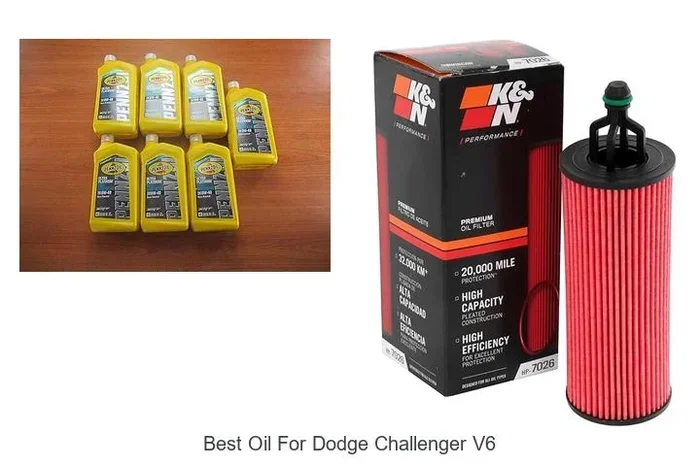
How Much Oil Does a V6 Engine Usually Need to Hold
So, how much oil does a V6 hold? Most V6 engines need between 4 and 6 quarts of oil, but the exact amount depends on your vehicle. Knowing your V6 engine oil capacity is essential for keeping your engine running smoothly. In this guide, we break down the numbers by car type, explain how to check your oil level, and share expert tips on choosing the right engine oil for your V6.
So, you want to know how much oil does a V6 hold. Great question! Whether you just bought a new car with a V6 engine or you have been driving one for years, understanding your engine oil capacity is super important. Oil is the lifeblood of your engine. It keeps all the moving parts lubricated, cool, and running smoothly. Too little oil can cause serious damage. Too much oil can create just as many problems. In this guide, we will walk you through everything you need to know about V6 oil capacity, how to check your oil level, and how to pick the right oil for your engine.
The good news is that most V6 engines have a pretty standard oil capacity. You are usually looking at around 4 to 6 quarts. But the exact number depends on several factors. These include the vehicle make, model, engine size, and whether you have a turbocharged V6 or a naturally aspirated one. We will break all of this down for you in simple terms. No confusing jargon. Just clear, practical info you can use right away.
By the end of this article, you will know exactly how to find your V6 oil capacity, how to check your oil level at home, and what kind of oil your engine needs. Let us get started!
Key Takeaways
- V6 engines typically hold 4 to 6 quarts of oil: The exact amount varies by vehicle make, model, and engine size.
- Always check your owner’s manual: It provides the most accurate oil capacity and type for your specific V6 engine.
- Use the right oil viscosity: Common options include 5W-30 and 0W-20, but always follow manufacturer recommendations.
- Overfilling is just as dangerous as underfilling: Too much oil can cause engine damage, leaks, and smoke.
- Change your oil regularly: Most V6 engines need an oil change every 5,000 to 7,500 miles.
- Check your oil level monthly: This simple habit can prevent costly engine repairs down the road.
📑 Table of Contents
What Is a V6 Engine and Why Does Oil Capacity Matter?
Understanding the V6 Engine Layout
A V6 engine has six cylinders arranged in a V shape. This design is popular because it offers a great balance of power and efficiency. Many sedans, trucks, SUVs, and sports cars come with V6 engines. They are smoother than four-cylinder engines and more fuel-efficient than V8 engines. That is why automakers love them.
Now, when we talk about V6 engine oil capacity, we are talking about how much oil the engine’s oil pan and galleries can hold. This is measured in quarts or liters. The oil capacity is not just a random number. It is carefully designed by engineers to ensure proper lubrication for all engine components.
Why Getting the Oil Amount Right Is Critical
Engine oil does several important jobs. It lubricates moving parts, reduces friction, cleans away debris, and helps cool the engine. If you do not have enough oil, metal parts grind against each other. This causes wear and eventually engine failure. On the flip side, too much oil can foam up, lose its lubricating ability, and even damage seals and gaskets.
That is why knowing your exact V6 engine oil capacity matters so much. Getting it right keeps your engine healthy and extends its lifespan. It also helps you avoid expensive repairs that could have been easily prevented.
How Much Oil Does a V6 Usually Hold?
General Oil Capacity Range for V6 Engines
Most V6 engines hold between 4 and 6 quarts of oil. But this range can shift depending on the engine design and vehicle. Here is a quick look at what you can expect:
- Small V6 engines (2.5L to 3.0L): Usually around 4 to 4.5 quarts.
- Mid-size V6 engines (3.3L to 3.6L): Typically 4.5 to 5.5 quarts.
- Large or turbocharged V6 engines (4.0L and above): Can hold 5.5 to 7 quarts or more.
These numbers are general guidelines. Your specific engine might be different. Always double-check with your owner’s manual or the oil capacity chart for your vehicle.
Popular V6 Models and Their Oil Capacity
Different vehicles with V6 engines have different oil needs. Here are some common examples to give you a better idea:
- Toyota Camry V6: About 6.3 quarts (with filter).
- Honda Accord V6: Around 4.2 quarts.
- Ford F-150 V6 (EcoBoost): Approximately 6 quarts.
- Chevrolet Silverado V6: Roughly 8 quarts for larger displacement engines.
- Nissan Altima V6: About 6.4 quarts.
As you can see, there is a wide range. This is exactly why guessing is a bad idea. Always look up your specific vehicle’s oil capacity chart before adding oil.
How to Find Your Exact Oil Capacity
Finding your V6 engine’s exact oil capacity is easy. Here are the best ways to do it:
- Check your owner’s manual: This is the most reliable source. Look in the “Maintenance” or “Specifications” section.
- Visit the manufacturer’s website: Most automakers list oil capacity and type for each model online.
- Use an online oil capacity tool: Websites like OilCheck or your auto parts store’s online catalog can help.
- Ask a mechanic: A trusted mechanic can quickly look up your vehicle’s specifications.
Once you know your V6 engine oil capacity, write it down and keep it in your glove box. It is handy information to have.
Oil Capacity by Vehicle Type
V6 Sedan Oil Capacity
Most V6 sedans have smaller displacement engines, so they usually need less oil. A typical V6 sedan holds around 4.5 to 6 quarts. Cars like the Toyota Camry, Honda Accord, and Ford Fusion fall into this category. If you own a V6 sedan, always check your manual for the exact number.
V6 Truck and SUV Oil Capacity
Trucks and SUVs with V6 engines tend to have larger oil pans and higher oil capacity. You might find that a V6 truck needs 6 to 8 quarts of oil. This is because these vehicles have bigger engines and longer oil galleries. If you drive a Ford F-150, Chevrolet Silverado, or Toyota Tacoma with a V6, expect to use more oil than a sedan owner would.
Turbocharged V6 vs. Naturally Aspirated V6
Turbocharged V6 engines often have different oil requirements than naturally aspirated ones. The turbocharger adds heat and pressure, which can affect oil performance. Some turbocharged V6 engines need a full quart more oil than their non-turbo counterparts. Always check the specifications for your specific engine configuration.
| Vehicle Type | Typical V6 Oil Capacity (Quarts) | Common Engine Sizes |
|---|---|---|
| Sedan | 4.5 – 6.0 | 2.5L – 3.6L |
| Truck | 6.0 – 8.0 | 3.5L – 5.0L |
| SUV | 5.5 – 7.5 | 3.0L – 4.0L |
| Sports Car | 5.0 – 7.0 | 3.0L – 3.8L |
| Turbocharged V6 | 5.5 – 7.5 | 2.7L – 3.5L |
How to Check Your V6 Oil Level
Step-by-Step Oil Check Process
Checking your V6 engine oil level is one of the simplest maintenance tasks you can do. Here is how to do it right:
- Park on a level surface: This ensures an accurate reading. A sloped surface can give you a false reading.
- Turn off the engine and wait a few minutes: Let the oil settle back into the oil pan. Checking oil right after driving can give you a higher reading.
- Open the hood and locate the dipstick: It usually has a brightly colored handle.
- Pull the dipstick out and wipe it clean: Use a rag or paper towel.
- Reinsert the dipstick fully, then pull it out again: Look at the oil level markings. There are usually two dots, lines, or a crosshatched area.
- Compare the oil level to the marks: The oil should fall between the minimum and maximum lines.
Reading the Dipstick Correctly
Reading the dipstick might seem simple, but many people get it wrong. Make sure you are looking at the correct end of the dipstick. The oil will leave a streak between the min and max marks. If the streak is below the minimum line, you need to add oil. If it is above the maximum line, you have too much oil and should remove some.
Also, pay attention to the oil color. Fresh oil is amber or golden. Dark brown or black oil means it is time for an oil change. Milky or frothy oil could indicate a serious problem, like a coolant leak. If you notice anything unusual, get your vehicle checked by a professional.
How Often Should You Check Your Oil?
Make it a habit to check your V6 oil level at least once a month. You should also check it before any long road trip. Regular oil checks help you catch problems early. They also give you peace of mind knowing your engine is properly lubricated.
Choosing the Right Oil for Your V6 Engine
Understanding Oil Viscosity Ratings
Oil viscosity is a measure of how thick or thin the oil is. You will see ratings like 5W-30 or 0W-20 on every oil bottle. The first number (the “W” stands for winter) tells you how the oil flows in cold temperatures. The second number tells you how it performs at normal operating temperature.
Most modern V6 engines use 5W-30 or 0W-20 oil. However, some older or high-performance V6 engines might require a different viscosity. Always follow what your owner’s manual says. Using the wrong viscosity can reduce engine performance and increase wear.
Synthetic vs. Conventional Oil for V6 Engines
When it comes to engine oil types for V6 engines, you have two main options: synthetic and conventional.
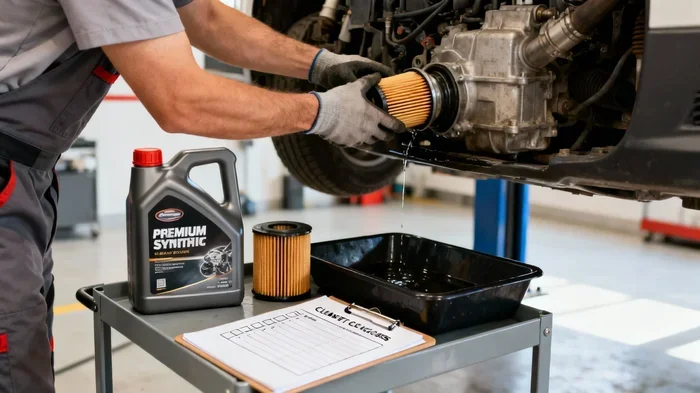
- Synthetic oil: Offers superior protection, better performance in extreme temperatures, and longer oil change intervals. It is more expensive but worth it for many drivers.
- Conventional oil: More affordable and perfectly fine for most daily-driving V6 engines. It needs to be changed more frequently.
- Synthetic blend: A mix of both. It offers some benefits of synthetic oil at a lower price point.
If you want the best protection for your V6 engine, synthetic oil for V6 engines is a great choice. It flows better in cold weather, resists breakdown at high temperatures, and keeps your engine cleaner between oil changes.
Oil Change Intervals for V6 Engines
How often should you change the oil in your V6 engine? The answer depends on the type of oil you use and your driving conditions.
- Conventional oil: Change every 3,000 to 5,000 miles.
- Synthetic oil: Change every 7,500 to 10,000 miles.
- Severe driving conditions: Short trips, towing, extreme heat or cold, and stop-and-go traffic may require more frequent changes.
Check your owner’s manual for the recommended V6 engine oil change interval. Following this schedule is one of the best things you can do to protect your engine.
Common Oil Mistakes V6 Owners Make
Overfilling the Engine with Oil
Overfilling is one of the most common mistakes V6 owners make. When you add too much oil, the crankshaft starts churning through the excess. This creates foam, which reduces the oil’s ability to lubricate properly. Over time, overfilling can lead to oil leaks, damaged seals, and even engine failure. If you accidentally overfill, have the excess oil drained as soon as possible.
Underfilling the Engine with Oil
Underfilling is just as dangerous. When the oil level drops too low, the engine does not get proper lubrication. This causes increased friction, overheating, and accelerated wear on engine components. If your oil light comes on, pull over safely and check your oil level immediately. Driving with low oil can destroy your engine in a matter of minutes.
Using the Wrong Oil Type
Using the wrong oil type is another mistake that can cause serious problems. For example, using a high-viscosity oil in an engine designed for a thinner oil can reduce fuel efficiency and cause poor cold-start performance. Always match your oil to the manufacturer’s specifications. The right engine oil type for your V6 engine makes a huge difference in performance and longevity.
Skipping Oil Changes
Some V6 owners skip oil changes to save time or money. This is a costly mistake in the long run. Old oil breaks down, loses its lubricating properties, and accumulates contaminants. Skipping oil changes leads to increased engine wear, reduced fuel economy, and eventually expensive repairs. Stick to your oil change schedule and your V6 engine will thank you.
Quick Tips for V6 Oil Maintenance
- Always use the oil weight recommended by your vehicle manufacturer.
- Replace your oil filter every time you change the oil.
- Check for oil leaks under your car regularly.
- Keep a spare quart of oil in your trunk for emergencies.
- Record every oil change date and mileage in a log or app.
Expert Insights on V6 Oil Maintenance
We asked experienced mechanics what they wish every V6 owner knew about oil maintenance. Here is what they had to say:
- Do not trust the “add oil” light alone: By the time the light comes on, your oil level may already be dangerously low. Check it manually and regularly.
- Watch for oil consumption: Some V6 engines burn a small amount of oil between changes. This is normal. But if you are adding a quart every 1,000 miles, something may be wrong.
- Oil leaks are common in older V6 engines: Check the valve cover gasket and oil pan seal regularly. Catching a small leak early can save you from a big repair bill.
- Oil quality matters more than brand: Look for oils that meet the API (American Petroleum Institute) certification and carry the correct SAE viscosity grade for your engine.
Key Takeaways
- V6 engines typically hold 4 to 6 quarts of oil: The exact amount varies by vehicle make, model, and engine size.
- Always check your owner’s manual: It provides the most accurate oil capacity and type for your specific V6 engine.
- Use the right oil viscosity: Common options include 5W-30 and 0W-20, but always follow manufacturer recommendations.
- Overfilling is just as dangerous as underfilling: Too much oil can cause engine damage, leaks, and smoke.
- Change your oil regularly: Most V6 engines need an oil change every 5,000 to 7,500 miles.
- Check your oil level monthly: This simple habit can prevent costly engine repairs down the road.
Conclusion
So, how much oil does a V6 hold? The answer is usually between 4 and 6 quarts, but the exact number depends on your specific vehicle and engine. Knowing your V6 engine oil capacity is one of the simplest yet most important things you can do as a car owner. It helps you maintain proper oil levels, choose the right oil, and avoid costly mistakes.
Remember to check your oil level regularly, use the correct oil type and viscosity, and stick to your oil change schedule. These small habits add up to big savings over time. They keep your V6 engine running strong for years to come.
Whether you drive a V6 sedan, truck, or SUV, taking care of your oil is taking care of your engine. It is that simple. So grab your dipstick, check your oil level, and make sure your V6 is getting exactly what it needs. Your engine will reward you with smooth, reliable performance mile after mile.
Frequently Asked Questions
How much oil does a V6 engine usually hold?
Most V6 engines hold between 4 and 6 quarts of oil. However, the exact capacity depends on your vehicle make, model, and engine size. Always check your owner’s manual for the specific oil capacity of your V6 engine.
Can I overfill my V6 engine with oil?
Yes, overfilling a V6 engine is just as harmful as underfilling it. Too much oil causes foaming, which reduces lubrication and can damage seals and gaskets. If you accidentally overfill, have the excess oil drained immediately.
What type of oil is best for a V6 engine?
Most V6 engines perform best with 5W-30 or 0W-20 synthetic or synthetic blend oil. However, always follow your vehicle manufacturer’s recommendation. Using the wrong oil viscosity can affect engine performance and longevity.
How often should I change the oil in my V6 engine?
For conventional oil, change it every 3,000 to 5,000 miles. For synthetic oil, the interval extends to 7,500 to 10,000 miles. If you drive in severe conditions, you may need to change your oil more frequently.
What happens if my V6 engine runs low on oil?
Running low on oil causes increased friction, overheating, and accelerated engine wear. In severe cases, it can lead to catastrophic engine failure. If your oil light comes on, stop driving and check your oil level right away.
How do I find the oil capacity for my specific V6 vehicle?
The best way is to check your owner’s manual. You can also look up your vehicle on the manufacturer’s website or use an online oil capacity tool. Auto parts stores often have reference guides as well.