How Many Quarts of Oil Does It Take to Fill an Engine
Knowing how many quarts of oil does it take to fill an engine saves you time, money, and prevents costly damage. Most cars need between 4 and 8 quarts, but the exact amount depends on your engine size and type. This guide walks you through everything you need to know to get it right the first time.
Have you ever stood in the auto parts store, staring at shelves of motor oil, and wondered exactly how much your engine needs? It is a simple question, but the answer is not always obvious. How many quarts of oil does it take to fill an engine depends on several factors, and getting it wrong can lead to real problems.
Whether you are a first-time car owner or someone who has been changing oil for years, this guide has you covered. We will walk through everything from engine size to oil type, and give you practical steps you can follow right away. By the end, you will feel confident about filling your engine with the right amount of oil every single time.
The good news is that this process is simpler than most people think. You do not need to be a mechanic to get it right. A little knowledge and the right tools go a long way toward keeping your engine running smoothly for years to come.
Key Takeaways
- Engine size matters: Smaller engines need 4-5 quarts, while larger V8 engines may need 6-8 quarts or more.
- Check your owner’s manual: It is the most reliable source for your specific oil capacity.
- Don’t overfill or underfill: Both can cause serious engine problems over time.
- Oil type affects the amount: Synthetic and conventional oils have the same volume, but viscosity matters for performance.
- Always use the dipstick: It is your best tool for verifying the correct oil level after filling.
- Change your oil filter too: A new filter takes up space and affects the total oil needed.
- When in doubt, ask a pro: A trusted mechanic can confirm your engine’s exact oil capacity.
📑 Table of Contents
Understanding Your Engine’s Oil Capacity
Every engine has a specific oil capacity. This is the total volume of oil the crankcase and oil passages can hold when everything is filled to the proper level. Think of it like the fuel tank in your car, except this one holds lubricant instead of gasoline.
The capacity is measured in quarts in the United States. Most passenger vehicles fall somewhere between 4 and 8 quarts. But there is no single number that fits all cars. Your engine’s design, the number of cylinders, and even the manufacturing year all play a role.
Why Engine Size Affects Oil Capacity
Larger engines have more internal parts that need lubrication. A four-cylinder engine typically holds less oil than a six-cylinder or eight-cylinder engine. Here is a rough breakdown:
- Small four-cylinder engines: Usually need 4 to 5 quarts.
- Medium six-cylinder engines: Often require 5 to 7 quarts.
- Large V8 engines: May need 6 to 8 quarts or more.
These numbers are general estimates. The only way to know your exact engine oil capacity is to check your vehicle’s documentation or look it up using your VIN number.
Where to Find Your Engine’s Oil Capacity
Your owner’s manual is the best place to start. Look in the maintenance section or the specifications chapter. It will list the oil capacity both with and without the oil filter. This distinction matters because a new oil filter takes up space inside the system.
You can also check the manufacturer’s website. Most automakers publish detailed specs for every model year. Simply enter your vehicle details, and you will find the exact oil capacity listed. Some websites even provide an oil capacity chart for quick reference.
Another option is to look at the oil fill cap on top of the engine. Many manufacturers stamp the capacity right on the cap. If you see a number like “5W-30, 5.5 QT,” that tells you the oil type and the approximate amount needed.
How to Check Your Current Oil Level
Before you add any oil, you need to know where you stand. Checking your current oil level takes just a few minutes and requires no special tools beyond the dipstick.
The Dipstick Method
Start by parking your car on a level surface. Turn off the engine and wait a few minutes for the oil to settle back into the oil pan. The dipstick is usually labeled with a bright colored handle. Pull it out, wipe it clean with a rag, and then reinsert it fully.
Now pull it out again and look at the oil markings. Most dipsticks have two lines or holes. The lower line indicates the minimum acceptable level. The upper line shows the maximum. Your goal is to have the oil sitting between these two marks.
If the oil is close to or below the minimum line, you need to add some. If it is near the maximum, you may not need to add any at all. This simple check prevents overfilling, which can be just as harmful as underfilling.
When to Check Your Oil Level
The best time to check your oil is when the engine is cool but has not been sitting for hours. Many experts recommend checking it in the morning before you start the car. This gives the oil time to drain back down into the oil pan for an accurate reading.
Make it a habit to check your oil level at least once a month. Regular checks help you catch leaks early and keep your vehicle maintenance on track. It only takes a couple of minutes and can save you from expensive repairs down the road.
Types of Oil and How Much You Need
Not all motor oil is the same. The type you choose affects how your engine performs, but it does not change the volume you need. A quart of synthetic oil fills the same space as a quart of conventional oil. However, the properties of each type are quite different.
Conventional Oil
Conventional oil is the most basic type of motor oil. It is refined from crude oil and works well for standard driving conditions. It is also the most affordable option. Most older vehicles and cars with simple engines run well on conventional oil.
You will need the same number of quarts regardless of whether you choose conventional or synthetic. The oil capacity of your engine does not change based on oil type. What changes is how often you need to change the oil and how well it protects your engine under different conditions.
Synthetic Oil
Synthetic oil is engineered in a lab to provide superior performance. It handles extreme temperatures better than conventional oil and lasts longer between changes. Many modern cars come from the factory filled with synthetic oil.
If you drive in very hot or very cold climates, synthetic oil is a great choice. It also flows more smoothly at low temperatures, which means less wear on your engine during cold starts. The oil viscosity grades like 5W-30 or 10W-40 tell you how the oil performs at different temperatures.
High-Mileage Oil
If your car has over 75,000 miles on the odometer, consider using high-mileage oil. This type contains additives that help seal small gaps in older engines. It can reduce oil consumption and prevent leaks. The amount you need is still based on your engine’s capacity, not the oil type.
Step-by-Step Guide to Filling Your Engine
Filling your engine with oil is one of the most basic vehicle maintenance tasks you can do at home. With the right tools and a little patience, you can complete the job in under 30 minutes.
What You Will Need
- The correct type and amount of motor oil for your engine
- A new oil filter (if it is due for replacement)
- An oil filter wrench
- A socket wrench and drain pan
- A funnel
- Clean rags or paper towels
- Jack and jack stands or ramps (if needed)
Step 1: Warm Up the Engine
Start your engine and let it run for about 3 to 5 minutes. This warms the oil and helps it flow more easily. Warm oil also carries more contaminants out of the engine when you drain it. After a few minutes, turn off the engine and wait a couple of minutes for the oil to settle.
Step 2: Drain the Old Oil
Lift your vehicle safely using jack stands or drive onto ramps. Locate the drain plug underneath the engine, near the oil pan. Place your drain pan beneath it, then slowly loosen the plug with your socket wrench. Let the old oil flow out completely. This usually takes about 10 to 15 minutes.
Step 3: Replace the Oil Filter
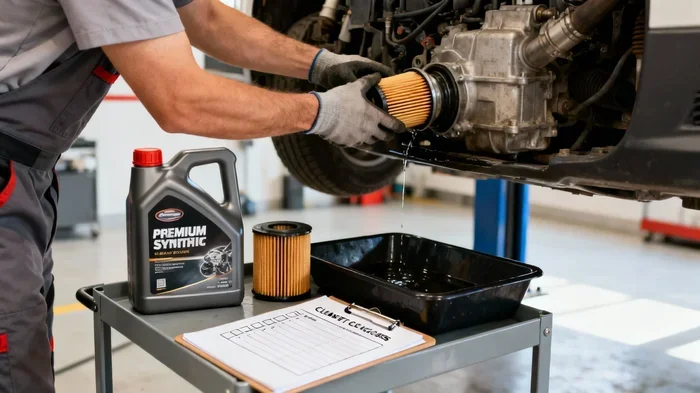
While the oil is draining, remove the old oil filter. Use an oil filter wrench if it is tight. Before installing the new filter, rub a thin layer of fresh oil around the rubber gasket. This creates a better seal and makes future filter changes easier. Hand-tighten the new filter, then give it a quarter turn with the wrench.
Step 4: Add New Oil
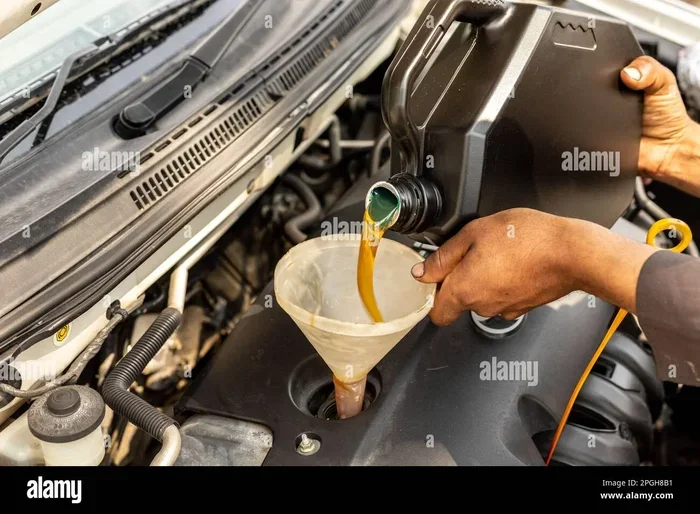
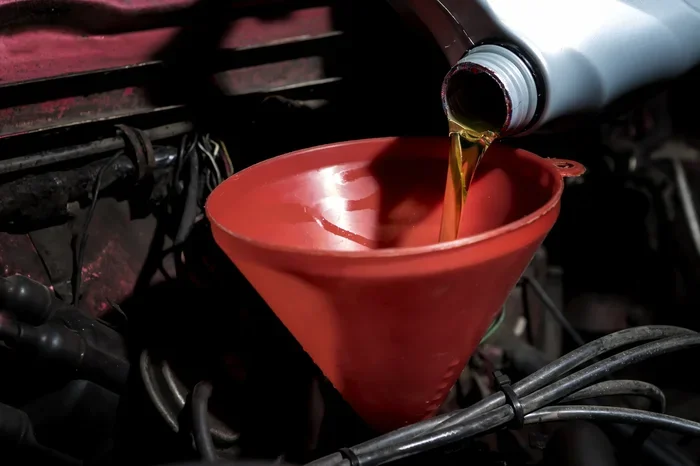
Now comes the filling part. Locate the oil fill cap on top of the engine. Remove it and insert a funnel. Pour in about three-quarters of the total engine oil capacity first. Then wait a minute for the oil to settle into the passages.
Use your dipstick to check the level. Add oil slowly in small increments until the level reaches the full mark on the dipstick. Do not pour it all in at once. It is much easier to add oil than to remove excess oil if you overfill.
Step 5: Clean Up and Dispose Properly
Wipe any spilled oil with a clean rag. Replace the oil fill cap securely. Take your used oil and old filter to a recycling center or auto parts store that accepts used oil. Never pour used oil down a drain or into the ground. It is toxic and harmful to the environment.
Quick Tips for Filling Oil
- Always use a funnel to prevent spills.
- Add oil in small amounts and check frequently.
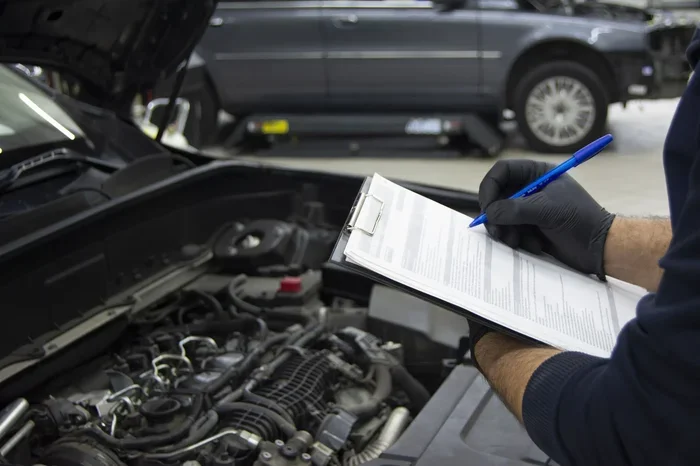
- Keep a record of your oil changes for future reference.
- Use the same brand and type of oil for consistency.
- Never mix different oil viscosities unless absolutely necessary.
Common Mistakes When Adding Oil
Even experienced car owners make mistakes when it comes to oil change routines. Knowing what to avoid can save you time, money, and headaches.
Overfilling the Engine
One of the most common errors is adding too much oil. When the oil level exceeds the maximum mark on the dipstick, the crankshaft can dip into the excess oil. This causes foaming, which reduces the oil’s ability to lubricate properly. In severe cases, overfilling can damage engine seals and gaskets.
If you accidentally overfill, do not panic. You can drain the excess oil through the drain plug, or have a shop remove it for you. The key is to act quickly and not drive long distances with too much oil in the crankcase.
Underfilling the Engine
Running your engine with too little oil is just as dangerous. Low oil levels mean insufficient lubrication for internal components. This leads to increased friction, overheating, and eventually engine wear. Over time, underfilling can cause catastrophic engine failure that costs thousands of dollars to repair.
If you notice your oil level dropping frequently, have a mechanic inspect your engine for leaks or burning oil. These could be signs of a deeper problem that needs attention.
Using the Wrong Oil Type
Every engine is designed for a specific oil viscosity grade. Using the wrong weight oil can affect performance and fuel economy. For example, using 10W-40 in an engine that requires 5W-30 may cause poor cold-weather starting and reduced fuel efficiency.
Always check your owner’s manual or the oil fill cap for the recommended oil type. If you are unsure, ask a professional at your local auto shop. They can confirm the right oil for your vehicle.
Skipping Oil Filter Replacement
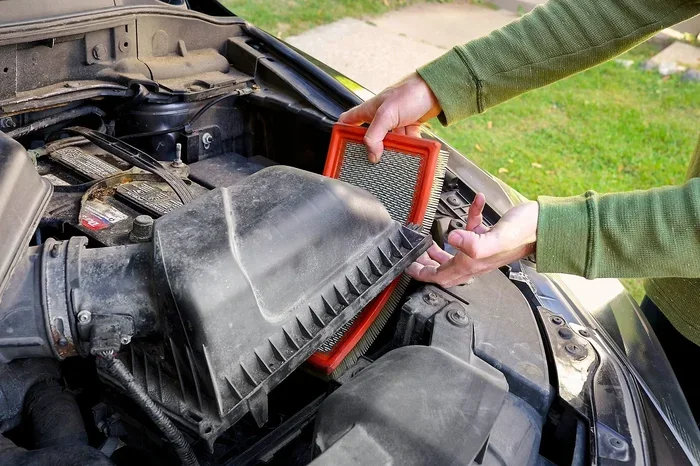
Some people change the oil but skip the filter. This is a mistake. The oil filter traps contaminants and keeps your motor oil clean. A clogged or old filter reduces oil flow and can cause premature engine wear. Always replace the filter during every oil change.
Ignoring Warning Signs
Your car gives you signals when something is wrong with the oil system. The oil pressure warning light on your dashboard is the most obvious one. Other signs include unusual engine noises, oil smells inside the cabin, and blue or gray exhaust smoke. Never ignore these warnings. Address them immediately to prevent serious engine damage.
When to See a Professional
While changing oil is a task many homeowners can handle, some situations call for a professional touch. If you are unsure about your engine’s oil capacity or feel uncomfortable doing it yourself, there is no shame in visiting a trusted mechanic.
You should also see a professional if you notice your engine consuming oil rapidly. A car that burns through a quart of oil every 1,000 miles may have worn piston rings or valve seals. These issues require expert diagnosis and repair.
Additionally, if you own a high-performance or luxury vehicle, the oil system may be more complex than a standard passenger car. Professionals have the tools and knowledge to handle these engines safely. They can also perform a full inspection while your car is on the lift.
Regular professional oil changes also give you a chance to catch other potential problems early. Mechanics often spot issues like small leaks, worn gaskets, or cooling system problems during routine service. Catching these early can save you from expensive repairs later.
Key Takeaways
- Engine capacity varies: Most cars need 4 to 8 quarts depending on engine size and type.
- Check your manual: Your owner’s manual provides the exact oil capacity for your specific vehicle.
- Use the dipstick: Always verify the oil level after filling to avoid overfilling or underfilling.
- Oil type does not change volume: Synthetic, conventional, and high-mileage oils all require the same number of quarts.
- Change the filter too: A new oil filter takes up space and affects total capacity.
- Dispose of used oil properly: Recycle at an approved center or auto parts store.
- When in doubt, ask for help: A professional mechanic can confirm your engine’s exact needs.
The bottom line is that understanding how many quarts of oil does it take to fill an engine is essential knowledge for every car owner. It empowers you to take control of your vehicle maintenance and keep your engine running at its best. Whether you drive a compact sedan or a powerful truck, getting the oil amount right is one of the simplest yet most impactful things you can do.
Make it a habit to check your oil regularly, use the right type, and never skip filter changes. These small actions add up to a longer-lasting, more reliable engine. Your car works hard for you every day. Taking a little time to care for it is the least you can do.
Start today. Pull out your owner’s manual, find your engine’s oil capacity, and make sure you have the right supplies on hand. A few quarts of the correct oil and a new filter can make all the difference. Your engine will thank you with smoother performance and better fuel economy for miles to come.
Frequently Asked Questions
How do I know if I put too much oil in my engine?
Check your dipstick after filling. If the oil level is above the maximum mark, you have overfilled. Other signs include blue smoke from the exhaust, a burning oil smell, or unusual engine noises. If you notice any of these, drain the excess oil immediately.
Can I mix different brands of motor oil?
Yes, in an emergency you can mix brands as long as they have the same viscosity grade. However, it is best to stick with one brand and type for consistent performance. Mixing different oil types or viscosities regularly can reduce the oil’s effectiveness.
How often should I check my oil level?
You should check your oil level at least once a month. It is also a good idea to check it before any long road trip. Regular checks help you catch leaks early and keep your engine properly lubricated.
Does synthetic oil last longer than conventional oil?
Yes, synthetic oil generally lasts longer between changes. It can go 7,500 to 15,000 miles depending on your vehicle and driving conditions. Conventional oil typically needs to be changed every 3,000 to 5,000 miles. Always follow your manufacturer’s recommended oil change interval.
What happens if I drive with low oil?
Driving with low oil causes increased friction between engine parts. This leads to overheating, accelerated wear, and eventually engine failure. If your oil light comes on, pull over safely and check your oil level immediately. Add oil if needed or call for roadside assistance.
Is it normal for my engine to consume a little oil between changes?
Some oil consumption is normal, especially in older vehicles. Most manufacturers consider up to one quart per 1,000 miles acceptable. However, if you are using more than that, it could indicate a problem like worn piston rings or leaking valve seals. Have a mechanic inspect your engine if you notice excessive oil consumption.