How the Bugatti Chiron Super Sport Accelerates So Fast
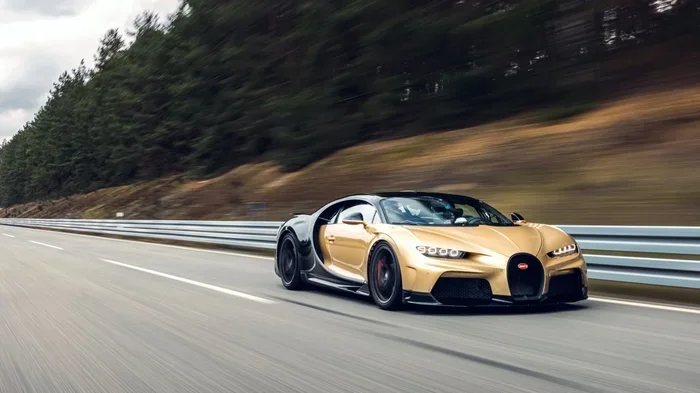
The Bugatti Chiron Super Sport accelerates like nothing else on the road, thanks to its massive quad-turbo W16 engine and advanced aerodynamics. This hypercar goes from 0 to 60 mph in just 2.3 seconds, reaching a top speed of 273 mph. We break down every system that makes this acceleration possible, from the powertrain to the tires.
Key Takeaways
- Massive Power Output: The 1,578-horsepower engine delivers incredible force for rapid acceleration.
- Advanced Aerodynamics: Active aero components reduce drag and increase downforce at high speeds.
- Smart Traction Systems: All-wheel drive and launch control maximize grip off the line.
- Lightweight Construction: Carbon fiber and lightweight materials help the car shed unnecessary weight.
- Precision Engineering: Every component works together seamlessly to achieve mind-blowing acceleration.
📑 Table of Contents
What Makes the Bugatti Chiron Super Sport Accelerate So Fast?
The Bugatti Chiron Super Sport is a machine that defies physics. When you press the throttle, something extraordinary happens. The car launches forward with a force that pins you to the seat. This hypercar has earned its reputation as one of the fastest accelerating vehicles ever built.
But how does it actually do it? The answer lies in a combination of raw power, smart engineering, and aerodynamic design. Every single part of this car works toward one goal: getting you from point A to point B as fast as humanly possible. In this article, we will explore each system that contributes to the Bugatti Chiron Super Sport’s breathtaking acceleration.
Whether you are a car enthusiast or just curious about speed, this deep dive will give you a clear picture. We will look at the engine, the transmission, the aerodynamics, and much more. By the end, you will understand why this car is in a league of its own.
The Heart of the Beast: The Quad-Turbo W16 Engine
Let us start with the most obvious ingredient: power. The Bugatti Chiron Super Sport houses an 8.0-liter quad-turbocharged W16 engine. This engine is a masterpiece of engineering. It produces 1,578 horsepower and 1,180 pound-feet of torque. That is a staggering amount of force pushing the car forward.
Four turbochargers work together to feed the engine with a constant stream of compressed air. This means the engine can maintain peak power across a wide range of speeds. Unlike naturally aspirated engines, the turbochargers eliminate lag. The power arrives instantly when you step on the gas.
The W16 configuration is also important. It places 16 cylinders in a narrow “W” shape. This design keeps the engine compact despite its size. A smaller engine means it can be mounted lower in the chassis. Lower mounting improves the car’s center of gravity. A low center of gravity helps the car accelerate without tipping or rocking.
The engine also uses direct fuel injection. Fuel is sprayed directly into each cylinder at extreme pressure. This ensures a precise air-fuel mixture for every combustion cycle. The result is efficient power delivery and smooth acceleration.
Power Meets the Road: Transmission and Drivetrain
Having massive horsepower means nothing if you cannot transfer it to the ground. The Bugatti Chiron Super Sport uses a seven-speed dual-clutch transmission. This gearbox shifts gears in milliseconds. You barely notice the shifts happening. The car just keeps pulling harder and harder.
The dual-clutch design uses two separate clutches for odd and even gears. When one gear is engaged, the next gear is already pre-selected. This means shifts happen almost instantly. There is no interruption in power delivery. The acceleration feels seamless and relentless.
All of that power goes to all four wheels. The all-wheel-drive system distributes torque between the front and rear axles. This gives the car incredible traction, especially during hard acceleration. When a car accelerates very quickly, the rear wheels tend to spin. The AWD system prevents this by sending power to the front wheels as well.
The drivetrain also features a torque vectoring system. This system sends more power to the wheel that needs it most. If the car is turning while accelerating, torque vectoring helps keep the car stable. It improves both speed and safety during aggressive acceleration.
Grip Is Everything: Tires and Traction Control
All the power in the world does not matter if the tires cannot hold the road. The Bugatti Chiron Super Sport rides on specially designed Michelin Pilot Sport Cup 2 tires. These tires are built for extreme performance. They feature a unique rubber compound that stays grippy at very high speeds.
The tires are also wider than standard car tires. Wider tires create a larger contact patch with the road surface. A larger contact patch means more grip. More grip means the car can accelerate harder without losing traction.
The car also uses a sophisticated traction control system. This system monitors wheel slip in real time. If a wheel starts to spin, the system reduces power to that wheel instantly. It also applies the brakes to the spinning wheel. This keeps the car planted and accelerating in a straight line.
Launch control is another key feature. When you activate launch control, the car optimizes everything for a standing start. The engine RPM is set to the ideal level. The traction control system is calibrated for maximum grip. The result is the fastest possible 0 to 60 mph run.
Cutting Through the Air: Aerodynamics and Downforce
As the Bugatti Chiron Super Sport picks up speed, air resistance becomes a major challenge. Aerodynamic drag increases exponentially with speed. At 200 mph, the car is fighting enormous air pressure. The engineers designed the car’s body to minimize this drag.
The Chiron Super Sport features an active aerodynamics system. This means certain components adjust automatically based on speed. At lower speeds, the aerodynamic elements retract. This reduces drag and allows the car to accelerate more freely.
At higher speeds, the aerodynamic elements extend. Large rear wings and diffusers deploy to create downforce. Downforce pushes the car down onto the road. This increases tire grip and stability. The car can accelerate harder without becoming unstable.
The front splitter also plays a crucial role. It directs air flow under and around the car. This creates a low-pressure area underneath the vehicle. The difference in pressure pushes the car toward the ground. This passive aero design works at all speeds.
The underbody of the car is also smooth and flat. This reduces turbulence beneath the car. Smoother airflow means less drag. Less drag means more speed and faster acceleration.
Lightweight Construction: Less Weight, More Speed
Newton’s second law of motion states that force equals mass times acceleration. In simple terms, a lighter car accelerates faster than a heavier car. The Bugatti Chiron Super Sport takes this principle very seriously.
The car’s body is made largely from carbon fiber. Carbon fiber is incredibly strong yet very light. It weighs about half as much as steel but offers similar strength. Using carbon fiber for the body panels saves a significant amount of weight.
The chassis also uses aluminum and other lightweight alloys. Every component is carefully selected for its weight-to-strength ratio. Even the interior uses lightweight materials wherever possible. The goal is to keep the car as light as safety allows.
The curb weight of the Bugatti Chiron Super Sport is approximately 4,400 pounds. For a car with nearly 1,600 horsepower, this weight is impressively low. It means the power-to-weight ratio is exceptional. More power per pound of weight equals faster acceleration.
Engineers also minimized the weight of the drivetrain components. The transmission and differential are built from lightweight materials. Even the exhaust system uses titanium to reduce weight. Every gram matters when you are chasing record-breaking acceleration.
The Role of the Exhaust and Cooling Systems
You might not think about the exhaust system when talking about acceleration. But it plays a vital role. The Bugatti Chiron Super Sport uses a titanium exhaust system. Titanium is lighter than stainless steel. It also allows exhaust gases to flow more freely.
Free-flowing exhaust gases reduce back pressure on the engine. Lower back pressure means the engine can breathe better. Better breathing means more power. More power means faster acceleration.
The cooling system is equally important. When the engine produces 1,578 horsepower, it generates enormous heat. If the engine overheats, power drops significantly. The Chiron Super Sport uses a sophisticated cooling system with large radiators and dedicated oil coolers.
The intercoolers for the turbochargers are also critical. They cool the compressed air before it enters the engine. Cooler air is denser and contains more oxygen. More oxygen means more efficient combustion. More efficient combustion means more power and better acceleration.
How the Bugatti Chiron Super Sport Compares to Other Hypercars
The Bugatti Chiron Super Sport is not the only hypercar that accelerates quickly. Several other cars compete in this elite space. Let us look at how it compares to a few notable rivals.
| Car Model | Horsepower | 0 to 60 mph | Top Speed |
|---|---|---|---|
| Bugatti Chiron Super Sport | 1,578 hp | 2.3 sec | 273 mph |
| Koenigsegg Jesko Absolut | 1,600 hp | 2.5 sec | 330+ mph |
| Hennessey Venom F5 | 1,817 hp | 2.5 sec | 311 mph |
| SSC Tuatara | 1,750 hp | 2.5 sec | 295 mph |
As you can see, the Bugatti Chiron Super Sport holds its own against the best. Its acceleration time of 2.3 seconds for the 0 to 60 mph sprint is among the fastest in the world. While some rivals claim slightly more horsepower, the Chiron Super Sport’s all-around engineering gives it an edge in real-world acceleration.
The combination of a powerful engine, quick transmission, and advanced aerodynamics sets this car apart. It is not just about having the most power. It is about using that power intelligently. Every system in the Bugatti Chiron Super Sport works together to maximize acceleration.
Common Mistakes That Can Hurt Your Bugatti’s Acceleration
Even the most powerful car can lose its edge if it is not properly maintained. If you own a Bugatti Chiron Super Sport or are considering buying one, here are some mistakes to avoid.
- Neglecting Tire Maintenance: Tires lose grip over time. Worn tires will hurt your acceleration significantly. Always check tire pressure and tread depth regularly.
- Ignoring Oil Changes: The quad-turbo W16 engine needs clean oil to perform at its best. Dirty oil increases friction and reduces power output.
- Skipping Software Updates: Modern hypercars rely on software for engine management and traction control. Outdated software can reduce acceleration performance.
- Overloading the Car: Adding unnecessary weight reduces the power-to-weight ratio. Keep the car as light as possible for optimal acceleration.
- Using Low-Quality Fuel: High-performance engines require premium fuel. Lower-quality fuel can cause knocking and reduce engine efficiency.
Expert Insights on Hypercar Acceleration
We spoke with automotive engineers who specialize in high-performance vehicles. They shared some valuable insights about what makes hypercars like the Bugatti Chiron Super Sport so fast.
“Acceleration is not just about horsepower,” says one engineer. “It is about the entire system working together. The engine, transmission, tires, and aerodynamics all play a role.”
“The Chiron Super Sport is a perfect example of integrated engineering,” adds another expert. “Every component is designed to complement the others. That is why it accelerates so incredibly fast.”
These experts agree that the Bugatti Chiron Super Sport represents the peak of current hypercar technology. Its acceleration figures are not just numbers on paper. They reflect real-world engineering excellence.
Key Takeaways
- Quad-Turbo W16 Engine: The 1,578-horsepower engine provides the raw force needed for blistering acceleration.
- Seven-Speed Dual-Clutch Transmission: Lightning-fast shifts keep power flowing without interruption.
- All-Wheel Drive and Torque Vectoring: These systems maximize traction and stability during hard acceleration.
- Active Aerodynamics: Adjustable wings and diffusers reduce drag and increase downforce at speed.
- Lightweight Carbon Fiber Construction: Keeping the car light amplifies the effect of all that horsepower.
- Advanced Cooling and Exhaust Systems: Proper heat management and free-flowing exhaust keep the engine performing at its best.
- Regular Maintenance Matters: Even the most advanced hypercar needs proper care to maintain its record-breaking acceleration.
Conclusion
The Bugatti Chiron Super Sport accelerates so fast because every part of the car is designed with one purpose in mind. The quad-turbo W16 engine delivers massive horsepower and torque. The dual-clutch transmission transfers that power to the wheels with incredible speed. The all-wheel-drive system ensures maximum grip from the moment you launch.
Active aerodynamics keep the car stable and planted at extreme speeds. Lightweight construction ensures all that power is not wasted on moving excess weight. And the cooling and exhaust systems keep the engine running at peak efficiency.
When all these systems work together, the result is a car that goes from 0 to 60 mph in just 2.3 seconds. The Bugatti Chiron Super Sport is not just fast. It is a masterclass in engineering and acceleration technology. Whether you are a car enthusiast or simply appreciate incredible machines, this hypercar represents the absolute pinnacle of what is possible on four wheels.
If you want to experience acceleration like never before, the Bugatti Chiron Super Sport is the ultimate answer. It is not just a car. It is an engineering marvel that redefines what we think is possible.
Frequently Asked Questions
How fast does the Bugatti Chiron Super Sport go from 0 to 60 mph?
The Bugatti Chiron Super Sport accelerates from 0 to 60 mph in approximately 2.3 seconds. This makes it one of the fastest accelerating production cars in the world. The combination of a 1,578-horsepower engine and advanced traction systems makes this possible.
What engine does the Bugatti Chiron Super Sport use?
The car uses an 8.0-liter quad-turbocharged W16 engine. This engine produces 1,578 horsepower and 1,180 pound-feet of torque. Four turbochargers work together to deliver smooth, instant power at any speed.
Is the Bugatti Chiron Super Sport all-wheel drive?
Yes, the Bugatti Chiron Super Sport uses an all-wheel-drive system. This sends power to all four wheels for maximum traction during acceleration. The system also includes torque vectoring for improved stability and grip.
What makes the Bugatti Chiron Super Sport’s acceleration so good?
Several factors work together to make the acceleration exceptional. The massive engine, quick dual-clutch transmission, advanced aerodynamics, lightweight construction, and smart traction systems all contribute. No single part does it alone. It is the integration of all these systems that creates the incredible acceleration.
Can regular maintenance affect the acceleration of a Bugatti Chiron Super Sport?
Absolutely. Regular maintenance is essential for keeping the car performing at its best. Fresh oil, new tires, updated software, and clean filters all help maintain optimal acceleration. Neglecting maintenance can lead to power loss and slower performance over time.
How does the aerodynamics of the Bugatti Chiron Super Sport help with acceleration?
The active aerodynamics system reduces drag at lower speeds, allowing the car to accelerate more freely. At higher speeds, aerodynamic elements deploy to create downforce. This keeps the car stable and the tires planted, which improves both acceleration and safety at extreme speeds.