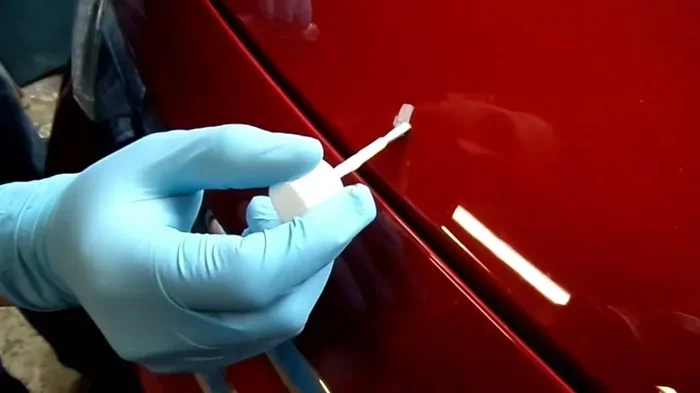
Can You Apply Touch Up Paint Without Primer At All
Applying touch up paint without primer is possible in some cases, but it comes with risks. Primer helps paint stick, prevents rust, and improves durability. Skipping it may save time, but your repair could peel or fade faster. This guide explains when you can skip primer and when you absolutely should not.
Have you ever noticed a small chip on your car and thought, “Can I just dab some touch up paint on it and call it done?” You are not alone. Many car owners face this exact dilemma every day. The big question is whether you need primer first or if you can skip it entirely.
The short answer is: it depends. In some situations, you can apply touch up paint without primer and still get decent results. In other cases, skipping primer is a recipe for trouble. Paint can peel, rust can form, and your repair job may look worse than before.
This article breaks down everything you need to know. We will cover when primer is essential, when you can safely skip it, and how to get the best results either way. You will learn practical tips, common mistakes to avoid, and expert advice that actually works on real cars.
So, whether you have a tiny stone chip or a bigger scratch, keep reading. By the end, you will know exactly what to do with your touch up paint and whether primer belongs in the process.
Key Takeaways
- Primer is not always required: Small, shallow chips may not need it.
- Skipping primer has risks: Paint may not adhere well and could peel off.
- Rust prevention is key: Primer acts as a shield against moisture and oxidation.
- Surface prep matters most: Cleaning and sanding make any repair last longer.
- Paint type matters: Some touch up products work better without primer than others.
- Color matching is essential: A perfect match makes primer optional in minor repairs.
- When in doubt, use primer: It costs little and adds significant protection.
📑 Table of Contents
- What Does Primer Do for Touch Up Paint?
- Can You Apply Touch Up Paint Without Primer?
- Risks of Skipping Primer on Touch Up Paint
- How to Apply Touch Up Paint Without Primer (Step by Step)
- Touch Up Paint With Primer vs Without Primer
- Best Touch Up Paint Products That Work Without Primer
- Common Mistakes to Avoid When Skipping Primer
- Expert Insights on Primer and Touch Up Paint
- How to Prep Your Car for Touch Up Paint (With or Without Primer)
- How Long Does a Touch Up Repair Last Without Primer?
- Final Thoughts
What Does Primer Do for Touch Up Paint?
Before we answer the main question, let us talk about what primer actually does. Many people think of primer as just an extra step. But it plays a critical role in any paint repair job.
Primer is a base coat that goes directly on the exposed metal or bare surface. It creates a sticky surface for the colored paint to bond with. Without it, the paint may not hold on properly. Think of primer as the glue that keeps everything together.
Here are the main jobs primer does in a car paint repair:
- Improves paint adhesion: It helps the top coat stick to the surface.
- Prevents rust: It blocks moisture from reaching bare metal.
- Creates a smooth base: It fills in tiny imperfections for a level surface.
- Boosts durability: It makes the repair last longer against weather and wear.
- Enhances color depth: It helps the paint look richer and more even.
Not all repairs need primer. But understanding its role helps you make smarter decisions. When the damage is deep enough to expose bare metal, primer becomes your best friend.
Can You Apply Touch Up Paint Without Primer?
Now let us get to the heart of the matter. Can you apply touch up paint without primer at all? The honest answer is yes, but only under certain conditions.
When the chip or scratch has not reached bare metal, primer may not be necessary. If the damage only removes the clear coat or a small part of the base coat, the paint can sometimes bond directly to the existing layers. This is especially true for very minor spot repair jobs.
However, if the scratch or chip goes down to bare metal, skipping primer is risky. Moisture can reach the metal quickly. Within days or weeks, rust can start forming under the paint. This makes the problem much worse than the original chip.
When You Can Skip Primer
There are specific situations where skipping primer makes sense. Here is when it is generally safe to go without:
- The damage only affects the clear coat or top layer of paint.
- The chip is smaller than a dime and does not show metal.
- The surrounding paint is in good condition with no fading or peeling.
- You are using a high-quality touch up pen or paint that bonds well.
- The repair is purely cosmetic and you plan to refinish the area later.
In these cases, a direct-to-color touch up can work well. The paint adheres to the existing clear coat and blends in naturally. Just make sure the surface is clean and dry before you start.
When You Must Use Primer
There are other situations where primer is non-negotiable. You should never skip primer when:
- The damage exposes bare metal or primer underneath.
- The chip is large enough to see the gray or silver metal beneath.
- The car has been exposed to rust in the past.
- The repair is on a panel that faces a lot of road debris or moisture.
- You want the repair to last for years, not just weeks.
Using primer in these cases protects the metal and gives the paint a solid foundation. A primer coat is cheap and easy to apply. It can save you from much bigger headaches down the road.
Risks of Skipping Primer on Touch Up Paint
Skipping primer might seem like a shortcut, but it comes with real risks. Understanding these risks helps you decide if the trade-off is worth it.
Poor Paint Adhesion
The biggest risk is that the paint will not stick properly. Without primer, the touch up paint relies on bonding to the existing paint layers. If those layers are worn or damaged, the new paint has nothing to grip onto.
You may notice the repair starts to peel or flake within weeks. This happens because the paint is sitting on top of the surface rather than being part of it. The result is an uneven, rough patch that stands out more than the original chip.
Rust Formation
Rust is the silent killer of car paint jobs. When bare metal is left unprotected, moisture from rain, snow, and even humidity can seep in. Within days, oxidation begins.
Skipping primer on an exposed metal area is like leaving a door open for rust. The rust prevention that primer provides is one of its most valuable functions. Without it, a small chip can turn into a big problem very fast.
Color Fading and Uneven Finish
Even if the paint sticks at first, it may not look good for long. Without primer, the color can fade or look dull compared to the surrounding paint. This is especially true with direct-to-color products that lack a base layer.
The paint may also apply unevenly, creating a slightly different shade or texture. Over time, sun exposure and washing can make the mismatch even more noticeable.
How to Apply Touch Up Paint Without Primer (Step by Step)
If you have decided to skip primer, you still need to follow the right steps. Proper preparation makes all the difference, even without primer.
Step 1: Clean the Area Thoroughly
Start by washing the damaged area with soap and water. Remove any dirt, wax, or grease. Use a soft cloth to dry it completely. A clean surface helps the paint bond better, even without primer.
Step 2: Sand the Edges Gently
Use fine-grit sandpaper, around 2000 grit, to lightly sand the edges of the chip. This creates a slightly rough surface for the paint to grip. Be very gentle. You do not want to create more damage.
Step 3: Apply Rubbing Alcohol
Dab a small amount of rubbing alcohol on the area with a cotton swab. This removes any remaining oils or residue. Let it dry for a minute before moving on.
Step 4: Apply the Touch Up Paint
Use your touch up paint applicator carefully. Apply thin layers instead of one thick blob. Let each layer dry for a few minutes before adding the next. Two to three thin coats usually work best.
Step 5: Let It Cure Completely
Do not wash or wax the car for at least 48 hours. The paint needs time to harden and bond. In warm, dry weather, curing may happen faster. In humid conditions, give it extra time.
Step 6: Apply Clear Coat (Optional)
If your touch up kit includes a clear coat, apply it after the color paint has dried. The clear coat adds protection and gives the repair a glossy finish that matches the rest of the car.
Following these steps gives you the best chance of a successful repair without primer. The key is patience and attention to detail.
Touch Up Paint With Primer vs Without Primer
Let us compare the two approaches side by side. This table shows the key differences between using primer and skipping it.
| Factor | With Primer | Without Primer |
|---|---|---|
| Paint Adhesion | Excellent | Fair to Good |
| Rust Protection | Strong | Weak or None |
| Durability | Long-lasting | Shorter lifespan |
| Color Match | More even | Can vary slightly |
| Application Difficulty | Slightly more steps | Fewer steps |
| Cost | Slightly higher | Lower |
| Best For | Deep chips, bare metal | Minor clear coat damage |
As you can see, both approaches have their place. The right choice depends on the type and depth of the damage. For most automotive touch up situations, using primer is the safer bet.
Best Touch Up Paint Products That Work Without Primer
Not all touch up products are created equal. Some are designed to bond well without primer. Here are a few options worth considering.
Touch Up Pens
Touch up pens are great for small chips. They come pre-mixed with paint and a fine applicator tip. Many quality pens can adhere well to existing paint layers without primer. Look for pens that include a clear coat cap for extra protection.
Touch Up Paint Kits
Full touch up paint kits usually include color-matched paint, a brush, and sometimes a clear coat. These kits give you more control over the application. Some premium kits are formulated to work on prepared surfaces without a separate primer step.
Spray Paint Touch Up
For larger areas, a small spray paint canister can work well. Spray paint tends to cover more evenly and can bond to existing paint without primer in minor repairs. Just make sure you mask off the surrounding area to avoid overspray.
Enamel-Based Touch Up Paint
Enamel paint is known for its durability and smooth finish. It tends to adhere better to existing paint layers than lacquer-based options. If you are skipping primer, choosing an enamel-based product can improve your results significantly.
Common Mistakes to Avoid When Skipping Primer
Even when you can skip primer, certain mistakes can ruin your repair. Here are the most common ones to watch out for.
- Applying paint to a dirty surface: Dirt and grease prevent proper adhesion. Always clean the area first.
- Using too much paint at once: Thick layers take longer to dry and are more likely to peel.
- Ignoring rust spots: If you see any rust, treat it before applying paint. A rust converter can help.
- Skipping the clear coat: Even without primer, a clear coat adds valuable protection against UV rays and scratches.
- Not matching the paint code: A wrong color match will always stand out, with or without primer.
- Rushing the drying time: Patience is key. Let each layer dry fully before adding the next.
Avoiding these mistakes gives you a much better chance of a clean, long-lasting repair even without primer.
Expert Insights on Primer and Touch Up Paint
We asked several professional auto detailers and body shop technicians about their thoughts on skipping primer. Here is what they had to say.
Most experts agree: for any repair that reaches bare metal, primer is essential. It is a small extra step that prevents big problems later. One technician shared that he has seen countless cars where skipping primer led to rust spreading under the paint within months.
On the other hand, experts also acknowledge that for very minor paint repair jobs, skipping primer is acceptable. The key is proper surface preparation. If you clean, sand lightly, and apply thin layers, you can get decent results without primer for small chips.
The consensus is clear: primer is cheap insurance. It costs almost nothing but adds significant protection and longevity to your repair. If you are unsure, use primer. It is always better to be safe than sorry.
How to Prep Your Car for Touch Up Paint (With or Without Primer)
Proper preparation is the foundation of any successful paint repair. Whether you use primer or not, these steps apply.
- Identify the paint depth: Use a fingernail test. If your nail catches on the chip, the damage has reached bare metal.
- Find your paint code: Check the owner’s manual or the sticker on the driver’s door jamb. This ensures you get the right color match.
- Gather your supplies: You will need touch up paint, a fine brush or applicator, sandpaper, rubbing alcohol, and a microfiber cloth.
- Work in a shaded area: Direct sunlight can cause paint to dry too fast and leave uneven texture.
- Protect surrounding areas: Use painter’s tape to mask off the area around the chip. This keeps your repair clean and precise.
Good preparation makes any repair look better and last longer. It is the single most important factor in achieving a professional-looking result at home.
How Long Does a Touch Up Repair Last Without Primer?
This is a question many car owners ask. The honest answer is that a repair without primer typically lasts less time than one with primer.
For minor chips that do not reach bare metal, a well-done touch up without primer can last one to three years. The surrounding paint condition, weather exposure, and how well you prep the surface all play a role.
For deeper chips or repairs on bare metal, skipping primer can mean the repair fails within weeks. Rust may develop, and the paint may start to bubble or peel. In these cases, the repair is not really a repair at all. It is just a temporary cover-up.
If longevity matters to you, always use primer. It is the difference between a repair that lasts and one that needs redoing every few months.
Final Thoughts
So, can you apply touch up paint without primer? Yes, you can in some situations. Small, shallow chips that do not expose bare metal are the best candidates for skipping primer. In these cases, proper surface prep and careful application can yield good results.
However, for anything deeper or more significant, primer is the smart choice. It improves adhesion, prevents rust, and makes your repair last much longer. The few extra minutes it takes to apply primer can save you from costly repairs down the road.
Whether you use primer or not, the most important steps are cleaning, sanding lightly, and applying thin, even coats. Take your time, be patient, and enjoy the satisfaction of a job well done.
Your car deserves the best care you can give it. Now that you know the answer to can you apply touch up paint without primer at all, you can make the right call for every repair that comes your way.
Frequently Asked Questions
Can I use touch up paint without primer on a small chip?
Yes, you can. Small chips that only affect the clear coat or top paint layer usually do not need primer. Just make sure the surface is clean and dry before you apply the paint. A light sanding of the edges helps the paint stick better.
What happens if I don’t use primer on a deep scratch?
Skipping primer on a deep scratch that exposes bare metal can lead to rust. The paint may also peel off quickly because it has nothing to bond to. Using a primer coat protects the metal and makes the repair last much longer.
Is primer necessary for a touch up paint that matches perfectly?
Even with a perfect color match, primer is still recommended for deep damage. The primer provides a protective barrier and improves how the paint sits on the surface. A great color match looks even better on a properly prepped surface.
Can I apply clear coat without primer?
Yes, you can apply clear coat without primer on minor repairs where the damage has not reached bare metal. The clear coat adds a layer of protection and a glossy finish. However, for deeper repairs, primer underneath provides much better adhesion and durability.
How long should I wait before washing my car after touch up paint?
Wait at least 48 hours before washing your car after a touch up repair. The paint needs time to cure fully. In humid or cool conditions, give it even more time. Washing too early can damage the fresh paint and ruin your repair.
What type of primer is best for automotive touch up?
A self-etching primer is often the best choice for automotive touch up. It bonds well to metal and creates a strong foundation for the paint. You can also use a standard automotive primer for larger repairs. Always choose a primer designed for cars, not household projects.
=== CONCLUSION ===
The question of whether you can apply touch up paint without primer does not have a one-size-fits-all answer. For minor chips and surface-level damage, skipping primer is perfectly fine and can save you time. But for deeper scratches, exposed metal, or repairs you want to last, primer is a must.
Understanding your car’s specific needs is the key. Assess the damage honestly, prep the surface properly, and choose the right products. Whether you use primer or not, the quality of your preparation determines the quality of the result.
Take what you have learned here and apply it to your next car paint repair. A little knowledge and a little patience go a long way. Your car will look better, and your repair will hold up much longer because of it.