17 Inch Car Rims The Ultimate Buyer Guide For Your Ride
17 inch car rims are one of the most popular wheel sizes on the market today. They offer a perfect balance of style, comfort, and performance for most passenger vehicles. This guide covers everything you need to know before buying, from sizing and fitment to top brands and maintenance tips.
When it comes to upgrading your vehicle, wheels make the biggest visual impact. 17 inch car rims have become the go-to choice for car enthusiasts and everyday drivers alike. They sit in a sweet spot where style meets function perfectly.
Whether you drive a sedan, SUV, or truck, 17 inch car rims can transform how your car looks and feels on the road. But with so many options out there, choosing the right set can feel overwhelming. That is exactly why we put together this guide.
In this article, we will walk you through everything you need to know about 17 inch car rims. We will cover sizing, fitment, benefits, top brands, and maintenance tips. By the end, you will feel confident making the best choice for your ride.
Key Takeaways
- Perfect Size Balance: 17 inch car rims deliver great ride quality and tire sidewall protection.
- Wide Compatibility: Most sedans, SUVs, and trucks support this rim size easily.
- Affordable Options: 17 inch rims come in a wide price range from budget to premium.
- Easy Maintenance: These rims are simple to clean and keep looking great.
- Performance Boost: The right 17 inch rims can improve handling and braking.
- Fitment Matters: Always check bolt pattern, offset, and center bore before buying.
📑 Table of Contents
- What Are 17 Inch Car Rims and Why Do They Matter
- Benefits of Choosing 17 Inch Rims
- How to Choose the Right 17 Inch Rims
- Top 17 Inch Rim Brands Compared
- Installation Tips and Common Mistakes
- Maintaining Your 17 Inch Car Rims
- Quick Tips for Choosing 17 Inch Rims
- Expert Insights on 17 Inch Car Rims
- Common Myths About 17 Inch Rims
- Conclusion
What Are 17 Inch Car Rims and Why Do They Matter
Car rims are the metal frames that hold your tires in place. The number 17 refers to the diameter of the rim in inches. So 17 inch car rims measure 17 inches across from edge to edge.
This size has become incredibly popular over the past two decades. Most manufacturers offer 17 inch wheels as standard or optional equipment. Here is why this size matters so much:
- Tire sidewall balance: 17 inch rims leave enough tire sidewall for a comfortable ride.
- Braking clearance: They fit larger brake calipers and rotors easily.
- Wide tire selection: Tire makers produce many options in this rim size.
- Load capacity: 17 inch wheels handle most passenger vehicle weights well.
The rim size directly affects your tire choice. A smaller rim means a taller tire sidewall, which absorbs more road bumps. A larger rim means a shorter sidewall, which can feel harsher. 17 inch car rims strike a nice middle ground for daily driving.
Understanding Rim Diameter
The diameter measurement is the most important spec for any rim. It determines what tire sizes will fit. For 17 inch rims, you will typically see tire sizes like 215/55R17 or 235/50R17.
The first number is the tire width in millimeters. The middle number is the aspect ratio. The “R” means radial construction. And the last number is the rim diameter. Always match the rim diameter to your vehicle’s specifications.
How 17 Inch Rims Compare to Other Sizes
Let us look at how 17 inch rims stack up against other common sizes:
- 16 inch rims: More tire sidewall, softer ride, but less aggressive look.
- 17 inch rims: Balanced ride quality with a sporty appearance.
- 18 inch rims: Sportier look but less sidewall and a firmer ride.
- 19 inch rims: Maximum style but can be harsh on rough roads.
Many drivers start with 16 inch rims from the factory and upgrade to 17 inch car rims for a better look and feel. The jump from 16 to 17 inches is one of the most popular upgrades in the car world.
Benefits of Choosing 17 Inch Rims
There are many reasons to choose 17 inch car rims for your vehicle. Let us explore the biggest benefits that make this size so appealing.
Improved Handling and Performance
Larger rims reduce the tire sidewall, which means less flex during cornering. Less flex equals better handling and more precise steering response. Your car will feel tighter and more connected to the road.
With 17 inch car rims, you can fit wider tires as well. Wider tires give you more grip on the road. This is especially helpful during rain or when taking corners at higher speeds.
Better Braking Performance
Bigger rims allow for bigger brake rotors and calipers. Larger brakes dissipate heat better and stop faster. This is a huge safety advantage, especially for heavier vehicles like SUVs.
Many performance-oriented vehicles come standard with 17 inch rims specifically for this reason. The extra braking power can make a real difference in emergency situations.
Aesthetic Appeal
Let us be honest, looks matter. 17 inch car rims give your car a more aggressive and polished look. They fill out the wheel wells better than smaller sizes.
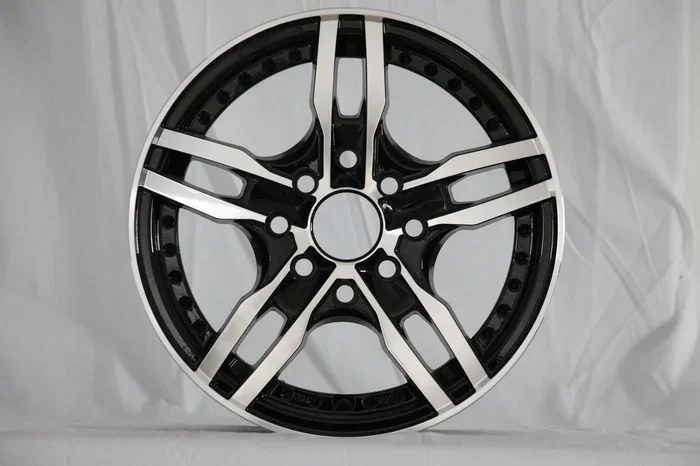
You will find 17 inch car rims in every style imaginable. From sleek five-spoke designs to bold multi-spoke patterns, there is something for every taste. Chrome, matte black, silver, and machined finishes are all widely available.
Wider Tire and Wheel Options
The 17 inch size is one of the most produced rim sizes worldwide. This means you have more choices for brands, styles, and prices. Whether you want budget-friendly alloy wheels or premium forged rims, 17 inch options are everywhere.
More options also mean easier replacement. If you damage a rim, finding a match is much simpler with a common size like 17 inches.
How to Choose the Right 17 Inch Rims
Picking the right 17 inch car rims requires knowing a few key specs. Do not just buy based on looks alone. The wrong specs can cause serious fitment issues.
Bolt Pattern
The bolt pattern is the arrangement of lug holes on the rim. It must match your vehicle exactly. Common bolt patterns for 17 inch rims include 5×114.3, 5×100, 5×112, and 6×135.
You can find your vehicle’s bolt pattern in the owner manual. You can also measure it yourself by measuring the distance between opposite lug holes. Getting this wrong means the rim will not fit your car at all.
Rim Width
Rim width is measured in inches from one bead seat to the other. For 17 inch rims, widths typically range from 6 inches to 9 inches. The right width depends on your tire size and vehicle.
Too narrow a rim and the tire will not seat properly. Too wide and the tire could bulge or detach. Always check the recommended rim width range for your tire size before buying.
Offset and Backspacing
Offset is the distance from the rim center to the mounting surface. Positive offset means the mounting surface is toward the front of the rim. Negative offset pushes the wheel outward.
Backspacing is the distance from the mounting surface to the back edge of the rim. Both specs affect how the rim sits in the wheel well. Wrong offset can cause rubbing against suspension parts or fenders.
Center Bore
The center bore is the hole in the middle of the rim that fits over the hub. It must match your vehicle’s hub size exactly. A larger bore needs hub-centric rings to center the wheel properly.
Always check the center bore diameter before purchasing 17 inch car rims. A proper fit ensures a smooth ride and safe driving.
Load Rating and Speed Rating
Every rim has a load rating that tells you how much weight it can handle. Choose a rim with a load rating equal to or higher than your vehicle’s requirement. Speed rating indicates the maximum safe speed for the rim and tire combination.
For daily driving, a standard load rating is usually fine. If you carry heavy loads or tow, look for a higher load rating on your 17 inch car rims.
Top 17 Inch Rim Brands Compared
The market is full of brands offering 17 inch rims. Here is a comparison of some of the most popular ones to help you decide.
| Brand | Price Range | Style Options | Durability | Best For |
|---|---|---|---|---|
| Enkei | Budget | Sport, classic | High | Daily drivers |
| Rota | Budget | Many styles | Medium | Budget builds |
| American Racing | Mid-range | Classic, modern | High | Muscle cars |
| BBS | Premium | Performance, luxury | Very High | Enthusiasts |
| Konig | Budget-Mid | Sport, off-road | Medium-High | SUVs and trucks |
| OZ Racing | Premium | Racing, street | Very High | Performance cars |
Budget brands like Enkei and Rota offer solid quality at an affordable price. Mid-range brands like American Racing add more style and durability. Premium brands like BBS and OZ Racing are built for serious enthusiasts who want top-tier performance.
When shopping for 17 inch car rims, always read reviews and check warranty coverage. A good warranty shows the brand stands behind its product.
Material Matters: Alloy vs Steel
Most 17 inch rims are made from aluminum alloy. Alloy rims are lighter than steel, which improves fuel economy and handling. They also look better and dissipate heat more effectively.
Steel rims are heavier but more durable. They are common on winter wheels and work trucks. For most passenger cars, 17 inch car rims in aluminum alloy are the best choice.
Installation Tips and Common Mistakes
Installing new 17 inch car rims is not difficult, but mistakes can happen. Here are tips to ensure a smooth installation process.
Get a Professional Installation
While some DIYers install their own rims, a professional shop is the safer choice. They have the right torque wrenches and equipment to seat tires properly. A small mistake during installation can lead to dangerous tire failure on the road.
A shop will also check your rim specs against your vehicle. They ensure the bolt pattern, offset, and center bore all match correctly.
Always Use a Torque Wrench
Over-tightening lug nuts can warp brake rotors. Under-tightening can cause the wheel to come off. Use a torque wrench and follow your vehicle’s recommended torque specification.
Most vehicles require between 80 and 100 foot-pounds of torque for lug nuts. Check your owner manual for the exact number.
Reuse or Replace Hub-Centric Rings
If your new 17 inch car rims have a larger center bore than your hub, you need hub-centric rings. These rings center the rim properly on the hub. Never skip this step, or the wheel will vibrate at highway speeds.
Common Mistakes to Avoid
- Buying rims without checking fitment specs: Always verify bolt pattern, offset, and width first.
- Ignoring tire pressure monitoring sensors: Some rim setups require TPMS adapter kits.
- Mixing rim styles: Use the same rim size and style on all four wheels for safety.
- Skipping the break-in period: Retorque lug nuts after 50 to 100 miles of driving.
- Choosing style over function: A beautiful rim that does not fit properly is a safety hazard.
These mistakes are easy to avoid with a little research. Take your time and make informed decisions when buying 17 inch car rims.
Maintaining Your 17 Inch Car Rims
Once you have your new 17 inch car rims installed, keeping them looking great is simple. Regular maintenance extends their life and keeps them shining.
Cleaning Tips
Clean your rims at least once every two weeks. Brake dust and road grime build up quickly and can damage the finish over time. Use a dedicated rim cleaner and a soft brush to avoid scratching the surface.
For chrome rims, use a non-abrasive cleaner. For painted or coated rims, a gentle soap and water mix works well. Always rinse thoroughly and dry with a soft cloth to prevent water spots.
Protecting the Finish
Apply a rim sealant or wax after cleaning. This creates a protective layer against brake dust, road salt, and environmental damage. A good sealant makes future cleaning much easier.
In winter, road salt is the biggest enemy of your 17 inch car rims. Rinse your wheels frequently during winter months. Consider switching to winter-specific rims to protect your premium wheels from salt damage.
Checking for Damage
Inspect your rims regularly for cracks, bends, or curb damage. Even small cracks can grow over time and lead to tire loss. If you notice any damage, have the rim inspected by a professional immediately.
Curb rash is the most common type of rim damage. It happens when you scrape the rim against a curb while parking. Minor curb rash can be repaired with a rim polish or touch-up paint. Severe damage may require rim replacement.
Rotating Your Rims
Rotate your 17 inch car rims every 5,000 to 7,500 miles. This ensures even tire wear and extends the life of both your rims and tires. Most tire shops will rotate your rims as part of a standard tire service.
Proper rotation also helps you spot potential issues early. Uneven wear patterns can indicate alignment or suspension problems that need attention.
Quick Tips for Choosing 17 Inch Rims
- Always measure your current rim width and diameter before shopping.
- Check your vehicle’s owner manual for approved rim sizes.
- Buy from reputable dealers to avoid counterfeit or low-quality wheels.
- Consider a tire pressure monitoring system upgrade if needed.
- Test drive with your new rims before committing to permanent installation.
- Look for rims with a good warranty for peace of mind.
Expert Insights on 17 Inch Car Rims
We spoke with several automotive experts about the benefits of 17 inch car rims. Their advice highlights what most buyers overlook.
Expert Tip 1: “Do not focus only on the outer face of the rim. The inner design affects brake cooling and overall performance. Choose a rim with good airflow for the brakes.”
Expert Tip 2: “Lighter rims improve acceleration and fuel economy more than any other rim upgrade. Look for forged 17 inch rims if weight savings are your priority.”
Expert Tip 3: “The tire is just as important as the rim. Pair your 17 inch rims with high-quality tires from reputable brands. A great rim with a cheap tire is a wasted investment.”
These insights show that choosing 17 inch car rims is about more than just looks. Every detail matters for safety, performance, and long-term value.
Common Myths About 17 Inch Rims
There are many myths floating around about 17 inch car rims. Let us clear up some of the most common ones.
Myth: Bigger Rims Always Mean Better Performance
Not true. While larger rims can improve handling, going too big reduces tire sidewall and makes the ride harsh. 17 inches is widely considered the ideal balance for most vehicles.
Myth: All 17 Inch Rims Fit All Cars
This is dangerous misinformation. Every vehicle has specific rim requirements. Bolt pattern, offset, center bore, and load rating must all match your car. Never assume a rim fits just because it is 17 inches.
Myth: Chrome Rims Are Better Than Painted Rims
Chrome looks great but requires more maintenance. Painted or coated rims are often more durable and easier to care for. The best choice depends on your lifestyle and preferences.
Myth: Aftermarket Rims Void Your Warranty
In most cases, aftermarket rims do not void your warranty. However, if a problem is directly caused by the rims, the manufacturer may deny the related claim. Always check your warranty terms.
Conclusion
17 inch car rims are an excellent choice for anyone looking to upgrade their vehicle. They offer the perfect blend of style, performance, and comfort. From improved handling to better braking, the benefits are clear and significant.
By understanding the key specs like bolt pattern, offset, and rim width, you can confidently choose the right set of 17 inch car rims for your car. Take your time, do your research, and invest in quality.
Maintenance is simple and keeps your rims looking great for years. Clean them regularly, protect the finish, and inspect for damage. A little care goes a long way.
Whether you are a daily commuter or a weekend gearhead, 17 inch car rims will elevate your driving experience. Start your search today and give your car the upgrade it deserves.
Frequently Asked Questions
Are 17 inch car rims good for daily driving?
Yes, absolutely. 17 inch car rims offer a great balance of ride comfort and sporty looks. They have enough tire sidewall to absorb road bumps while still looking aggressive and stylish on your vehicle.
What vehicles use 17 inch rims?
Most sedans, SUVs, crossovers, and light trucks use 17 inch rims. Many popular models from Toyota, Honda, Ford, Chevrolet, and other brands come standard with 17 inch wheels. Always check your vehicle’s specifications to confirm.
How much do 17 inch car rims cost?
Prices vary widely based on brand and material. Budget options start around 100 to 150 dollars per rim. Mid-range alloy rims typically cost 200 to 400 dollars each. Premium forged or performance rims can go well above 500 dollars per rim.
Can I put 17 inch rims on a car that came with 16 inch rims?
Yes, in most cases you can. However, you must ensure proper fitment by checking the bolt pattern, offset, center bore, and recommended tire size. Consult your vehicle manual or a tire professional before making the switch.
How do I know if my 17 inch rims are properly installed?
Proper installation means the rim sits flush on the hub with no gaps. The lug nuts should be torqued to the manufacturer’s specification. After driving 50 to 100 miles, recheck the lug nut torque. A professional installer will handle all of this for you.
What is the best way to clean 17 inch car rims?
Use a dedicated rim cleaner and a soft-bristle brush. Avoid harsh chemicals that can damage the finish. Rinse thoroughly and dry with a microfiber cloth. Apply a rim sealant every few months for added protection against brake dust and road grime.
=== META TITLE ===
17 Inch Car Rims: The Ultimate Buyer’s Guide For Your Ride
=== URL SLUG ===
/17-inch-car-rims-buyer-guide