How Do I Find Out What My Car Is Really Worth Today
Finding out what your car is worth doesn’t have to be confusing or expensive. Whether you are selling, trading in, or just curious, there are simple online tools and proven methods that give you an accurate car value estimate in minutes. This guide walks you through every step, from using free valuation calculators to understanding how factors like mileage, condition, and service history affect your car’s resale value.
If you have ever wondered what your car is really worth, you are not alone. Millions of car owners search for this answer every single day. Maybe you are thinking about selling. Maybe you want to trade in your vehicle. Or perhaps you just want to know where you stand financially. Whatever the reason, figuring out your car’s true value is easier than you think.
The good news is that you do not need to be a car expert to get a solid estimate. There are free tools, simple steps, and straightforward methods that anyone can use. In this guide, I will show you exactly how to find out what your car is worth today. We will cover online tools, factors that affect value, and tips to get the best price possible.
Let us dive right in. By the end of this article, you will have a clear picture of your car’s market value and the confidence to make smart decisions.
Key Takeaways
- Use online valuation tools: Platforms like Kelley Blue Book, Edmunds, and NADA Guides offer instant car value estimates based on your make, model, and condition.
- Know the three value types: Trade-in value, private party value, and dealer retail price all differ significantly.
- Your car’s condition matters most: Interior, exterior, mechanical health, and service records directly impact what your car is worth.
- Check comparable sales: Looking at similar vehicles sold near you gives you real-world market value data.
- Get multiple appraisals: Don’t rely on just one source. Use a combination of online tools and professional appraisals for the most accurate number.
- Timing affects price: Seasonal demand and market trends can shift your car’s value by hundreds or even thousands of dollars.
- Avoid common mistakes: Overvaluing your car, skipping the vehicle history report, and ignoring depreciation are the top errors sellers make.
📑 Table of Contents
- Why Knowing Your Car Value Matters
- Top Online Tools to Check What Your Car Is Worth
- Factors That Affect Your Car’s Value
- How to Get the Most Accurate Valuation
- Understanding Trade-In Value vs. Private Party Value
- Common Mistakes to Avoid When Valuing Your Car
- How Seasonal Trends Affect Car Value
- What to Do Once You Know What Your Car Is Worth
- Final Thoughts on Finding Out What Your Car Is Worth
Why Knowing Your Car Value Matters
Understanding your car’s worth is one of the most important things you can do as a vehicle owner. It affects your financial decisions in big ways. Whether you are buying, selling, or refinancing, knowing the market value of your car gives you power.
Here is why it matters so much:
- Selling smarter: When you know what your car is worth, you can set a fair price. You avoid asking too much and scaring buyers away. You also avoid asking too little and leaving money on the table.
- Better trade-in deals: Dealers often lowball trade-in offers. If you know the trade-in value ahead of time, you can negotiate from a position of strength.
- Loan and insurance decisions: Lenders and insurance companies use your car’s value to determine loan amounts and coverage. An accurate valuation helps you get the right deal.
- Avoiding negative equity: If you owe more on your car loan than it is worth, you are in a tough spot. Knowing your car’s value helps you understand your situation and plan accordingly.
Simply put, knowledge is money. The more you know about your car’s value, the better decisions you will make.
Top Online Tools to Check What Your Car Is Worth
The fastest way to get a car value estimate is by using online tools. These platforms use massive databases of real sales data to calculate what similar vehicles are selling for. Most of them are completely free and take just a few minutes to use.
Kelley Blue Book (KBB)
Kelley Blue Book is one of the most trusted names in car valuation. It has been around for decades and is used by millions of people. To use KBB, you simply enter your car’s make, model, year, trim level, and mileage. Then you select your car’s condition. The tool gives you three values: trade-in value, private party value, and dealer retail price.
KBB is great because it breaks down the numbers clearly. You can see exactly what you might get in different selling scenarios. It also lets you adjust for optional features like leather seats, a sunroof, or upgraded wheels, which can add value.
Edmunds
Edmunds is another top-tier tool for checking your car’s worth. It provides a True Market Value (TMV) estimate that is based on actual transaction data from dealerships and private sales across the country. Edmunds also gives you a detailed breakdown of what factors influence the price.
One thing I really like about Edmunds is its transparency. It shows you the range of prices for your specific vehicle, so you can see what other similar cars are going for. This helps you set a realistic and competitive price if you are selling.
NADA Guides
NADA Guides are backed by the National Automobile Dealers Association. They are widely used in the automotive industry, especially by dealerships. NADA tends to give slightly higher values than KBB or Edmunds in many cases. This is because NADA values are often used as a baseline for loan approvals.
If you are refinancing your car or getting a loan, NADA Guides can be very useful. They give lenders a standard reference point for your vehicle’s worth.
Other Worthy Mentions
Beyond the big three, there are several other tools you should know about:
- CARFAX Vehicle Value: This tool factors in your vehicle’s history report, which can significantly impact value.
- Autotrader Instant Cash Offer: You can get an instant offer from dealers based on your car’s details.
- CarGurus Instant Market Value: This tool analyzes current listings and sold vehicles in your local area.
- Black Book: Popular in the wholesale and dealer market, Black Book provides values based on actual dealer transactions.
My advice? Use at least two or three of these tools and compare the results. No single tool is perfect, but when you see similar numbers across platforms, you can trust the estimate.
Factors That Affect Your Car’s Value
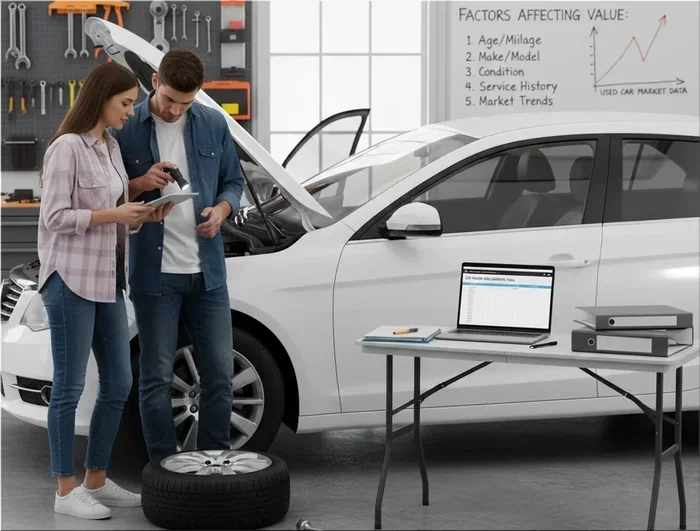
Every car is different. Even two cars of the same make, model, and year can be worth very different amounts. Understanding the factors that influence value helps you figure out where your car stands and what you can do to maximize it.
Mileage
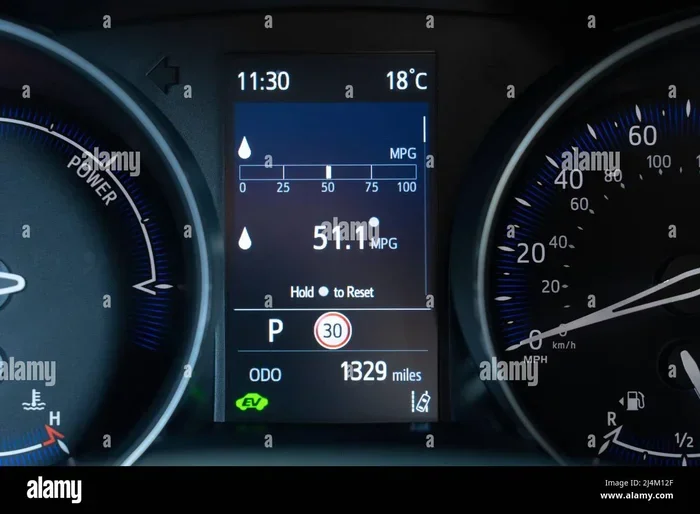
Mileage is one of the biggest factors in determining your car’s worth. Lower mileage generally means higher value. The average American drives about 13,000 to 15,000 miles per year. If your car is well below that average, it will likely be worth more.
On the other hand, high mileage can significantly reduce value. However, a well-maintained high-mileage car is often worth more than a low-mileage car that has been neglected. This is why maintenance history matters so much.
Condition
Condition covers a lot of ground. When you check your car’s value online, you will usually be asked to rate it as excellent, good, fair, or poor. Here is what each level typically means:
- Excellent: No visible damage, clean interior, all features work perfectly, and the car runs like new.
- Good: Minor wear and tear, small cosmetic issues, but nothing that affects safety or major function.
- Fair: Noticeable cosmetic damage, some mechanical issues, or missing features. The car is still drivable but needs work.
- Poor: Significant damage, mechanical problems, or safety concerns. The car may need extensive repairs.
Be honest about your car’s condition. Overstating it will only lead to disappointment when buyers or dealers inspect the vehicle.
Service History and Maintenance Records
This is a huge factor that many people overlook. If you have kept detailed service records, your car is worth more. Buyers and dealers love to see proof of regular oil changes, tire rotations, brake inspections, and other routine maintenance.
On the flip side, if you have no records at all, buyers may assume the worst. A vehicle history report can help fill in some gaps, but nothing beats a clean paper trail of regular care.
Vehicle History Report
A vehicle history report from CARFAX or AutoCheck can reveal a lot about your car’s past. Accidents, title issues, flood damage, and odometer discrepancies all reduce value. If your car has a clean history report, that is a big plus when determining what it is worth.
If you do not have a vehicle history report yet, I strongly recommend getting one before you try to value or sell your car. It costs around $40 and can save you from unpleasant surprises.
Depreciation
All cars lose value over time. This is called depreciation. Most cars lose about 15% to 25% of their value in the first year and continue to decline each year after that. By year five, a car may be worth only 40% to 50% of its original price.
Understanding depreciation helps you set realistic expectations. If your car is older, it will naturally be worth less. But that does not mean it has no value. Even older cars have worth, especially if they are reliable and well-maintained.
Location and Market Demand
Where you live can affect your car’s value more than you might think. Convertibles sell better in warm climates. Trucks and SUVs are more valuable in rural areas. Fuel-efficient cars tend to have higher demand in cities with high gas prices.
The local market also plays a role. If there are many similar cars for sale in your area, competition drives prices down. If your car is a rare or sought-after model, you may be able to ask for more.
Optional Features and Trim Level
Not all trim levels are created equal. A higher trim level with more features adds value. Leather seats, a navigation system, premium audio, heated seats, and advanced safety features all boost your car’s worth.
When you use online valuation tools, make sure to account for every extra feature your car has. These small additions can add up to hundreds of dollars in extra value.
How to Get the Most Accurate Valuation
Online tools are a great starting point, but they are not the whole picture. To get the most accurate valuation of your car, you need to go a step further. Here is how to do it right.
Step 1: Gather Your Car’s Details
Before you start, have all the relevant information ready. You will need your car’s year, make, model, trim level, mileage, VIN, and a list of any extra features. The vehicle identification number is especially important because it gives tools access to your car’s specific history and specs.
Step 2: Run a Vehicle History Report
Get a CARFAX or AutoCheck report. This gives you a clear picture of your car’s past and helps you understand any value adjustments you need to make. If your car has a clean history, that is a selling point.
Step 3: Check Multiple Valuation Tools
Do not rely on just one tool. Check KBB, Edmunds, NADA, and at least one or two others. Write down the numbers and look for the range. The average of these estimates gives you a solid baseline.
Step 4: Look at Comparable Sales
Go to websites like Autotrader, Cars.com, and CarGurus. Search for cars that are the same make, model, year, and trim as yours, in your local area. Look at both the listed prices and the final sale prices if available. This gives you a real-world sense of what buyers are actually paying.
Adjust the numbers based on your car’s specific condition. If your car has more mileage than the comparables, that lowers the value. If your car has fewer miles and a clean history, that raises it.
Step 5: Consider a Professional Appraisal
If you want the most accurate number possible, consider getting a professional car appraisal. A certified appraiser will inspect your car in person, check all systems, and provide a detailed valuation report. This is especially useful if you are selling a high-value vehicle or going through a divorce or estate settlement.
Professional appraisals typically cost between $100 and $300, but they can be worth every penny when you need a definitive number.
Understanding Trade-In Value vs. Private Party Value
One of the most important distinctions to understand is the difference between trade-in value and private party value. These two numbers can be very different, and knowing the gap helps you make smarter financial decisions.
Trade-in value is what a dealer will offer you for your car when you buy a new or used vehicle from them. This value is always the lowest of the three main value types. Dealers need to make a profit, so they buy trade-ins at a discount.
Private party value is what you can expect to get if you sell the car yourself to another individual. This is almost always higher than trade-in value because you are cutting out the middleman. However, it requires more effort, time, and sometimes a bit of negotiation skill.
Dealer retail value is the price a dealer would sell a similar car for. This is the highest number and represents what a buyer would pay if they purchase from a dealership.
Here is a simple comparison to help you visualize the differences:
- Trade-in value: What a dealer pays you. Lowest number. Fastest and easiest option.
- Private party value: What you can get selling to another person. Middle number. More effort but more money.
- Dealer retail value: What a dealer charges for a similar car. Highest number. You would pay this if buying from a dealer.
If you are selling your car, aiming for the private party value is usually the best strategy. If you are trading in, knowing the trade-in value helps you negotiate a better deal on your next purchase.
Common Mistakes to Avoid When Valuing Your Car
Valuing your car seems simple, but many people make mistakes that cost them money. Here are the most common errors I see, and how to avoid them.
Overvaluing Your Car
It is easy to become emotionally attached to your car and overvalue it. You remember the good times, the road trips, and the memories. But the market does not care about your feelings. It only cares about what similar cars are selling for right now. Always let the data guide your price, not your emotions.
Ignoring Depreciation
Some car owners do not realize how much their car has depreciated. They remember what they paid for it and expect to get close to that amount back. In most cases, that is not realistic. Understanding depreciation helps you set a price that buyers will actually accept.
Skipping the Vehicle History Report
Not getting a vehicle history report is a big mistake. If your car has hidden issues like accident damage or a salvage title, you need to know before you try to sell it. Trying to hide these issues will only lead to problems later and can destroy your credibility as a seller.
Not Cleaning the Car
First impressions matter a lot when selling a car. A dirty, cluttered interior can make buyers assume the car has not been well maintained. A thorough cleaning, both inside and out, can actually increase your car’s perceived value and help you get a better price.
Relying on Only One Valuation Source
No single tool is 100% accurate. If you only check one source, you might overvalue or undervalue your car. Always use multiple tools and compare the results to get a more reliable estimate.
How Seasonal Trends Affect Car Value
Believe it or not, the time of year can influence what your car is worth. Certain types of vehicles see seasonal price swings that can work in your favor or against you.
Convertibles and sports cars tend to sell better in spring and summer. When the weather is nice, buyers are more willing to spend money on fun vehicles. On the other hand, trucks and SUVs with four-wheel drive often command higher prices in winter, especially in cold climates where snow and ice are common.
If you have the flexibility to choose when to sell, timing your sale to match seasonal demand can help you get a better price. But even if you need to sell during a slower season, the tips in this guide will still help you get a fair and accurate valuation.
What to Do Once You Know What Your Car Is Worth
Once you have a solid understanding of your car’s value, you can take action. Here is what I recommend doing next based on your situation.
If you are selling privately, list your car at the private party value or slightly above. Be prepared to negotiate, but do not go too low. A well-priced car with a clean history report and good photos will attract serious buyers quickly.
If you are trading in, use your knowledge of the trade-in value to negotiate at the dealership. Do not accept the first offer. Dealers expect negotiation, and knowing your number gives you confidence.
If you are refinancing, the valuation gives you a clear picture of your car equity. This helps you understand how much you can borrow and what your loan-to-value ratio looks like.
No matter what your goal is, having an accurate valuation is the foundation for making smart financial decisions with your vehicle.
Final Thoughts on Finding Out What Your Car Is Worth
Finding out what your car is worth is one of the simplest and most valuable things you can do as a car owner. With the right tools, a little bit of knowledge, and honest self-assessment, you can get a reliable valuation in under an hour.
Start with online tools like Kelley Blue Book, Edmunds, and NADA Guides. Check your vehicle’s condition honestly. Look at comparable sales in your area. Consider getting a professional appraisal if you need a definitive number. And always avoid the common mistakes that cost sellers money.
The more you know about your car’s value, the better equipped you are to sell, trade in, or simply understand your financial position. Do not leave money on the table. Take the time today to find out what your car is really worth. You might be surprised by what you discover.
Your car is one of your biggest assets. Treat it like one by understanding its true value and making informed decisions. That is the best way to get the most out of your vehicle, no matter what you decide to do with it next.
Frequently Asked Questions
What is the fastest way to find out what my car is worth?
The fastest way is to use an online valuation tool like Kelley Blue Book or Edmunds. You just need your car’s year, make, model, mileage, and VIN. You can get an estimate in less than five minutes from the comfort of your home.
Does my car’s color affect its value?
Yes, color can have a small impact on value. Neutral colors like white, black, silver, and gray tend to be more popular and hold their value slightly better than bold or unusual colors. However, color is usually a minor factor compared to mileage, condition, and service history.
How often should I check what my car is worth?
It is a good idea to check your car’s value at least once a year. Values change with market conditions, mileage increases, and depreciation. Checking regularly helps you stay informed and make better financial decisions.
Can I trust online car valuation tools?
Yes, online tools from reputable sources like Kelley Blue Book, Edmunds, and NADA Guides are generally reliable. However, they are estimates, not exact prices. For the most accurate number, compare multiple tools and consider a professional appraisal if needed.
What is the difference between trade-in value and private party value?
Trade-in value is what a dealer offers you when you trade your car in on a new purchase. Private party value is what you can expect to get selling the car yourself. Private party value is almost always higher because you are not working with a dealer who needs to make a profit.
How can I increase my car’s value before selling?
You can increase your car’s value by keeping up with regular maintenance, fixing minor issues before listing, getting a clean vehicle history report, and giving the car a thorough professional cleaning. Small efforts can make a big difference in what buyers are willing to pay.