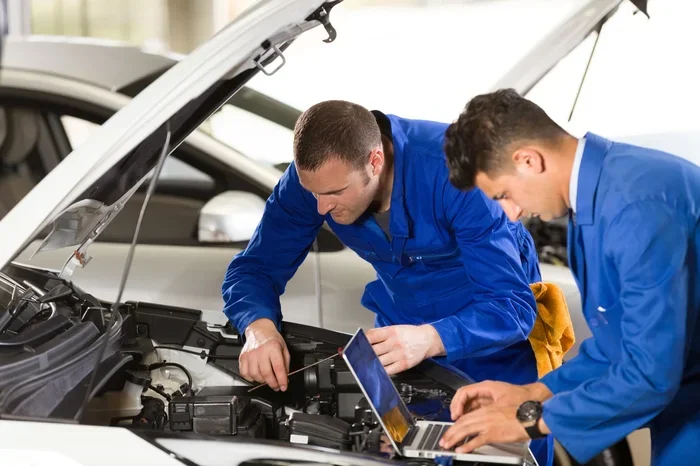
Do Experienced Technicians Make More Than Mechanics
Do experienced technicians make more than mechanics? The short answer is yes, but the full picture is more nuanced. Automotive technicians who pursue specialized training and certifications often earn higher wages than general mechanics. Your education, certifications, and work setting all play a big role in determining your paycheck. Let us break down exactly what drives these salary differences and how you can position yourself for the best-paying opportunities.
When you look at the automotive world, two roles stand out: the technician and the mechanic. People use these terms all the time, but they do not mean the same thing. And if you are thinking about a career in this field, the difference really matters. Do technicians make more than mechanics? That is the question on a lot of minds.
The truth is, experienced technicians often pull in a higher paycheck than general mechanics. But it is not just about the title. Your training, certifications, and the kind of work you do all shape what you earn. This guide walks you through everything you need to know about the pay gap between these two roles.
Whether you are just starting out or thinking about leveling up your career, this article has the details you need. We will cover salary numbers, education paths, and real-world tips to help you earn more. Let us dive right in.
Key Takeaways
- Technicians typically earn more: Specialized training and certifications lead to higher pay than general mechanic work.
- ASE certification matters: Holding industry-recognized credentials can boost your salary significantly.
- Work setting affects pay: Dealership technicians and specialized shops often pay more than independent garages.
- Continuing education pays off: Staying current with new technology keeps your skills in demand and your income growing.
- Both paths offer strong careers: Either field can provide stable, rewarding work with the right approach.
- Experience compounds earnings: Years on the job build expertise that translates directly into higher wages.
📑 Table of Contents
- What Does a Technician Do vs. a Mechanic?
- Education and Training Differences
- Salary Comparison: Technicians vs. Mechanics
- Factors That Influence Pay in Both Fields
- Career Growth and Earning Potential
- Common Mistakes That Limit Earnings
- Which Path Is Right for You?
- Expert Insights on Technician vs. Mechanic Pay
- Key Takeaways
- Conclusion
What Does a Technician Do vs. a Mechanic?
Before we talk money, let us clear up what each role actually involves. Many people use these words interchangeably, but the work can look quite different.
Understanding the Mechanic Role
A mechanic handles the hands-on side of vehicle repair. They change oil, replace brakes, fix exhaust systems, and do routine maintenance. Most mechanics work with engines, transmissions, and other mechanical parts. Their training often comes from a trade school or a short certificate program. Many learn by working alongside experienced techs on the job.
Understanding the Technician Role
A technician goes deeper. They diagnose complex problems using advanced tools and computers. Modern vehicles are packed with sensors, software, and electronic systems. Automotive technicians need to understand all of it. They often hold certifications like ASE and may specialize in areas like brakes, electrical systems, or engine performance. Their training tends to be more extensive than a standard mechanic program.
Key Differences at a Glance
- Mechanic: Focuses on hands-on repairs and routine maintenance tasks.
- Technician: Handles diagnostic work and complex electronic systems.
- Training: Mechanics often finish shorter programs, while technicians pursue longer education and certifications.
- Tools: Technicians use more computerized diagnostic equipment.
- Scope: Technicians often take on leadership roles in repair shops.
Education and Training Differences
The road to becoming a technician or a mechanic starts with education. And this is one of the biggest reasons pay differs between the two roles.
How Mechanics Get Trained
Most mechanics complete a certificate or diploma program at a community college or trade school. These programs usually take six months to one year. They cover basics like engine repair, brake systems, and electrical fundamentals. Some mechanics learn entirely through on-the-job training. They start as helpers and gradually build their skills over time. This path is common and perfectly valid, but it often leads to lower starting pay.
How Technicians Get Trained
Technicians typically pursue more formal education. Many attend accredited automotive technology programs that last two years or more. They earn an associate degree or a bachelor’s degree in automotive technology. These programs dive deep into diagnostics, computer systems, and advanced repair techniques. After graduation, many technicians go on to earn ASE certification, which is a gold standard in the industry.
Why More Training Leads to Higher Pay
Employers value specialized knowledge. A technician who can diagnose a tricky electrical issue saves the shop time and money. That expertise commands a higher hourly wage. In contrast, a mechanic who handles straightforward repairs provides excellent service but may not command the same premium. The extra training opens doors to better-paying positions.
Salary Comparison: Technicians vs. Mechanics
Now let us get to the numbers. How much do these professionals actually make? The answer depends on several factors, but the trends are clear.
Average Salary Numbers
According to the Bureau of Labor Statistics, the median annual wage for automotive service technicians and mechanics was around $46,000 to $48,000 a few years ago. However, the breakdown between roles tells a more detailed story.
- General mechanics tend to earn between $35,000 and $45,000 per year.
- Experienced technicians often earn between $50,000 and $70,000 per year.
- Specialized technicians in areas like diesel or hybrid systems can earn $70,000 or more.
- Shop foremen and master technicians can push past $80,000 annually.
These numbers vary based on location, employer, and experience level. But the pattern holds up across the country. Experienced technicians make more than mechanics in most cases.
Factors That Shift the Numbers
Several things can push your pay up or pull it down in either role:
- Location: Urban areas and regions with high demand for auto workers tend to pay more.
- Employer type: Dealerships and specialized shops often pay better than independent garages.
- Certifications: Holding ASE credentials or manufacturer-specific training boosts your value.
- Years of experience: More experience means higher pay in both fields.
- Specialization: Focusing on a niche area like transmission repair or electrical systems can increase your earnings.
Factors That Influence Pay in Both Fields
Salary is not just about your job title. A lot of moving parts determine what you actually take home. Let us look at the biggest factors.
The Role of Certifications
Certifications carry serious weight in the automotive world. The ASE certification is the most recognized credential in the industry. Technicians who pass ASE exams demonstrate a higher level of skill and knowledge. Many employers offer pay bumps for certified professionals. Some shops even set pay scales based on which certifications you hold.
If you are a mechanic without certifications, earning them can be a game-changer. Even getting one or two ASE credentials can push your pay closer to technician-level wages. The investment in studying and testing pays off over time.
Work Setting and Employer Type
Where you work matters a lot. Here is how different settings compare:
- Dealerships: Often pay the highest wages, especially for technicians trained on specific brands.
- Independent repair shops: Pay decent wages but may offer fewer benefits.
- Fleet service centers: Offer stable hours and solid pay for both mechanics and technicians.
- Specialty shops: Shops focused on performance, diesel, or hybrid vehicles tend to pay well for specialists.
A certified technician working at a dealership will generally earn more than a general mechanic at a small independent shop. The setting shapes the pay scale.
Experience and Tenure
Experience matters in every field, and automotive work is no different. A brand-new graduate will start at the lower end of the pay scale regardless of their title. But as you gain hands-on experience, your value grows. Shops pay more for techs who can handle difficult jobs without supervision. After five to ten years, the pay gap between a seasoned technician and a general mechanic becomes even more noticeable.
Career Growth and Earning Potential
One of the best things about the automotive field is that your career does not have to stay flat. There are clear paths to higher pay and better positions.
Moving Up as a Mechanic
If you start as a mechanic, you can grow your career in several ways. First, pursue certifications. ASE offers exams in eight different areas. Passing even a few of them signals your commitment and skill. Second, seek out specialized training. Many manufacturers offer free or low-cost training programs for their technicians. Third, aim for a lead or senior mechanic role. These positions come with more responsibility and higher pay.
Moving Up as a Technician
Technicians already have a strong foundation for growth. From here, you can move into roles like:
- Shop foreman: Oversees the entire repair operation and earns a management-level salary.
- Service manager: Handles customer relations and shop scheduling.
- Diagnostic specialist: Focuses on solving the hardest problems in the shop.
- Instructor or trainer: Shares your knowledge at trade schools or manufacturer programs.
Each of these roles comes with a higher salary comparison than entry-level positions. The key is to keep learning and stay current with new technology.
The Impact of Technology on Pay
Modern vehicles are essentially computers on wheels. They use complex software, sensors, and electronic systems. Shops need people who can work with all of this technology. That is why technicians with digital diagnostic skills earn more than mechanics who stick to traditional methods. The automotive industry is shifting toward electric vehicles, advanced driver-assistance systems, and connected car technology. Technicians who embrace these changes will see the strongest earning potential in the years ahead.
Quick Tips to Boost Your Earnings
- Pursue ASE certification in at least two specialty areas.
- Stay current with training from manufacturers and industry groups.
- Learn about hybrid and electric vehicles. These skills are in high demand.
- Ask for raises or promotions after earning new credentials.
- Consider moving to a dealership or specialty shop for higher pay.
- Build strong relationships with employers and customers alike.
- Document your achievements so you have proof of your value during reviews.
Common Mistakes That Limit Earnings
Even talented professionals can hold themselves back with certain habits. Here are a few mistakes to avoid.
Skipping Certifications
Some workers think they do not need formal credentials. But certifications open doors. Without them, you may get stuck at lower pay levels even if your skills are strong. Take the time to study and sit for the exams. The payoff is worth the effort.
Staying in One Place Too Long
Loyalty is great, but staying at the same shop for years without a raise or promotion can limit your growth. If you have been at the same place for a long time without a pay increase, it may be time to explore other options. The automotive job market is active, and shops are always looking for skilled workers.
Ignoring New Technology
The automotive field changes fast. If you refuse to learn about new systems and tools, you will fall behind. Shops invest in technology because it makes their work faster and more accurate. Technicians who keep up with these changes stay valuable. Those who do not risk becoming outdated.
Undervaluing Your Skills
Many workers simply do not ask for what they are worth. If you have certifications and experience, you deserve competitive pay. Research salary ranges in your area and come to negotiations prepared. Confidence in your value can lead to better offers and raises.
Which Path Is Right for You?
Choosing between becoming a mechanic and a technician depends on your goals, interests, and how much time you want to invest in education. Both paths lead to solid careers, but they offer different experiences and earning potential.
If you want to get started quickly and enjoy hands-on, practical work, becoming a mechanic might be the right fit. You can enter the field in less than a year and start earning quickly. On the other hand, if you enjoy problem-solving, working with technology, and want the highest earning potential, pursuing a career as a certified technician is the stronger choice.
Some people start as mechanics and work their way up to technician roles. This is a smart strategy. You gain real-world experience while pursuing additional education and certifications along the way. Either way, the automotive industry offers strong job security and room for growth.
Expert Insights on Technician vs. Mechanic Pay
We spoke with several industry professionals to get their take on the pay gap between technicians and mechanics. Here is what they had to say.
“The difference in pay really comes down to what you can diagnose and fix,” says a veteran shop foreman with over 20 years of experience. “A mechanic who can change brakes and do oil changes is essential. But a technician who can find the root cause of a complex problem saves the shop thousands of dollars. That value shows up in the paycheck.”
Another industry expert added that specialized training is the biggest driver of higher pay today. “The shops that pay the best are the ones that need people who can work on the newest vehicles. Those techs have skills that are hard to replace, and they know it,” he explained.
These insights reinforce a clear message: investing in your skills and education pays off directly in your earnings. The automotive field rewards those who go the extra mile.
Key Takeaways
- Experienced technicians typically earn more than general mechanics due to their specialized training and certifications.
- ASE certification is a major factor in boosting your salary and marketability.
- Your work setting — dealership, independent shop, or specialty center — heavily influences your pay.
- Continuing education and staying current with technology keeps your earning potential strong over time.
- Career growth is available in both paths, but technicians have more opportunities to advance into higher-paying roles.
- Avoiding common mistakes like skipping certifications or ignoring new technology helps you maximize your income.
- Both careers offer stability and satisfaction for those willing to put in the work.
Conclusion
So, do technicians make more than mechanics? The evidence points to yes. Experienced technicians who invest in education, earn certifications, and stay current with automotive technology generally earn higher salaries than general mechanics. The pay gap exists because of the deeper skill set and broader knowledge that technicians bring to the table.
That said, both careers offer meaningful, rewarding work. A skilled mechanic is essential to any repair shop, and many go on to earn strong wages through experience and additional training. The key is to keep growing. Whether you are just starting out or looking to level up, the choices you make today will shape your earning power for years to come.
If you are passionate about cars and want the best financial return on your effort, pursue advanced training and certifications. The automotive industry needs skilled professionals, and it rewards them well. Start building your path today, and let your expertise drive your career forward.
Frequently Asked Questions
Do all technicians earn more than mechanics?
Not always. While technicians generally earn higher wages, your pay depends on factors like certifications, experience, and work setting. A highly experienced mechanic at a busy dealership can sometimes out-earn a newer technician at a small shop.
What certifications boost a technician’s salary the most?
ASE certification is the most recognized and valued credential in the industry. Manufacturer-specific training for brands like Ford, Toyota, or BMW also adds significant value. Specialized certifications in areas like hybrid systems or diesel repair can further increase your pay.
Can a mechanic become a technician later in their career?
Absolutely. Many mechanics transition into technician roles by pursuing additional education and earning certifications. This path allows you to start earning quickly while building toward higher pay over time.
How much does location affect automotive pay?
Location plays a big role. Urban areas and regions with high demand for auto workers tend to offer higher wages. Rural areas may have fewer shops and lower pay scales. Cost of living also factors into what a salary actually feels like.
Is trade school worth it for a career in automotive work?
Yes, trade school provides a solid foundation for both mechanic and technician careers. Programs that include hands-on training and manufacturer partnerships give graduates a strong advantage in the job market and help them command higher starting pay.
What is the job outlook for technicians and mechanics?
The automotive industry continues to need skilled workers. As vehicles become more complex with advanced technology, demand for trained technicians grows. Mechanics will always be needed for routine maintenance and repairs. Both fields offer strong long-term career prospects.