Chipped Windshield on a Car: What to Do Immediately
Discover what to do right away when you have a chipped windshield on a car. This guide covers immediate steps, repair options, costs, and prevention tips to keep your auto glass safe. Don’t ignore a rock chip — acting fast can save you money and keep you protected on the road.
You’re driving down the highway, and suddenly you hear a loud ping. You look up and see a chipped windshield on a car that wasn’t there a second ago. It’s a small rock chip, maybe the size of a penny. Your first thought might be, “It’s just a tiny chip. I’ll deal with it later.”
But here’s the thing. That small chip can turn into a big problem fast. A rock chip windshield left untreated can spread into a full windshield crack overnight. And once that happens, your options shrink — and so does your wallet. This guide walks you through exactly what to do the moment you notice a chipped windshield on a car. We’ll cover immediate steps, repair versus replacement decisions, costs, and how to prevent future windshield damage.
Whether you’re dealing with a tiny pit or a noticeable ding, knowing the right moves can make all the difference. Let’s get into it.
Key Takeaways
- Act Fast: A small chip can spread into a full crack quickly if you don’t address it right away.
- Assess the Damage: Not every chip needs replacement — many can be repaired affordably.
- Try a DIY Kit First: A quality chip repair kit can buy you time before professional help.
- Check Your Insurance: Many auto policies cover windshield repair with no deductible.
- Prevent Future Damage: Simple habits like maintaining distance from trucks can reduce rock chip risks.
- Know When to Replace: Large cracks, edge chips, and driver’s line damage usually require full replacement.
📑 Table of Contents
- What Is a Chipped Windshield on a Car and Why It Matters
- Immediate Steps to Take After a Chip
- Repair vs Replace: How to Decide for Your Chipped Windshield
- Cost of Fixing a Chipped Windshield on a Car
- DIY Repair Kits for a Chipped Windshield
- Preventing Future Windshield Damage
- When a Chip Becomes a Crack
- Conclusion
What Is a Chipped Windshield on a Car and Why It Matters
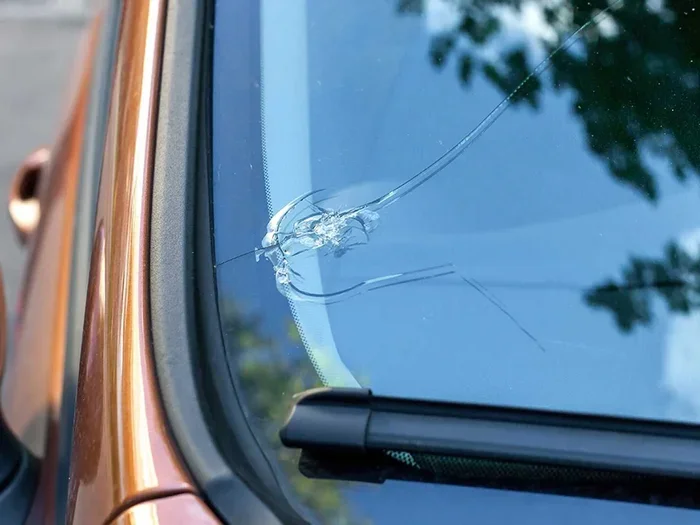
A chipped windshield on a car happens when a small piece of the glass is knocked out or cracked by an object. This is usually a rock, gravel, or debris kicked up by another vehicle. The damage looks like a tiny crater or a dark spot on your auto glass. It might not seem serious at first glance.
How Chips Happen
Most rock chip windshield damage comes from driving behind trucks or on gravel roads. Other causes include:
- Loose debris on the highway
- Construction zone runoff
- Hail storms and severe weather
- Close following distance to large vehicles
- Temperature changes that stress the glass
Any of these can send a small stone flying at high speed. The impact is instant, and the damage is done before you even pull over.
Why Even Small Chips Are Dangerous
You might wonder why a tiny chip matters so much. The truth is, a chipped windshield on a car weakens the entire structure. Your windshield does more than just keep wind out. It supports your roof in a rollover crash and helps your airbags deploy correctly. A damaged windshield can compromise all of that.
Also, a small chip can quickly become a stress crack. Heat from the sun, cold air from your AC, or even a bump in the road can cause the chip to spread. Once a windshield crack grows past a certain size, repair is no longer an option. You’ll need a full auto glass repair or replacement. That costs a lot more than a simple fix.
Immediate Steps to Take After a Chip
Finding a chipped windshield on a car can be stressful. But staying calm and taking quick action will help you avoid bigger problems. Here’s what to do right away.
Pull Over Safely
Don’t panic and slam on the brakes. Find a safe spot to pull over. Turn on your hazard lights. If the chip is in your direct line of sight, it could be a visibility hazard. Pull over as soon as it’s safe to do so.
Check the chip carefully. Is it in the driver’s sight line? Is it near the edge of the glass? These factors will help you decide how urgent the situation is.
Assess the Damage
Take a close look at the chip. Ask yourself these questions:
- How big is the chip? Is it smaller than a quarter?
- Is it a surface chip or does it go through the glass layers?
- Are there any cracks spreading from the chip?
- Is the chip in the driver’s direct line of vision?
- Is it near the edge of the windshield?
If the chip is small, clean, and not in your sight line, you have some time. But if you see any cracks forming, you need to act fast. A spreading windshield crack can turn a simple repair into an expensive replacement.
Cover the Chip Temporarily
Before you get to a shop, protect the chip from dirt and moisture. Use a piece of clear tape over the damaged area. This keeps debris out and prevents the chip from spreading. Just don’t leave tape on for too long — it can leave residue on your auto glass.
Another trick is to keep your car parked in the shade or a garage. Temperature change is one of the biggest enemies of a chipped windshield. Heat expands the glass, and cold contracts it. Both can make a small chip crack open.
Repair vs Replace: How to Decide for Your Chipped Windshield
Once you’ve assessed the damage, the big question is: can you repair it, or do you need a full replacement? The answer depends on a few key factors.
When Repair Works
Most windshield repair professionals can fix a chip if:
- The chip is smaller than a quarter
- There are no cracks spreading from it
- The damage is not in the driver’s direct line of sight
- The chip is not on the edge of the glass
- The damage is a surface chip, not a deep penetration
Professional repair usually involves cleaning out the chip and injecting a special windshield resin into the damaged area. The resin fills the void and hardens. This restores the strength of the glass and prevents the chip from spreading.
A DIY repair kit can also work for very small chips. These kits come with a syringe, resin, and a curing tool. They’re affordable and easy to use. But keep in mind that DIY kits are best for temporary fixes. They don’t match the quality of a professional repair.
When Replacement Is Necessary
Sometimes a chip can’t be repaired. You’ll likely need a full windshield replacement if:
- The chip is larger than a quarter
- There are multiple chips or cracks
- The damage is in the driver’s direct line of vision
- The chip is at the edge of the windshield
- A stress crack has already started spreading
A windshield replacement cost varies widely. A basic auto glass replacement might cost between $100 and $400. But if you have a newer car with advanced features like rain sensors or heated windshields, the price can go up to $1,000 or more.
| Factor | Repair | Replacement |
|---|---|---|
| Chip Size | Smaller than a quarter | Larger than a quarter |
| Cracks Present | No cracks | Spreading cracks |
| Location | Center or outer area | Driver’s line of sight or edge |
| Cost Range | $20 – $60 | $100 – $1,000+ |
| Time Needed | 30 minutes | 1 – 2 hours |
| Insurance Coverage | Usually covered | Usually covered |
Cost of Fixing a Chipped Windshield on a Car
Cost is always a concern when dealing with windshield damage. Nobody wants an unexpected bill. Let’s break down what you can expect.
Average Repair Costs
A simple windshield repair for a small chip typically costs between $20 and $60. If you have auto glass repair done by a professional, the price might be on the higher end. But many shops offer free or low-cost repairs if you file an insurance claim.
DIY repair kits are even cheaper. You can find them for $10 to $30 at most auto parts stores. They work well for minor chips but won’t fix serious damage.
Average Replacement Costs
A full windshield replacement cost depends on your vehicle and location:
- Standard sedan: $100 – $300
- SUV or truck: $150 – $500
- Luxury or luxury SUV: $400 – $1,000+
- Cars with ADAS features: $500 – $1,500+
ADAS stands for Advanced Driver Assistance Systems. These include cameras and sensors mounted near the windshield. After a replacement, these systems need to be recalibrated, which adds to the cost.
Does Insurance Cover It?
Many car insurance policies include windshield repair or replacement coverage. Some policies cover it with no deductible at all. Check with your insurance provider to see if your policy includes glass coverage.
Filing an insurance claim for a chipped windshield usually won’t raise your rates. Most insurers treat glass claims separately from accident claims. It’s always worth asking.
DIY Repair Kits for a Chipped Windshield
If you can’t get to a shop right away, a chip repair kit can be a lifesaver. These kits are designed to temporarily seal the chip and prevent it from spreading.
What’s in a Chip Repair Kit?
Most kits include:
- A syringe or injector for windshield resin
- An adhesive patch or bridge
- A curing tool (usually UV light)
- An alcohol wipe for cleaning
- Clear adhesive film for protection
The idea is simple. You clean the chip, apply the resin, cure it with UV light, and wipe away the excess. It’s a straightforward process that most people can do in under 30 minutes.
How to Use One
Here’s a quick step-by-step guide:
- Clean the chip area with the alcohol wipe
- Place the adhesive bridge or patch over the chip
- Inject the windshield resin into the chip using the syringe
- Apply the curing light for the recommended time
- Remove the bridge and wipe away excess resin
- Let it cure in sunlight for a few minutes
This is a great DIY repair option if you’re stuck on the road or waiting for a professional appointment.
Limitations of DIY Repair
It’s important to know that DIY kits have limits. They work best for surface-level chips. They won’t fix deep cracks or damage near the edge of the glass. And the repair won’t look as clean as a professional repair. Think of a DIY kit as a temporary fix that buys you time.
Also, if the chip has already turned into a windshield crack, a repair kit won’t help. You’ll need to see a professional for that.
Preventing Future Windshield Damage
Once you’ve dealt with a chipped windshield on a car, you probably want to avoid it happening again. Good news — there are simple steps you can take for damage prevention.
Safe Driving Habits
Your driving habits play a big role in avoiding windshield damage. Here are some tips:
- Keep your distance: Stay at least 3-4 seconds behind trucks and construction vehicles. These are the biggest sources of road debris.
- Avoid tailgating: The closer you are to the car ahead, the more likely debris will hit your windshield.
- Watch for construction zones: Gravel trucks and road work zones are chip hotspots. Slow down and increase your following distance.
- Use your headlights: Better visibility means you can spot hazards earlier and adjust your path.
Wind deflection also plays a role. Cars with better aerodynamics tend to deflect debris more effectively. If you drive an older vehicle with a less streamlined front end, you might be more exposed to flying rocks.
Weather and Temperature Considerations
Temperature change is a silent killer of windshield damage. Here’s how to protect your glass:
- Avoid blasting your AC on high immediately after a long drive in the sun
- Let your car warm up gradually in cold weather
- Park in a garage or shaded area when possible
- Use a windshield sun shade in hot weather
- Avoid washing your car with cold water on a hot windshield
Rapid temperature swings create stress on the glass. Over time, this stress can turn a small chip into a stress crack. Being mindful of temperature change is one of the easiest forms of damage prevention.
When a Chip Becomes a Crack
Sometimes, despite your best efforts, a chip turns into a crack. This can happen overnight or over a few days. Signs that your chipped windshield on a car is becoming a windshield crack include:
- A visible line extending from the chip
- The chip feels raised when you run a fingernail over it
- You notice the crack growing after temperature changes
- Spider-web patterns forming around the chip
If you notice any of these signs, don’t wait. Contact a professional repair shop immediately. The longer you wait, the more the damage will spread. A windshield crack that reaches the edge of the glass or blocks your view will almost certainly require full replacement.
Conclusion
A chipped windshield on a car might seem like a minor issue, but it’s anything but. Left untreated, a small rock chip can turn into a costly windshield crack that requires full auto glass repair or replacement. The good news is that acting quickly gives you the best chance of a simple, affordable fix.
Remember the key steps: assess the damage, cover the chip temporarily, and get to a professional as soon as possible. Whether you choose DIY repair or professional repair, the most important thing is to not ignore it. Your safety on the road depends on a clear, intact windshield.
Take care of that chip today. Your future self — and your wallet — will thank you.
Frequently Asked Questions
Can I drive with a chipped windshield on a car?
You can drive short distances with a small chip, but it’s not recommended. A chip can quickly turn into a windshield crack, especially with temperature change or road vibrations. If the chip is in your line of sight, it becomes a safety hazard and you should fix it immediately.
How long does a windshield repair take?
A professional repair for a chipped windshield on a car usually takes about 30 minutes. DIY repair kits take a bit longer, around 45 minutes to an hour, including curing time. Full windshield replacement takes one to two hours.
Does insurance cover a chipped windshield?
Many auto insurance policies include glass coverage that covers windshield repair or replacement with no deductible. Filing a glass claim usually doesn’t raise your rates. Check with your provider to confirm your specific coverage.
How much does it cost to fix a chipped windshield?
A simple windshield repair costs between $20 and $60. A full windshield replacement cost ranges from $100 to $1,000 or more, depending on your vehicle type and any advanced features like ADAS sensors.
Will a chip repair kit fix a cracked windshield?
No. A chip repair kit is designed for small surface-level chips only. If your damage has already turned into a windshield crack, especially one that’s spreading or near the edge, you’ll need professional repair or a full replacement.
How can I prevent a chipped windshield on a car?
Keep a safe distance from trucks and construction vehicles, avoid tailgating, park in a garage when possible, and be mindful of temperature change. These simple habits go a long way in damage prevention and keeping your auto glass in good shape.