Why Your Car Tries to Start but Wont Turn Over Today
When your car tries to start but won’t turn over, the most common culprit is a weak battery, a faulty starter motor, or an issue with the ignition system. This guide walks you through the top reasons why your engine cranks but refuses to fire up, helping you diagnose the problem quickly and safely. Learn what to check first and when to call a mechanic.
Why Your Car Tries to Start but Wont Turn Over Today
There is nothing more frustrating than turning your key or pressing the start button and hearing your engine crank without catching. Your car tries to start but won’t turn over, and you are left standing in the driveway wondering what went wrong. This is a very common problem, and it can happen to any vehicle at any time. The good news is that you do not need to be a mechanic to understand what is going on.
When your car tries to start but won’t turn over, the engine is spinning but failing to ignite. This means something is stopping the combustion process from happening. It could be a simple fix like a corroded battery terminal, or it could be a deeper issue like a failing fuel pump. Either way, knowing the possible causes puts you in a much better position to solve the problem quickly.
In this guide, we will walk you through every reason your engine might crank but not start. We will cover the most common culprits, show you how to diagnose the issue yourself, and give you practical tips to prevent it from happening again. By the end, you will have a clear picture of what to check and what to fix.
Key Takeaways
- Check the battery voltage first; a weak battery causes most no-crank conditions.
- Inspect the starter motor and solenoid for clicking sounds and wear.
- Verify the ignition switch sends power; a faulty switch prevents engagement.
- Test the neutral safety switch; a bad switch blocks starting in park.
- Examine the wiring and connections; corrosion or loose cables interrupt the circuit.
- Listen for a single click; that often signals a dead solenoid.
- Replace the starter if it hums but doesn’t spin; internal windings fail.
📑 Table of Contents
- What Happens When Your Car Tries to Start but Wont Turn Over
- Common Reasons Your Car Won’t Turn Over
- Starter Motor Issues: The Usual Suspect
- Battery and Electrical Connection Problems
- Fuel System Troubles That Stop Your Engine
- How to Diagnose and Fix the Problem
- When to Call a Professional Mechanic
- Final Thoughts on Car Starting Problems
What Happens When Your Car Tries to Start but Wont Turn Over
Understanding the basics of how your engine starts helps you make sense of the problem. When you turn the key, your starter motor engages the flywheel. This spins the engine and draws in air and fuel. The spark plugs then ignite the mixture, and the engine catches. When this process breaks down somewhere, your engine turns over but will not fire up.
Here is what you might notice when your car tries to start but won’t turn over:
- The engine cranks normally but refuses to catch
- You hear a single click or rapid clicking when turning the key
- The dash lights come on but the engine stays silent
- You smell fuel but the engine still will not start
- The engine turns over slowly and then stops
Each of these symptoms points to a different root cause. Paying close attention to the exact sound and behavior of your vehicle helps you narrow things down fast.
The Difference Between Cranking and Starting
People often use the words “cranking” and “starting” interchangeably, but they mean different things. Cranking is when the engine spins. Starting is when the engine actually catches and runs. When your car tries to start but won’t turn over, the cranking part is working but the starting part is not. This distinction matters because it tells you exactly where to look for the problem.
For example, if your engine cranks fast and strong but will not fire, the issue is likely in the fuel or ignition system. If the engine cranks slowly or weakly, the problem is probably electrical, such as a weak battery or bad connection. This simple observation can save you a lot of time and money.
Common Reasons Your Car Won’t Turn Over
Several things can cause your engine to crank without starting. Let us look at the most frequent offenders and what makes them fail.
Dead or Weak Battery
A weak battery is the number one reason engines crank but will not start. Your battery provides the electrical power needed to turn the starter motor and fire the spark plugs. When the charge drops too low, the starter may still spin, but it lacks the power to create a proper spark or fuel delivery.
Common signs of a battery problem include dim dashboard lights, slow cranking speed, and electrical accessories that work weakly. Battery corrosion on the terminals is another frequent cause. White or greenish buildup on the battery posts blocks the electrical connection and prevents enough current from flowing.
To check your battery, use a multimeter to measure the voltage. A healthy battery should read 12.6 volts or higher when the engine is off. If it reads below 12.0 volts, the battery may not have enough power to start the engine reliably.
Faulty Starter Motor
The starter motor is the workhorse that cranks your engine. When it wears out or fails, your engine may still turn over weakly or not at all. A bad starter often produces a grinding noise or a single loud click when you turn the key.
Starter motors fail for several reasons. Worn brushes inside the motor can prevent it from engaging properly. A damaged solenoid may fail to send power to the motor. And in some cases, the starter simply reaches the end of its lifespan after years of use. Replacing a starter motor typically costs between 300 and 500 dollars, depending on your vehicle model.
Fuel Pump Failure
Your fuel pump delivers gasoline from the tank to the engine. When it stops working, the engine cranks but has no fuel to burn. This is one of the most common reasons a car tries to start but won’t turn over in vehicles with high mileage.
A failing fuel pump often gives warning signs before it completely dies. You might notice hesitation during acceleration, a whining noise from the fuel tank, or difficulty starting after the car sits for a while. If the pump fails entirely, the engine will crank normally but never catch because no fuel reaches the combustion chambers.
Ignition Switch Problems
The ignition switch controls the flow of electricity from your battery to the starter motor and ignition system. When this switch wears out, it may not send the right signal to start the engine. Your dashboard lights might come on, but turning the key produces no cranking at all.
Ignition switch issues are more common in older vehicles, but they can affect any car. Worn contacts inside the switch create intermittent connections that come and go. This makes the problem hard to diagnose because it may work sometimes and fail at other times.
Neutral Safety Switch Malfunction
The neutral safety switch prevents your car from starting unless the transmission is in Park or Neutral. When this switch fails, the engine will not crank even though everything else is working correctly. This is a safety feature designed to prevent accidental starts while the transmission is in gear.
A faulty neutral safety switch often causes confusing symptoms. Your car might start in Neutral but not in Park, or vice versa. Sometimes jiggling the shifter while turning the key will get the engine to crank. This inconsistency is a clear sign that the neutral safety switch needs attention.
Starter Motor Issues: The Usual Suspect
The starter motor plays a critical role in the starting process. When your car tries to start but won’t turn over, the starter is often the first thing to check. This component takes a lot of punishment over the years, and eventually it wears out.
Here are the most common starter motor problems:
- Worn starter gears: The gears that mesh with the flywheel wear down over time, causing grinding or failure to engage.
- Bad solenoid: The solenoid acts as a relay that sends power to the starter. When it fails, you get a single click but no cranking.
- Electrical shorts: Damaged wiring inside the starter can cause intermittent operation or complete failure.
- Oil contamination: Oil leaks near the starter can damage internal components and shorten its lifespan.
Testing the starter motor requires a few basic tools. First, check the electrical connections to the starter for corrosion or looseness. Then use a multimeter to verify that the solenoid receives power when you turn the key. If power reaches the solenoid but the starter does not engage, the motor itself likely needs replacement.
One quick test you can do is the “tap test.” Have someone turn the key while you gently tap the starter motor with a wrench. If the starter suddenly engages, the brushes inside are worn and sticking. This is a temporary fix, but it confirms the starter is the problem.
Battery and Electrical Connection Problems
Your vehicle relies on a strong electrical system to start. When the battery or its connections are compromised, the whole process breaks down. Many people overlook simple electrical issues until they become bigger problems.
Corroded Battery Terminals
Battery terminal corrosion is one of the most overlooked causes of a car tries to start but won’t turn over situation. The white or blue-green crust that builds up on battery terminals blocks the flow of electricity. Even if the battery has a full charge, corrosion can prevent that power from reaching the starter.
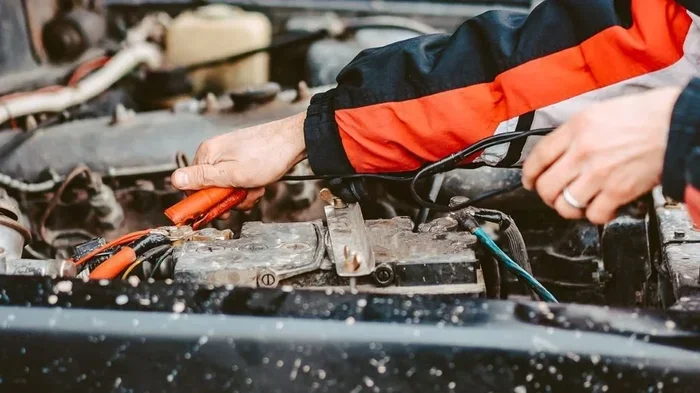
Cleaning battery terminals is simple and inexpensive. Disconnect the negative cable first, then the positive. Use a wire brush or a baking soda solution to scrub away the corrosion. Rinse with water, dry thoroughly, and reconnect the terminals. Apply a thin layer of petroleum jelly to prevent future corrosion.
Loose or Damaged Wiring
Loose wiring connections can cause intermittent starting problems. Vibration from driving can gradually loosen battery cables and ground wires over time. When a connection becomes intermittent, the starter may receive power sometimes but not others.
Inspect all visible wiring around the battery and starter. Look for frayed insulation, loose ring terminals, and corroded connection points. Tighten any loose connections and replace any wires that show signs of damage or wear.
Alternator Problems
While the alternator primarily charges the battery while the engine runs, a failing alternator can indirectly cause starting problems. If the alternator has been failing for a while, the battery may have drained from lack of charging. This creates a situation where the battery cannot provide enough power to crank the engine.
Signs of a bad alternator include dimming headlights, a battery warning light on the dashboard, and a dead battery that keeps going flat even after replacement. If you suspect alternator issues, have the charging system tested at an auto parts store. Most stores offer this service for free.
Fuel System Troubles That Stop Your Engine
Without fuel, your engine cannot run no matter how well it cranks. Fuel system problems are a leading cause of engines that turn over but will not start. Several components in the fuel delivery system can fail and cause this issue.
Clogged Fuel Filter
The fuel filter removes contaminants from gasoline before it reaches the engine. Over time, this filter becomes clogged with dirt, rust, and debris. When the filter is blocked, fuel cannot flow freely to the engine, and the combustion process fails.
Most fuel filters should be replaced every 30,000 to 40,000 miles. Check your vehicle owner’s manual for the recommended replacement interval. Replacing a clogged fuel filter is a simple and affordable fix that can restore your engine’s ability to start.
Failed Fuel Pump
As mentioned earlier, a failed fuel pump cuts off the fuel supply entirely. When the pump dies, the engine cranks but never receives the gasoline it needs to ignite. Fuel pump failures can happen suddenly or develop gradually over time.
Listen for a humming sound near the fuel tank when you turn the key to the On position (not Start). You should hear the pump prime for a few seconds. If you hear nothing, the fuel pump may have failed. Replacing a fuel pump is a more expensive repair, typically costing between 400 and 800 dollars.
Empty Fuel Tank
This sounds obvious, but it happens more often than you might think. Fuel gauges can become inaccurate over time, giving false readings. If your car cranks but will not start, check the fuel level first before investigating more complex issues. It never hurts to add a gallon of fuel and try again.
How to Diagnose and Fix the Problem
Diagnosing why your car tries to start but won’t turn over does not require expensive tools or professional training. With a systematic approach, you can identify the cause and decide whether to fix it yourself or visit a mechanic.
Step-by-Step Diagnostic Process
- Check the battery voltage. Use a multimeter to confirm the battery has at least 12.4 volts. If it is low, charge or replace the battery.
- Inspect the battery terminals. Look for corrosion, looseness, or damaged cables. Clean and tighten as needed.
- Listen to the starter. A single click suggests a bad solenoid or starter motor. Rapid clicking usually means a weak battery.
- Check for fuel. Verify that the fuel gauge is accurate and that fuel reaches the engine.
- Test the ignition system. Check spark plugs for fouling and ignition coils for proper function.
- Verify the neutral safety switch. Try starting in Neutral. If it works, the switch needs adjustment or replacement.
Following this checklist helps you eliminate possible causes one by one. Start with the simplest and most common issues before moving on to more complex diagnostics.
Comparison Table: Common Causes and Fixes
| Cause | Common Symptoms | Typical Fix Cost | Difficulty Level |
|---|---|---|---|
| Dead or weak battery | Slow cranking, dim lights, clicking noise | 100 – 250 dollars | Easy |
| Corroded battery terminals | Intermittent starting, electrical issues | 5 – 15 dollars (cleaning) | Easy |
| Faulty starter motor | Single click, grinding noise, no cranking | 300 – 500 dollars | Moderate |
| Failed fuel pump | Engine cranks but no start, whining noise | 400 – 800 dollars | Hard |
| Clogged fuel filter | Hard starting, poor acceleration | 50 – 150 dollars | Easy |
| Bad ignition switch | No cranking, dashboard lights flicker | 100 – 200 dollars | Moderate |
| Faulty neutral safety switch | Starts in one gear but not another | 100 – 250 dollars | Moderate |
Quick Tips to Prevent Starting Problems
Prevention is always better than repair. Here are some simple habits that keep your starting system in good shape:
- Have your battery tested every six months, especially before winter
- Clean battery terminals once a year to prevent corrosion buildup
- Replace the fuel filter according to your manufacturer’s schedule
- Keep your fuel tank at least a quarter full to protect the fuel pump
- Avoid turning the key to Start for more than five seconds at a time
- Let the engine idle for a few seconds before driving in cold weather
These small habits add up over time. They reduce wear on your starting system and help you avoid the frustration of a car tries to start but won’t turn over situation on a busy morning.
When to Call a Professional Mechanic
Not every starting problem is a DIY fix. Some issues require specialized tools and expertise that go beyond basic troubleshooting. Knowing when to seek professional help saves you time, money, and unnecessary frustration.
You should call a mechanic if your car tries to start but won’t turn over and you have already checked the battery, terminals, and fuel level. If the engine cranks normally but still will not fire, the problem likely involves the ignition system, fuel injection, or engine compression. These are complex systems that need professional diagnostic equipment to evaluate properly.
Also seek help if you notice multiple symptoms at once. For example, if your engine cranks weakly, the lights dim significantly, and the dashboard warning lights flash, you may be dealing with a broader electrical issue that requires expert attention. Trying to fix a complex electrical problem without the right knowledge can lead to further damage.
On the other hand, if the problem is a simple dead battery or corroded terminal, there is no reason to pay a shop rate for something you can handle yourself in minutes. Use your judgment and be honest about your skill level. A good mechanic will appreciate that you attempted a basic diagnosis before bringing the vehicle in.
Final Thoughts on Car Starting Problems
A car tries to start but won’t turn over is never a fun experience, but it is almost always a solvable problem. Whether the cause is a simple corroded battery terminal or a more serious fuel pump failure, understanding the possible reasons gives you power and confidence. You no longer have to stand helplessly by the roadside wondering what went wrong.
Start with the basics. Check the battery, clean the terminals, verify fuel delivery, and listen for unusual sounds from the starter. These few steps resolve the majority of starting problems. If the issue persists, use the diagnostic checklist in this guide to narrow down the cause before visiting a repair shop.
Remember that your vehicle gives you warning signs long before a component fails completely. Pay attention to slow cranking, dim lights, and unusual noises. Addressing small problems early prevents them from becoming expensive repairs later. With the knowledge in this article, you are well equipped to handle most starting issues and keep your car running reliably for years to come.
Frequently Asked Questions
Why Does My Car Try to Start but Won’t Turn Over?
When your car tries to start but won’t turn over, it usually means the starter motor is engaging but the engine isn’t cranking properly. This could be caused by a dead battery, corroded battery terminals, or a faulty starter solenoid. It’s a common car starting problem that many drivers face, especially in cold weather.
What Does It Mean When Your Car Cranks But Won’t Start?
If your car tries to start but won’t turn over, the engine may be getting power but failing to ignite the fuel. Common culprits include a weak car battery, a clogged fuel filter, or a malfunctioning ignition switch. Checking your battery connections and fuel level first can often point you in the right direction.
Can a Bad Starter Motor Cause a Car to Try to Start but Not Turn Over?
Yes, a worn starter motor or a damaged starter solenoid is one of the top reasons a car tries to start but won’t turn over. You might hear a rapid clicking sound or complete silence when you turn the key. Replacing the starter motor is usually the fix, and a mechanic can diagnose this quickly with a simple test.
How Do I Fix a Car That Clicks But Won’t Turn Over?
A clicking noise when you turn the key often points to a dead battery or loose battery cables. Try jumping your car with jumper cables or a portable jump starter first. If the car won’t turn over even after a jump, the starter motor or ignition switch may need replacing.
Is It Safe to Drive When Your Car Tries to Start but Won’t Turn Over?
No, you should not drive a car that won’t turn over, as it could leave you stranded in an unsafe location. A car that won’t start can indicate serious issues like a failing alternator or fuel pump that could worsen over time. Have your vehicle towed to a trusted auto repair shop for a proper diagnosis.
How Much Does It Cost to Fix a Car That Won’t Turn Over?
The repair cost depends on the root cause, with battery replacement typically costing between $100 and $250. Replacing a starter motor can range from $300 to $500, including labor charges. Always get a diagnostic test done first so you know exactly what your car engine needs before spending money on repairs.