Car Overheated and Now Wont Start Easy Fixes Inside
When your car overheated and now won’t start, it can feel like a nightmare. The good news is that many causes are fixable with simple steps you can do at home. This guide walks you through the most common reasons your engine won’t turn over after overheating and gives you practical solutions to get back on the road fast.
Key Takeaways
- Overheating can damage critical engine parts like the head gasket, head bolts, and even warp the engine block.
- Common reasons a car won’t start after overheating include a blown head gasket, damaged starter motor, and low coolant levels.
- Simple fixes like checking coolant, testing the battery, and inspecting spark plugs can often solve the problem.
- Never attempt to drive an overheated car again without addressing the root cause first.
- Knowing the warning signs of engine overheating can save you from expensive repairs down the road.
- When in doubt, consult a trusted mechanic to avoid making the problem worse.
- Regular maintenance of your cooling system is the best way to prevent overheating from happening again.
📑 Table of Contents
- Car Overheated and Now Won’t Start? Here’s What to Do
- Why Overheating Causes Starting Problems
- Common Reasons Your Car Won’t Start After Overheating
- Step-by-Step Fixes to Try at Home
- When to Call a Professional Mechanic
- Preventing Overheating in the Future
- Understanding the Cost of Repairs
- Key Takeaways
- Final Thoughts
Car Overheated and Now Won’t Start? Here’s What to Do
You parked your car after it started running hot. Maybe you saw steam coming from the hood. Maybe the temperature gauge hit the red zone. You turned off the engine, waited a while, and then tried to start it again. Nothing. Just silence. If your car overheated and now won’t start, you are not alone. This is one of the most frustrating situations drivers face, but it is also very common.
The truth is, overheating can cause a chain reaction of problems inside your engine. Some of these issues are easy to fix. Others need a professional mechanic. Either way, understanding what went wrong helps you make smart decisions. In this guide, we break down the most common reasons your engine won’t crank after overheating. We also give you step-by-step fixes you can try right now.
Do not panic. Most of the time, the problem is something you can handle without spending hundreds of dollars. Let’s walk through it together.
Why Overheating Causes Starting Problems
Your engine runs best within a specific temperature range. When things go wrong and the engine gets too hot, several components can fail. This is why a car overheated and now won’t start is such a common issue. Here is what happens inside the engine when temperatures spike too high.
The Cooling System Breaks Down
When your overheating car engine reaches extreme temperatures, the cooling system can no longer do its job. Coolant boils and turns into steam. Hoses can crack or burst. The water pump may fail completely. Without proper coolant flow, the engine has no way to cool down. This creates a dangerous cycle of rising temperatures and mounting damage.
Even after the engine cools, the damage is already done. Coolant may have leaked out entirely, leaving the engine dry. Low coolant levels mean the engine cannot properly regulate its temperature during the next start attempt.
Metal Parts Expand Under Heat
Engines are made of metal. Metal expands when it gets hot. When an engine overheats, critical parts expand beyond their normal tolerances. The head gasket can blow. The cylinder head can warp. In extreme cases, the engine block itself can crack. All of these problems make it very hard or impossible for the engine to start.
The Battery and Electrical System Suffer
Here is something many drivers do not expect. Extreme heat can actually damage your car battery. High temperatures cause the battery fluid to evaporate faster. The internal components of the battery can degrade. So when you try to start your car after it overheated, the battery may simply not have enough power. This is one of the most overlooked reasons a car overheated and now won’t start.
Common Reasons Your Car Won’t Start After Overheating
Now that you understand the basics, let’s look at the specific reasons your engine might refuse to crank. Each of these problems has its own set of symptoms and fixes.
Blown Head Gasket
A blown head gasket is one of the most serious results of engine overheating. The head gasket sits between the engine block and the cylinder head. It keeps coolant, oil, and combustion gases in their proper places. When the engine gets too hot, this gasket can fail completely.
Signs of a blown head gasket include:
- White smoke coming from the exhaust
- Coolant mixing with engine oil
- Bubbles in the radiator or coolant reservoir
- Engine overheating repeatedly
- Loss of power and rough idling
If you suspect a blown head gasket, stop driving immediately. Continuing to run the engine will cause even more damage. A head gasket replacement is not cheap, but it is far less expensive than replacing an entire engine.
Warped or Cracked Cylinder Head
Extreme heat can warp the cylinder head. In severe cases, it can actually crack it. A warped cylinder head does not sit flush against the engine block. This means the head gasket cannot seal properly. The result? Coolant leaks into combustion chambers, oil leaks into coolant passages, and the engine simply cannot run correctly.
A mechanic can check for a warped cylinder head using a straight edge and a feeler gauge. If the head is warped but not cracked, it can sometimes be resurfaced. A cracked head usually needs full replacement.
Damaged Starter Motor
The starter motor is what cranks your engine when you turn the key. Overheating can damage this component in several ways. Excessive heat can melt the solder connections inside the starter. It can also warp the starter gear. When the starter is damaged, you might hear a clicking sound when you turn the key, but the engine will not crank.
Testing the starter is relatively simple. You can tap on the starter motor gently with a hammer while someone turns the key. If the engine starts, the starter is likely the problem. A mechanic can test it more thoroughly with a multimeter.
Low or Burnt Coolant
When your engine overheats, coolant escapes. It may leak from a cracked hose, a faulty radiator cap, or a damaged water pump. If the coolant level drops too low, the engine cannot cool itself. And without enough coolant, the engine will struggle to start because the internal temperature remains too high.
Check your coolant reservoir before trying to start again. If it is empty, you need to refill it with the correct type of coolant. Wait at least 15 to 20 minutes after refilling before attempting to start the engine.
Engine Oil Breakdown
High heat breaks down engine oil. When oil degrades, it loses its lubricating properties. Metal parts that should glide smoothly now grind against each other. This creates friction, heat, and eventually, engine seizure. A seized engine will not turn over at all.
If your car has been overheating for a long time, check the oil. If it looks dark, gritty, or smells burnt, you need an oil change before attempting to start the engine again.
Thermostat Failure
The thermostat regulates the flow of coolant through the engine. When it gets stuck closed, coolant cannot circulate. This causes rapid overheating. Even after the engine cools, a stuck thermostat may not open properly again. This means the engine cannot warm up to the right operating temperature, which can also prevent proper starting.
Replacing a thermostat is one of the cheapest and easiest repairs on this list. Most thermostats cost between $10 and $30. If you are comfortable under the hood, this is a great DIY fix.
Step-by-Step Fixes to Try at Home
Before you call a tow truck, try these simple fixes. Many of these steps take only minutes and require no special tools.
Step 1: Let the Engine Cool Completely
Never try to open the radiator cap or work on a hot engine. Wait at least 30 minutes. Touch the hood to test the temperature. If it is still warm, give it more time. Working on a hot engine can cause serious burns from steam or hot coolant.
Step 2: Check the Coolant Level
Open the coolant reservoir and check the level. If it is low, top it off with the correct type of coolant for your vehicle. You can also use a 50/50 mix of distilled water and antifreeze in an emergency. Look for any visible leaks around hoses, the radiator, and the water pump.
Step 3: Test the Battery
Use a multimeter to check the battery voltage. A healthy battery should read 12.6 volts or higher. If it reads below 12.0 volts, the battery may be too weak to start the engine. Try jump-starting the car with jumper cables or a portable jump starter.
Step 4: Check the Oil Level and Condition
Pull the dipstick and check the oil. It should be amber or brown in color. If it is black, gritty, or smells burnt, change it before starting the engine. Low oil can also prevent proper lubrication and cause starting problems.
Step 5: Inspect the Spark Plugs
Remove the spark plugs and check them for damage. Overheating can cause spark plugs to foul or crack. If they look covered in black carbon deposits or have white blistered tips, replace them. New spark plugs are inexpensive and can make a big difference.
Step 6: Try to Start the Engine
After completing all the checks above, try starting the engine. Turn the key and listen carefully. Does the engine crank? Does it start briefly and then die? Does it not respond at all? Each of these symptoms points to a different problem.
When to Call a Professional Mechanic
Not every problem can be fixed at home. Some overheating damage requires professional tools and expertise. Here are the situations where you should call a mechanic:
- The engine cranks but will not fire at all
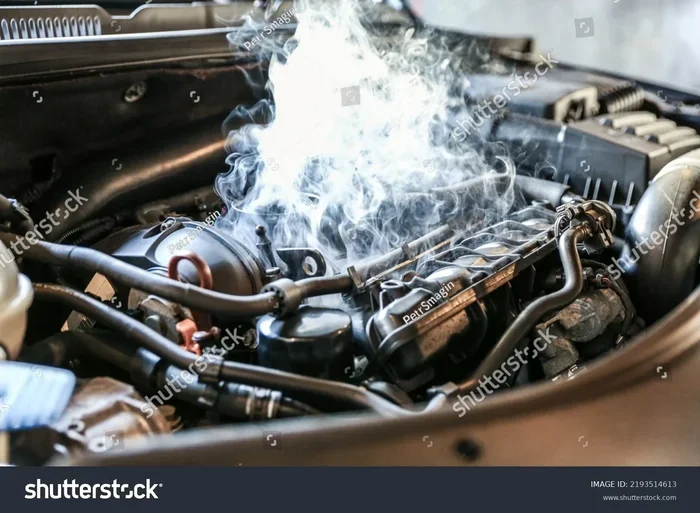
- You see white smoke or steam from under the hood
- Coolant is mixing with engine oil
- The temperature gauge reads hot even after the engine has been off for a while
- You hear knocking or pinging sounds from the engine
- The check engine light is flashing
A mechanic can perform a compression test, a leak-down test, and a thorough inspection of the cooling system repair needs. These diagnostic tests reveal hidden damage that you cannot see from the outside. It is always better to pay for a diagnosis than to keep driving and make the problem worse.
Preventing Overheating in the Future
The best way to deal with an overheated engine is to prevent it from happening in the first place. Here are some simple habits that keep your engine running cool and healthy.
Check Coolant Levels Regularly
Make it a habit to check your coolant level once a month. Look for any puddles under your car, which could indicate a leak. Catching a coolant leak early saves you from major engine damage later.
Replace the Thermostat on Schedule
Most manufacturers recommend replacing the thermostat every 50,000 to 100,000 miles. A new thermostat costs very little and prevents overheating caused by thermostat failure.
Flush the Cooling System
Old coolant loses its effectiveness over time. Flushing the system and replacing the coolant every 30,000 to 50,000 miles keeps the cooling system working at peak performance.
Watch the Temperature Gauge
Keep an eye on your temperature gauge while driving. If it starts climbing, pull over safely and turn off the engine. Ignoring early overheating symptoms is the number one mistake drivers make.
Keep the Radiator Clean
Debris, bugs, and dirt can block airflow through the radiator. Use a soft brush or compressed air to clean the radiator fins regularly. Good airflow is essential for proper engine cooling.
Understanding the Cost of Repairs
The cost of fixing a car overheated and now won’t start varies widely depending on the damage. Here is a rough breakdown of common repair costs.
| Repair | Estimated Cost | Difficulty Level |
|---|---|---|
| Thermostat Replacement | $100 – $250 | Easy DIY |
| Coolant Flush and Refill | $50 – $150 | Easy DIY |
| Water Pump Replacement | $300 – $750 | Moderate |
| Head Gasket Replacement | $1,000 – $2,500 | Professional |
| Cylinder Head Resurfacing | $200 – $500 | Professional |
| Starter Motor Replacement | $200 – $500 | Moderate DIY |
| Engine Replacement | $3,000 – $7,000 | Professional |
As you can see, fixing small problems early saves you a lot of money. A thermostat replacement costs a fraction of what an engine replacement does. The key is to act quickly when you notice overheating signs.
Key Takeaways
- Overheating damages critical engine components including the head gasket, cylinder head, and starter motor.
- A car overheated and now won’t start is usually caused by a blown head gasket, low coolant, or a damaged battery.
- Simple checks like coolant level, oil condition, and battery voltage can often reveal the problem.
- Never ignore overheating symptoms like steam, strange smells, or a rising temperature gauge.
- Regular cooling system maintenance is the best way to prevent overheating from happening again.
- When home fixes don’t work, see a mechanic to avoid causing more damage.
Final Thoughts
Dealing with a car overheated and now won’t start situation is stressful. But staying calm and following the right steps makes all the difference. Start with the simple checks. Coolant level, battery voltage, oil condition, and spark plugs cover most common causes. If those do not solve the problem, it is time to call a professional.
Remember, your engine is one of the most expensive parts of your car. Treat it with care. When you notice signs of engine overheating, pull over and shut it down immediately. Every minute you keep driving with an overheated engine increases the risk of permanent damage.
Take the time to learn your vehicle’s warning signs. Check under the hood regularly. Stay on top of maintenance schedules. These small habits add up to years of reliable driving. And if you ever find yourself stranded with an engine that will not start after overheating, you now have the knowledge to handle it with confidence.
Do not let overheating ruin your day or drain your wallet. Use the tips in this guide, stay proactive, and keep your engine running cool and strong for miles to come.
Frequently Asked Questions
Can I still drive my car if it overheated once?
It depends on the severity of the overheating. If the engine cooled down quickly and you checked the coolant level, you might be able to drive a short distance. However, if the engine ran hot for an extended period, driving again could cause more damage. Have a mechanic inspect the cooling system before driving long distances.
How long should I wait after overheating before trying to start the car?
Wait at least 30 minutes before attempting to start the engine. This gives the metal components time to cool down and reduces the risk of further damage. Opening the hood too soon can expose you to hot steam and coolant, which can cause burns.
What does a blown head gasket sound like?
A blown head gasket often causes a knocking or bubbling sound from the engine bay. You may also notice white smoke from the exhaust, coolant loss without visible leaks, and the engine running rough. If you experience these symptoms after overheating, have a mechanic perform a head gasket test right away.
Can a dead battery be caused by engine overheating?
Yes, absolutely. Extreme heat accelerates battery fluid loss and internal corrosion. If your battery was already weak, overheating can push it over the edge. After an overheating event, test the battery voltage with a multimeter. If it reads below 12.0 volts, consider replacing or jump-starting the battery.
Is it expensive to fix an overheated engine that won’t start?
The cost varies widely. Simple fixes like a thermostat replacement or coolant refill cost under $200. More serious repairs like a head gasket or water pump replacement can range from $300 to $1,500. In the worst case, a seized engine may need full replacement costing $3,000 or more. Acting quickly when you notice overheating signs is the best way to keep repair costs low.
What should I put in my radiator after it overheated?
Use the type of coolant recommended by your vehicle manufacturer. This information is found in your owner’s manual. In an emergency, you can add a 50/50 mix of distilled water and antifreeze. Never add plain water alone for long-term use, as it can cause corrosion and freezing damage to the cooling system.