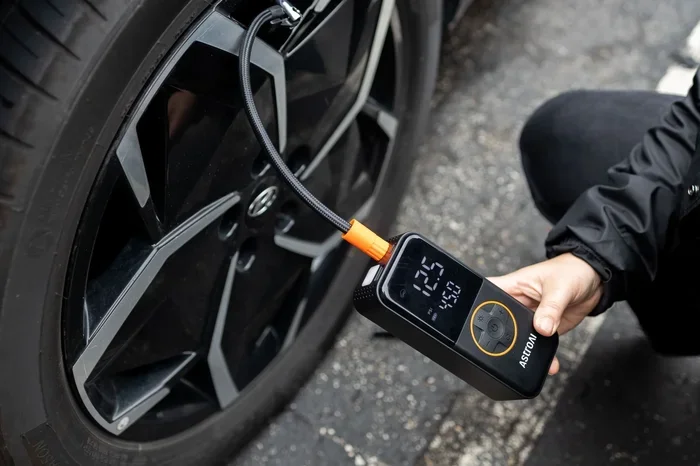
12 Volt Car Air Pump How To Choose The Best One Today
A 12 volt car air pump is a must-have tool for every driver who wants to stay prepared on the road. This guide covers everything you need to know about selecting the right portable tire inflator for your vehicle. From PSI ratings to power sources, we break down the key features that matter most so you can make a confident purchase.
Every driver knows the frustration of a flat tire. You are on the road, miles from the nearest gas station, and your tires are slowly losing air. This is exactly where a 12 volt car air pump saves the day. It is a compact, portable device that plugs right into your car’s power outlet and inflates your tires in minutes.
But here is the thing. Not all 12 volt car air pumps are created equal. Some are built for quick roadside fixes, while others are designed for heavy duty use. The market is full of options, and that can make choosing the right one confusing. This guide walks you through everything you need to know. We will cover the features that matter, the different types available, and how to pick the best 12 volt car air pump for your specific needs.
Whether you are a daily commuter or a weekend road tripper, having a reliable tire inflator in your car is non-negotiable. It keeps you safe, saves money on roadside assistance, and gives you peace of mind. Let us dive in and find the perfect pump for you.
Key Takeaways
- Match the PSI rating to your vehicle: Most cars need 30-35 PSI, so choose a pump that reaches at least that range comfortably.
- Digital models offer better accuracy: A digital tire gauge gives you precise readings compared to analog options.
- Portability matters: Compact air pumps that fit in your trunk or glove box are ideal for road trips and emergencies.
- Check the duty cycle: A higher duty cycle means the pump can run longer without overheating.
- Power source compatibility is key: Make sure the pump works with your car’s cigarette lighter or 12V outlet.
- Read real user reviews: They reveal durability and performance details that specs alone won’t show.
- Consider your usage frequency: Occasional use calls for a lightweight model, while frequent use demands a heavy duty air compressor.
📑 Table of Contents
- What Is a 12 Volt Car Air Pump and Why You Need One
- Key Features That Matter Most
- Types of 12 Volt Car Air Pumps Available
- How to Choose the Best 12 Volt Car Air Pump for Your Needs
- Common Mistakes People Make When Buying a 12 Volt Car Air Pump
- Expert Tips for Using and Maintaining Your Air Pump
- Conclusion
What Is a 12 Volt Car Air Pump and Why You Need One
A 12 volt car air pump is a small compressor that runs on your vehicle’s 12V power outlet, also known as the cigarette lighter socket. It connects to your tire valve stem and fills your tires with air quickly and efficiently. Most models are lightweight and compact enough to store in your trunk, under your seat, or in the glove box.
The 12v air compressor has become one of the most popular auto accessories for drivers who want to be self-sufficient. Instead of relying on gas station air pumps or calling for roadside help, you can handle a low tire pressure situation in under five minutes. That is a huge advantage, especially during bad weather or late at night.
How Does It Work
The pump draws power from your car’s battery through the 12V outlet. Inside the unit, a small motor spins a piston that compresses ambient air. That compressed air travels through a hose and nozzle, which you attach to your tire’s valve stem. The digital tire gauge on most modern units reads the current pressure and stops automatically when you reach your target PSI.
This process is simple and fast. A good portable air compressor can inflate a standard car tire from 20 PSI to 35 PSI in about three to five minutes. That is impressive for a device that fits in the palm of your hand.
The Benefits of Owning a 12 Volt Air Pump
There are many reasons to keep a car tire pump in your vehicle. Here are the biggest ones:
- Emergency preparedness: You never know when a tire will lose pressure. Having a battery powered air pump means you are always ready.
- Cost savings: You avoid paying for air at gas stations or calling a tow truck for a simple flat.
- Convenience: Inflate your tires at home, at the park, or on a camping trip. You are not tied to a fixed air compressor.
- Safety: Properly inflated tires improve handling, braking, and fuel efficiency. A tire pressure monitoring system works best when your tires are at the right PSI.
- Compact storage: Unlike a full-size air compressor for car use, a 12V model takes up almost no space.
Key Features That Matter Most
When shopping for the best 12 volt car air pump, not all features are created equal. Some are essential, while others are nice to have. Here is what you should focus on to make a smart choice.
PSI Rating and Inflation Speed
The PSI rating tells you how much pressure the pump can generate. Most passenger cars need between 30 and 35 PSI. However, if you drive an SUV, truck, or run all-terrain tires, you may need a pump that reaches 50 PSI or higher. Always check your vehicle’s recommended pressure before buying.
Inflation speed is equally important. A high-powered high pressure pump with a strong motor will fill tires faster. Look for models that advertise their inflation rate in liters per minute or cubic feet per minute. The higher the number, the quicker the tire inflation process.
Quick Tip: Do not just look at the maximum PSI. Pay attention to how long the pump can sustain that pressure. Some pumps hit their peak PSI but slow down significantly as the tire fills up.
Power Source and Compatibility
Almost all 12 volt car air pumps use a standard 12V cigarette lighter adapter. This makes them compatible with virtually every car, truck, and SUV on the road. However, there are a few things to keep in mind.
- Outlet type: Make sure your car has a 12V outlet. Some newer vehicles have replaced these with USB-C ports, which will not work with a standard pump.
- Cable length: A longer power cord gives you more flexibility. You do not want to be stretching across the car just to reach the rear tires.
- Fuse rating: Check that your car’s fuse can handle the pump’s power draw. Most 12v air compressor units draw between 10 and 20 amps.
Build Quality and Portability
A compact air pump should be light enough to carry easily but sturdy enough to last. Look for models with a metal housing or reinforced plastic. Cheap, flimsy pumps tend to break after a few uses. Investing in a well-built unit pays off in the long run.
Portability also means how easy the pump is to store. The best 12 volt car air pump models come with a carrying case or a built-in storage compartment for the power cord and nozzle. This keeps everything organized and ready to go when you need it.
Types of 12 Volt Car Air Pumps Available
The market offers several types of 12 volt car air pumps, and understanding the differences helps you choose the right one. Here is a breakdown of the most common categories.
Portable Tire Inflators
These are the most popular type of 12 volt car air pump. They are small, lightweight, and designed for quick tire inflation. Most portable tire inflators weigh between one and three pounds. They are perfect for everyday drivers who want a reliable emergency tool in their trunk.
Portable tire inflators usually come with multiple nozzle attachments. You can use them for car tires, bike tires, sports equipment, and even inflatable mattresses or pool toys. This versatility makes them a great value for the price.
Digital vs Analog Models
Digital 12 volt car air pumps have a screen that displays the exact PSI reading in real time. They are more accurate and easier to read, especially in low light. Most digital models also have an auto-shutoff feature that turns the pump off when you reach your target pressure.
Analog models use a mechanical gauge that you read visually. They are simpler and often cheaper, but they are less precise. If you want accuracy and convenience, go with a digital tire inflator. The price difference is small, and the benefits are significant.
Heavy Duty vs Lightweight Options
Heavy duty air compressor for car units are built for drivers who use their vehicles for towing, off-roading, or hauling heavy loads. These pumps have more powerful motors and higher PSI ratings. They can fill larger tires, including those on trucks and SUVs, much faster.
Lightweight models are designed for compact cars and sedans. They are smaller, lighter, and more affordable. They work perfectly for maintaining standard tire pressure but may struggle with larger or heavily loaded tires.
| Feature | Portable Tire Inflator | Heavy Duty Pump |
|---|---|---|
| Weight | 1-3 lbs | 5-10 lbs |
| Max PSI | 100-150 PSI | 150-200 PSI |
| Inflation Time (Car Tire) | 3-5 minutes | 1-3 minutes |
| Power Draw | 10-15 amps | 15-25 amps |
| Best For | Daily drivers, commuters | Trucks, SUVs, off-roaders |
| Price Range | $20-$60 | $60-$150 |
Expert Insight: The best 12 volt car air pump for you depends on your vehicle type and driving habits. A daily commuter does not need a heavy duty unit, but a truck owner will benefit greatly from one. Be honest about your needs before you buy.
How to Choose the Best 12 Volt Car Air Pump for Your Needs
Choosing the right 12 volt car air pump does not have to be overwhelming. If you know what to look for, the decision becomes much simpler. Follow these steps to narrow down your options.
Match the Pump to Your Vehicle
Start by checking your vehicle’s tire pressure requirements. You can find this information on a sticker inside the driver’s door frame or in your owner’s manual. Most passenger cars require 30-35 PSI, while trucks and SUVs may need 35-45 PSI or more.
Choose a 12 volt car air pump that exceeds your vehicle’s maximum PSI by at least 10-15 PSI. This gives you a comfortable buffer and ensures the pump can handle all your tires, including the spare.
Consider Your Driving Habits
How often do you drive? If you commute daily, you want a reliable pump that you can trust for quick top-ups. If you only drive on weekends, a basic model will work fine. Road trippers should look for pumps with longer power cords and faster inflation speeds.
Think about where you store the pump. If space is limited, choose a compact air pump with a built-in storage case. If you have a truck bed or large trunk, you have more flexibility with size.
Budget Considerations
12 volt car air pumps range from about $15 to $150. Budget models under $30 are fine for basic tire inflation. Mid-range pumps between $30 and $80 offer better build quality, digital gauges, and faster inflation. Premium models above $80 include advanced features like LED lights, multiple nozzles, and higher duty cycles.
Here is a simple way to think about it. Treat your 12v air compressor like insurance. A slightly higher upfront cost often means better reliability and longer life. That saves you money and frustration over time.
Common Mistakes People Make When Buying a 12 Volt Car Air Pump
Even careful buyers sometimes make mistakes when choosing a 12 volt car air pump. Here are the most common ones and how to avoid them.
Ignoring PSI Requirements
This is the number one mistake. Many buyers pick a pump based on price alone without checking if it can reach the PSI their vehicle needs. A pump rated for only 25 PSI will not fill a tire that needs 35 PSI. Always verify the pump’s maximum PSI before purchasing.
Overlooking Duty Cycle Rating
The duty cycle tells you how long the pump can run continuously before it needs to cool down. A low duty cycle means the pump overheats quickly. If you need to fill multiple tires, a pump with a duty cycle of at least 50% is ideal. This means it can run for five minutes and then rest for five minutes.
Common Mistake: Some buyers assume all 12 volt car air pumps can run continuously. They do not. Overworking a pump can burn out the motor and shorten its lifespan significantly.
Skipping the Reviews
Product specifications can be misleading. A pump might look great on paper but perform poorly in real life. Reading user reviews gives you honest feedback about durability, noise level, and actual inflation speed. Look for reviews from verified buyers who have used the pump for several months.
Expert Tips for Using and Maintaining Your Air Pump
Once you have your 12 volt car air pump, a little maintenance goes a long way. These tips will help you get the most out of your device for years to come.
Best Practices for Longevity
- Store it properly: Keep the pump in its carrying case when not in use. This protects the nozzle and power cord from damage.
- Check the power cord: Inspect the cable regularly for fraying or damage. A damaged cord can cause poor performance or safety issues.
- Clean the nozzle: Wipe the nozzle after each use. Dirt and debris can build up and affect the seal on your tire valve stem.
- Run it occasionally: Even if you do not need it, start the pump once every few months. This keeps the motor lubricated and ready to go.
Safety Tips You Should Follow
- Never leave the pump unattended: Always watch the pressure gauge while inflating. Over-inflating a tire can be dangerous.
- Let the pump cool down: If you are filling multiple tires, give the pump a two-minute break between tires. This prevents overheating.
- Check tire pressure when cold: The most accurate readings come from tires that have not been driven on for at least 30 minutes.
- Use the right nozzle: Make sure the nozzle fits snugly on your tire valve stem. A loose fit causes air leaks and inaccurate readings.
Quick Tip: Keep a digital tire gauge in your glove box as a backup. Even the best 12 volt car air pump can sometimes give slightly off readings. Having a separate gauge lets you double-check your tire pressure anytime.
Conclusion
A 12 volt car air pump is one of the simplest yet most valuable tools you can keep in your vehicle. It gives you the power to handle flat tires, low pressure, and emergency situations without waiting for help. Whether you choose a compact portable inflator or a heavy duty 12v air compressor, the key is to match the pump to your vehicle and your driving needs.
Focus on the features that matter most: PSI rating, inflation speed, build quality, and compatibility. Avoid common buying mistakes like ignoring duty cycle or skipping reviews. And once you have your pump, take a few minutes to learn how to use and maintain it properly.
The road is unpredictable, but your preparation does not have to be. With the right 12 volt car air pump, you are always ready for whatever comes your way. Make the smart choice today, and drive with confidence tomorrow.
Frequently Asked Questions
What PSI should a 12 volt car air pump reach?
Most passenger cars need 30 to 35 PSI. A good 12 volt car air pump should reach at least 40 PSI to give you a comfortable margin. If you drive an SUV or truck, look for a pump rated for 50 PSI or higher. Always check your vehicle’s recommended pressure before buying.
Can I use a 12 volt car air pump for other things besides tires?
Yes! Most 12v air compressor units come with multiple nozzle attachments. You can use them for bike tires, sports balls, inflatable rafts, air mattresses, and even pool toys. Just make sure the nozzle fits the item you are inflating and monitor the pressure carefully.
How long does it take to inflate a car tire with a 12 volt air pump?
A typical portable air compressor can fill a standard car tire from 20 PSI to 35 PSI in about three to five minutes. Heavy duty models are faster and can do it in one to three minutes. The exact time depends on the pump’s power rating and the starting pressure of your tire.
Is it safe to leave a 12 volt car air pump plugged in while driving?
It is best to unplug the pump when it is not actively inflating a tire. Leaving it plugged in draws power from your battery even when idle, which can drain your car’s battery over time. Always turn off the pump and remove it from the outlet when you are done.
What is the duty cycle on a 12 volt car air pump and why does it matter?
The duty cycle is the amount of time the pump can run continuously before it needs to cool down. A 50% duty cycle means the pump can run for five minutes and then needs a five-minute rest. This matters because overworking the pump causes overheating, which can damage the motor and reduce its lifespan.
How do I maintain my 12 volt car air pump for long-term use?
Store the pump in its carrying case when not in use. Clean the nozzle after each use to prevent debris buildup. Inspect the power cord regularly for damage. Run the pump every few months even if you do not need it, to keep the motor lubricated. These simple steps will keep your 12 volt car air pump working reliably for years.