Can a Car Lose Freon Without a Leak Yes It Can Happen
Yes, a car can lose freon without a leak. Many drivers are surprised to learn that refrigerant can escape through normal operation, absorption, or system wear. Understanding the car AC system and refrigerant loss causes helps you keep your cooling system running strong.
You hop in your car on a hot summer day. You crank the air conditioning. And then… warm air hits your face. That moment is frustrating. You check under the hood. No visible leak. No puddle. No oily residue. So how did your car lose freon without a leak? This is a question many drivers ask, and the answer might surprise you.
The truth is that refrigerant loss in a car does not always mean you have a hole somewhere. Your car AC system is more complex than most people realize. Several factors can cause freon levels to drop over time. Some of these reasons are perfectly normal. Others signal a hidden problem that needs attention. In this guide, we will walk through every reason this happens. We will cover symptoms to watch for. We will share practical tips to fix the issue. And we will help you decide when to call a pro.
Key Takeaways
- Freon can escape without a leak: Normal system operation and chemical absorption can reduce refrigerant levels over time.
- Common symptoms include warm air: Weak cooling, strange noises, and ice buildup are clear warning signs.
- Multiple causes exist: From worn seals to system pressure changes, several factors play a role.
- Regular maintenance matters: Routine checks and timely refrigerant recharge prevent major problems.
- DIY fixes have limits: Some issues need a professional car AC repair technician.
- Cost varies widely: Repairs range from affordable seal replacements to expensive component swaps.
- Prevention is simple: Small habits protect your AC system and extend its life.
📑 Table of Contents
- Understanding How Your Car AC System Works
- Can a Car Really Lose Freon Without a Leak?
- Common Reasons Your Car Loses Freon Without a Leak
- Warning Signs Your Car Is Losing Freon
- How to Diagnose a Silent Freon Loss
- How to Fix and Prevent Freon Loss
- How Much Does It Cost to Fix Silent Freon Loss?
- Quick Tips to Keep Your AC System Healthy
- Expert Insight on Silent Refrigerant Loss
- Key Takeaways
- FAQ
- Conclusion
Understanding How Your Car AC System Works
Before we dive into the causes, let us look at how your car AC system actually works. Knowing the basics helps you understand why refrigerant loss can happen without a visible leak. Your AC system uses a closed loop. Inside this loop, a special gas called refrigerant circulates. This gas, often called freon, changes between liquid and gas states. That change creates cold air.
The system has five main parts. The compressor pumps the refrigerant through the loop. The condenser releases heat from the gas. The expansion valve lowers the pressure. The evaporator absorbs heat from your cabin. Finally, the receiver or accumulator stores excess refrigerant. All of these parts work together. When one part struggles, the whole system suffers.
The Role of Refrigerant in Your AC
Refrigerant is the lifeblood of your air conditioning system. It does not get used up like fuel. In a perfect world, the same refrigerant would cycle forever. But the real world is not perfect. Tiny amounts of refrigerant can escape through seals. The system can absorb moisture. Pressure changes can cause minor losses. These things happen slowly. You might not notice them for months.
Think of your AC system like a balloon. Over time, even the best balloon loses a little air. The same thing happens with your car’s refrigerant. The question is not really whether freon can drop without a leak. The question is how fast it drops and why.
Can a Car Really Lose Freon Without a Leak?
The short answer is yes. A car can lose freon without a traditional leak. But let us be clear about what we mean by a leak. A leak usually means a visible hole or crack. That is not the only way refrigerant escapes. Your AC system has many connection points. Each one is a potential escape route.
Some refrigerant loss is normal. Most car manufacturers accept a small amount of loss per year. Anywhere from 0.5 to 1 ounce per year is considered typical. That might sound tiny. But over two or three years, it adds up. You start to notice weaker cooling. That is when most drivers get concerned.
So yes, your car can lose freon even when everything looks fine on the outside. The loss may be happening at a microscopic level. It might be seeping through rubber seals. It could be escaping through valve cores. Understanding this is the first step to fixing the problem.
Normal vs. Abnormal Refrigerant Loss
Not all refrigerant loss is bad. Your system loses a tiny amount just from normal use. This is called natural loss. Abnormal loss happens faster. It usually points to a real problem. Here is how to tell the difference.
- Normal loss: Less than 1 ounce per year. Cooling still works well. No strange smells or noises.
- Abnormal loss: More than 1 ounce per year. Cooling gets weaker over weeks or months. You hear hissing or bubbling sounds.
If your AC system loses refrigerant faster than normal, something needs attention. The cause might not be a big hole. It could be a worn O-ring. It could be a faulty seal. Pinpointing the exact reason takes a bit of detective work.
Common Reasons Your Car Loses Freon Without a Leak
Now let us get into the meat of the topic. Why does your car AC system lose refrigerant when there is no obvious leak? Several factors can cause this. Each one is worth understanding. Let us go through them one by one.
Worn Seals and Gaskets
Your AC system has many seals. These rubber seals keep refrigerant contained. Over time, rubber dries out. It cracks. It shrinks. When that happens, tiny amounts of gas escape. You will never see this. There is no puddle on your driveway. But your freon levels drop just the same.
Older cars are especially prone to this. The seals get brittle with age. Heat and vibration speed up the process. A worn seal is one of the most common reasons for refrigerant loss without a visible leak. Replacing seals is usually inexpensive. But catching it early makes all the difference.
Faulty O-Rings
O-rings are small rubber rings that seal connections in your AC system. They sit between metal fittings. They keep everything tight. But O-rings wear out. They get hard. They lose their shape. When an O-ring fails, refrigerant seeps out slowly.
O-ring failure is sneaky. It does not cause a dramatic leak. It causes a slow, steady loss. Many drivers do not notice for weeks. By the time cooling gets weak, the O-ring may be badly worn. Replacing an O-ring is a quick fix. But ignoring it can damage your AC compressor.
System Pressure Imbalances
Your car AC system runs on precise pressure levels. When pressure drops, cooling drops too. But pressure can drop for reasons other than a leak. The refrigerant charge might be low from normal loss. The expansion valve might not be working right. The compressor might be worn. All of these things affect system pressure.
Even a slightly low charge causes problems. Your compressor works harder. It wears out faster. It uses more fuel. Keeping AC pressure in the right range is critical. A pressure test can reveal imbalances before they become big problems.
Moisture in the System
This one surprises a lot of people. Moisture can enter your AC system through tiny gaps. Once inside, it reacts with the refrigerant. It creates acids. These acids eat away at internal parts. They corrode seals. They clog filters. The result? Your system loses refrigerant. And there is no visible leak anywhere.
Moisture damage is one of the sneakiest causes of refrigerant loss. It happens slowly. It often goes unnoticed until the damage is done. That is why many mechanics recommend replacing the receiver dryer when you recharge your system. It removes moisture and protects your cooling system.
Valve Core Issues
The service valve cores on your AC system are small but important. They allow technicians to add refrigerant. But they can also be a source of slow leaks. If a valve core is not tightened properly, gas escapes. If the core seal is worn, gas escapes. These are tiny losses. But they add up over time.
Checking valve cores is something a good technician does during every service. If your car AC repair tech does not check them, ask. A simple valve core replacement can stop slow refrigerant loss. It costs very little. It saves you from bigger headaches later.
Micro Leaks That Are Hard to Detect
Sometimes what looks like no leak is actually a micro leak. These are tiny openings in hoses, fittings, or the evaporator. They are too small to see with the naked eye. Standard leak detectors might miss them. But over weeks and months, they drain your system.
Micro leaks are frustrating. They are one of the top reasons drivers say their car loses freon without a leak. Specialized tools like UV dye or electronic leak detectors can find them. A skilled car AC repair tech knows where to look. Do not give up if the first check finds nothing.
Warning Signs Your Car Is Losing Freon
How do you know your freon levels are dropping? Your car gives you clues. Watch for these warning signs. Catching them early saves money and prevents bigger damage.
Weak or Warm Air From Vents
This is the most obvious sign. Your AC blows air, but it is not cold. The air feels lukewarm or room temperature. This usually means your refrigerant charge is low. The system does not have enough gas to create cold air. If this happens, do not ignore it. Get it checked.
AC Compressor Cycling On and Off
Your AC compressor should run smoothly when you turn on the cooling. If it keeps turning on and off, something is wrong. Low refrigerant causes the compressor clutch to cycle rapidly. This puts extra strain on the compressor. It can shorten the life of your entire cooling system.
Ice Buildup on AC Lines
When refrigerant levels drop, the expansion valve gets too cold. Moisture in the line freezes. You see ice forming on the AC hoses. This is a clear sign of low charge. Ice buildup can block refrigerant flow. It makes the problem worse fast.
Strange Sounds From the AC System
A well-working AC system is fairly quiet. If you hear hissing, bubbling, or gurgling, pay attention. These sounds often mean refrigerant is escaping. They can also mean air has entered the system. Either way, your AC performance is suffering.
Reduced Fuel Efficiency
This one is less obvious but very real. When your AC compressor works harder, it uses more engine power. That means your car burns more fuel. If you notice your gas mileage dropping, a low refrigerant charge might be the cause. It is a small thing that adds up over time.
Bad Smells From the Vents
A musty or chemical smell from your vents can signal a problem. Moisture in the system can cause mold. A refrigerant leak can release gases with an odor. Neither is good for your health or your car AC system. Get it inspected if you notice unusual smells.
How to Diagnose a Silent Freon Loss
If you suspect your car is losing refrigerant but you see no leak, what should you do? Here is a step-by-step approach you can follow.
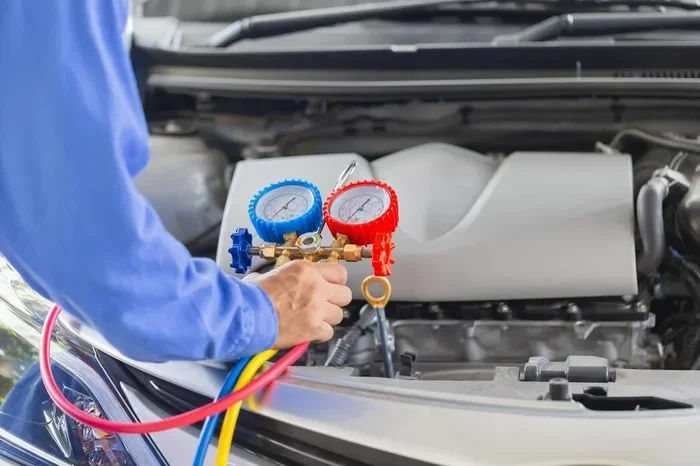
Step 1: Check the AC pressure. Use a manifold gauge set. Connect it to the service ports. Compare the readings to manufacturer specs. Low pressure means low refrigerant. This test tells you if there is a problem even without a visible leak.
Step 2: Perform a UV dye test. Add UV-reactive dye to your AC system. Run the system for a while. Then use a UV light to inspect all parts. The dye will glow at any point where it escapes. This method finds micro leaks that other tests miss.
Step 3: Try an electronic leak detector. These devices sniff for refrigerant gas. They are very sensitive. They can detect tiny amounts of escaping gas. Hold the probe near seals, valves, and connections. Move slowly. Take your time.
Step 4: Inspect all seals and connections. Look closely at every rubber seal and fitting. Check for cracks, hardening, or discoloration. Even if you do not see a drip, wear on these parts means future loss. Replace worn seals proactively.
Step 5: Ask a professional for a smoke test. A smoke test is one of the best ways to find hidden leaks. The technician pressurizes your AC system with smoke. The smoke escapes at any leak point. Even tiny ones become visible. This test costs a little but saves a lot of guessing.
How to Fix and Prevent Freon Loss
Once you know why your car AC system is losing refrigerant, you can take action. Some fixes are simple. Others need a professional. Here is what you can do.
Recharge Your AC System
The most immediate fix is to recharge your refrigerant. You can buy a DIY recharge kit at most auto parts stores. These kits come with a can of refrigerant and a hose. You connect the hose to the low-side service port. You add refrigerant until the pressure reaches the right level.
But here is the catch. Recharging without fixing the underlying cause is a temporary fix. The new refrigerant will leak out again. If your system is losing freon without a leak, the loss will continue. Recharge the system, yes. But also find the root cause.
Replace Worn Seals and O-Rings
If your inspection reveals worn seals or O-rings, replace them. This is a relatively cheap repair. The parts cost a few dollars. The labor is straightforward. A good car AC repair tech can do this in under an hour. After replacement, recharge the system. You should see improved AC performance right away.
Fix Micro Leaks with UV Dye
For micro leaks, UV dye is your best friend. Add the dye during a recharge. Then scan the system with a UV light. Mark any glowing spots. These are your leak points. Repair or replace the affected parts. Then recharge again.
This approach works well for slow, hidden leaks. It gives you a clear picture of what is happening inside your cooling system. Many DIYers swear by this method. It is affordable and very effective.
Keep Up with Routine Maintenance
Prevention is always better than repair. Here are some simple habits that protect your AC system:
- Run your AC for at least 10 minutes every week, even in winter. This keeps seals lubricated and prevents them from drying out.
- Have your AC pressure checked during every oil change or annual inspection.
- Replace the receiver dryer every two years. It removes moisture and protects internal parts.
- Do not skip refrigerant recharges when levels drop. Low charge damages the compressor over time.
- Keep your car parked in the shade when possible. Heat accelerates seal deterioration.
Know When to Call a Professional
Some issues are beyond DIY. If you have tried recharging and the refrigerant levels drop again within weeks, see a pro. If you hear grinding or knocking from the compressor, get it checked. If your AC vent temperature stays warm no matter what you do, a technician can run deeper diagnostics.
A professional has tools you might not own. Smoke testers, electronic detectors, and pressure monitors give a complete picture. They can find problems you would never catch on your own. Investing in a proper diagnosis saves money in the long run.
How Much Does It Cost to Fix Silent Freon Loss?
Cost depends on the cause. Here is a rough breakdown of common repairs for refrigerant loss without a visible leak:
| Repair | Estimated Cost | Difficulty |
|---|---|---|
| Refrigerant recharge | $100 – $200 | Easy |
| O-ring replacement | $50 – $150 | Moderate |
| Seal replacement | $75 – $200 | Moderate |
| UV dye leak test | $50 – $100 | Easy |
| Expansion valve replacement | $200 – $500 | Hard |
| Compressor replacement | $500 – $1,200 | Very Hard |
| Evaporator replacement | $400 – $1,000 | Very Hard |
As you can see, catching the problem early keeps costs low. A simple seal replacement costs a fraction of a compressor swap. Do not wait until your cooling system fails completely.
Quick Tips to Keep Your AC System Healthy
Here are some fast tips every car owner should follow. These simple habits keep your AC system in great shape:
- Run your AC regularly. Even in winter. This keeps seals flexible and refrigerant flowing.
- Check vent temperature. If the air is not as cold as it used to be, get a pressure test.
- Do not overcharge the system. Too much refrigerant causes just as many problems as too little.
- Use the right refrigerant type. Check your owner manual. Using the wrong type damages components.
- Inspect hoses and connections. Look for cracks or wear once a month. A quick visual check goes a long way.
- Keep the cabin filter clean. A clogged filter makes the AC work harder. It strains the whole system.
Expert Insight on Silent Refrigerant Loss
Seasoned mechanics agree on one thing. Silent refrigerant loss is more common than most drivers realize. Many people assume that if there is no puddle or stain, the system is fine. That is not always true. Modern AC systems lose refrigerant through microscopic gaps. Through worn seals. Through tiny valve imperfections.
The best advice from experienced technicians is simple. Check your AC pressure at least twice a year. Once before summer. Once before winter. This two-minute check can catch a low charge before it causes damage. It costs almost nothing. And it gives you peace of mind on the hottest days of the year.
Another expert tip is to never ignore the warning signs. If your AC is not cooling as well as it used to, do not wait. Get it checked. A small refrigerant loss today can turn into a compressor failure next month. The repair cost goes up dramatically when that happens.
Key Takeaways
- Freon can escape without a leak: Normal system operation and chemical absorption can reduce refrigerant levels over time.
- Common symptoms include warm air: Weak cooling, strange noises, and ice buildup are clear warning signs.
- Multiple causes exist: From worn seals to system pressure changes, several factors play a role.
- Regular maintenance matters: Routine checks and timely refrigerant recharge prevent major problems.
- DIY fixes have limits: Some issues need a professional car AC repair technician.
- Cost varies widely: Repairs range from affordable seal replacements to expensive component swaps.
- Prevention is simple: Small habits protect your AC system and extend its life.
FAQ
How long does it take for freon to drop without a visible leak?
It depends on the cause. Normal loss of 0.5 to 1 ounce per year is typical. But worn seals or micro leaks can cause faster drops. You might notice weaker cooling within a few months if the loss is significant.
Can I drive my car with low freon?
You can, but you should not for long. Low refrigerant makes your AC compressor work harder. Over time, this can damage the compressor. It also reduces cooling, which is dangerous in extreme heat. Get it recharged and inspected as soon as possible.
Is it normal for a car AC to lose refrigerant over time?
Yes, a small amount of loss is normal. Most systems lose about 0.5 to 1 ounce per year. This happens through seals and microscopic gaps. But if the loss is faster than that, something needs attention.
What is the best way to find a hidden AC leak?
A smoke test is considered the gold standard. UV dye is also very effective. Electronic leak detectors can find tiny amounts of gas. A professional car AC repair shop can use any or all of these methods to pinpoint the problem.
How much does it cost to recharge car AC freon?
A professional recharge typically costs between $100 and $200. DIY kits are cheaper, usually $20 to $50. But a DIY recharge does not include leak diagnosis. If your system keeps losing refrigerant, a professional inspection is worth the extra cost.
Will adding freon fix my AC if there is no leak?
Adding refrigerant will restore cooling temporarily. But if the underlying cause of refrigerant loss is not fixed, the problem will return. Always diagnose the cause before recharging. This saves money and prevents repeat trips to the shop.
Conclusion
The answer to the question is clear. Can a car lose freon without a leak? Yes, it absolutely can. Your car AC system loses refrigerant through many paths. Worn seals, faulty O-rings, micro leaks, moisture damage, and valve issues all play a role. The loss may be invisible. But the effects are not. Weak cooling, compressor strain, and reduced fuel efficiency are all real consequences.
The good news is that this problem is very manageable. Regular maintenance catches issues early. Pressure checks take minutes and cost almost nothing. Simple repairs like seal and O-ring replacements are affordable. And a proactive approach keeps your cooling system running strong for years.
Do not wait until your AC blows nothing but warm air on the hottest day of the year. Check your freon levels regularly. Watch for warning signs. Address small problems before they become big ones. Your car AC system works hard for you. A little attention goes a long way in keeping it in top shape.
Take action today. Check your AC pressure. Inspect your seals. Stay on top of maintenance. Your future self, sitting in a cool car on a scorching afternoon, will thank you for it.